
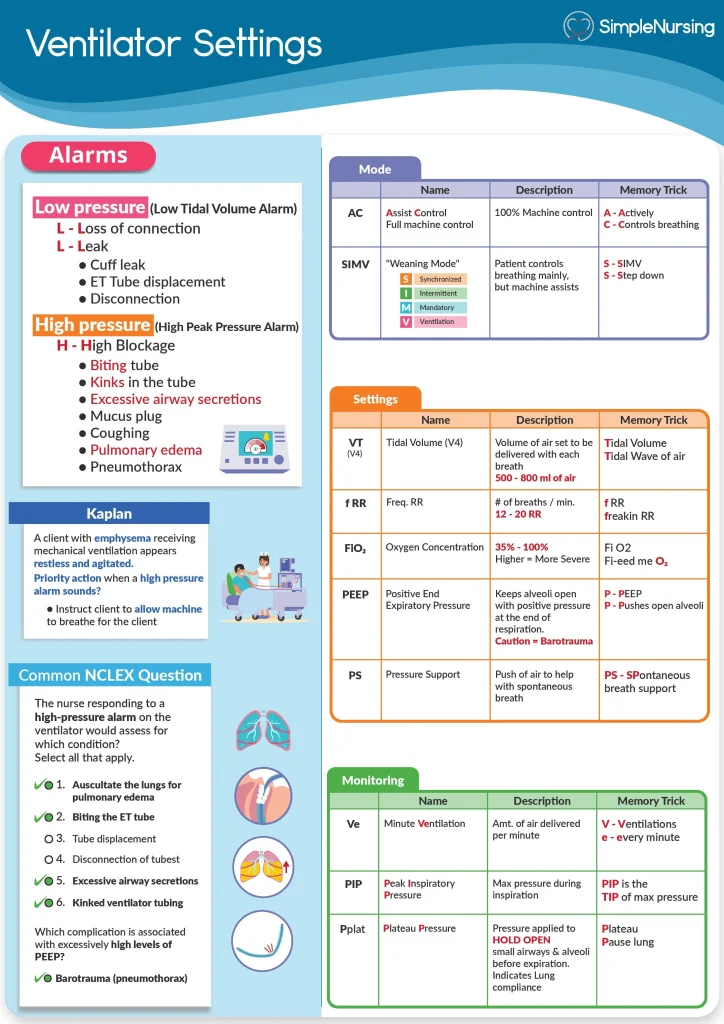
Have you ever wondered how ventilators help people breathe when they can’t do it on their own? One key part of this process is something called tidal volume.
Understanding tidal volume can give you a clearer picture of how ventilators work and why they are so important in medical care. If you want to know what tidal volume is and why it matters for your health or someone you care about, keep reading.
This simple concept could make a big difference in how you understand breathing support.
Basics Of Tidal Volume
Understanding the basics of tidal volume is essential if you work with ventilators or care for patients who rely on mechanical breathing support. Tidal volume refers to the amount of air delivered to the lungs with each breath during ventilation. Knowing how it works helps you ensure effective and safe respiratory care.
Definition And Importance
Tidal volume is the volume of air moved into or out of the lungs during a normal breath. In ventilated patients, this is controlled by the machine to mimic natural breathing.
Getting the tidal volume right is crucial. Too little air can cause inadequate oxygen delivery, while too much can injure the lungs.
Have you ever wondered how small changes in volume could affect a patient’s recovery? It’s a delicate balance that impacts overall health outcomes.
Role In Ventilation
The ventilator uses tidal volume settings to regulate breathing support based on the patient’s needs. It adjusts the air volume to maintain proper oxygen and carbon dioxide levels.
This helps prevent lung collapse and reduces the work of breathing, especially in patients who cannot breathe on their own.
Think about how your own breathing changes with activity—ventilators aim to replicate this natural rhythm, but with precise control.
Credit: www.criticalcarepractitioner.co.uk
Factors Affecting Tidal Volume
Tidal volume is the amount of air delivered to the lungs with each breath by a ventilator. Understanding what influences this volume is key to effective ventilator management. Various factors can change tidal volume, affecting how well your patient breathes and recovers.
Patient Characteristics
Every patient is unique, and their individual traits impact tidal volume settings.
- Body size and weight:Larger patients usually need higher tidal volumes to ensure proper lung inflation.
- Lung compliance:If the lungs are stiff or less elastic, such as in fibrosis, the tidal volume may need adjustment to prevent injury.
- Airway resistance:Conditions like asthma increase resistance, making it harder to deliver the same tidal volume effectively.
- Underlying health conditions:Diseases like COPD or ARDS often require tailored tidal volumes to avoid complications.
Have you noticed how two patients with similar diagnoses respond differently to the same tidal volume? This highlights why patient-specific factors matter so much.
Ventilator Settings
The way you set the ventilator directly controls tidal volume.
- Mode of ventilation:Volume-controlled modes deliver a set tidal volume, while pressure-controlled modes may vary volume based on lung mechanics.
- Inspiratory pressure:Increasing pressure can increase tidal volume, but risks lung injury if too high.
- Respiratory rate:Adjusting breaths per minute influences minute ventilation but may also affect tidal volume delivery indirectly.
- PEEP (Positive End-Expiratory Pressure):This setting keeps alveoli open and can impact the effective tidal volume reaching the lungs.
When adjusting ventilator settings, it’s crucial to balance the desired tidal volume with the risk of lung damage. What challenges have you faced when fine-tuning these settings for your patients?
Measuring Tidal Volume
Measuring tidal volume is crucial in ventilator management. It helps ensure the patient receives the right amount of air during each breath. Accurate measurement supports lung protection and effective ventilation. This process requires precise techniques and reliable tools. Challenges can arise that affect the accuracy of tidal volume readings.
Techniques And Tools
Ventilators measure tidal volume using built-in sensors. These sensors track the volume of air delivered and exhaled. Another common method uses spirometry, which captures breath volumes externally. Flow sensors detect air movement in the breathing circuit. Pressure sensors estimate volume based on airway pressure changes.
Modern ventilators often combine multiple sensors. This approach improves accuracy and reliability. Some tools provide real-time tidal volume displays for clinicians. Calibration of sensors is essential to maintain precise measurements. Regular checks prevent errors caused by sensor drift or blockage.
Common Challenges
Leaks in the breathing circuit affect tidal volume accuracy. Air escaping reduces the measured volume, causing underestimation. Patient movement can disrupt sensor readings. Secretions or moisture may block flow sensors. Changes in lung compliance also influence volume measurements.
Incorrect sensor calibration leads to false readings. Variations in ventilator settings impact tidal volume delivery. Understanding these challenges helps in troubleshooting. Clinicians must monitor tidal volume closely to ensure patient safety.
Tidal Volume In Different Ventilation Modes
Understanding tidal volume in different ventilation modes is key to effective respiratory care. Tidal volume represents the amount of air delivered to the lungs with each breath. How this volume is controlled varies widely depending on the ventilation mode, affecting patient comfort and treatment outcomes.
Volume-controlled Ventilation
In volume-controlled ventilation, you set a specific tidal volume that the ventilator delivers with every breath. This mode guarantees a consistent air volume, regardless of changes in lung compliance or airway resistance.
This control can be lifesaving when precise oxygen delivery is critical. However, it requires careful monitoring because the pressure needed to deliver the set volume can fluctuate, potentially causing lung injury if too high.
Have you ever wondered how this mode adjusts when a patient’s lung stiffness suddenly changes? The ventilator responds by increasing pressure to maintain the set tidal volume, which might stress the lungs if not closely watched.
Pressure-controlled Ventilation
Pressure-controlled ventilation works differently by delivering breaths at a set pressure rather than a fixed volume. This means the tidal volume can vary depending on the patient’s lung condition at the time of each breath.
This mode is often used to protect fragile lungs because it limits the pressure applied, reducing the risk of barotrauma. It requires you to closely track tidal volume to ensure the patient is getting enough air.
Imagine a scenario where a patient’s lung compliance improves during treatment—tidal volume will naturally increase under this mode, offering a dynamic response to changing conditions.
Adjusting Tidal Volume For Patient Needs
Tidal Volume in Ventilator Care: Understanding the Basics Tidal volume is a crucial parameter in ventilator care that refers to the amount of air breathed in or out of the lungs with each breath. It is a measure of the volume of air that the patient inhales or exhales with each respiratory cycle.
Properly adjusting tidal volume ensures the patient receives adequate oxygenation and ventilation.
Adjusting Tidal Volume for Patient Needs Adjusting tidal volume in a ventilator is crucial for catering to the specific needs of patients with varied respiratory conditions. The tidal volume is the amount of air delivered to the lungs with each breath. It’s essential to balance this volume carefully, as too much or too little can adversely affect a patient’s health. Understanding the unique needs of each patient helps in tailoring the tidal volume effectively. By doing so, you can ensure optimal oxygenation and carbon dioxide removal. Different conditions require different adjustments, and knowing these can make a significant difference in patient outcomes.Acute Respiratory Distress Syndrome
In patients with Acute Respiratory Distress Syndrome (ARDS), adjusting tidal volume is a delicate task. Lower tidal volumes are typically recommended to prevent further lung injury. A study might suggest using a tidal volume of 4 to 6 ml per kilogram of predicted body weight. This approach can help reduce the risk of ventilator-induced lung injury. Monitoring the patient’s response to these settings is crucial, as it may need adjustments based on their evolving condition. How might you adjust these settings to ensure the best possible outcome for someone with ARDS?Chronic Lung Conditions
Chronic lung conditions such as COPD or pulmonary fibrosis require a different approach. Patients often need slightly higher tidal volumes to ensure adequate ventilation. However, caution is necessary to avoid overdistension of the lungs. Regularly assess the patient’s lung compliance to determine the appropriate tidal volume. You might find that small, gradual adjustments can make a significant difference in their comfort and respiratory effectiveness. How do you decide the best tidal volume setting for a patient with chronic lung disease?Risks Of Incorrect Tidal Volume
Setting the right tidal volume on a ventilator is crucial for patient safety. Incorrect tidal volume can cause serious health problems. Both too high and too low volumes bring risks. Understanding these risks helps in better care and recovery.
Barotrauma And Volutrauma
Barotrauma happens when the lung tissue is damaged by high pressure. Too large a tidal volume can increase this pressure. This leads to air leaks and lung collapse. Volutrauma occurs when the lungs are stretched too much. Overinflation causes injury to the delicate lung cells. Both conditions can worsen breathing and cause pain.
Impact On Gas Exchange
Gas exchange is how oxygen enters the blood and carbon dioxide leaves. Incorrect tidal volume can disrupt this process. Too low a volume means not enough air reaches the lungs. This lowers oxygen levels in the blood. Too high a volume can cause uneven airflow in the lungs. This leads to poor removal of carbon dioxide. Both situations can make breathing less effective and delay healing.
Optimizing Tidal Volume Settings
Optimizing tidal volume settings is crucial for effective ventilation and patient safety. The right tidal volume ensures adequate oxygen delivery while minimizing lung injury. Getting this balance right can be challenging but is essential for improving patient outcomes.
Clinical Guidelines
Clinical guidelines provide a solid foundation for setting tidal volumes. Most recommend using a tidal volume of 6-8 mL per kilogram of predicted body weight for adult patients.
Lower tidal volumes help reduce the risk of ventilator-induced lung injury, especially in patients with acute respiratory distress syndrome (ARDS). However, these guidelines are starting points, not strict rules.
Have you ever wondered why these specific ranges exist? They come from extensive research showing that too high tidal volumes can overstretch lungs, while too low volumes may cause inadequate ventilation.
Personalized Ventilation Strategies
Every patient is different, so tidal volume settings should be tailored to individual needs. Factors like lung compliance, chest wall mechanics, and the patient’s condition influence the optimal volume.
For example, a patient with stiff lungs may require a lower tidal volume to prevent damage, while someone with healthier lungs might tolerate a slightly higher volume. Regular monitoring and adjustments based on blood gases and lung mechanics are key.
Consider this: how often do you revisit and adjust settings based on patient response? Personalizing ventilation can mean the difference between recovery and complications.

Credit: www.youtube.com

Credit: en.wikipedia.org
Frequently Asked Questions
What Is Tidal Volume In A Ventilator?
Tidal volume is the amount of air delivered to the lungs with each breath by a ventilator. It helps ensure adequate oxygen and carbon dioxide exchange during mechanical ventilation.
Why Is Tidal Volume Important In Mechanical Ventilation?
Tidal volume controls lung inflation and prevents lung injury. Proper tidal volume maintains oxygenation and avoids complications like volutrauma or barotrauma.
How Is Tidal Volume Measured On A Ventilator?
Tidal volume is measured in milliliters (mL) or liters (L) and displayed on the ventilator screen. It reflects the volume of air delivered per breath.
What Factors Influence Tidal Volume Settings?
Tidal volume settings depend on patient size, lung condition, and ventilation goals. Doctors adjust it to optimize breathing and minimize lung damage.
Conclusion
Tidal volume helps control how much air a ventilator gives to a patient. It affects breathing and oxygen levels in the body. Doctors adjust it based on patient needs and health conditions. Understanding tidal volume keeps patients safe and comfortable.
It is a key part of ventilator care and treatment. Knowing this term makes medical talks easier to follow. Always ask healthcare workers if you want more details about ventilators. Clear breathing support starts with knowing tidal volume well.



