
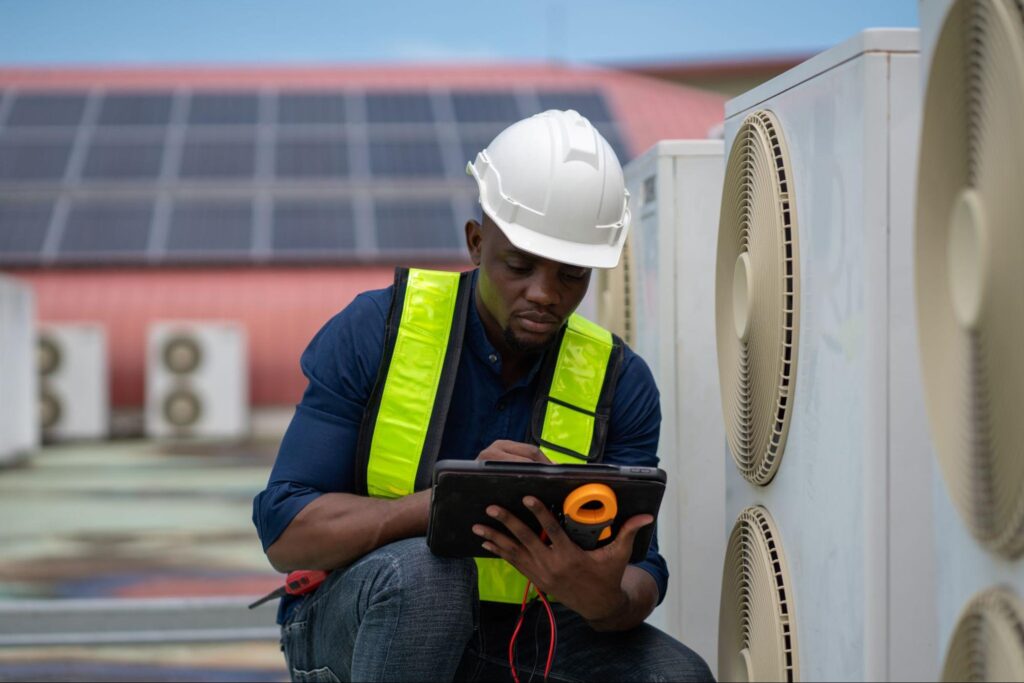
Have you ever wondered what keeps your home warm in the winter and cool in the summer? The answer lies in the work of an HVAC technician.
These skilled professionals play a crucial role in making sure your heating, ventilation, and air conditioning systems run smoothly. If you want to understand how they do it and why their work matters to your comfort and safety, keep reading.
This article will reveal the key tasks of an HVAC technician and how they impact your daily life.
Core Responsibilities
Understanding the core responsibilities of an HVAC technician gives you a clear picture of what this role involves daily. These professionals don’t just fix broken equipment; they ensure your heating, ventilation, and air conditioning systems run smoothly and efficiently. Their work spans several key areas, each crucial to maintaining comfort and safety in your home or workplace.
Installation Tasks
HVAC technicians start by carefully installing new heating and cooling systems. This includes measuring spaces to ensure equipment fits perfectly and setting up units according to manufacturer specifications. They connect wiring, ductwork, and pipes, making sure everything operates safely and meets local codes.
Have you ever wondered what goes into getting your new air conditioner up and running? It’s not just plugging it in—precision and attention to detail are critical. A poorly installed system can lead to higher energy bills and frequent breakdowns.
Maintenance Duties
Regular maintenance is key to extending the life of HVAC systems. Technicians clean filters, check refrigerant levels, and inspect electrical connections to prevent future problems. They also test system performance, adjusting settings to keep everything running efficiently.
Imagine skipping a yearly tune-up on your car—your HVAC system needs similar care. Routine maintenance saves you money and avoids inconvenient breakdowns during extreme weather.
Repair Procedures
When systems fail, HVAC technicians diagnose the issue quickly and accurately. They replace faulty parts like compressors, thermostats, or motors and fix leaks in refrigerant lines. Their skillful repairs restore comfort and prevent further damage to your system.
Have you ever experienced a sudden HVAC breakdown? Skilled technicians troubleshoot these problems so you don’t have to face uncomfortable heat or cold for long. Their hands-on experience helps them find solutions that work right the first time.

Credit: www.furnaceprices.ca
Tools And Equipment
HVAC technicians rely on a range of tools and equipment to perform their jobs. These tools help them install, maintain, and repair heating, ventilation, and air conditioning systems. Using the right tools ensures work is done safely and efficiently. Safety gear protects technicians from hazards while working with electrical and mechanical parts.
Common Tools Used
- Manifold gauge set: Measures refrigerant pressure in HVAC systems.
- Multimeter: Tests electrical circuits and components.
- Vacuum pump: Removes air and moisture from refrigeration lines.
- Refrigerant leak detector: Finds leaks in cooling systems.
- Pipe wrenches and tubing cutters: Used for fitting and cutting pipes.
- Screwdrivers and nut drivers: Essential for fastening and loosening parts.
- Thermometers: Measure air and surface temperatures.
- Drill and bits: For installing and securing equipment.
Safety Gear Essentials
- Safety glasses: Protect eyes from debris and chemicals.
- Gloves: Shield hands from sharp edges and hot surfaces.
- Respirator masks: Prevent inhaling dust and fumes.
- Steel-toe boots: Guard feet from heavy objects and falls.
- Ear protection: Reduce noise from loud tools and machines.
- Hard hats: Protect the head in construction or repair areas.
Work Environment
The work environment of an HVAC technician varies widely. They often move between different locations and face changing conditions. This variety keeps the job interesting and requires flexibility. Technicians work both indoors and outdoors. Their tasks can involve physical activity and technical skills. Understanding the work environment helps to know what this career involves daily.
Typical Job Sites
- Residential homes for installation and repair
- Commercial buildings like offices and stores
- Industrial facilities with large HVAC systems
- New construction sites setting up systems
- Maintenance visits to existing HVAC units
Each site offers unique challenges and tools. Technicians must adapt quickly to different settings.
Work Conditions
- Exposure to hot or cold temperatures
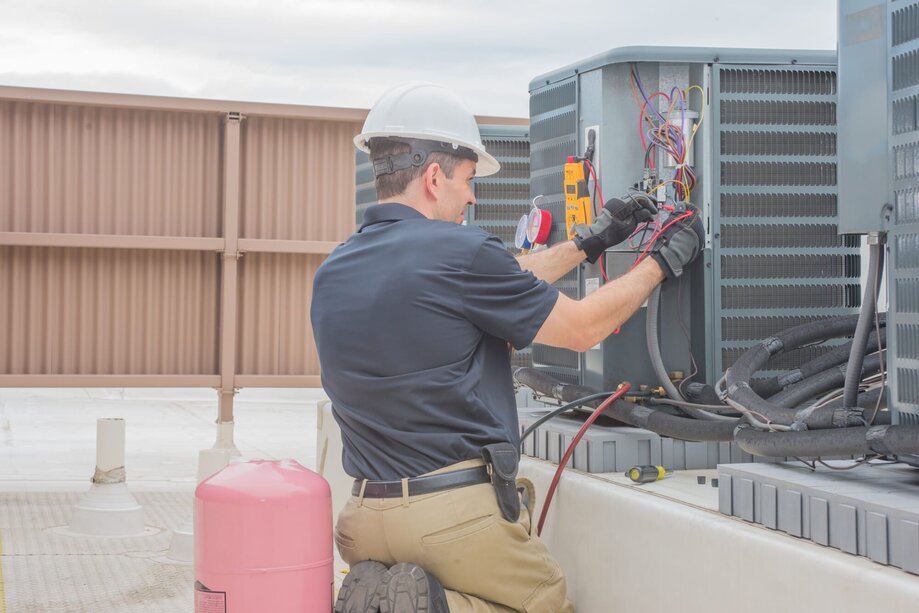
- Working in tight spaces or on rooftops
- Handling heavy equipment and tools
- Occasional exposure to dust, fumes, or chemicals
- Physical demands like lifting and bending
Safety gear is essential to protect from hazards. Technicians often work during regular hours but may have emergency calls. The job requires good health and stamina to handle physical work.
Credit: www.furnaceprices.ca
Skills And Qualifications
Understanding the skills and qualifications of an HVAC technician helps you appreciate the complexity behind keeping your home or office comfortable. These professionals need a mix of technical expertise, proper certifications, and sharp problem-solving abilities. Let’s break down what makes a skilled HVAC technician stand out.
Technical Knowledge
HVAC technicians must understand how heating, ventilation, and air conditioning systems work. This includes knowing about electrical circuits, refrigeration cycles, and mechanical systems. You might not realize it, but a technician often deals with complex wiring and gas lines, so a strong technical background is essential.
Think about the last time your AC stopped working. The technician needs to quickly identify if it’s a thermostat issue, a refrigerant leak, or something else. Their knowledge helps prevent small problems from turning into costly repairs.
Certifications Required
To work safely and legally, HVAC technicians need certifications. Most states require EPA Section 608 certification to handle refrigerants safely. Without it, technicians can’t legally work on air conditioning systems.
Besides the EPA certification, many employers look for completion of a formal HVAC training program or apprenticeship. Certifications from organizations like NATE (North American Technician Excellence) can boost a technician’s credibility and show they meet industry standards.
Problem-solving Skills
HVAC work is rarely straightforward. Systems can behave unpredictably, and symptoms often don’t point directly to the root cause. Technicians must analyze the situation carefully and think critically to find solutions.
Imagine facing a system that turns off intermittently. Is it a faulty sensor, wiring issue, or a control board problem? Your technician’s ability to troubleshoot efficiently saves time and money.
Have you ever wondered what goes into diagnosing a stubborn HVAC problem? It’s the technician’s problem-solving skills that turn confusion into clarity.
Daily Challenges
HVAC technicians fix heating and cooling systems to keep homes comfortable. They inspect, clean, and repair equipment daily. Troubleshooting problems is a key part of their work.
Daily Challenges As an HVAC technician, every day is a new adventure. The job requires a mix of technical skills, problem-solving, and time management. Technicians must be ready to face a wide range of challenges that can arise at any moment. From troubleshooting complex issues to managing tight deadlines, their work is never done.Troubleshooting Issues
Troubleshooting is a big part of an HVAC technician’s job. They use their knowledge of heating, ventilation, and air conditioning systems to identify and fix problems. This can include everything from faulty thermostats to leaky ducts. Technicians must use their critical thinking skills to analyze symptoms and find the root cause of the issue. When working on complex problems, technicians may need to use specialized equipment like leak detectors or pressure gauges. They may also need to consult technical manuals or manufacturer instructions to find the solution. The goal is to get the system up and running smoothly as quickly as possible.Managing Deadlines
HVAC technicians often work on a tight schedule. They may have multiple service calls to make in a single day, each with its own deadline. The technician must prioritize tasks and manage their time effectively to meet these deadlines. This can be challenging, especially during peak demand periods or in extreme weather conditions. To stay on track, technicians use tools like calendars and scheduling software. They may also communicate with customers and colleagues to coordinate their work. By staying organized and focused, they can complete their tasks efficiently and provide excellent service to their customers.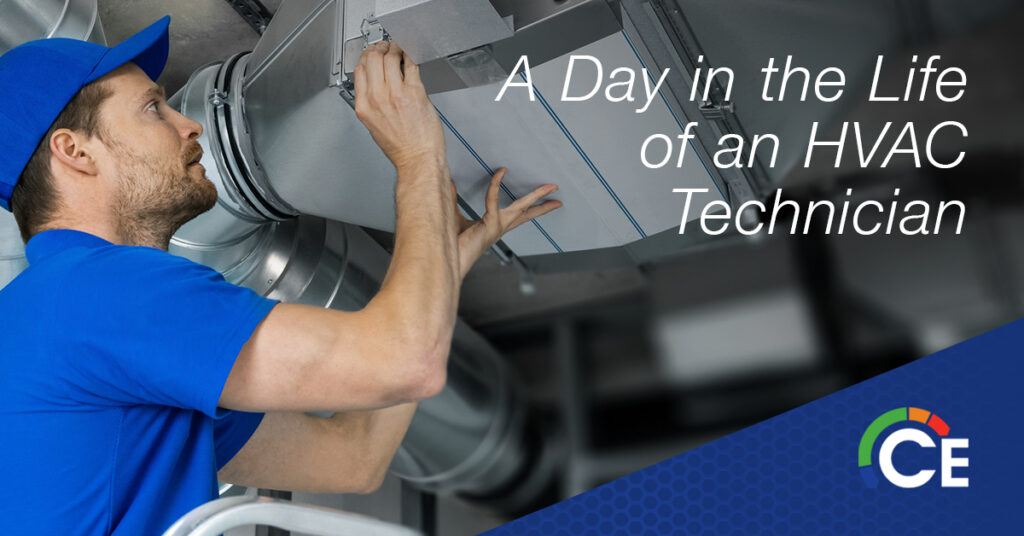
Credit: www.carrierenterprise.com
Career Growth
Career growth in the HVAC field offers more than just steady job security. It opens doors to new skills, leadership roles, and specialized expertise. If you want to build a long-term career, understanding your advancement options and areas to specialize in is key.
Advancement Opportunities
You can move from being a technician to a supervisor or project manager with experience. Many HVAC professionals start by learning hands-on skills and then take on responsibilities like training new staff or managing job sites.
Certifications and ongoing education boost your chances of promotion. For instance, earning EPA certification or NATE credentials can make you stand out to employers. Have you thought about where you want to be in five years within this field?
Specialization Areas
Focusing on a niche can make your work more interesting and increase your earning potential. You might specialize in areas such as:
- Refrigeration systems
- Commercial HVAC installations
- Energy-efficient and green technologies
- Heating systems maintenance and repair
Specializing means you become the go-to expert in a specific area, which can lead to consulting or teaching opportunities. What aspect of HVAC excites you enough to become an expert at it?
Frequently Asked Questions
What Tasks Do Hvac Technicians Perform Daily?
HVAC technicians install, maintain, and repair heating and cooling systems. They inspect equipment, replace parts, and ensure optimal system performance. Technicians also troubleshoot issues to prevent breakdowns. Their work keeps indoor environments comfortable and safe year-round.
How Does An Hvac Technician Diagnose System Problems?
Technicians use specialized tools to test heating and cooling components. They check electrical connections, refrigerant levels, and airflow. By identifying faults early, they prevent costly repairs. Accurate diagnosis ensures efficient system operation and energy savings.
What Skills Are Essential For Hvac Technicians?
Key skills include mechanical knowledge, problem-solving, and attention to detail. Technicians must read blueprints and use diagnostic tools effectively. Strong communication helps when explaining repairs to customers. Physical stamina is also important for handling equipment and working in varied environments.
Why Is Regular Hvac Maintenance Important?
Regular maintenance extends system lifespan and improves efficiency. It reduces energy costs and prevents unexpected breakdowns. Technicians clean and inspect components to maintain performance. Routine checks also ensure safety by identifying potential hazards early.
Conclusion
HVAC technicians keep homes and buildings comfortable all year. They install, fix, and maintain heating and cooling systems. Their work helps save energy and lowers bills. These professionals use tools and skills daily to solve problems fast. Knowing what they do shows their value in our lives.
Next time your air conditioner or heater acts up, you’ll understand why a technician is the right help. Their role is important for safe, clean, and cozy spaces. Simple but vital work that keeps us comfortable every day.



