

Are you thinking about your next career move and wondering if HVAC could be the right path for you? Choosing a job that offers stability, good pay, and growth opportunities is important.
HVAC, which stands for heating, ventilation, and air conditioning, might be exactly what you need. But is HVAC really a good career? You’ll discover the benefits, challenges, and what it takes to succeed in this field. By the end, you’ll know if this career matches your goals and lifestyle.
Keep reading to find out how HVAC can open doors for your future.
Growing Demand For Hvac Professionals
The demand for HVAC professionals is on a steady rise, making it a promising career choice. More homes and businesses need efficient heating, ventilation, and air conditioning systems than ever before. This trend is not just about comfort—it’s about adapting to modern living and working environments.
Rising Need In Residential And Commercial Sectors
Both residential and commercial buildings require HVAC systems that work efficiently. As new homes are built and existing ones upgraded, HVAC technicians are in demand to install, maintain, and repair these systems.
Commercial spaces like offices, malls, and hospitals rely heavily on HVAC for air quality and temperature control. This creates steady job opportunities with diverse challenges, allowing you to develop broad skills.
- New construction projects increase the need for HVAC installation.
- Older buildings require regular maintenance and system upgrades.
- Energy efficiency standards push for better HVAC technologies.
Impact Of Climate Change On Hvac Jobs
Climate change affects temperature extremes, making HVAC systems more critical than ever. You’ll find increased work in cooling during hotter summers and heating during colder winters.
Green energy solutions and eco-friendly HVAC systems are becoming popular, opening avenues for specialists trained in sustainable technologies. This shift means your skills can directly contribute to reducing environmental impact.
Have you considered how your career could evolve by learning about energy-efficient HVAC solutions? Staying updated can make you indispensable in a changing market.
Attractive Salary And Benefits
Choosing a career in HVAC offers more than just job stability; it also comes with attractive salary packages and benefits that can support a comfortable lifestyle. You might be surprised how well HVAC professionals earn compared to many other trades. Beyond the base pay, there are additional perks that can significantly boost your overall income and job satisfaction.
Competitive Pay Scales
HVAC technicians earn competitive salaries that grow with experience and specialization. Entry-level positions often start with a solid hourly wage, which increases as you gain certifications or master advanced skills.
Many HVAC roles offer a clear path to higher earnings through promotions or moving into specialized areas like refrigeration or system design. Have you considered how much value your technical skills could add to your paycheck over time?
Opportunities For Overtime And Bonuses
Working in HVAC often means chances to earn more through overtime, especially during peak seasons when heating or cooling systems need urgent repairs.
Employers also provide bonuses for meeting targets or completing big projects. This extra income can make a noticeable difference in your monthly budget.
Imagine how a few extra hours or a well-earned bonus could accelerate your financial goals. Are you ready to take advantage of these opportunities in your career?
Job Stability And Security
Job stability and security are top priorities when choosing a career path. In the HVAC industry, these factors stand out due to consistent demand and the nature of the work. If you’re considering a career where you can rely on steady employment, HVAC offers strong advantages.
Essential Services In All Weather Conditions
HVAC professionals provide critical services that people depend on year-round. Whether it’s the scorching heat of summer or the freezing cold of winter, homes and businesses need heating, ventilation, and air conditioning systems to function properly.
This constant need means HVAC technicians rarely face downtime caused by seasonal changes. Your skills will be in demand no matter the weather, giving you a dependable source of income and work.
Low Risk Of Automation
Unlike many jobs threatened by machines and software, HVAC work requires hands-on skills that are hard to replace with automation. Diagnosing issues, repairing equipment, and installing systems involve physical tasks and problem-solving in diverse environments.
Machines can’t easily replicate the adaptability and expertise you bring to complex HVAC problems. This low risk of automation adds a layer of job security you won’t find in many other industries.
Have you considered how the need for human judgment in your work might protect your job in the future? HVAC offers a unique blend of technical skill and practical application that keeps it secure in a changing job market.
Variety Of Career Paths
The HVAC field offers a wide range of career paths, each with unique responsibilities and opportunities for growth. Whether you prefer hands-on work or technical design, there’s a role that fits your skills and interests. Understanding these options helps you make a smart choice for your future.
Technician, Installer, And Engineer Roles
Technicians are the frontline workers who diagnose, repair, and maintain HVAC systems. They often work directly with customers, solving problems on-site. If you enjoy practical, hands-on tasks and seeing immediate results, this role can be very rewarding.
Installers focus on setting up new HVAC systems. This job demands attention to detail and the ability to follow blueprints and safety standards closely. Your work ensures that systems run efficiently and safely from day one.
Engineers design HVAC systems and improve existing ones. They use technical knowledge and software tools to create efficient solutions. If you like problem-solving and innovation, engineering opens doors to leadership and project management.
Specializations In Energy Efficiency And Green Hvac
Energy efficiency is becoming a top priority in HVAC careers. Specializing in green HVAC means you work on systems that reduce energy use and environmental impact. This area offers job security and a chance to contribute to a sustainable future.
Green HVAC specialists install solar-powered heating or advanced heat pumps that save money and resources. If you care about the planet and want a career that makes a difference, this path is worth considering. How would you feel knowing your work helps cut down carbon footprints?
Hands-on And Rewarding Work
Choosing a career in HVAC means diving into work that is both hands-on and deeply rewarding. This field offers you a chance to actively solve problems and see the tangible results of your efforts every day. It’s not just about fixing machines; it’s about creating comfort and safety for people in their homes and workplaces.
Solving Real-world Problems
Every job in HVAC presents a unique challenge. You might be called to troubleshoot a broken air conditioner on the hottest day of the year or install a heating system in a newly built home. Each situation tests your skills and pushes you to think critically.
Imagine the satisfaction when you diagnose a tricky electrical fault that others missed. Your ability to solve these real-world problems directly impacts people’s daily lives. This hands-on problem solving keeps your work interesting and meaningful.
Customer Interaction And Satisfaction
Working in HVAC puts you face-to-face with customers. You’re not just a technician; you become a trusted expert who helps people improve their living or working environment. This interaction adds a personal touch to your job.
Hearing a customer thank you because their home is finally comfortable brings a real sense of accomplishment. It’s your skills and friendly approach that build loyalty and repeat business. How often do you get to see the immediate positive effect of your work on someone’s day?

Credit: sbeodyssey.com
Training And Certification Options
Exploring HVAC as a career offers various training and certification options. These pathways enhance skills and job prospects. Many programs provide hands-on experience and industry-recognized credentials.
For those interested in pursuing a career in HVAC, obtaining the right training and certifications is crucial. HVAC professionals must have a solid understanding of heating, ventilation, and air conditioning systems, as well as the skills to install, maintain, and repair them. In this section, we will explore the various training and certification options available to those seeking a career in this field.Apprenticeships And Technical Schools
Apprenticeships and technical schools offer hands-on training and education in HVAC repair and installation.
Students learn from experienced instructors and gain practical experience through internships or on-the-job training.
Some popular technical schools and vocational programs include:
- Universal Technical Institute (UTI)
- Lincoln Tech
- Universal Air and Heat
Licensing And Continuing Education
After completing their training, HVAC professionals must obtain the necessary licenses and certifications to practice in their state.
The licensing requirements vary by state, but most require a passing score on a certification exam, such as the EPA Section 608 Technician Certification.
Continuing education is also essential in the HVAC industry, as new technologies and techniques are constantly emerging.
Many states require HVAC professionals to complete a certain number of hours of continuing education each year to maintain their licenses and certifications.
Some popular continuing education courses include:
- American Society of Heating, Refrigerating, and Air-Conditioning Engineers (ASHRAE) courses
- North American Technician Excellence (NATE) certifications
- Environmental Protection Agency (EPA) certifications
Advancements And Technology In Hvac
The HVAC field is evolving quickly through new technology. These advancements make systems more efficient and easier to control. They also improve comfort and reduce energy costs. Technology brings exciting changes for HVAC professionals and customers alike.
Smart Hvac Systems
Smart HVAC systems use sensors and automation. They adjust heating and cooling based on real-time data. Users can control these systems through smartphones or voice commands. This technology helps save energy by running only when needed. It also predicts maintenance needs to avoid breakdowns.
Sustainable And Eco-friendly Innovations
Many HVAC companies focus on green technology. New systems use less energy and reduce harmful emissions. Refrigerants with low global warming potential are common. Solar-powered HVAC units are becoming popular. These innovations support a cleaner environment and lower utility bills.
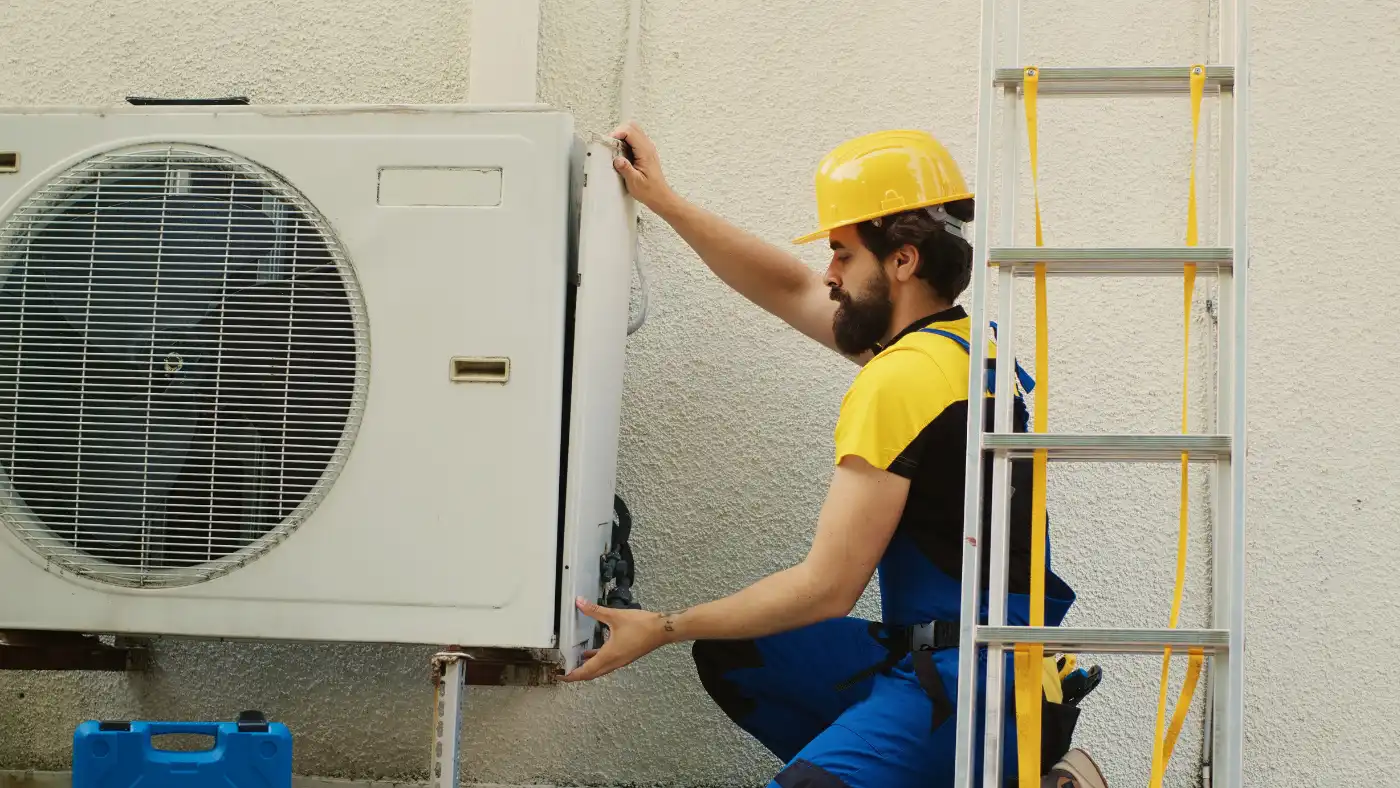
Credit: www.housecallpro.com
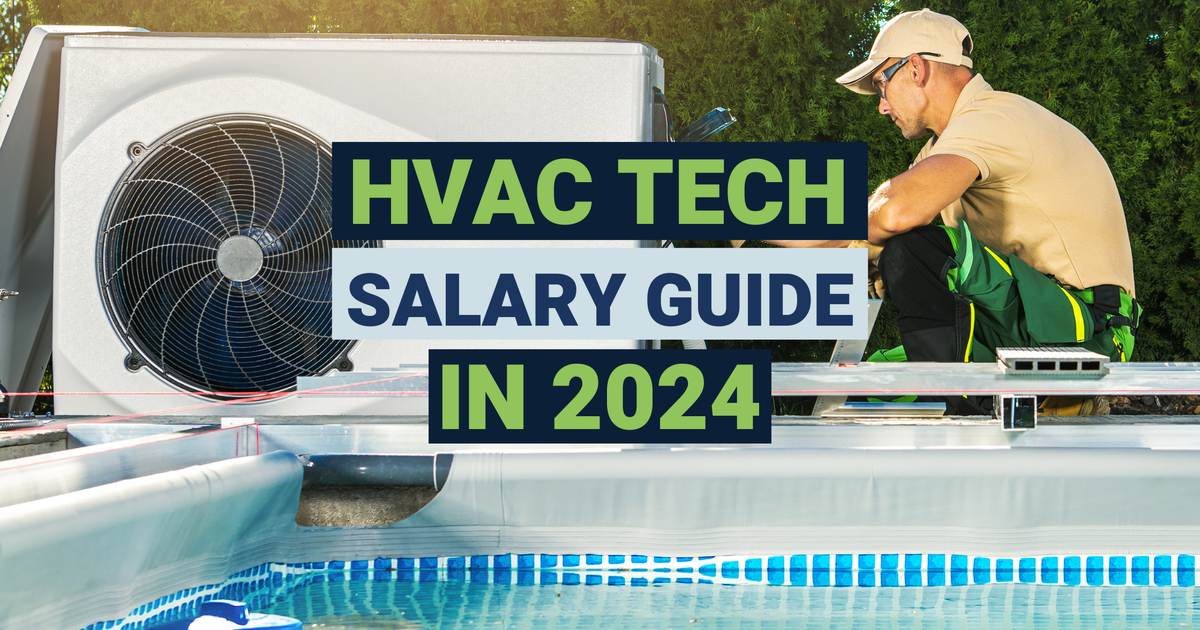
Credit: sbeodyssey.com
Frequently Asked Questions
Is Hvac A Stable And Growing Career Choice?
Yes, HVAC is a stable career with strong job growth. Demand rises due to new construction and maintenance needs. Skilled HVAC technicians are essential for comfortable, energy-efficient buildings.
What Skills Are Needed For A Career In Hvac?
HVAC careers require technical skills, problem-solving, and customer service. Understanding heating, cooling, and ventilation systems is crucial. Hands-on experience and certifications boost job prospects.
How Much Can You Earn In The Hvac Industry?
HVAC salaries vary by location and experience. Entry-level technicians earn moderate wages, while experienced professionals and specialists earn higher incomes. Benefits and overtime can increase overall pay.
What Are The Typical Work Environments For Hvac Technicians?
HVAC technicians work indoors and outdoors in residential, commercial, and industrial settings. The job may involve physical activity, troubleshooting, and repairing equipment in varied conditions.
Conclusion
Choosing a career in HVAC offers steady work and good pay. The field needs skilled workers who solve real problems daily. Training is clear and not too long. Jobs exist in many places, indoors and outdoors. You learn useful skills that last a lifetime.
HVAC work can keep you busy all year. It suits people who like hands-on tasks. If you want a reliable job with growth, HVAC fits well. Simple, practical, and in demand—this career makes sense.



