
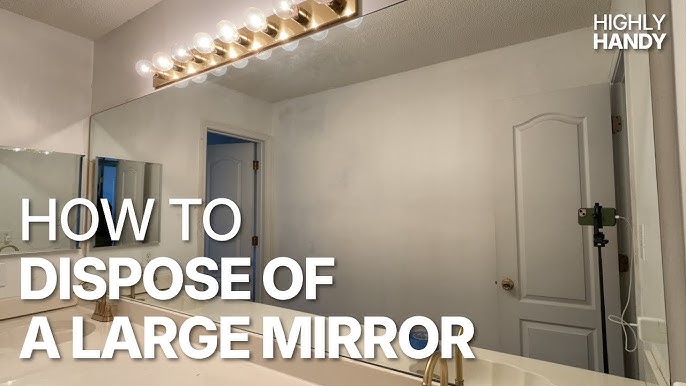
Removing a large bathroom wall mirror might seem like a tough job, but with the right steps, you can do it safely and easily. If you’re planning to update your bathroom or fix a broken mirror, knowing how to take it down without damaging your walls is key.
In this guide, you’ll discover simple tricks and expert tips that make the process smooth and stress-free. Keep reading—you’re just a few steps away from transforming your space without the hassle.

Credit: www.youtube.com
Tools And Materials Needed
Removing a large bathroom wall mirror requires the right tools and materials. Having these ready makes the job safer and easier. Proper tools protect you and prevent damage to your walls.
Gather everything before you start. This saves time and keeps the process smooth. Use tools designed for handling glass and wall fixtures.
Protective Gear
- Safety gloves to protect your hands from sharp edges
- Safety goggles to shield your eyes from glass shards
- Long-sleeve shirt to protect your arms
Basic Tools
- Utility knife to cut through caulk or adhesive
- Putty knife or thin pry bar to gently lift the mirror
- Painter’s tape to secure the mirror surface and prevent shattering
- Measuring tape to check mirror dimensions and placement
- Stud finder to locate wall studs behind the mirror
Additional Supplies
- Drop cloth or old blanket to protect the floor
- Masking tape to mark areas on the mirror
- Adhesive remover for cleaning leftover glue or caulk
- Assistance from a second person for safety and support

Credit: www.youtube.com
Preparing The Area
Clear the space around the mirror to avoid accidents. Lay down a drop cloth to protect the floor from glass shards or dust. Ensure good lighting and have all tools ready before starting.
Preparing the area is the first step in removing a large bathroom wall mirror. This ensures safety and protects your bathroom from potential damage. Proper preparation also makes the task smoother and less stressful.Clearing The Space
Start by removing all items around the mirror. Take away toiletries, towels, and decorations. Clear the countertop and any shelves nearby. This prevents accidents and gives you room to work. You should also ensure the floor is free of clutter.Protecting Surfaces
Cover the bathroom floor with a drop cloth or old blanket. This shields against falling glass or debris. Use painter’s tape to protect nearby walls and fixtures. Tape cardboard over the sink and countertop for added safety. This helps avoid scratches and keeps your surfaces in good condition.Safety Precautions
Removing a large bathroom wall mirror can be tricky and potentially dangerous if you don’t take the right safety precautions. Before you start, think about the risks involved. Glass can shatter, and heavy mirrors can fall, causing injury or damage to your bathroom.
Wearing Protective Gear
Always wear thick gloves to protect your hands from sharp edges or broken glass. Safety goggles are a must to shield your eyes from any unexpected shards or dust.
Consider wearing long sleeves and sturdy shoes to avoid cuts and bruises. I once skipped gloves during a small mirror removal and ended up with a painful cut that took weeks to heal. Don’t make the same mistake.
Ensuring Proper Support
Large mirrors are heavy and awkward to handle alone. Before loosening anything, have a helper support the mirror to prevent it from slipping or falling.
Use painter’s tape to create a grid on the mirror’s surface—this can help hold glass pieces together if it cracks. Also, think about placing a soft blanket or towel beneath the mirror to cushion any accidental drops.
Loosening The Mirror
Loosening a large bathroom wall mirror can feel intimidating, especially if it’s been fixed in place for years. Taking your time to carefully loosen it helps prevent damage to both the mirror and your wall. Understanding what holds the mirror in place is key before you start pulling or prying.
Checking For Adhesives Or Clips
First, examine the edges of the mirror closely. Look for any clips, brackets, or visible screws that might be securing the mirror to the wall. These clips are often metal or plastic and can sometimes be hidden behind a decorative frame or paint.
If you don’t see clips, the mirror might be glued directly to the wall with strong adhesive. Adhesive can be stubborn, so gently tapping near the edges with a utility knife can help you detect if the mirror is sealed tightly. Be cautious not to scratch the glass.
Have you ever tried to remove something glued down only to realize it was stronger than expected? Recognizing the type of attachment early will save you from unnecessary damage and frustration.
Using The Right Removal Techniques
Once you know how the mirror is attached, select the best tool for loosening it. For mirrors held by clips, carefully unscrew or unclip them using a screwdriver or pliers. Keep a hand on the mirror to prevent it from falling as you remove the fasteners.
If adhesive is the culprit, try using a thin, flexible wire or a nylon cutting tool to slide behind the mirror and cut through the glue. Work slowly and patiently to avoid cracking the glass. Heat can also soften some adhesives—using a hairdryer on low heat directed at the edges can make the process easier.
Don’t rush this step. Have a helper support the mirror while you work, especially if it’s large and heavy. What could be your biggest challenge when loosening your mirror? Often, it’s patience and the right tools that make the difference.
Removing The Mirror
Removing a large bathroom wall mirror requires care and patience. The mirror is heavy and fragile. Handling it correctly prevents accidents and damage. Proper techniques make the task safer and easier. Follow these tips to remove the mirror smoothly.
Lifting And Handling
Prepare the area by clearing space around the mirror. Wear thick gloves to protect your hands. Ask someone to help with lifting. Hold the mirror firmly at both sides. Lift slowly and steadily to avoid sudden movements. Keep the mirror upright during removal. Avoid tilting or twisting to prevent cracks. Place the mirror on a soft, flat surface once removed.
Preventing Damage
Cover the mirror’s edges with masking tape to reduce chipping. Use a thick blanket or foam padding to cushion it. Remove any screws or clips carefully before lifting. Check for glue or adhesive and gently loosen it with a putty knife. Do not force the mirror off the wall. Inspect the mirror for cracks or weak spots before moving. Store the mirror in a safe spot until ready to reinstall or dispose of it.
Cleaning Up After Removal
Cleaning up after removing a large bathroom wall mirror is crucial for safety and preparing the space for future use. This process involves careful disposal of materials and proper wall care. A clean and smooth wall ensures easy installation of new fixtures or fresh paint without issues.
Disposing Of Materials Safely
Handle broken glass with care. Wear thick gloves and use a broom to sweep shards into a dustpan. Place glass pieces in a sturdy container or wrap them in heavy paper. Do not throw glass directly into regular trash bags.
Remove leftover adhesive and mounting strips carefully. Use a scraper to lift glue without damaging the wall. Dispose of these materials in accordance with local waste rules. Avoid leaving debris on the floor to prevent accidents.
Preparing The Wall For Future Use
Inspect the wall for holes, cracks, or damage caused by the mirror removal. Fill holes with spackle or wall filler. Smooth the surface with sandpaper once dry.
Clean the entire wall area with a mild detergent and water. This step removes dust and adhesive residue. Let the wall dry completely before painting or mounting anything new.

Credit: www.angi.com
Frequently Asked Questions
How Do I Safely Remove A Large Bathroom Wall Mirror?
First, protect the area with drop cloths. Use gloves and safety glasses. Score adhesive edges with a utility knife. Gently pry the mirror from the wall with a putty knife or wire. Have a helper support the mirror’s weight during removal.
What Tools Are Needed To Remove A Bathroom Mirror?
You will need safety gloves, safety glasses, a utility knife, putty knife, wire or dental floss, painter’s tape, and a drop cloth. These tools help safely cut adhesive and support the mirror while minimizing damage to the wall.
Can I Remove The Mirror Without Damaging The Wall?
Yes, carefully score around the mirror edges first. Use gentle prying tools like a putty knife or wire. Work slowly with a helper. Avoid pulling too hard to prevent drywall damage. Patch any small holes with spackle after removal.
How Do I Handle Mirror Adhesive During Removal?
Score the adhesive edges with a utility knife. Use dental floss or wire saw to cut through adhesive behind the mirror. Apply gentle pressure to separate the mirror from the wall. Clean leftover adhesive with adhesive remover or rubbing alcohol.
Conclusion
Removing a large bathroom wall mirror can seem tough. Take your time and follow safety steps carefully. Use the right tools and work with a helper for best results. Clean the area well after removal. This helps avoid damage and keeps your space neat.
Now, you can easily replace or update your bathroom mirror. Simple steps lead to a smooth process. Stay safe and enjoy your refreshed bathroom look.



