
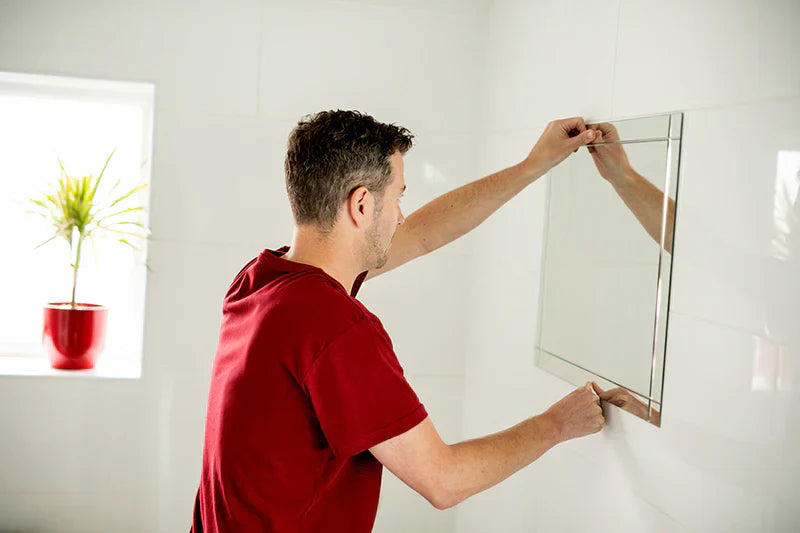
Hanging a heavy mirror on your wall might seem tricky, but with the right steps, you can do it safely and beautifully. You want your mirror to stay put without damaging your walls or risking a fall.
Imagine how great it will look perfectly positioned, adding style and light to your space. In this guide, you’ll discover simple tips and tools that make the job easier than you think. Keep reading, and you’ll learn exactly how to hang your heavy mirror with confidence and ease.
Choosing The Right Mirror
Choosing the right mirror is crucial before you start hanging it on your wall. The mirror’s size, weight, and frame type affect not only the installation process but also the safety and aesthetics of your space. Taking a moment to evaluate these factors can save you from damage and frustration later on.
Assessing Mirror Weight And Size
Knowing the weight of your mirror helps you pick the right hardware for hanging. Lightweight mirrors can often be hung with simple hooks, but heavy mirrors require stronger anchors or wall studs for support.
Consider the size too—large mirrors might look stunning but they also need more secure mounting. Have you measured the wall space accurately? A mirror that’s too big can overwhelm a room or become a hazard if not properly supported.
Use a scale or check the product specifications to find the exact weight. If the mirror is over 15 pounds, plan to use heavy-duty anchors or screws that go into wall studs. Don’t guess; your safety depends on accurate information.
Selecting Mirror Frame Types
The frame around your mirror affects both its style and how you hang it. Thin metal or frameless mirrors are often lighter but may have fewer hanging options. Thick wooden or ornate frames add weight and need sturdier fixtures.
Think about the frame’s material and construction. Some frames come with built-in hanging hardware, while others require you to add your own. You might need D-rings, wire, or brackets depending on the design.
Ask yourself: does the frame add significant weight? Will the hanging hardware hold up over time? Choosing a frame that matches your wall’s strength and your hanging skills makes the whole process smoother and safer.
Gathering Necessary Tools
Gather tools like a drill, stud finder, level, measuring tape, screws, and heavy-duty wall anchors. Having everything ready makes hanging a heavy mirror safer and easier. Choose tools that fit your wall type and mirror weight.
Gathering the right tools is crucial before hanging a heavy mirror. Proper tools ensure the mirror stays securely on the wall. It also prevents accidents and damage. Let’s explore what you need.Essential Hanging Tools
To hang a heavy mirror, gather essential tools. A measuring tape helps find the right spot. Use a pencil to mark the wall. Get a level to ensure the mirror hangs straight. A stud finder locates wall studs for extra support. Anchors and screws are vital for secure hanging. Have a drill handy for making holes.- Measuring tape
- Pencil
- Level
- Stud finder
- Anchors and screws
- Drill
Safety Gear To Use
Safety is important while working on projects. Wear safety glasses to protect your eyes. Use gloves to keep your hands safe. A dust mask is useful if drilling creates dust. Ensure a sturdy ladder or step stool is available. It helps reach higher spots without strain.- Safety glasses
- Gloves
- Dust mask
- Sturdy ladder or step stool
Preparing The Wall
Preparing the wall is a crucial part of hanging a heavy mirror safely and securely. You need to understand the structure behind your wall and plan exactly where to place the mirror’s support. Skipping this step can lead to damage to your wall and an unstable mirror that could fall.
Locating Studs And Wall Material
Start by finding the studs in your wall—they provide the strongest support. Use a stud finder to scan the wall surface. If you don’t have one, tap the wall lightly and listen for a solid sound versus a hollow one.
Also, take note of your wall material. Drywall, plaster, or brick all require different hanging techniques and hardware. Knowing this helps you choose the right anchors or screws that can hold your mirror’s weight.
Marking Hanging Points
Once you locate the studs, mark the points where your mirror’s hooks or brackets will go. Measure the mirror’s hanging hardware distance precisely, then transfer these measurements to the wall with a pencil.
Double-check the height and level before drilling or hammering. A simple laser level or even a spirit level can prevent the frustration of a crooked mirror. Have you ever seen a heavy mirror slightly tilted? It’s an easy mistake to fix before you start hanging.

Credit: www.yahoo.com
Selecting Proper Anchors
Selecting the proper anchors is crucial when hanging a heavy mirror on your wall. The right anchor ensures your mirror stays secure and prevents damage to your wall. Choosing anchors without considering the wall type or mirror weight can lead to accidents or costly repairs.
Types Of Wall Anchors
There are several types of wall anchors available, each designed for specific weights and wall materials. Here are some common options:
- Plastic Expansion Anchors:Suitable for light to medium loads on drywall. They expand inside the wall as you insert the screw.
- Molly Bolts:Metal anchors that spread behind the wall for a strong hold. Great for medium-heavy items on drywall or plaster.
- Toggle Bolts:Offer the strongest hold for heavy items by using spring-loaded wings that open behind the wall.
- Self-Drilling Anchors:Easy to install and good for medium loads, these anchors screw directly into drywall without pre-drilling.
- Concrete or Masonry Anchors:Designed specifically for brick, concrete, or stone walls, providing a firm grip where other anchors fail.
Knowing these options helps you pick an anchor that can handle your mirror’s weight safely.
Choosing Anchors Based On Wall Type
Different walls require different anchors. Drywall, plaster, brick, and concrete all behave differently under weight.
| Wall Type | Recommended Anchors | Why |
|---|---|---|
| Drywall | Toggle bolts, molly bolts, self-drilling anchors | Drywall is fragile and needs anchors that spread the load behind the wall |
| Plaster | Molly bolts, toggle bolts | Plaster can crack easily; spreading the load reduces damage |
| Brick or Concrete | Concrete anchors, sleeve anchors, expansion anchors | These walls are dense and require heavy-duty anchors drilled into the surface |
Have you ever tried hanging a heavy mirror on drywall without proper anchors? The wall probably gave way or left ugly holes. Choosing the right anchor based on your wall type prevents this hassle and keeps your mirror perfectly stable.
Installing Hardware
Installing the right hardware is crucial to safely hang a heavy mirror. Using proper anchors and hooks ensures your mirror stays secure and your wall remains undamaged. Let’s dive into how to prepare your wall and attach the hardware correctly.
Drilling And Inserting Anchors
Start by choosing anchors that match your wall type and the mirror’s weight. Drywall anchors work well for lighter mirrors, but for heavy mirrors, toggle bolts or molly bolts provide stronger support.
Mark the spots where you want to drill, making sure they align with the mirror’s hanging points. Use a drill bit slightly smaller than the anchor size to create a snug fit. Drill straight into the wall to avoid angled holes that weaken the hold.
After drilling, gently tap the anchors into the holes until they sit flush with the wall surface. This step is key because loose anchors can cause your mirror to fall unexpectedly. Have you ever seen a mirror crash because of poor anchoring? Avoid that by taking your time here.
Attaching Hooks And Brackets
Once anchors are set, attach the hooks or brackets that will hold the mirror. Choose hardware rated for more weight than your mirror to add an extra margin of safety.
Screw the hooks or brackets firmly into the anchors, making sure they don’t wiggle. If you notice any movement, tighten the screws or try a different anchor. A stable hook is the foundation of a secure hanging.
If your mirror has D-rings or wire, check that the hooks or brackets accommodate them properly. Misaligned hardware can put uneven pressure on the mirror frame, risking damage.
Remember, the goal is stability and safety, not just aesthetics. Would you rather have a mirror that looks perfect but falls, or one that’s slightly less perfect but stays put? The choice is yours.
Credit: kmccberwick.ca
Hanging The Mirror
Hanging a heavy mirror requires more than just finding the right spot on your wall. It demands careful handling and precise positioning to ensure safety and achieve a stunning display. Let’s focus on the crucial moments of lifting and securing your mirror, so it stays put and looks perfect.
Lifting Techniques For Heavy Mirrors
Lifting a heavy mirror calls for teamwork or smart tools. Never try to lift it alone; the weight and awkward shape can lead to accidents or damage. Use a sturdy pair of gloves to improve your grip and protect your hands from sharp edges.
Keep the mirror close to your body while lifting to reduce strain. Bend your knees, not your back, to avoid injury. If possible, use a lifting strap or ask a friend to help balance the mirror evenly.
Have you considered the path you’ll take before you lift? Clear the area to avoid tripping or bumping into furniture. Planning your route makes the process smoother and safer.
Aligning And Securing The Mirror
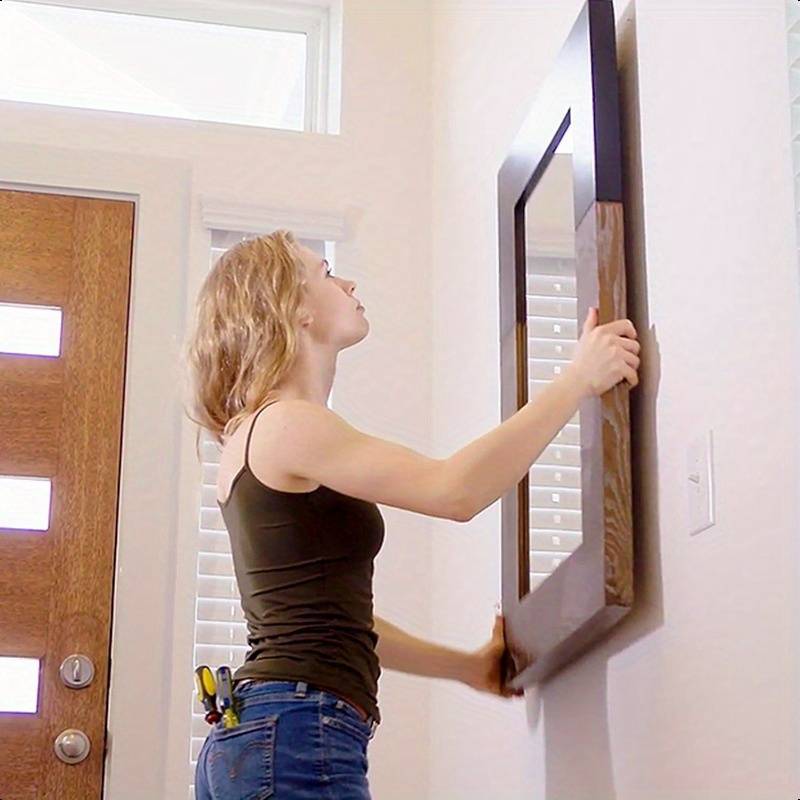
Once you’ve lifted the mirror, the next challenge is aligning it perfectly on the wall. Start by marking the desired height and position with a pencil. Using a level can help ensure your mirror isn’t crooked—small adjustments here make a big difference in the final look.
Choose the right hardware for your wall type—anchors, screws, or heavy-duty hooks work best for heavy mirrors. Secure the hardware firmly, testing each anchor’s strength before hanging the mirror. If your wall is drywall, consider using toggle bolts for extra support.
Do you know the mirror’s hanging mechanism? Some use D-rings, wire, or brackets. Make sure the hardware on the wall matches the mirror’s hanging points. After hanging, gently test the mirror’s stability by applying slight pressure—if it shifts, tighten the hardware or reposition the supports.
Safety Tips And Maintenance
Hanging a heavy mirror isn’t just about finding the right spot and hardware. Ensuring safety and maintaining the mirror’s stability over time is just as crucial. Neglecting this can lead to accidents or damage, which no one wants.
Regular Checks For Stability
Once your mirror is mounted, don’t assume it’s set for good. Check the mirror’s hooks, brackets, and wall anchors regularly to make sure everything is tight and secure.
A quick monthly inspection can reveal if screws are loosening or if the wall is showing signs of stress. Have you ever noticed a slight tilt or wobble? That’s a clear sign it needs attention.
Keeping a small checklist or reminder can help you stay consistent with these checks. Your safety depends on it.
Preventing Damage Over Time
Heavy mirrors can cause wear and tear on walls, especially if they’re exposed to moisture or direct sunlight. Protect the wall by using appropriate backings or pads behind the mirror frame to avoid scratches or discoloration.
Also, consider the environment around your mirror. Placing it away from humid areas like bathrooms can prevent warping or rust on metal parts.
Think about how often you dust the mirror and clean the frame. Dirt buildup can weaken mounts and affect the mirror’s overall condition. How often do you take time to maintain your wall hangings?

Credit: ledmirrorworld.co.uk
Frequently Asked Questions
What Tools Are Needed To Hang A Heavy Mirror?
You need a drill, stud finder, level, measuring tape, screws, anchors, and a strong hanging wire. These tools ensure safe and secure mirror installation on your wall.
How Do I Find The Right Wall Studs?
Use a stud finder to locate wooden studs behind drywall. Mark their positions with a pencil to anchor the mirror securely.
Can I Hang A Heavy Mirror On Drywall Alone?
No, drywall alone cannot support heavy mirrors. Use wall anchors or find studs to distribute the mirror’s weight safely.
What Type Of Anchors Work Best For Heavy Mirrors?
Toggle bolts and molly bolts are strong anchors. They provide secure support when you cannot mount directly into studs.
Conclusion
Hanging a heavy mirror does not have to be hard. Choose the right tools and find strong wall spots. Measure carefully and use proper anchors or hooks. Take your time and work step-by-step. This helps keep the mirror safe and your wall undamaged.
A well-hung mirror adds beauty and light to any room. Now, you can hang your mirror with confidence and care. Enjoy the new look and the extra space it creates. Simple steps make a big difference.



