
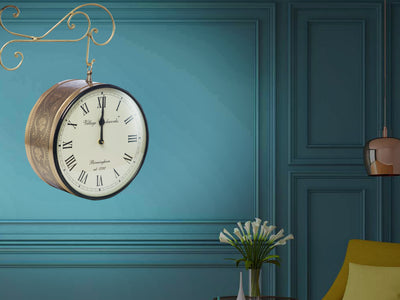
Are you wondering how to make your antique wall clock the star of your room? Decorating with an antique clock isn’t just about hanging it on the wall—it’s about creating a space that tells a story.
Your clock holds history, charm, and character, and with the right touches, it can transform your home’s vibe. You’ll discover simple yet powerful ways to highlight your antique clock, turning it into a stunning focal point that draws attention and sparks conversation.
Ready to bring timeless elegance into your space? Let’s dive in.

Credit: vaaree.com
Choosing The Right Antique Clock
Choosing the right antique wall clock can bring charm and character to any room. It involves more than just picking a beautiful piece. The clock should fit your space, style, and budget. Careful selection adds value and enhances your decor.
Types Of Antique Wall Clocks
Antique wall clocks come in various styles and designs. Some popular types include:
- Grandfather clocks – tall and elegant, perfect for large rooms.
- Cuckoo clocks – known for their intricate carvings and bird sounds.
- Regulator clocks – precise and simple, often with a pendulum.
- Schoolhouse clocks – classic and functional, suited for kitchens or offices.
- Bracket clocks – smaller and decorative, ideal for shelves or mantels.
Each type has a unique look and history. Choose one that matches your personal taste and room style.
Authenticity And Value
Confirm the clock’s authenticity before buying. Genuine antiques have specific marks and craftsmanship. Check for maker’s signatures or dates on the clock face or movement.
Condition affects value too. Look for original parts and minimal damage. Repairs or replacements can lower worth. Authentic clocks often appreciate over time and become family heirlooms.
Matching Clock Size To Space
Size matters when placing an antique clock. A large clock can overwhelm a small wall. A tiny clock may look lost on a big surface.
Measure your wall space first. Allow extra room around the clock for balance. Consider the clock’s depth to avoid crowding furniture or walkways.
Proper size enhances the clock’s beauty and room harmony.
Placement Ideas For Antique Clocks
Placing an antique wall clock thoughtfully enhances your room’s style. Its vintage charm draws attention and adds character. The right spot makes the clock stand out and complements your décor.
Focal Point Walls
Choose a plain wall to create a focal point with your antique clock. A single clock on an empty wall attracts eyes easily. Surround it with soft lighting to highlight its details. Avoid clutter to keep the clock as the main feature.
Above Mantels And Shelves
Position your antique clock above a mantel or shelf for balance. It pairs well with candles, photo frames, or small plants. Keep the area tidy to let the clock shine. This spot adds warmth and nostalgia to living spaces.
Entryway Statements
Place the antique clock in the entryway to welcome guests. It creates a timeless first impression. Match it with a small table or mirror for a stylish look. The clock sets a classic tone for the home right at the door.
Complementary Decor Styles
Antique wall clocks blend well with rustic, vintage, and traditional decor styles. Pair them with wooden furniture and soft lighting to create a warm, timeless atmosphere. Mixing textures and colors keeps the space cozy yet elegant.
Decorating with an antique wall clock can transform a room, adding charm and character. The key is to pair it with complementary decor styles that highlight its uniqueness. Whether you lean towards vintage, modern, or an eclectic mix, there’s a way to seamlessly integrate an antique wall clock into your space.Vintage And Rustic Themes
If you love the warmth of aged wood and the stories told by weathered surfaces, a vintage or rustic theme is ideal. Think about pairing your antique wall clock with distressed wooden furniture or an old leather armchair. Add texture with soft throws and layered rugs, creating a cozy, lived-in feel. Consider using muted colors like ochre, sage, or dusty rose to complement the clock’s patina. A gallery wall of vintage frames or mirrors can enhance the theme, making the clock a focal point. Remember, the goal is to create a cohesive look that feels timeless.Modern And Minimalist Blends
You might wonder how an antique clock fits into a modern setting. The answer lies in contrast. A sleek, minimalist space can gain depth and intrigue with the addition of an antique clock. Its ornate details stand out against clean lines and neutral palettes. Place it on a stark white wall or above a simple console table. Use it as a statement piece, allowing it to draw the eye without overwhelming the space. Accentuate the clock’s features with subtle metallic accents or a single piece of abstract art nearby.Eclectic Mixes
For those who enjoy a bit of everything, an eclectic mix offers creative freedom. Combine various styles and periods to create a unique look. Your antique clock can be the bridge between disparate elements, tying together modern art, bohemian textiles, and mid-century furniture. Experiment with bold colors and patterns, using the clock as a grounding element. Layer items of different heights and textures around it, creating a dynamic visual story. Ask yourself: how can this clock connect the dots between my favorite pieces? Mixing styles can be daunting, but trust your instincts. If you love each piece, they will find a way to coexist harmoniously.Color Palettes To Enhance Clocks
Choosing the right color palette can greatly enhance the beauty of an antique wall clock. The colors around the clock set the mood and highlight its vintage charm. Select hues that complement the clock’s design and materials. This makes the clock a stunning focal point in any room.
Different color schemes create different effects. Some bring warmth and coziness, while others add sharp contrast or bold energy. Here are some effective palettes to try.
Warm Earth Tones
Warm earth tones create a cozy and inviting atmosphere. Shades like terracotta, burnt sienna, and soft browns blend well with wooden clocks. These colors echo the natural materials often found in antiques. They add depth and warmth without overpowering the clock’s details.
- Use beige or cream walls for a soft background.
- Add rust or mustard cushions nearby for warmth.
- Incorporate wooden furniture to tie the look together.
Contrasting Neutrals
Contrasting neutrals highlight the clock’s shape and features. Dark gray or charcoal walls make light-colored clocks pop. White or pale gray walls work well with darker antique clocks. This palette creates a clean, modern backdrop that respects the clock’s vintage style.
- Combine black picture frames or shelves to add contrast.
- Use metal accents in silver or brass for a refined look.
- Keep surrounding décor minimal to keep focus on the clock.
Bold Accent Colors
Bold accents bring energy and personality to the space. Deep blues, forest greens, or rich reds create a striking setting. These colors can highlight unique clock details and make the clock stand out. Use bold hues sparingly to avoid overwhelming the room.
- Paint one wall in a bold color behind the clock.
- Add colorful rugs or curtains that complement the accent shade.
- Balance with neutral furniture to keep the room harmonious.
Lighting To Highlight Antique Clocks
Lighting plays a crucial role in showcasing the beauty and craftsmanship of an antique wall clock. The right lighting not only draws attention to its intricate details but also enhances the overall ambiance of your space. Understanding how to use light effectively can transform your antique clock from a mere timepiece to a striking focal point in your room.
Natural Light Benefits
Natural light brings out the true colors and textures of an antique clock without altering its appearance. Positioning your clock near a window can reveal the fine wood grains and delicate metalwork beautifully. However, be mindful of direct sunlight, which can cause fading or damage over time.
Have you noticed how a morning glow highlights certain details you might miss otherwise? Using curtains or blinds to diffuse harsh sunlight keeps your clock safe while still benefiting from natural illumination.
Accent Lighting Options
Accent lighting can focus attention on your antique clock, making it a standout piece even in dim rooms. Small LED spotlights or track lights angled toward the clock provide controlled brightness without overwhelming the space.
- Use warm white bulbs to maintain the clock’s vintage feel.
- Consider battery-operated puck lights if wiring is an issue.
- Wall sconces placed strategically can add elegance and direct light effectively.
Choosing adjustable fixtures lets you experiment with angles and intensity until you find the perfect highlight.
Avoiding Glare And Shadows
Glare can obscure the clock face, making it hard to read and diminishing its visual appeal. Position lights so they do not reflect directly off glass surfaces.
Shadows can either add depth or create distracting dark spots around the clock. Try multiple light sources from different angles to soften harsh shadows.
Ask yourself: Is the clock clearly visible from various parts of the room, or do reflections and shadows interfere? Small adjustments in lighting placement can make a big difference in how your antique clock shines.
Maintaining And Restoring Antique Clocks
Maintaining and restoring antique wall clocks requires care and attention. These clocks hold history and charm that should be preserved. Proper upkeep keeps their beauty and function intact. Restoration can bring life back to worn parts without losing character. Understanding how to clean, restore, and protect original features helps maintain value and appeal.
Cleaning Tips
Use a soft cloth to gently dust the clock’s surface. Avoid harsh chemicals that can damage wood or metal. Mild soap and water work well for glass parts. Clean small crevices with a soft brush or cotton swab. Never soak the clock or use water on the movement. Regular dusting prevents buildup and keeps the clock looking fresh.
Professional Restoration
Complex repairs need expert hands. Professionals know how to handle delicate gears and springs. They can fix broken parts and adjust the mechanism for accurate timekeeping. Restoration experts use safe materials that match the original design. This service ensures the clock works well and keeps its antique value. Trust only skilled restorers with expensive or rare clocks.
Preserving Original Features
Keep original finishes and details intact as much as possible. Avoid repainting or refinishing unless absolutely necessary. Original dials, hands, and woodwork add to the clock’s charm and worth. Store the clock away from direct sunlight and moisture to prevent damage. Using gentle care methods protects these features for future generations to enjoy.
Incorporating Clocks In Different Rooms
Antique wall clocks bring character and warmth to any room. They create a timeless feel and become a focal point in your home. Placing these clocks thoughtfully enhances the room’s style and mood.
Each room offers a unique chance to showcase an antique clock. The design, size, and location can change how the clock complements the space.
Living Room Displays
In the living room, an antique clock adds charm and history. Place it above the fireplace or on a prominent wall. It draws attention and sparks conversation.
- Pair the clock with vintage furniture for a cohesive look.
- Use soft lighting to highlight its intricate details.
- Keep surrounding decor simple to let the clock stand out.
Dining Room Ambiance
An antique clock in the dining room sets a warm, inviting tone. Position it where guests can easily see it. The clock’s ticking adds a gentle rhythm during meals.
- Match the clock’s wood tone with the dining table.
- Choose clocks with elegant designs to enhance sophistication.
- Place near a buffet or sideboard for balanced decor.
Bedroom Charm
In the bedroom, an antique clock offers quiet elegance. Hang it above a dresser or near a reading nook. It adds personality without overwhelming the space.
- Select smaller clocks to keep the room cozy.
- Opt for clocks with soft colors or patina finishes.
- Combine with vintage frames or lamps for a complete look.
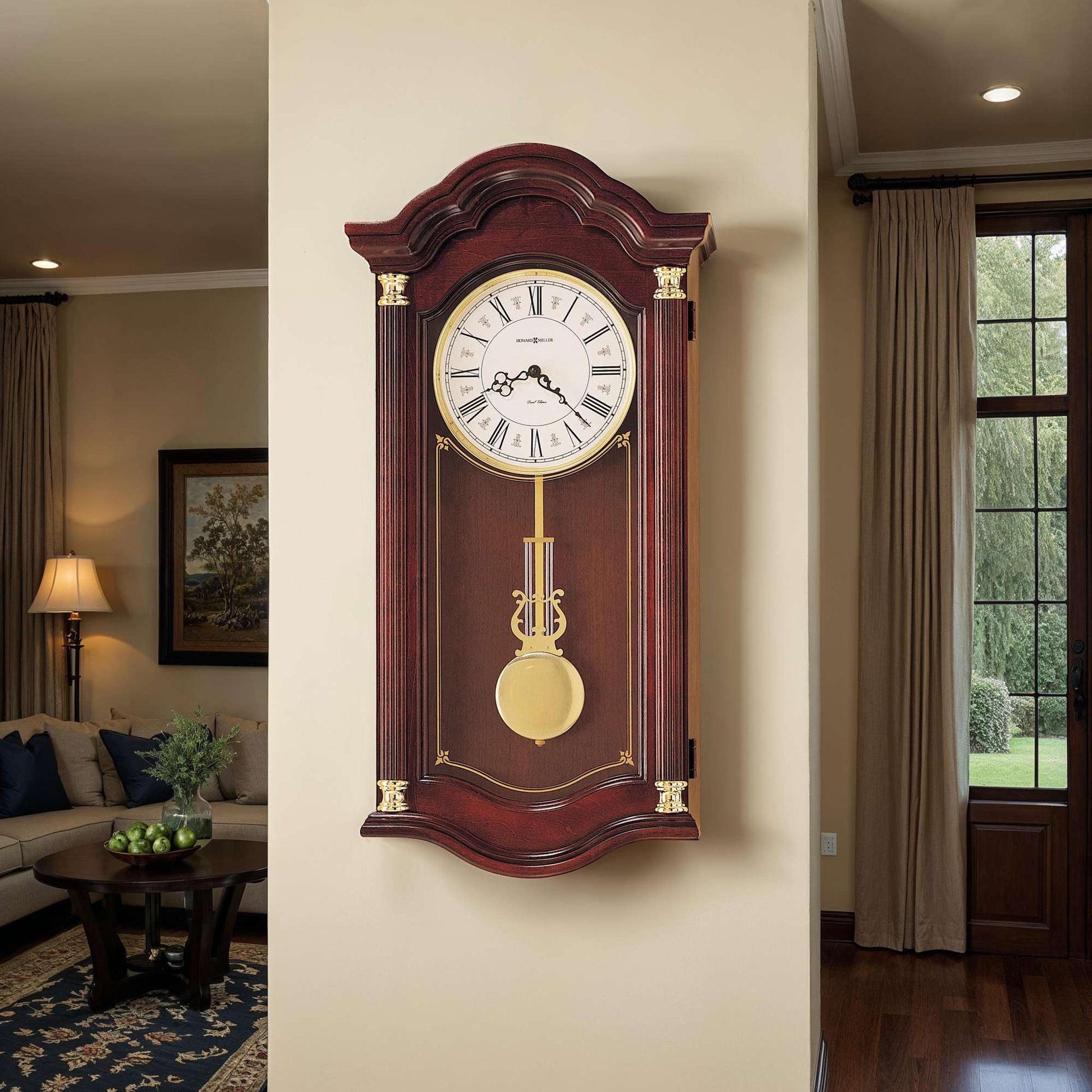
Credit: howardmiller.com
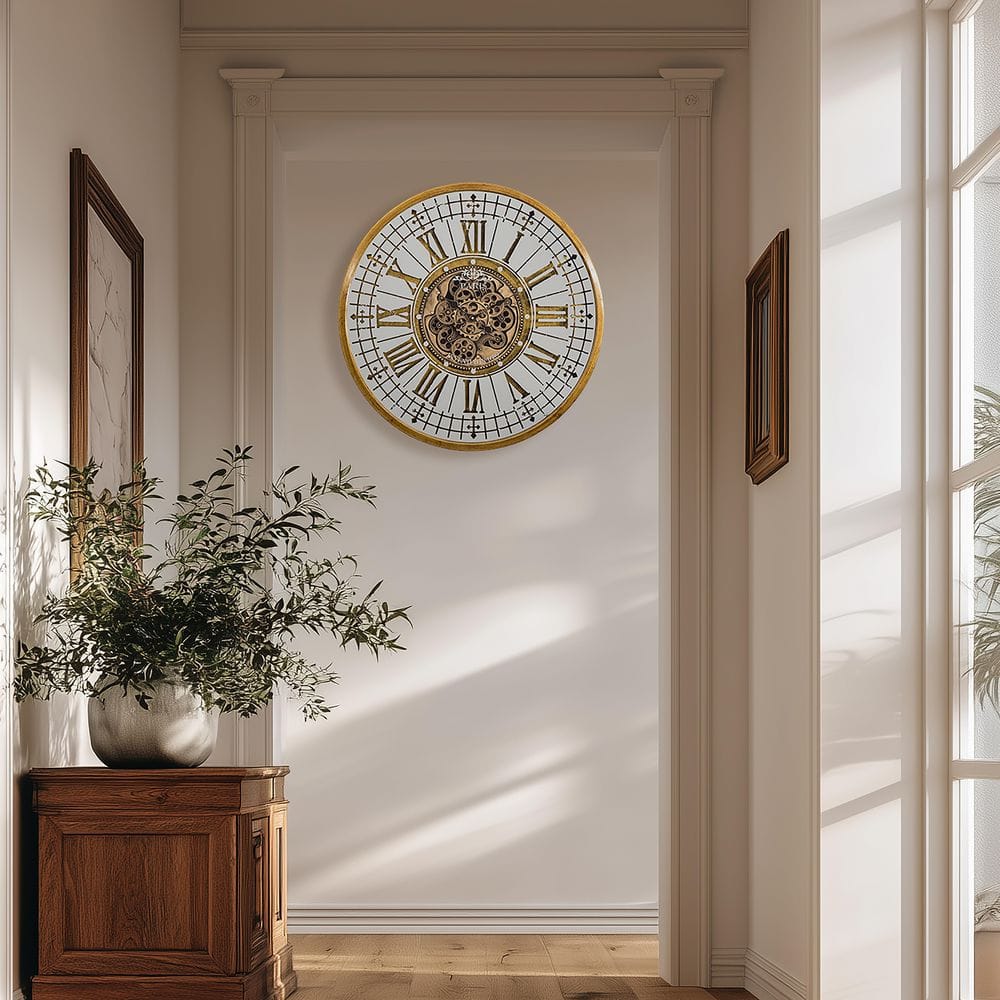
Credit: www.homedepot.com
Frequently Asked Questions
How To Choose The Perfect Spot For An Antique Wall Clock?
Select a visible wall area that complements the clock’s style. Avoid cluttered spaces and ensure proper lighting to highlight its beauty. Consider placing it above a mantel, in a hallway, or living room to enhance the decor.
What Decor Styles Suit Antique Wall Clocks Best?
Antique wall clocks blend well with vintage, rustic, shabby chic, and traditional decor styles. They add charm and character, creating a timeless, elegant look in any room.
How To Maintain An Antique Wall Clock’s Appearance?
Dust regularly with a soft cloth and avoid harsh chemicals. Keep it away from direct sunlight and humidity to preserve its finish and mechanism.
Can Antique Wall Clocks Serve As Focal Points In Rooms?
Yes, antique wall clocks naturally draw attention and can be the centerpiece of a room’s decor. Pair with complementary furnishings for a cohesive look.
Conclusion
Antique wall clocks add charm to any room. Place them where they catch the eye. Pair with simple decor to keep focus on the clock. Use soft lighting to highlight its details. Choose a spot that blends well with your style.
This creates a warm, timeless feel in your home. Decorating with an antique clock brings history alive. It’s a small touch that makes a big difference. Enjoy the unique beauty it adds every day.



