
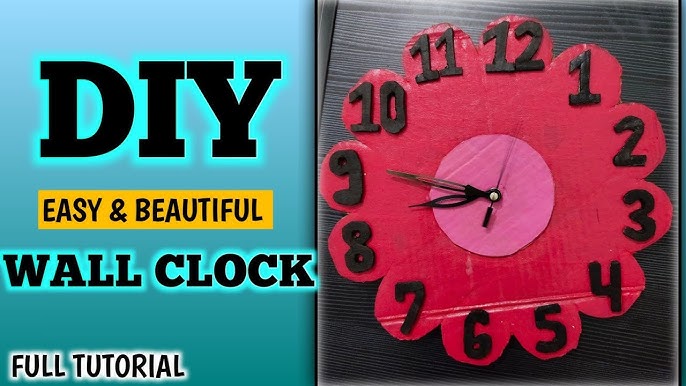
Have you ever wanted a unique wall clock that perfectly fits your style? Making your own wall clock is easier than you think.
Imagine creating a timepiece that not only tells time but also adds a personal touch to your home. In this guide, you’ll discover simple steps to craft a beautiful clock from scratch. By the end, you’ll have a one-of-a-kind clock that you can proudly display—and enjoy every time you check the hour.
Ready to start? Let’s dive in!
Materials Needed
Gathering the right materials is essential before you start making your wall clock. Having everything ready keeps your project smooth and enjoyable. Let’s look at the key materials you’ll need to bring your clock to life.
Choosing The Clock Mechanism
The clock mechanism is the heart of your wall clock. You can find quartz clock movements online or at craft stores. Choose one with clear instructions and the right size for your design.
Consider whether you want a ticking or silent sweep mechanism. Silent options are great if you want a noise-free environment. Also, check the battery type it requires to avoid surprises later.
Selecting The Clock Face
Your clock face sets the style and personality of the clock. You can use wood, metal, acrylic, or even repurpose materials like old vinyl records or cutting boards. Think about the durability and how it fits your room’s decor.
Decide if you want numbers, Roman numerals, or just markers. This choice affects both the look and how easy it is to read the time. Have you thought about customizing it with paint or decals?
Tools And Accessories
Besides the main parts, some basic tools are crucial for assembly. You’ll need a screwdriver, drill, ruler, and strong glue or mounting tape. A small hammer and nails might be useful depending on your clock’s frame.
Don’t forget the clock hands, which should match your clock face in size and style. Also, having a level helps ensure your clock hangs straight on the wall. What tools do you already have that could save you a trip to the store?

Credit: www.youtube.com
Design Ideas
Design ideas set the tone for your wall clock project. The style you choose can match your room’s mood and your personal taste. Simple shapes or bold themes make your clock a unique piece. Here are some popular design ideas to inspire your creation.
Modern Minimalist Styles
Modern minimalist clocks use clean lines and simple shapes. They often have no numbers or just small dots. Neutral colors like white, black, or gray fit well. Materials such as metal, glass, or smooth wood work best. These clocks blend easily with any décor.
- Use a plain round or square clock face.
- Choose slim, straight hands for a sleek look.
- Keep colors limited to one or two shades.
- Add subtle textures like matte or glossy finishes.
Rustic And Vintage Looks
Rustic and vintage clocks bring warmth and charm. They often show aged wood, metal, or distressed paint. Large numbers or Roman numerals add character. These clocks fit well in cozy or farmhouse-style rooms.
- Use reclaimed wood or distressed metal for the base.
- Choose classic clock hands with elegant curves.
- Add vintage details like old gears or faded prints.
- Try soft, earthy colors such as brown, beige, and cream.
Creative Themes And Shapes
Creative clocks break free from the usual round shape. They can look like animals, fruits, or abstract art. Themes can be fun, playful, or meaningful. These clocks become a conversation piece on your wall.
- Pick shapes that suit your hobbies or interests.
- Use bright colors or patterns to stand out.
- Incorporate unique materials like fabric, plastic, or paper.
- Add quirky numbers or no numbers for a bold style.
Step-by-step Assembly
Begin by gathering all clock parts and tools needed for assembly. Carefully attach the clock hands to the mechanism. Secure the mechanism inside the clock frame and insert batteries to start the clock.
Creating a wall clock is a fulfilling project that combines both creativity and functionality. Imagine having a unique piece hanging on your wall, crafted by your own hands. The process is straightforward if you follow a clear plan. Let’s dive into the step-by-step assembly process.Preparing The Clock Face
Start by selecting a sturdy material for your clock face. Wood, metal, or even a thick piece of cardboard can work wonders. Cut it into your desired shape and size. Sand the edges to ensure they are smooth and safe. You might want to paint or decorate it to match your room’s theme. This is where your personality shines through.Attaching The Mechanism
Purchase a reliable clock mechanism kit from a craft or online store. These kits usually come with all the necessary parts. Carefully read the instructions provided with your kit. Most mechanisms fit through a hole in the center of the clock face, securing with a nut.Fixing The Hands
Clock hands come in various styles and sizes. Choose ones that complement your clock face and personal style. Attach the hour hand first, followed by the minute hand. Ensure they are fixed firmly yet can move freely without obstruction.Adding Finishing Touches
Double-check that all parts are secure and functioning properly. You don’t want your masterpiece to fall apart! Consider adding embellishments like numbers, stickers, or even small trinkets. These personal touches make your clock truly one-of-a-kind. Have you ever thought about the impact of something as simple as a wall clock? It’s not just about telling time, but also about adding character to your space. Get creative and enjoy the process!
Credit: www.youtube.com
Painting And Decorating
Painting and decorating your wall clock is where creativity truly shines. This step not only enhances the clock’s appearance but also sets its mood and style. Whether you prefer bold colors or subtle shades, the right paint and decoration can transform a simple clock into a captivating centerpiece.
Choosing Paint Types
Choosing the right paint is essential for a smooth finish and durability. Acrylic paints are a popular choice because they dry quickly and come in many vibrant colors. If your clock will hang in a humid area like a kitchen or bathroom, consider enamel paint for its moisture resistance.
Think about the surface of your clock too. Wood, metal, and plastic each require different paint types or primers to ensure the paint sticks well. Have you checked what paint works best on your clock’s material?
Adding Patterns And Numbers
Patterns and numbers bring personality to your clock face. You can use stencils to create clean shapes or numbers if freehand painting feels tricky. Stripes, dots, or geometric shapes add a modern touch, while Roman numerals can give a classic look.
Try mixing colors for contrast to make the numbers stand out clearly. Remember, the goal is to keep your clock easy to read, so choose patterns that don’t overwhelm the numbers. What style will make your clock both beautiful and functional?
Sealing And Protecting
Sealing your paint job protects your hard work and keeps colors vibrant over time. A clear varnish or polyurethane finish works well to guard against scratches and fading. Choose a matte or glossy finish based on the look you want.
Apply the sealant in thin, even coats, allowing each layer to dry completely. This step adds longevity to your clock and keeps it looking fresh for years. Are you ready to give your clock a protective finish that lasts?
Mounting And Placement
Mounting and placement play a big role in how your wall clock looks and works. The right spot can make the clock easy to see and add style to your room. Take time to pick the best wall and use proper mounting methods. Also, think about how the clock fits with other decorations around it.
Choosing The Right Wall
Select a wall that is visible from many angles. Avoid places with strong sunlight to protect the clock from fading. Walls near seating or dining areas work well. Make sure the wall is flat and clean for easy mounting. A plain wall helps the clock stand out more.
Mounting Techniques
Use anchors or hooks that match your wall type. Drywall needs special anchors for strong support. For brick or concrete walls, use a drill and wall plugs. Hang the clock at eye level for easy reading. Check the clock is steady and does not tilt after hanging.
Styling Around The Clock
Arrange small pictures or shelves near the clock to create a gallery feel. Leave enough space so the clock does not look crowded. Use colors that match or contrast the clock for a balanced look. Avoid placing tall items that block the clock face. Let the clock be the main focus on the wall.
Troubleshooting Tips
Troubleshooting a wall clock can be simple with the right approach. Problems often arise from the mechanism, hands, or timing. Identifying the cause helps fix the issue quickly. Here are key tips to keep your clock working well.
Fixing Mechanism Issues
First, check the battery. Replace it if the clock stops working. Clean the mechanism gently using a soft brush to remove dust. Avoid using water or harsh chemicals. If the gears slip or stick, apply a tiny drop of light oil. Be careful not to over-lubricate. Ensure the mechanism fits tightly in the clock case. Loose parts cause errors or stop the clock.
Adjusting Clock Hands
Clock hands may touch or stick, causing the clock to stop. Gently bend the hands away from each other. Make sure they move freely without hitting the glass or each other. Tighten the center nut if the hands wobble. Avoid forcing the hands backward to set the time. Move them only forward for smooth operation.
Maintaining Accuracy
Keep the clock away from strong sunlight and humidity. Extreme conditions affect timekeeping. Regularly change the battery to avoid power drops. Set the time by moving the minute hand slowly. Check the clock against a reliable time source. Adjust the speed regulator if available, to correct slow or fast running. Small tweaks improve accuracy over days.

Credit: www.youtube.com
Frequently Asked Questions
What Materials Are Needed To Make A Wall Clock?
To make a wall clock, you need clock hands, a clock mechanism, a base (wood or acrylic), batteries, and adhesive. Optional materials include paint, numbers, and decorative elements for customization.
How Do I Assemble The Clock Mechanism?
Attach the clock mechanism to the base by inserting the spindle through the center hole. Secure it with the nut, then fix the clock hands in order: hour, minute, and second.
Can I Customize The Clock Design Easily?
Yes, you can customize your clock by painting the base, adding numbers, or using unique materials. Personal touches make your wall clock unique and stylish.
How Do I Ensure Accurate Timekeeping In My Clock?
Use a quality quartz clock mechanism and fresh batteries. Regularly check and adjust the time to maintain accuracy.
Conclusion
Making a wall clock is a fun and creative project. It lets you add a personal touch to your home. You only need a few materials and some patience. Each step brings you closer to a unique clock. Enjoy the process and learn as you go.
Your finished clock will show your style clearly. Try different designs to find what you like best. This simple craft can brighten any room easily. Start today, and watch your wall come alive!



