
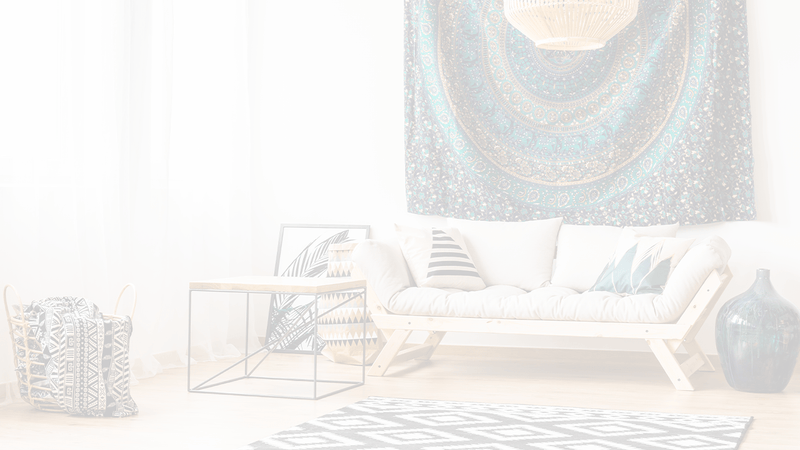
Are you ready to transform your plain walls into stunning focal points? Hanging a tapestry is one of the easiest and most creative ways to add color, texture, and personality to any room.
But if you’re unsure how to hang it properly, you might worry about damaging your walls or your beautiful tapestry. Don’t worry—this guide will show you simple, effective methods to hang your tapestry securely and stylishly. Keep reading, and you’ll discover tips that make your space look amazing while protecting both your walls and your artwork.
Credit: www.etsy.com
Choosing The Right Tapestry
Choosing the right tapestry is the first and most important step in creating a stunning wall display. Your choice affects not only the look of your room but also how easy it will be to hang and maintain the tapestry. Think about what you want your space to feel like and how the tapestry can support that vision.
Material And Size
Start by considering the material of the tapestry. Cotton and polyester blends are lightweight and easy to hang, while wool or heavier fabrics offer texture but may require stronger support.
Size matters just as much. A small tapestry can act as an accent piece, but a larger one can become the focal point of the room. Measure your wall space before buying to avoid surprises.
Have you ever chosen a tapestry only to realize it was too big or too small? Planning ahead saves you from that frustration.
Design And Color
Your tapestry’s design sets the mood of the room. Geometric patterns create a modern vibe, while floral or nature-inspired designs add warmth and calm.
Color plays a crucial role in tying your room’s decor together. Choose colors that complement your existing furniture and wall paint. Bold colors can energize a space, while neutrals keep it peaceful.
Think about the lighting in your room. Does the tapestry’s color look different in natural light versus artificial light? Testing this can help you pick the perfect shade.

Credit: www.youtube.com
Preparing Your Wall
Preparing your wall is a key step before hanging a tapestry. It ensures the tapestry stays secure and looks great. Taking time to prepare helps avoid damage to your wall and tapestry. Follow simple steps to get your wall ready.
Selecting The Spot
Choose a wall area that fits the size of your tapestry. Look for a smooth, flat surface without obstacles. Consider lighting and how the tapestry will complement the room. Avoid places with direct sunlight to prevent fading. Check for studs if you plan to use nails or hooks.
Cleaning And Measuring
Clean the wall using a damp cloth to remove dust and dirt. A clean surface helps tapestries stick better if you use adhesive hooks. Use a tape measure to mark the desired height and width. Mark spots lightly with a pencil for accurate placement. Double-check measurements before hanging to ensure balance and symmetry.
Hanging Methods
Decorating your walls with tapestry adds warmth and style to any room. Choosing the right hanging method ensures your tapestry stays secure and looks great. Each method offers unique benefits and suits different types of tapestries and wall materials.
Using Push Pins And Thumbtacks
Push pins and thumbtacks are easy to use and inexpensive. They work well with lightweight tapestries. Simply push them through the tapestry and into the wall. Use multiple pins for larger pieces. This method allows for easy adjustments and repositioning.
Command Strips And Hooks
Command strips and hooks provide a damage-free option. They are perfect for rented spaces. Attach the strips to the wall and press the tapestry onto the hooks. Ensure the weight of the tapestry matches the strip’s capacity. This method keeps your walls unmarked.
Wooden Dowels And Rods
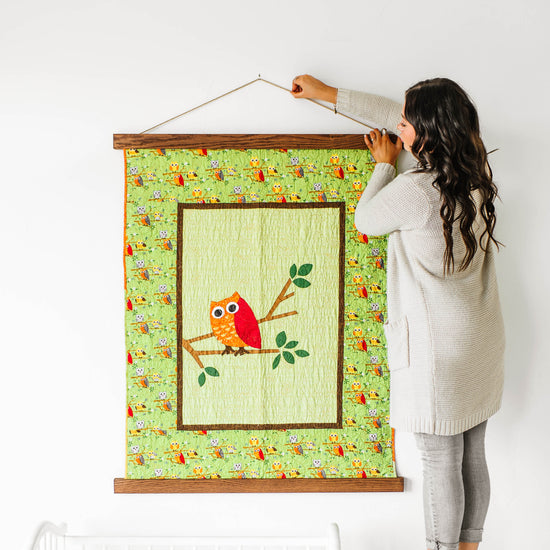
Wooden dowels and rods offer a classic look. Slide the tapestry onto the dowel. Hang the rod on wall brackets or hooks. This method adds a touch of elegance to your display. It works well with heavier tapestries.
Nail And Wire Techniques
Nail and wire techniques provide strong support. Attach a wire to the tapestry’s top corners. Hang the wire on nails driven into the wall. This method is ideal for large or heavy tapestries. Adjust the wire length to control the tapestry’s height.
Credit: quilthangers.com
Styling Tips
Styling your tapestry on the wall can transform any room instantly. It’s not just about hanging it up; it’s about making it work with your space and personality. Let’s dive into some styling tips that will help you turn your tapestry into a showstopper.
Creating A Focal Point
Your tapestry can become the centerpiece of your room. Choose a wall where it naturally draws attention, like above the sofa or the bed.
Keep the surrounding area simple to let the tapestry shine. Avoid clutter or busy patterns nearby. This helps your tapestry stand out and gives the room a clear visual anchor.
Have you tried using a bold tapestry on a neutral wall? It can completely change the vibe without overwhelming the space.
Layering With Other Wall Art
Don’t hesitate to mix your tapestry with other pieces of wall art. Smaller framed photos or paintings around the tapestry create depth and interest.
Use a mix of textures and sizes to make the wall feel curated and personal. For example, a wooden frame or metal accents can contrast nicely with the fabric.
Think about how your tapestry’s colors can complement or contrast with the other art. This balance keeps your wall visually exciting without chaos.
Lighting For Impact
Good lighting can make your tapestry pop. Use spotlights or wall sconces to highlight the fabric’s texture and colors.
Natural light also plays a big role. Position your tapestry where sunlight can enhance its details but avoid direct exposure that may fade the colors.
Have you noticed how a well-lit tapestry can change the mood of a room after dark? Try different lighting angles to see what feels best.
Maintaining Your Tapestry
Maintaining your tapestry properly ensures it stays vibrant and beautiful for years. Regular care not only preserves its look but also protects your investment. Let’s dive into practical ways to keep your tapestry in top shape.
Cleaning And Care
Dust your tapestry gently using a soft brush or a vacuum with a brush attachment. This prevents dirt from settling deep into the fibers.
If your tapestry needs washing, check the care label first. Most tapestries prefer a gentle hand wash with cold water and mild detergent.
Lay your tapestry flat to dry, avoiding direct sunlight which can fade colors. Have you tried spot cleaning stains immediately? It stops damage before it spreads.
Avoiding Damage
Keep your tapestry away from direct sunlight and humid areas to prevent fading and mold growth. These elements weaken fabric fibers over time.
Use proper hanging methods like a rod pocket or clips to avoid stretching or tearing. Avoid nails or pins that pierce the fabric directly.
Consider rotating your tapestry occasionally if it’s in a sunny spot. This simple step balances exposure and prolongs its life.
Frequently Asked Questions
What Tools Do I Need To Hang A Tapestry?
You need a measuring tape, level, hammer, nails or hooks, and adhesive strips. These tools ensure your tapestry hangs straight and secure without damaging walls.
How Do I Choose The Best Spot For My Tapestry?
Select a flat, clean wall with good lighting. Avoid areas exposed to direct sunlight to prevent fading and ensure the tapestry complements the room’s decor.
Can I Hang A Tapestry Without Nails?
Yes, use adhesive hooks or strips designed for wall hangings. These options prevent wall damage and are ideal for renters or temporary displays.
How Do I Prevent Wrinkles In My Tapestry?
Iron your tapestry on a low setting or steam it before hanging. Properly stretching and securing the fabric also helps keep it wrinkle-free.
Conclusion
Hanging a tapestry on your wall can change your room’s look quickly. Choose the right method to keep it secure and neat. Use nails, hooks, or rods depending on your wall and tapestry type. Take your time to align it straight and smooth.
With simple steps, your space will feel warm and personal. Enjoy your new wall art every day!



