
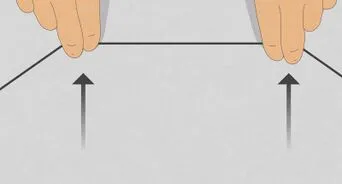
Are you looking for an easy way to hang your tapestry without damaging your walls? You’re in the right place.
Hanging a tapestry with Command strips is simple, quick, and leaves no marks behind. Imagine transforming your space in minutes, making it cozy and stylish without any hassle. In this guide, you’ll discover step-by-step how to do it right, so your tapestry stays up and looks great.
Keep reading—you’ll be amazed at how effortless it can be!
Choosing The Right Command Strips
Choosing the right Command strips is key to hanging your tapestry safely. Different strips hold different weights and work on various surfaces. Picking the correct type prevents damage to walls and keeps your tapestry in place.
Types Of Command Strips
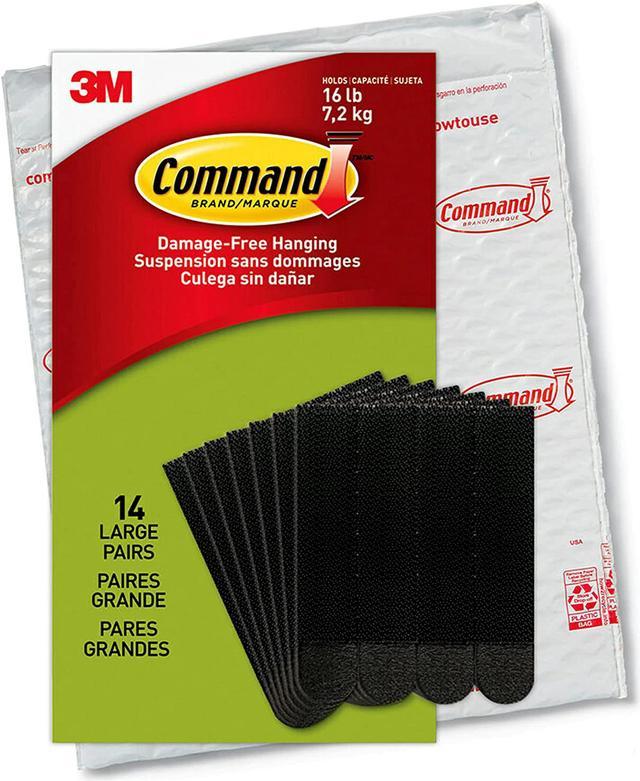
Command strips come in several types. Some have hooks, while others are flat strips. For tapestries, flat strips work best because they create a smooth hold without bulk. There are also special strips for picture hanging, which offer strong grip and easy removal.
Weight Limits To Consider
Each Command strip has a weight limit. Strips designed for light items hold up to 1 pound. Medium strips can support about 3 pounds. Heavy-duty strips hold up to 5 pounds or more. Always check your tapestry’s weight and choose strips with enough strength to support it safely.
Surface Compatibility
Command strips stick best to smooth, clean surfaces. Painted walls, wood, and tile are usually good choices. Avoid rough or porous surfaces like brick or wallpaper. These surfaces may cause strips to lose grip, risking your tapestry falling down.

Credit: gntos.org
Preparing The Wall And Tapestry
Preparing the wall and tapestry is key to a strong, lasting hold. A clean, smooth surface helps Command Strips stick better. Knowing exactly where to place your tapestry avoids mistakes. Preparing the tapestry edges protects the fabric and keeps it flat.
Cleaning The Wall Surface
Wipe the wall with a damp cloth to remove dust. Use rubbing alcohol on a cotton pad for oily spots. Avoid using cleaners that leave residue. Let the wall dry completely before attaching the strips. A clean surface ensures good adhesion.
Measuring And Marking Placement
Measure the tapestry width and height with a tape measure. Mark the wall lightly with a pencil where corners will go. Use a level to keep marks straight and even. Double-check measurements to avoid crooked hanging. Accurate marks guide strip placement perfectly.
Preparing The Tapestry Edges
Fold or hem edges if they are frayed or loose. Use fabric tape or sewing to secure the edges. Avoid bulky folds that create bumps on the wall. Press the tapestry flat with your hands before hanging. Smooth edges help the tapestry lay nicely.
Step-by-step Hanging Process
Hanging a tapestry with Command Strips is a simple process. This method avoids wall damage and offers a clean look. Follow these steps for a secure tapestry installation.
Attaching Command Strips To Tapestry
First, clean the tapestry’s back. This ensures strong strip adhesion. Next, peel off one side of the Command Strip’s liner. Stick it firmly to the tapestry’s corners. Press each strip for 30 seconds. Make sure they hold well.
Pressing Strips Onto The Wall
Decide where you want the tapestry. Mark the spot with a pencil. Now, peel off the other side of the liner. Press the tapestry with strips against the wall. Hold for 30 seconds to ensure contact.
Ensuring Secure Adhesion
Check each corner of the tapestry. Gently tug to test the hold. If it feels loose, press again. Give the strips one hour to fully adhere. This ensures a long-lasting display.
Tips For Damage-free Hanging
Hanging a tapestry with Command strips keeps walls safe from holes and marks. Following simple tips ensures no damage to walls or fabric. Careful handling of strips and tapestry helps maintain their condition. These guidelines make the process smooth and worry-free.
Avoiding Common Mistakes
- Clean the wall surface before applying strips for better hold.
- Press strips firmly on both wall and tapestry for strong grip.
- Do not hang tapestries heavier than the strips’ weight limit.
- Allow strips to set for one hour before hanging the tapestry.
- Remove dust and dirt from tapestry edges before sticking strips.
Removing Command Strips Safely
- Pull the strip’s tab straight down slowly to release adhesive.
- Avoid pulling the strip toward you or at an angle.
- Keep the strip flat against the wall while stretching it down.
- Use gentle heat from a hairdryer to soften adhesive if needed.
- Do not rush removal to prevent wall paint from peeling.
Maintaining Tapestry Condition
- Keep tapestries away from direct sunlight to prevent fading.
- Dust tapestries regularly using a soft brush or vacuum with low suction.
- Handle fabric gently when reattaching Command strips to avoid tears.
- Store tapestries in a cool, dry place when not in use.
- Wash tapestries carefully following care instructions to keep colors bright.
Alternative Hanging Methods
Looking for other ways to hang your tapestry without using Command Strips? There are several practical alternatives that can suit different wall types and decor styles. These options can offer more flexibility and add a unique touch to your space while keeping your walls safe.
Using Velcro Strips
Velcro strips are a great option if you want a secure hold with easy removal. They come in two parts—one sticks to the wall, and the other attaches to the tapestry. This makes it simple to take down or reposition your tapestry whenever you want to change your room’s look.
Make sure your tapestry isn’t too heavy, as Velcro strips work best with lighter fabrics. Have you considered how often you might want to switch your wall art? Velcro strips give you that flexibility without damaging your walls.
Tapestry Rods And Hooks
If you prefer a classic look, tapestry rods paired with hooks offer a sturdy and elegant solution. You simply slide the tapestry over the rod, then hang the rod on wall-mounted hooks. This method works well for thicker or larger tapestries that might sag with adhesive strips.
Installing hooks might require some drilling, but the result is a clean and polished display. Think about the style of your room—would a rod enhance the overall aesthetic? It can even double as a curtain rod for a boho vibe.
Decorative Clips And Pins
Decorative clips and pins add a fun, creative element to hanging your tapestry. You can use colorful or metallic clips to attach the tapestry directly to your wall or a wire grid. This approach allows you to mix and match clips to create a personalized look.
This method is perfect if you like changing your wall art frequently or want to avoid permanent fixtures. Have you tried using clips to combine multiple tapestries or fabrics? It’s a simple way to layer textures and colors without commitment.
Credit: siliconvalen.eu

Credit: www.amazon.co.uk
Frequently Asked Questions
How Do Command Strips Hold A Tapestry Securely?
Command Strips use strong adhesive to grip walls and fabric. They support lightweight tapestries without damaging surfaces. Proper placement ensures the tapestry stays flat and secure. Always follow package instructions for best results.
Can I Hang A Heavy Tapestry With Command Strips?
Command Strips are best for light to medium-weight tapestries. Heavy tapestries may require multiple strips or alternative hanging methods. Check the weight limit on the package before use to avoid damage or falling.
Will Command Strips Damage My Walls Or Tapestry?
No, Command Strips are designed to remove cleanly without wall damage. They also won’t leave residue or harm tapestry fabric if removed carefully. Always test on a small area before full application.
How Do I Prepare My Wall Before Using Command Strips?
Clean the wall surface with rubbing alcohol and let it dry fully. Avoid using cleaners that leave residue. A clean, dry wall ensures the adhesive sticks properly for a secure hold.
Conclusion
Hanging a tapestry with Command strips is quick and clean. No nails, no holes, just easy steps. Make sure the wall is dry and smooth before sticking. Press firmly to hold the tapestry tight. Remove strips slowly when needed to avoid damage.
This method keeps your walls safe and your room stylish. Try it for a simple, neat way to decorate. Your space will look great without extra tools or mess. Simple, safe, and smart.



