
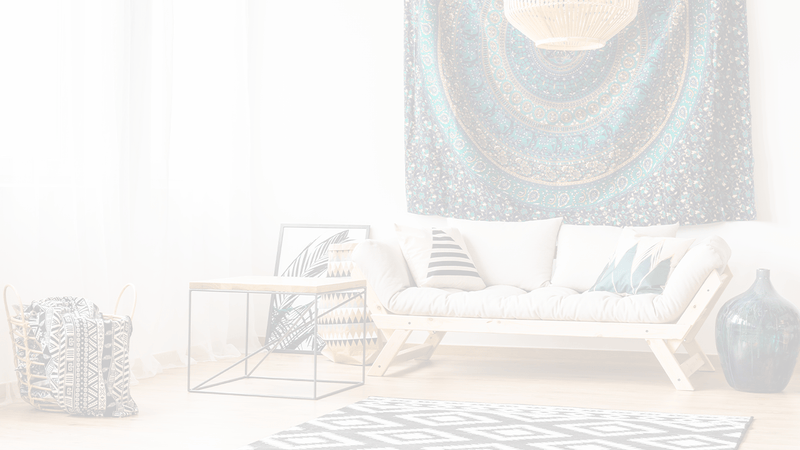
Are you looking to add a unique touch to your space without spending a fortune? Putting up a tapestry is one of the easiest and most stylish ways to transform any room.
But how do you make sure it looks perfect and stays secure? Whether you want to brighten a dull wall or create a cozy vibe, this guide will show you simple, step-by-step tips to hang your tapestry like a pro.
Keep reading, and you’ll discover tricks that save time, avoid damage, and make your space truly yours.

Credit: dedeso.sk
Choosing The Right Tapestry
Choosing the right tapestry is key to making your space feel just right. It’s not only about picking something pretty; it’s about finding a piece that fits your room’s size, style, and vibe. Your tapestry should complement the space and reflect your personality, so take your time to decide what really works for you.
Selecting Size And Design
Think about the wall space where you want to hang your tapestry. A large tapestry on a small wall can overwhelm the room, while a tiny one might get lost on a big wall. Measure the area first to avoid surprises.
Design matters just as much as size. Are you drawn to bold patterns or subtle textures? Bright colors can energize a space, but sometimes a neutral design fits better with existing decor. What kind of mood do you want your tapestry to create?
Considering Fabric Type
The fabric of your tapestry affects both its look and how you can hang it. Cotton tapestries are lightweight and easy to manage, making them great for beginners. Polyester or blends offer durability and resist wrinkles, perfect if you want a low-maintenance option.
Think about where you’ll place the tapestry too. If it’s in a sunny room, choose fabrics that won’t fade quickly. A heavier fabric might hang more smoothly but can be harder to mount without the right tools. What fabric suits your lifestyle best?

Credit: www.wikihow.com
Preparing Your Wall
Preparing your wall before hanging a tapestry sets the foundation for a smooth and successful display. It ensures your tapestry looks great and stays secure over time. Taking a little extra time here can save you from future headaches and preserve both your wall and fabric.
Cleaning And Measuring
Start with a clean wall surface. Dust and dirt can prevent adhesives or hooks from sticking properly and might damage your tapestry. Use a damp cloth to wipe down the area, then let it dry completely before moving forward.
Next, measure the wall space where you plan to hang your tapestry. Knowing the exact dimensions helps you position the tapestry perfectly and avoid awkward gaps or overlaps. Use a tape measure and mark the top corners lightly with a pencil to guide your placement.
Finding The Perfect Spot
Think about where your tapestry will get the most attention and complement your room’s atmosphere. Are you trying to create a cozy reading nook or brighten up a bland hallway? The right spot can completely change the vibe.
Consider lighting too—natural light can highlight colors beautifully, but too much direct sunlight may fade your fabric over time. Also, check for obstacles like light switches or shelves that might interfere with your tapestry’s placement.
Ask yourself: How do you want the tapestry to interact with the room’s other elements? Your answer will guide you to the ideal wall space that makes your tapestry a true centerpiece.
Mounting Methods
Choose push pins or adhesive hooks to hang your tapestry without damaging walls. Use a wooden rod for a neat, classic look. Tape or Velcro strips also work well for lightweight tapestries.
Mounting a tapestry on your wall can transform a bland room into a cozy, artistic haven. With various mounting methods available, choosing the right one can feel daunting. But fret not! Understanding these methods will help you secure your tapestry beautifully and securely.Using Push Pins And Thumbtacks
Push pins and thumbtacks are probably the simplest tools in your toolkit. They are perfect for lightweight tapestries and allow for quick adjustments. Just ensure you push them into sturdy sections of your wall to avoid any mishaps. Have you ever noticed how a slight tilt can make your tapestry appear off? Keep a level handy to maintain alignment.Hanging With Nails And Hooks
For more substantial tapestries, nails and hooks offer a firm hold. They provide a stable base and can support heavier fabrics without sagging. A top tip: measure twice and nail once. This prevents any unnecessary holes or misplacements. Have you ever regretted a hasty decision? Take your time to ensure the tapestry hangs straight and balanced.Employing Adhesive Strips
Adhesive strips are a fantastic option if you prefer a damage-free wall. They work best with lightweight tapestries and are easy to remove. Just remember to clean the wall surface before applying the strips for a stronger grip. Surprised by how adhesive strips can hold up your art? It’s a testament to modern innovation in home decor!Installing A Rod Or Dowel
A rod or dowel offers a classic and elegant way to display your tapestry. This method is ideal for tapestries with loops or a pocket hem. Simply slide the rod through and secure it to the wall with brackets. Want to add a touch of sophistication? Choose a decorative rod that complements your room’s style. It’s a small detail that can make a big difference. Each method has its merits, depending on the weight and style of your tapestry and the condition of your wall. So, which method will you try first?
Credit: www.youtube.com
Securing The Tapestry
Securing the tapestry properly ensures it looks great and stays in place. This step helps prevent wrinkles and sagging over time. A well-secured tapestry adds charm and a polished look to any room.
Aligning And Smoothing
Start by hanging the tapestry at the desired height. Use a level or measure to keep it straight. Smooth out wrinkles gently with your hands. Pull the fabric lightly to remove folds. Check all edges to make sure they are even. Take your time for a neat, flat display.
Adding Weights For Stability
Place small weights at the bottom corners to stop movement. Use curtain weights or small heavy objects inside fabric pockets. This keeps the tapestry from billowing or shifting with air flow. Weights help maintain a smooth, stretched look. Secure weights discreetly for an invisible finish.
Caring For Your Wall Art
Caring for your tapestry wall art keeps it looking fresh and vibrant. Proper care extends its life and preserves its colors. Simple steps help maintain its beauty every day.
Cleaning Tips
Dust your tapestry regularly using a soft brush or vacuum with a gentle nozzle. Avoid harsh rubbing to prevent fabric damage. Spot clean stains with mild soap and cold water. Test cleaning solutions on a small hidden area first. Let the tapestry air dry completely before rehanging it.
Preventing Damage
Keep your tapestry away from direct sunlight to avoid fading. Avoid hanging it in damp or humid places to prevent mold. Use sturdy hooks or rods to support the fabric evenly. Reposition the tapestry occasionally to prevent uneven wear. Handle with clean hands to reduce oil and dirt transfer.
Frequently Asked Questions
How Do I Hang A Tapestry Without Damaging Walls?
Use removable adhesive hooks or strips to hang your tapestry. These options avoid nails and minimize wall damage. Ensure the hooks can hold the tapestry’s weight. This method is ideal for renters or temporary displays.
What Tools Do I Need To Put Up A Tapestry?
You need basic tools like adhesive hooks, push pins, or a curtain rod. A measuring tape helps align the tapestry properly. Choose tools based on your wall type and tapestry size for best results.
Can I Use Nails To Hang My Tapestry Safely?
Yes, using small nails or picture hooks is safe for sturdy walls. Avoid large nails to prevent damage. Use wall anchors for heavier tapestries. Always check wall material before hammering nails.
How Do I Keep My Tapestry Wrinkle-free On The Wall?
Iron the tapestry on low heat before hanging. Use clips or rods that hold the fabric taut. Avoid direct sunlight to prevent fading and wrinkles. Regularly smooth out wrinkles by hand.
Conclusion
Hanging a tapestry adds color and warmth to any room. Choose the right method for your wall type and tapestry size. Measure carefully and use the proper tools for best results. Take your time to avoid mistakes and enjoy the process.
With patience, your tapestry will look neat and stay secure. This simple step changes your space and shows your style. Try different ways until you find what works best for you. Enjoy your new wall art every day.



