
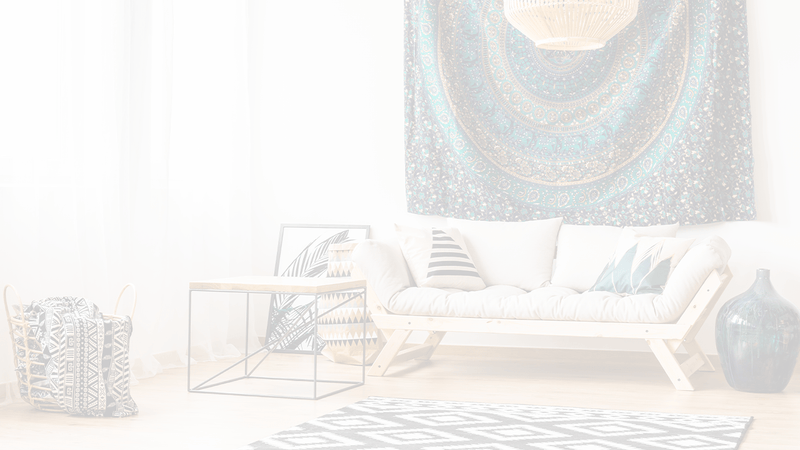
Are you looking to add a splash of color and personality to your space without spending a fortune? Hanging a wall tapestry is one of the easiest and most stylish ways to transform any room instantly.
But if you’re unsure how to get it up safely and looking perfect, you’re in the right place. In this guide, you’ll discover simple, step-by-step tips to hang your tapestry like a pro—no damage, no hassle. Keep reading, and soon your walls will speak your style loud and clear.

Credit: schachtspindle.com
Choosing The Right Tapestry
Choosing the right tapestry sets the tone for your space. It shapes the mood and style of your room. Focus on three key areas to find the perfect fit. Material and size affect durability and how the tapestry looks. Design and color influence the atmosphere you want to create. Room placement helps decide the tapestry’s impact and visibility.
Material And Size
Select a material that suits your room’s use and lighting. Cotton offers a soft feel and easy cleaning. Polyester holds colors well and resists wrinkles. Consider the tapestry size to match your wall space. Too large can overwhelm a small room. Too small may get lost on a big wall.
Design And Color
Pick a design that reflects your personality or theme. Geometric patterns bring structure and order. Floral prints add warmth and nature vibes. Choose colors that blend with your furniture and decor. Bright colors create energy and focus. Soft tones promote calm and relaxation.
Room Placement
Decide where the tapestry will hang for best effect. Above the bed, it acts as a headboard alternative. Over the sofa, it becomes a focal point. In a hallway, it adds interest to a narrow space. Make sure lighting highlights the tapestry’s details. Avoid spots with direct sunlight to prevent fading.
Preparing Your Wall
Preparing your wall is an important first step before hanging a tapestry. It helps the tapestry stay in place and look its best. Taking time to prepare ensures a smooth and secure hanging process. Follow these tips to get your wall ready.
Surface Types
Know the type of wall you have. Common surfaces include:
- Drywall
- Plaster
- Brick
- Wood
Each surface needs different tools and fasteners. Drywall may need anchors. Brick and wood require screws or nails. Choose the right hardware for your wall type.
Cleaning And Repairing
Clean the wall before hanging. Dust and dirt stop tape or hooks from sticking well.
Use a damp cloth to wipe the area. Let it dry completely.
Check for holes, cracks, or bumps. Patch small holes with filler. Sand rough spots smooth. A flat surface helps the tapestry hang evenly.
Measuring And Marking
Measure where you want the tapestry to hang. Use a tape measure for accuracy.
Mark the top edge lightly with a pencil. Mark where hooks or nails will go.
Use a level to keep marks straight. This prevents a crooked tapestry.
Tools And Materials Needed
Hanging a wall tapestry can add charm to any room. Before starting, gather the right tools and materials. This ensures a smooth and secure installation. Here’s what you need to know.
Hanging Hardware Options
Choose the right hardware for your tapestry. Here are some options:
- Nails:Simple and effective for lightweight tapestries.
- Hooks:Offer support for heavier fabrics.
- Command Strips:Ideal for avoiding wall damage.
- Rod and Brackets:Best for large, decorative pieces.
Mounting Accessories
Accessories can make hanging easier. Consider these:
- Measuring Tape:Ensures even placement on the wall.
- Level:Keeps your tapestry straight.
- Pencil:Marks the wall without permanent damage.
- Step Ladder:Helps reach higher spots safely.
Safety Gear
Safety is crucial during any installation. Use the following gear:
- Gloves:Protects hands from sharp edges or splinters.
- Safety Goggles:Shields eyes from dust or debris.
- Non-Slip Shoes:Prevents slipping when using a ladder.

Credit: aboderie.co.uk
Hanging Methods
Choosing the right hanging method helps display your tapestry beautifully. Each method suits different wall types and tapestry weights. Consider damage to walls and ease of removal. Pick a method that fits your space and style.
Using Push Pins Or Nails
Push pins or small nails work well for light tapestries. They create tiny holes, usually not very noticeable. Place pins at the corners or along the edges. This method is quick and budget-friendly. Avoid heavy tapestries, as they may fall.
Command Strips And Hooks
Command strips and hooks protect walls from holes. They hold tapestries securely and remove cleanly. Follow the package instructions for best results. Use multiple strips for large or heavy tapestries. This method suits renters or those who change decor often.
Wooden Dowels And Rods
Wooden dowels or rods add structure to your tapestry. Insert the dowel through a sewn pocket or fold the top edge. Hang the rod on hooks or brackets fixed to the wall. This method prevents wrinkles and gives a polished look. Ideal for large or thick tapestries.
Velcro And Adhesive Solutions
Velcro strips and adhesive tapes offer flexible hanging options. Attach one side to the wall, the other to the tapestry. Press firmly to secure the tapestry in place. This method works best for smooth walls and light fabrics. It allows easy removal and repositioning.
Step-by-step Installation
Hanging a wall tapestry can instantly transform your space, but getting it just right takes a bit of attention. The key is to handle the installation carefully so your tapestry looks smooth, stays secure, and enhances your room’s vibe. Here’s a practical guide to help you through the process.
Positioning The Tapestry
Start by deciding where your tapestry will have the most impact. Hold it up against the wall and step back to see how it fits with your furniture and lighting.
Think about height—should it hang at eye level, or higher for a dramatic effect? Mark the top corners lightly with a pencil to guide your placement.
Have you thought about how natural light might affect the colors on your tapestry? Placing it near a window can either enhance or fade the fabric over time.
Securing The Edges
To keep your tapestry flat, focus on securing the edges first. Use push pins, adhesive hooks, or small nails depending on your wall type and tapestry weight.
- If your tapestry has a sewn-in rod pocket, slide a thin rod or dowel through it to add stability.
- For heavier tapestries, consider using wall anchors to prevent slipping.
- Don’t forget to protect your wall—use felt pads behind nails or hooks to avoid damage.
Think about whether you want a taut look or a relaxed drape; this will influence how tightly you secure the edges.
Adjusting For Wrinkles And Sagging
Once your tapestry is up, wrinkles and sagging can distract from its beauty. Gently smooth out wrinkles with your hands or a steamer on a low setting.
If sagging appears, add extra support in the middle or use double-sided tape along the edges to keep it taut.
Have you noticed small creases after hanging? Sometimes letting the tapestry hang for a day or two helps the fabric relax naturally.
Credit: www.etsy.com
Maintaining Your Tapestry
Maintaining your wall tapestry keeps it beautiful for years. Proper care protects the fabric and colors. Small efforts can prevent damage and fading. Follow simple steps to clean, protect, and store your tapestry.
Cleaning Tips
Dust your tapestry regularly to remove dirt and particles. Use a soft brush or vacuum with a low suction setting. Spot clean stains immediately with a mild detergent and cold water. Avoid harsh chemicals that can damage fibers. For deep cleaning, hand wash gently or consult a professional cleaner.
Preventing Sun Damage
Keep your tapestry away from direct sunlight. UV rays can fade colors and weaken fabric over time. Use curtains or blinds to limit exposure. Rotate your tapestry occasionally to prevent uneven fading. Consider UV-protective window film for extra defense.
Storage Advice
Store your tapestry in a cool, dry place. Avoid plastic bags that trap moisture and cause mildew. Use cotton sheets or muslin cloth to wrap the tapestry. Roll the tapestry instead of folding to prevent creases. Check stored tapestries periodically to ensure they stay fresh.
Creative Display Ideas
Creative display ideas can transform your wall tapestry from a simple fabric piece into a captivating focal point. How you hang and style your tapestry impacts the entire room’s vibe. Experimenting with different approaches can bring fresh life to your space and reflect your personal style.
Layering With Other Decor
Try layering your tapestry with other wall decorations like framed photos, mirrors, or shelves. This adds depth and interest to your walls without cluttering the space. You could place smaller art pieces or plants around the tapestry edges to create a balanced look.
Think about the colors and textures that complement your tapestry. A soft macrame piece over a bold tapestry can create an appealing contrast. Have you ever noticed how layering can turn a plain wall into a cozy, inviting corner?
Using Tapestries As Room Dividers
Tapestries can serve as stylish room dividers in open spaces or studio apartments. Hanging one between two points can create privacy while adding a decorative touch. This is perfect if you want to separate your workspace from your living area without building walls.
Consider using lightweight rods or ceiling hooks for easy setup and removal. You can swap out tapestries seasonally or whenever you want a new look. What if your tapestry could change the entire flow of your room?
Seasonal And Themed Arrangements
Switch your tapestries according to seasons or special themes to keep your decor fresh and exciting. A bright, floral tapestry works well in spring and summer, while rich, warm tones suit fall and winter. You can even choose tapestries that reflect holidays or personal milestones.
Try pairing themed tapestries with matching cushions, throws, or table decor to create a cohesive vibe. Have you ever thought about how changing your tapestry could reset your mood or inspire creativity?
Frequently Asked Questions
How Do I Hang A Tapestry Without Damaging Walls?
Use adhesive hooks or removable mounting strips. They hold tapestries firmly without leaving marks. Avoid nails or screws on delicate surfaces.
What Tools Are Needed To Hang A Wall Tapestry?
Common tools include a measuring tape, level, adhesive hooks, or nails. Choose tools based on your wall type and tapestry weight.
Can I Hang A Tapestry On Textured Walls?
Yes, use strong adhesive hooks or a curtain rod. Ensure the mounting method suits the wall texture for secure hanging.
How High Should I Hang A Wall Tapestry?
Hang the tapestry at eye level or slightly above. This placement enhances room aesthetics and makes the tapestry a focal point.
Conclusion
Hanging a wall tapestry adds charm to any room. Choose the right method for your wall type. Measure carefully to keep the tapestry straight and even. Use nails, hooks, or a rod to hang it securely. Check that the tapestry stays flat and smooth.
Changing or cleaning it is easy with the right setup. Enjoy the new look and cozy feel it brings. Simple steps create a big change in your space. Your room will feel warm and inviting with a tapestry.



