
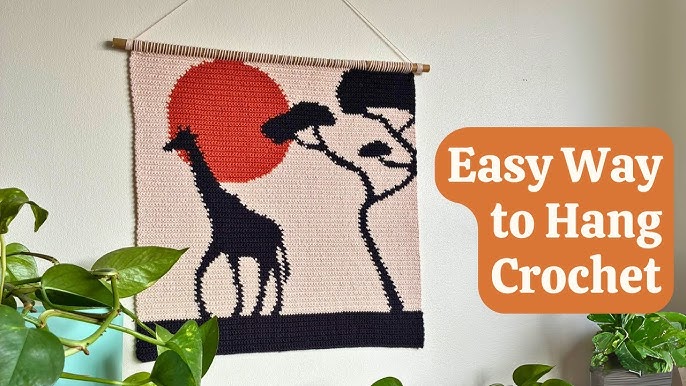
Hanging a tapestry can instantly transform your space, adding warmth, color, and personality to any room. But if you’re unsure how to hang it properly, you might worry about damaging your walls or not getting the look you want.
Don’t worry—this guide will show you simple, effective ways to hang your tapestry so it looks great and stays secure. By the end, you’ll feel confident turning your blank walls into eye-catching focal points. Ready to see how easy it can be?
Let’s dive in.

Credit: aboderie.co.uk
Choosing The Right Tapestry
Choosing the right tapestry sets the tone for your room’s style. It affects how the space feels and looks. Picking the best tapestry requires thinking about material, size, and design. These factors help the tapestry blend well with your decor and last longer.
Material Matters
Tapestries come in many fabrics. Cotton is soft and easy to clean. Wool is warm and thick, good for cozy rooms. Polyester lasts long and holds color well. Choose a material that fits your room’s use and lighting. Durable fabric stays beautiful over time.
Size And Placement
Measure your wall space before buying a tapestry. A large tapestry can be a room’s focal point. Smaller ones work well above furniture or in tight spaces. Think about where you want to hang it. High placement makes a room feel taller. Centered placement draws attention to the tapestry.
Color And Design Tips
Match tapestry colors with your room’s palette. Use colors that complement furniture and walls. Bold patterns add energy and style. Simple designs create calm and order. Pick a design that fits your taste and room mood. Bright colors brighten dark rooms. Neutral tones fit most spaces easily.

Credit: www.reddit.com
Preparing Your Wall Space
Preparing your wall space is a key step before hanging a tapestry. It ensures the tapestry stays secure and looks great. Taking time to prepare prevents damage to your walls and tapestry. Follow simple steps to get your wall ready.
Cleaning The Surface
Start by cleaning the wall where you want to hang the tapestry. Use a soft cloth or sponge with mild soap and water. Remove dust, dirt, and grease for better adhesion. Let the wall dry completely before moving to the next step.
Measuring And Marking
Measure the area to find the best placement for your tapestry. Use a tape measure to check width and height. Mark spots lightly with a pencil where nails or hooks will go. This helps keep the tapestry straight and centered.
Selecting The Best Wall
Choose a wall that is smooth and free of damage. Avoid walls with peeling paint or moisture problems. Consider a wall that gets good light but not direct sunlight. This helps keep colors vibrant and fabric in good shape longer.
Tools And Materials Needed
Hanging a tapestry can instantly transform the vibe of a room. However, to do it right, having the correct tools and materials is essential. This section will guide you through the options and necessities, ensuring your tapestry hangs beautifully and securely.
Hanging Hardware Options
- Rod and Brackets:Ideal for heavy tapestries. They offer strong support and a polished look.
- Adhesive Hooks:Perfect for lightweight tapestries. They require no drilling and are easily removable.
- Tapestry Hanger Clips:These offer flexibility in hanging and can adjust to different sizes.
- Velcro Strips:Suitable for medium-weight tapestries. They provide a seamless look against the wall.
Choosing the right hardware depends on your tapestry’s weight and the wall type. Consider testing a small section first to ensure stability.
Additional Supplies
- Measuring Tape:Ensures accurate placement and alignment.
- Level:Keeps your tapestry straight, avoiding a crooked display.
- Pencil:Marks the spots where hardware will be placed.
- Drill or Hammer:Required for installing brackets or nails.
These supplies may already be in your toolbox. If not, they are available at most hardware stores and are relatively inexpensive.
Safety Equipment
- Safety Glasses:Protects your eyes from dust and debris while drilling.
- Gloves:Provides grip and protection for your hands.
- Sturdy Step Ladder:Essential for reaching higher spots safely.
Safety might seem like an afterthought, but it’s crucial. Ensure you’re comfortable and stable before starting the hanging process.
What unique challenges have you faced while decorating your space? Equipping yourself with the right tools can be the key to overcoming them effortlessly.
Simple Hanging Methods
Simple hanging methods make decorating with tapestries easy and quick. These techniques require few tools and little effort. Most options keep your walls safe and your tapestry secure. Choose the best way based on your wall type and tapestry size.
Using Nails And Push Pins
Nails and push pins are classic ways to hang tapestries. They work well on drywall or wood surfaces. Use small nails or sturdy push pins for light to medium-weight tapestries.
- Mark where you want the tapestry edges to rest.
- Insert nails or pins at those points.
- Hang the tapestry by its corners or edges.
- Adjust to keep it flat and even.
This method holds tapestries firmly but may leave tiny holes in walls.
Adhesive Hooks And Strips
Adhesive hooks and strips stick to walls without damage. They are perfect for renters or smooth surfaces. Choose strips strong enough to support your tapestry’s weight.
- Clean the wall area before applying adhesive.
- Press hooks or strips firmly onto the wall.
- Attach the tapestry carefully to the hooks or strips.
- Remove slowly to avoid peeling paint.
This option offers easy installation and no tools needed.
Rod And Clip Systems
Rod and clip systems create a polished look for tapestries. Use a decorative rod and clips or curtain rings with clips. This method works well for heavier or larger tapestries.
- Install the rod on the wall with brackets.
- Attach clips or rings to the tapestry top edge.
- Hang the tapestry on the rod using clips.
- Slide the tapestry to adjust its position.
This setup allows easy removal and repositioning anytime.
Step-by-step Hanging Guide
Hanging a tapestry can transform your space instantly, but getting it right requires a bit of planning and care. This guide breaks down the process into manageable parts to help you hang your tapestry securely and beautifully. Pay attention to each step to avoid common mistakes and ensure your tapestry stays put for years.
Marking Anchor Points
Start by deciding where you want your tapestry to hang. Use a measuring tape to find the ideal height and width on the wall, considering how the tapestry will fit with other room elements.
Lightly mark the wall with a pencil where the top corners of the tapestry will align. If your tapestry is large, adding a few more anchor points along the top edge can provide extra support and prevent sagging.
Ask yourself: Does this spot get a lot of sunlight or moisture? These factors can affect the fabric over time, so choose your anchor points wisely.
Installing Hardware
Choose hardware based on your wall type—drywall anchors for drywall, masonry screws for brick, or picture hooks for plaster. Using the right hardware prevents damage and keeps your tapestry secure.
Drill pilot holes at the marked anchor points to make installation easier. Insert the anchors or screws firmly, but avoid overtightening, which can crack the wall or strip the anchors.
If you prefer not to drill, consider adhesive hooks rated for the tapestry’s weight. Just remember, these might not hold as well over time.
Attaching The Tapestry
Attach your tapestry using clips, curtain rings, or by sewing a rod pocket on the back for a cleaner look. Clips are quick and adjustable, but a rod pocket offers the most stability and aesthetic appeal.
Start by securing the tapestry at the center anchor point, then work your way outwards to keep it even and taut. Check frequently to ensure it hangs straight and adjust as needed.
Do you want your tapestry to be a permanent fixture or easy to swap out? Your choice here will guide how you attach it and the hardware you select.

Credit: www.picturehangsolutions.com
Creative Display Ideas
Creative display ideas can transform a simple tapestry into a stunning focal point in any room. How you hang and style your tapestry shapes the entire atmosphere. Let’s dive into some imaginative ways to show off your tapestry that go beyond just hanging it flat on the wall.
Layering With Other Wall Art
Try mixing your tapestry with framed pictures, mirrors, or metal wall decor to create a dynamic gallery wall. Placing smaller art pieces around or slightly overlapping your tapestry adds depth and interest.
Think about contrasting textures—soft fabric against sleek glass or metal. This contrast can make your tapestry stand out more while tying different elements of your room together. Have you ever noticed how a well-curated wall feels like it tells a story? Layering helps you build that story visually.
Incorporating Lighting
Lighting can completely change how your tapestry looks. Use spotlights or LED strip lights above or behind your tapestry to highlight its colors and patterns.
Fairy lights or soft string lights can add a cozy, magical vibe. You might even experiment with adjustable lamps that let you change the mood throughout the day. What kind of lighting would make your tapestry’s details pop?
Seasonal And Themed Arrangements
Switch up your tapestry display based on the season or special occasions. You could add small seasonal decor around the edges or pin lightweight items like leaves, flowers, or ornaments directly onto the fabric.
This keeps your space feeling fresh without needing to replace the tapestry. Imagine a warm autumn scene with a tapestry surrounded by fall leaves, or a festive winter look with subtle string lights and holiday accents. How could you make your tapestry part of your seasonal decor ritual?
Maintaining And Caring For Tapestries
Maintaining and caring for your tapestry ensures it stays vibrant and intact for years. Proper care preserves its texture, color, and overall beauty. How often do you think about the best way to clean or store your tapestry?
Cleaning Tips
Regular dusting prevents dirt buildup, which can dull your tapestry’s colors. Use a soft brush or a vacuum with a gentle upholstery attachment to remove dust carefully.
If your tapestry needs a deeper clean, spot cleaning with mild soap and cold water works well. Always test a small, hidden area first to avoid color bleeding or damage.
Avoid harsh chemicals and machine washing, as these can weaken fibers or fade dyes. Let your tapestry air dry flat if it gets wet.
Preventing Damage
Direct sunlight can fade your tapestry quickly. Consider hanging it away from windows or using UV-protective window treatments.
Keep your tapestry away from areas with high humidity or fluctuating temperatures to prevent mold and fiber weakening.
Use proper hanging hardware to support the tapestry evenly, reducing stress on the fabric. Have you checked if your hanging method distributes weight well?
Storage Solutions
When not displayed, store your tapestry rolled rather than folded to avoid creases and permanent lines.
Wrap it in acid-free tissue paper and place it in a breathable cotton bag or box to protect from dust and pests.
Store in a cool, dry place with stable temperature. Avoid basements or attics, where conditions can be unpredictable.
Frequently Asked Questions
How Do You Hang A Tapestry Without Damaging Walls?
Use adhesive hooks or removable mounting strips to hang tapestries. These options avoid holes and protect paint. Choose lightweight tapestries for best results with adhesive methods.
What Tools Do You Need To Hang A Tapestry?
Common tools include a measuring tape, level, nails or hooks, and a hammer. For heavier tapestries, use wall anchors or a rod for added support.
Can You Use A Rod To Hang A Tapestry?
Yes, hanging tapestries on a rod is effective and decorative. Use curtain rods with brackets for easy installation and even weight distribution.
How High Should You Hang A Tapestry On The Wall?
Hang tapestries at eye level or slightly above for best visual impact. This typically means placing the center about 57-60 inches from the floor.
Conclusion
Hanging a tapestry can change your room’s feel quickly. Choose the right method for your wall and tapestry type. Use simple tools and take your time to avoid damage. Enjoy the cozy and artistic touch it adds to your space.
Small steps make a big difference in decorating. Now, your tapestry can shine beautifully on your wall. Try different styles to see what fits best. Decorating is fun and easy with the right approach.



