
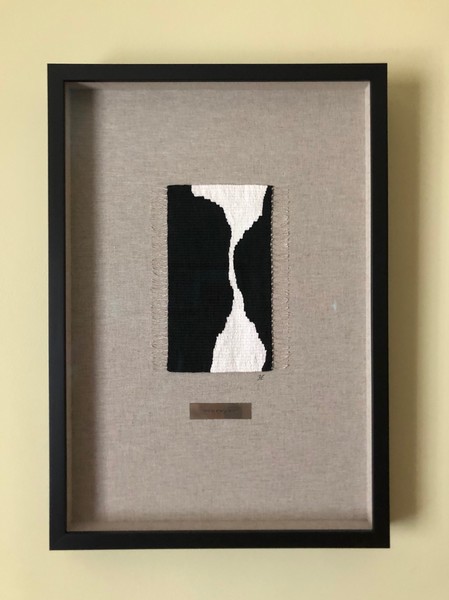
Are you ready to transform your living space with a stunning large tapestry but unsure how to mount and frame it perfectly? You’re not alone.
Handling a big, delicate fabric can feel overwhelming, and the wrong method might damage your treasured piece. But what if you could showcase your tapestry like a true work of art—secure, stylish, and ready to impress anyone who walks into your room?
In this guide, you’ll discover simple, step-by-step techniques that make mounting and framing your large tapestry easy and stress-free. Keep reading to unlock the secrets that will help your tapestry become the centerpiece it deserves to be.

Credit: theancienthome.com
Choosing The Right Tapestry
Choosing the right tapestry is crucial before you start mounting and framing. The tapestry you pick will affect not only the installation process but also how it looks and lasts on your wall. Think about where you want to place it and how it will interact with your room’s style and size.
Material And Weight Considerations
The material of your tapestry determines how heavy it will be and how you should mount it. Cotton and wool tapestries tend to be lighter and easier to handle, while those made from silk or heavy woven fabrics can be quite heavy. If your tapestry is thick or dense, you’ll need stronger mounting hardware to support its weight safely.
Consider if your tapestry will be exposed to sunlight or humidity. Some materials fade faster or weaken in certain environments. You want to pick a fabric that not only looks good but will also stand up to the conditions in your space.
Size And Display Space
Measure your wall space carefully before choosing a tapestry. Large tapestries can dominate a room, so you want to make sure the size fits well with your furniture and other decor. A too-small tapestry might look lost on a big wall, while an oversized one can overwhelm the space.
Also think about the shape and orientation. Will your tapestry fit better horizontally or vertically? Sometimes flipping a tapestry can change the whole vibe of the room. Ask yourself where you want the viewer’s focus and how the tapestry’s size supports that.

Credit: www.framesandstretchers.com
Preparing The Workspace
Preparing the workspace is a crucial first step before mounting and framing a large tapestry. A well-organized and clean area makes the process smoother and protects your tapestry from damage. Setting up the right environment helps you work efficiently and avoid mistakes.
Gathering Tools And Materials
Start by collecting all necessary tools and materials. Having everything at hand saves time and reduces stress. Common items include:
- Measuring tape
- Level
- Staple gun or nails
- Wooden frame or stretcher bars
- Scissors
- Protective gloves
- Clean cloth or brush
- Adhesive hooks or wire (optional)
Check each item for good condition. Faulty tools can damage the tapestry or cause injury.
Ensuring Proper Lighting And Cleanliness
Good lighting is essential for clear visibility. Choose a bright room or add extra lamps. Natural daylight is ideal but avoid direct sunlight that can fade colors.
Clean the workspace thoroughly. Dust and dirt can stick to the tapestry fibers. Wipe surfaces and vacuum the floor. Keep pets and food away from the area.
Mounting Techniques
Mounting a large tapestry requires careful handling to avoid damage. Use a sturdy frame and secure the fabric evenly with clips or stitching. Hanging it flat and taut keeps the tapestry smooth and shows off its full design.
Mounting a large tapestry transforms it into a stunning wall display. Choosing the right method is essential for a polished look. Below are some effective mounting techniques.Using A Wooden Frame
A wooden frame provides stability and elegance. To begin, measure your tapestry and build or buy a frame that fits. Secure the tapestry to the frame using staples or nails. Ensure the fabric is taut and even. This technique offers a classic, gallery-style presentation.Applying Velcro Or Hanging Strips
Velcro or hanging strips are non-invasive and easy to use. Attach one side of the Velcro to the wall and the other to the tapestry. Make sure to distribute the strips evenly. This method allows for easy removal and repositioning without damage.Stretching And Securing The Fabric
Stretching fabric ensures a smooth, wrinkle-free appearance. Start by laying the tapestry flat on a clean surface. Gently pull and stretch the fabric, then secure it to a frame or stretcher bars. Use small tacks or staples to hold it in place. This approach keeps the tapestry flat and visually appealing.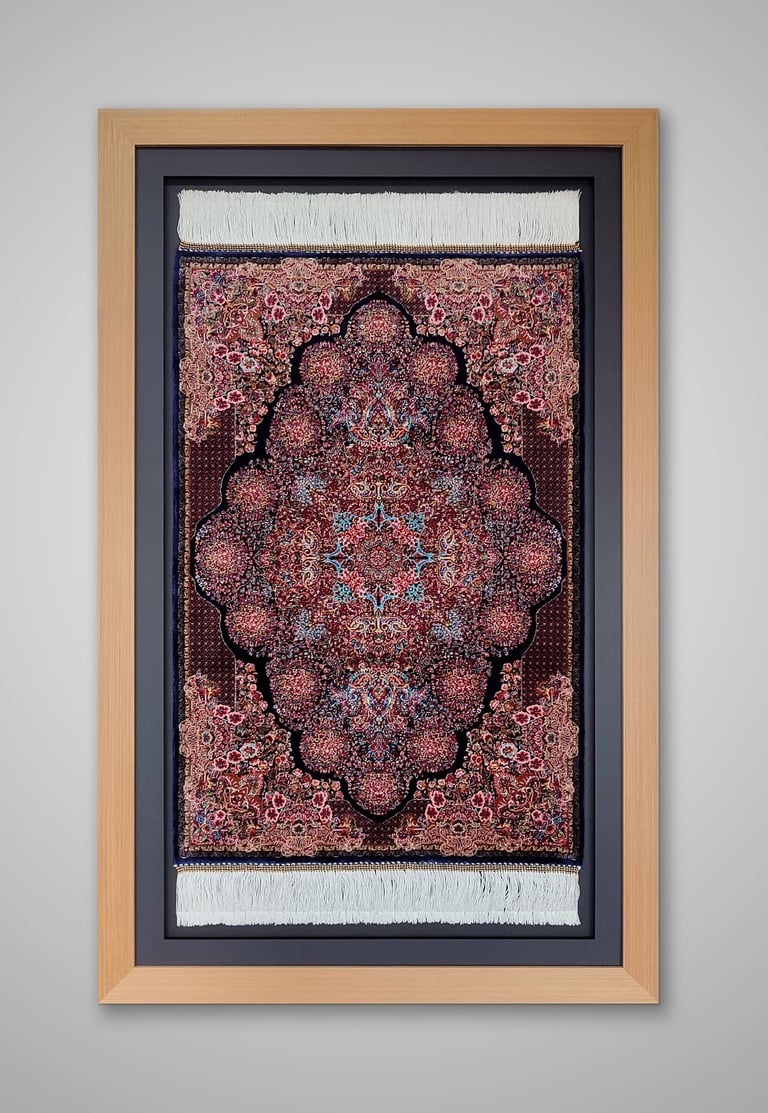
Credit: www.tfgframes.com
Framing Options
Choosing the right framing option for a large tapestry protects it and enhances its beauty. Frames add structure and style. They keep the tapestry flat and safe from dust and damage. The framing choice depends on your room’s decor and the tapestry’s material. Several options exist for framing large tapestries.
Choosing Frame Styles
Frames come in many styles, from simple to ornate. A plain wooden frame gives a classic look. Metal frames offer a modern feel. Floating frames create a gap between the tapestry and frame, adding depth. Pick a style that matches your home’s design and the tapestry’s colors. The frame should highlight the tapestry, not overpower it.
Selecting Glass Or Acrylic Covers
Glass or acrylic covers protect the tapestry from dust and damage. Glass is clear and scratch-resistant but heavy. Acrylic is lighter and shatterproof but can scratch easily. Both reduce UV light, which fades fabric colors. Choose a cover that balances protection and clarity. Some covers have anti-reflective coatings for better viewing.
Custom Vs. Ready-made Frames
Custom frames are made to fit your tapestry perfectly. They allow for special materials and designs. Ready-made frames are cheaper and available in standard sizes. They work well if your tapestry fits common dimensions. Custom framing costs more but offers a perfect fit and unique style. Ready-made frames save time and money but may need adjustments.
Protecting The Tapestry
Protecting your tapestry is essential to keep its colors vibrant and fibers intact for years to come. A large tapestry is not just a decorative piece; it’s a textile artwork that can suffer from environmental damage if not properly cared for. Taking simple precautions can extend its life and maintain its beauty, so your effort in mounting and framing pays off with lasting enjoyment.
Preventing Sun Damage
Direct sunlight can quickly fade the colors of your tapestry, leaving it dull and lifeless. Position your tapestry away from windows or use UV-protective glass in the frame to shield it. Consider using curtains or blinds to control the amount of natural light hitting the fabric.
Have you noticed how some tapestries look faded in certain spots? This often happens because of uneven sun exposure. Rotating your tapestry occasionally can help distribute light wear more evenly over time.
Avoiding Moisture And Dust
Moisture is a hidden enemy that encourages mold and weakens fabric fibers. Keep your tapestry in a dry area with stable humidity levels to prevent this risk. Avoid hanging it in bathrooms or kitchens where steam is common.
Dust particles can settle into the weave and dull the colors or cause abrasion. A sealed frame with glass or acrylic not only protects from dust but also keeps the tapestry clean longer. If framing isn’t an option, consider covering it with a breathable fabric cover when not on display.
Regular Cleaning Tips
Cleaning a large tapestry requires gentle care to avoid damage. Use a soft brush or a low-suction vacuum with a brush attachment to remove surface dust. Always vacuum in the direction of the fibers to prevent pulling or fraying.
Spot cleaning should be done sparingly and with mild detergent diluted in water. Test any cleaning solution on a small hidden area first to ensure it does not affect the colors. If your tapestry is very valuable or delicate, consulting a professional textile conservator is a smart choice.
Displaying The Tapestry
Displaying a large tapestry requires careful thought to highlight its beauty. The right placement and lighting can bring out rich colors and intricate patterns. A well-displayed tapestry becomes a focal point in any room. It adds warmth, texture, and a unique artistic touch to your space.
Optimal Wall Placement
Choose a large, clear wall to showcase your tapestry. Avoid cluttered walls that distract from the artwork. Center the tapestry at eye level for the best view.
Consider these tips for placement:
- Pick a wall free from direct sunlight to prevent fading.
- Keep the tapestry away from heat sources like radiators.
- Allow enough space around it for the tapestry to breathe.
- Use a sturdy wall that can support the weight safely.
Lighting To Enhance Details
Good lighting reveals the tapestry’s texture and colors vividly. Soft, warm lights work best to create a cozy ambiance.
Try these lighting ideas:
- Use adjustable spotlights to highlight key areas.
- Place lights at a 30-degree angle to reduce glare.
- Consider LED lights for energy efficiency and low heat.
- Avoid harsh, direct lighting that can cause shadows.
Troubleshooting Common Issues
Tapestries can bring warmth and style to any room. Mounting and framing a large tapestry may come with some challenges. Common issues like wrinkles, sagging, or minor damages can affect the appearance. Knowing how to fix these problems keeps your tapestry looking its best.
Dealing With Wrinkles And Sagging
Wrinkles make a tapestry look messy. Sagging pulls down the fabric, losing shape. To fix wrinkles:
- Lay the tapestry flat on a clean surface.
- Use a low-heat iron with a cloth between the iron and tapestry.
- Gently press to smooth out wrinkles.
For sagging, try these tips:
- Adjust the mounting points to spread tension evenly.
- Add extra support bars behind the tapestry.
- Use clips or pins to hold loose areas tight.
Repairing Minor Damages
Small tears or holes can happen during handling. Fixing them quickly prevents bigger damage.
- Use a needle and thread that matches the tapestry color.
- Stitch gently along the tear to close it.
- Apply fabric glue for extra hold if needed.
- Patch holes with a piece of similar fabric behind the damage.
Keep repair tools nearby for quick touch-ups. Regular checks help catch problems early.
Frequently Asked Questions
How Do I Prepare A Tapestry For Framing?
First, clean and iron the tapestry gently. Use a frame slightly larger than the tapestry. Stretch the fabric evenly to avoid wrinkles before mounting.
What Materials Are Best For Mounting Large Tapestries?
Use acid-free backing boards and linen or cotton fabric for mounting. Avoid adhesives that can damage the tapestry over time. Wooden stretcher bars work well for support.
Can I Frame A Tapestry Without Professional Help?
Yes, with the right tools and patience, you can frame a tapestry yourself. Follow step-by-step mounting and framing instructions carefully to avoid damage.
How Do I Prevent Damage When Hanging A Large Tapestry?
Use sturdy wall anchors and a hanging system that distributes weight evenly. Avoid direct sunlight and moisture to protect colors and fabric integrity.
Conclusion
Mounting and framing a large tapestry adds charm to any room. It protects the fabric and shows off its beauty well. Take your time to measure and choose the right frame. Use simple tools and follow clear steps for best results.
This project can bring warmth and style to your walls. Enjoy the process and the lovely art you create. Your tapestry will become a special part of your home decor.



