

Hanging a tapestry on your wall can instantly transform a room, adding color, texture, and personality. But what if you want to avoid nails that leave holes or damage your walls?
You’re in the right place. This guide will show you simple, damage-free ways to display your tapestry beautifully—without any nails. Keep reading, and you’ll discover easy tricks that protect your walls and make your space look amazing. Your perfect wall decor is just a few steps away!
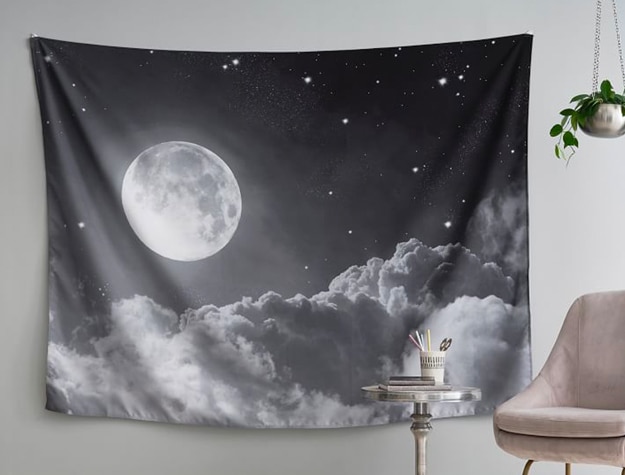
Credit: www.pbteen.com
Choose The Right Tapestry
Choosing the right tapestry is key to hanging it on your wall without nails. The tapestry’s fabric and size affect not only how it looks but also how easy it is to secure without damaging your walls. Picking the right one can save you from frustration and help your space shine.
Fabric Types And Weight
The type of fabric your tapestry is made from determines its weight and flexibility. Lightweight fabrics like cotton or polyester are easier to hang using adhesive hooks or velcro strips. They won’t pull down as easily and reduce the risk of marks on your wall.
Heavier fabrics such as wool or thick woven tapestries might need stronger support. If you choose a heavy tapestry, think about using multiple mounting points or wider adhesive strips. Otherwise, the weight can cause sagging or even damage the wall surface.
Ask yourself: Do you want something easy to move or a statement piece that stays put? Your answer will guide your fabric choice and the hanging method you use.
Size Considerations
The size of your tapestry affects how you hang it without nails. Smaller tapestries are more manageable with simple adhesive hooks or poster strips. They require less support and are less likely to fall.
Larger tapestries need more careful planning. You might need to use several hooks or a tension rod to spread the weight evenly. This prevents the tapestry from pulling away from the wall or creating unsightly wrinkles.
Think about the wall space you want to cover and how the tapestry’s size fits that area. Would a large tapestry overwhelm the room or become a focal point? Choosing the right size also makes your hanging method more effective and secure.

Credit: www.wikihow.com
Prepare Your Wall Surface
Preparing your wall surface is crucial before hanging a tapestry without nails. It ensures the tapestry sticks well and stays secure. Taking time to prep your wall can prevent damage and keep your decor looking neat. This step creates a smooth base for tapestries and adhesives to hold strong.
Clean And Dry Walls
Start by cleaning the wall surface thoroughly. Use a soft cloth with mild soap and water to remove dust and dirt. Avoid harsh chemicals that might damage paint or wallpaper. After cleaning, let the wall dry completely. Moisture can weaken adhesives and cause tapestries to fall.
Avoiding Wall Damage
Choose gentle cleaning tools to protect the wall finish. Avoid scrubbing too hard to prevent scratches or peeling paint. Test adhesives on a small, hidden area first to check for any marks or discoloration. Use products designed for walls, like removable hooks or strips, to keep surfaces safe. This care helps preserve your walls while supporting your tapestry.
Use Adhesive Hooks And Strips
Adhesive hooks and strips offer a simple way to hang tapestries without damaging walls. They hold fabric securely and remove easily without leaving marks. Perfect for renters or those avoiding nails.
Hanging a tapestry without nails can be simple and clean. Adhesive hooks and strips provide a damage-free way to display your tapestry. They are easy to use and remove, leaving your walls intact. This method is ideal for renters and anyone who wants flexibility.Types Of Adhesive Hooks
Adhesive hooks come in various sizes and strengths. Choose hooks that match your tapestry’s weight. Lightweight tapestries can use small hooks. Heavier fabrics need stronger, larger hooks. Some hooks are transparent for a seamless look.Application Tips
Clean the wall surface before application. This ensures better adhesion. Follow the manufacturer’s instructions for the best results. Press the hook firmly for a secure hold. Allow the adhesive to set for the recommended time before hanging your tapestry.Removing Without Residue
Adhesive hooks can be removed without leaving marks. Gently pull the hook away from the wall. Avoid quick or harsh movements. This prevents damage and residue. If any adhesive remains, use a soft cloth and mild cleaner. Your wall will look as good as new.Try Velcro Strips For Secure Hanging
Velcro strips offer a simple, nail-free way to hang tapestries. They hold fabric firmly and keep walls intact. This method works well for light to medium-weight tapestries. Velcro is easy to apply and remove, leaving no marks behind. It gives a clean look and quick setup for your wall decor.
Choosing Velcro Strength
Select the right Velcro strength based on tapestry weight. Lightweight tapestries need standard strength strips. Medium-weight ones require heavy-duty Velcro for a secure hold. Check product labels for weight limits before buying. Use multiple strips to spread the weight evenly. This helps prevent sagging and keeps the tapestry flat.
Placement Strategies
Plan strip placement carefully for best results. Attach strips to the tapestry corners first. Add extra strips along the top edge for stability. Press firmly when sticking strips to wall and fabric. Avoid hanging tapestries in damp or humid areas. This can weaken the adhesive and cause falling. Test a small patch before full application to ensure good grip.
Utilize Tapestry Rods And Poles
Utilizing tapestry rods and poles is a smart way to hang your tapestry without putting holes in your walls. These tools provide sturdy support and keep your fabric looking neat and well-displayed. Plus, they allow you to change your wall art easily whenever you want.
Rod Options Without Drilling
You don’t need to drill holes to install tapestry rods. Several rod options work perfectly on walls without damage:
- Tension rods:These rods fit snugly between two walls or inside window frames using adjustable pressure. They hold your tapestry firmly without screws.
- Adhesive hooks with rods:Use strong, removable adhesive hooks to hold lightweight curtain or tapestry rods. This method keeps your walls intact and is simple to remove.
- Freestanding poles:If you want a flexible display, freestanding poles or room dividers can hold tapestries without touching your walls.
Have you considered how tension rods can work even in narrow spaces? They’re often overlooked but can be a perfect no-damage solution.
Installation Methods
Once you choose the right rod, installation is quick and straightforward. Here are ways to set up your tapestry rod without nails:
- Using tension rods:Measure the space where you want to hang the tapestry. Adjust the rod length, then place it firmly between two walls or inside a window frame.
- Adhesive hooks:Clean the wall surface thoroughly before sticking hooks. Wait for the adhesive to set, then hang the rod onto the hooks.
- Freestanding poles:Simply place the tapestry over the pole and position it where you want in the room. No tools or wall contact needed.
These methods save time and keep your walls perfect. Which method feels easiest for your space?
Employ Washi Tape Or Decorative Tape
Hanging a tapestry without nails keeps walls safe and looks stylish. Washi tape or decorative tape offers a simple way to display your tapestry. These tapes are gentle on walls and easy to remove. They come in many colors and patterns, adding charm to your space. Using tape also lets you change your tapestry’s spot anytime. This method suits renters and anyone avoiding wall damage.
Tape Selection
Choose tape that holds fabric firmly but won’t harm paint. Look for these qualities:
- Strong adhesive that sticks well to walls and fabric
- Easy to remove without leaving marks or residue
- Wide enough to support tapestry weight
- Decorative patterns or colors that match your room
Washi tape often fits these needs. It is thin, flexible, and gentle on surfaces. Test a small piece on your wall first to check if it peels cleanly.
Creative Hanging Ideas
Use tape to create unique displays. Some ideas:
- Tape the edges of the tapestry directly to the wall in a square or rectangle shape.
- Make a tape frame around the tapestry to highlight it.
- Use multiple tape strips in different colors to create patterns behind the tapestry.
- Fold tape strips over the tapestry corners for secure, decorative holds.
Mix and match tape colors with your tapestry design. This adds personality and style. Change tapes seasonally to refresh your room’s look.
Use Poster Putty Or Sticky Tack
Using poster putty or sticky tack offers a smart way to hang your tapestry without damaging your walls. These adhesives are reusable and won’t leave permanent marks, making them perfect for renters or anyone avoiding nails. You can easily reposition your tapestry until it looks just right, giving you full control over your wall decor.
Best Brands And Types
Choosing the right putty makes a big difference in how well your tapestry stays up. Some popular brands known for strong hold and easy removal include:
- Scotch Removable Poster Tape:Provides a firm grip and peels off cleanly without residue.
- Elmer’s Tack-it Over and Over:Stays sticky after multiple uses and is great for lightweight fabrics.
- UHU Tac:Offers strong adhesion and works well on different surfaces like painted walls or wood.
- Loctite Fun-Tak:Perfect for temporary displays and won’t stain your walls or tapestry.
Think about the weight of your tapestry and the texture of your wall when selecting putty. Some putties suit smooth surfaces better, while others work on textured walls.
Application Techniques
Getting the putty right can feel tricky, but a few tips make it easier. Start by tearing small pieces of putty, roughly the size of a pea, and roll them into balls.
- Place a few balls on the back corners of your tapestry for support.
- Press each ball firmly against the wall to ensure it sticks well.
- Check the tapestry’s weight distribution—add more putty in the middle if it sags.
Have you ever hung something only to watch it slowly slide down? Using multiple small putty pieces can prevent that by spreading the weight evenly.
If you want a cleaner look, try folding the edges of the tapestry over a slim wooden dowel, then attach the dowel to the wall with putty. This reduces visible adhesive and keeps the fabric taut.
Remember, humidity and temperature can affect putty’s stickiness. If your tapestry starts to droop after a few days, remove it, replace the putty, and reapply. This simple step often restores a strong hold.
Hang With Command Strips
Hanging a tapestry without nails is a smart choice, especially if you want to avoid wall damage. Command strips offer a clean, easy way to put up your tapestry and take it down without leaving marks. They hold strong and keep your fabric looking great on your wall.
Strip Variants
Command strips come in different types tailored to various needs. The most common are the standard picture hanging strips, which work well for lightweight to medium-weight tapestries.
- Velcro strips:These allow easy removal and repositioning without losing grip.
- Large strips:Designed for heavier items, ideal if your tapestry is thick or has embellishments.
- Small strips:Perfect for delicate or smaller tapestries where less adhesive is needed.
Choosing the right variant depends on your tapestry’s size and fabric type. Have you checked the package details to match your tapestry weight?
Weight Limits And Safety
Each Command strip variant supports a specific weight limit. For example, a single standard strip usually holds up to 1 pound, but packs often include multiple strips to increase total support.
| Strip Type | Weight Limit per Pair | Best For |
|---|---|---|
| Small Strips | 0.5 – 1 lb | Lightweight, small tapestries |
| Standard Strips | 4 lbs | Medium-weight tapestries |
| Large Strips | 7.5 lbs | Heavy or thick tapestries |
Always check the total weight of your tapestry before applying strips. Overloading the strips can cause them to fail and damage your wall or tapestry.
Have you tested the strips on a hidden spot to ensure your wall surface is compatible? This step can save you from surprises later.
Tips For Even And Wrinkle-free Display
Getting your tapestry to hang evenly and without wrinkles can transform your space instantly. It’s not just about attaching it to the wall; it’s about creating a smooth, attractive display that stays put. Paying attention to details like stretching and securing corners can make all the difference.
Stretching The Tapestry
Before hanging, lay your tapestry on a flat surface and gently pull it from all sides. This helps remove wrinkles and evens out the fabric tension. You can also lightly spray the back with water and smooth it out with your hands to relax stubborn creases.
Think about how a taut canvas looks compared to a slack one. The firmer the fabric, the cleaner the display. If you notice sagging after hanging, take it down and stretch it again—your patience will pay off.
Securing Corners
Focus on the corners to keep your tapestry in place and wrinkle-free. Use strong, removable adhesive hooks or double-sided tape designed for walls, applying them directly on each corner.
Make sure each corner is pulled tight but not overstretched. This balance prevents puckering and keeps the tapestry flat. Have you tried pressing corners with a book or flat object after sticking? It can improve adhesion and smoothness.

Credit: tiendasmbs.com
Avoid Common Mistakes
Avoid using heavy adhesives that can damage walls or tapestries. Choose lightweight, gentle options to keep your tapestry secure and your wall intact. Ensure even hanging to prevent wrinkles and sagging for a neat look.
Hanging a tapestry without nails is a popular choice for those looking to preserve their walls. However, it’s essential to avoid common pitfalls that can lead to frustration or even damage. By steering clear of these mistakes, you can ensure your tapestry hangs beautifully and securely.Overloading Adhesives
Many people make the mistake of over-relying on adhesive strips or hooks to support heavy tapestries. It’s tempting to think that more is better, but overloading can lead to peeling paint or falling décor. Always check the weight limit of your adhesive products. Consider using multiple strips to distribute the weight evenly. It’s also crucial to clean the wall surface properly to ensure the adhesive sticks well. Have you ever tried to hang something only to have it crash down in the middle of the night? That’s what we want to avoid!Ignoring Wall Material
The type of wall you have plays a significant role in how you should hang your tapestry. Plaster, drywall, and brick all require different approaches. Ignoring this can result in poor adhesion or wall damage. For example, brick walls may need stronger adhesive solutions compared to drywall. If you’re unsure, do a small test patch first to see how the adhesive holds. Have you considered what your walls might be telling you about their needs? By paying attention to these details, you can avoid common mistakes and enjoy your tapestry without the worry of wall damage.Frequently Asked Questions
What Are The Best Alternatives To Nails For Hanging Tapestry?
Use adhesive hooks, Velcro strips, or tension rods. These options avoid wall damage and support lightweight tapestries effectively. They are easy to install and remove, making them ideal for renters or temporary displays.
How Do Adhesive Hooks Hold Tapestries Without Nails?
Adhesive hooks use strong glue that sticks firmly to smooth surfaces. They distribute tapestry weight evenly, preventing damage. Ensure the wall is clean and dry before application for best results and lasting hold.
Can Double-sided Tape Hang Heavy Tapestries Safely?
Double-sided tape suits only lightweight tapestries. Heavy ones may cause tape to fail and fall. Use reinforced tapes or other hanging methods for thicker or larger tapestries to ensure safety and stability.
Is It Possible To Hang Tapestry Without Damaging Walls?
Yes, using removable hooks, Velcro strips, or poster putty prevents wall damage. These methods leave no residue and protect paint or wallpaper, making them perfect for rental homes or delicate surfaces.
Conclusion
Hanging a tapestry without nails keeps your walls safe and clean. Use tape, clips, or adhesive hooks for easy mounting. These methods save time and leave no damage behind. Your tapestry adds color and style without hassle. Enjoy decorating your space in a simple, smart way.
Try different options to find what works best for you. Keep your walls fresh and your room cozy. Simple steps can make a big difference in your home.



