
Are you looking to transform your space with a large wall tapestry but unsure how to hang it perfectly? You’re not alone.
Hanging a big tapestry might seem tricky, but with the right tips, you can make your walls come alive in no time. In this guide, you’ll discover simple, effective ways to hang your tapestry securely and beautifully—no damage, no hassle.
Keep reading, and soon your room will have that cozy, stylish vibe you’ve been dreaming of.
Choosing The Right Tapestry
Choosing the right tapestry is key for a stunning wall display. The perfect tapestry blends with your room’s style and fits the wall space. Picking the right fabric, size, and color creates a warm and inviting vibe. It also makes hanging easier and keeps the tapestry looking great over time.
Material And Weight
Material affects how the tapestry hangs and lasts. Cotton and polyester are lightweight and easy to hang. Wool or heavy fabrics add texture but need stronger support. Light materials work well with simple hooks or nails. Heavy tapestries require wall anchors or rods to stay secure.
Size And Design
Measure your wall before buying a tapestry. Large tapestries fill empty spaces and become a room’s focal point. Small or medium tapestries suit cozy corners or above furniture. Choose a design that matches your room’s mood—floral for softness, geometric for modern feel, or abstract for a bold statement.
Color Coordination
Colors affect the room’s energy and style. Pick tapestry colors that complement your walls and furniture. Neutral tones create calm and balance. Bright colors add life and draw attention. Match tapestry colors with a few room accents for a unified look.
Selecting The Best Wall
Choosing the right wall is key to showing off a large wall tapestry. The perfect spot highlights the design and fits your room’s style. Think about the wall’s surface, light, and how the tapestry fits in the space. This helps your tapestry look its best and lasts longer on the wall.
Wall Type Considerations
Different walls need different care. Drywall is common and easy to hang tapestries on with hooks or nails. Brick or concrete walls need stronger tools like anchors or special hooks. Wood walls allow nails or screws without extra hardware. Avoid walls with dampness or damage to protect the tapestry.
Lighting And Visibility
Good lighting makes tapestry colors pop. Natural light is great but avoid direct sunlight. Sunlight can fade fabric over time. Use soft, warm lights to enhance the tapestry in the evening. Place the tapestry where people can easily see and enjoy its design.
Room Placement Ideas
- Above the sofa in the living room for a cozy look.
- On a blank wall in the bedroom to add warmth.
- In a hallway to create interest along the path.
- Behind a dining table to serve as a unique backdrop.
- Near seating areas to invite conversation and comfort.
Tools And Supplies Needed
Essential tools include a measuring tape, level, and nails or hooks. Supplies like a hammer, wall anchors, and a ladder help secure the tapestry safely. Choose materials based on your wall type for best results.
To hang a large wall tapestry successfully, gathering the right tools and supplies is crucial. The right equipment ensures your tapestry is securely mounted and looks professional. Let’s dive into the essentials you’ll need to make this process smooth and stress-free.Mounting Hardware Options
Choosing the right mounting hardware can make all the difference in how your tapestry hangs. Some popular options include: – Rod and Brackets: Ideal for heavier tapestries, providing sturdy support and an elegant finish. – Adhesive Hooks: Perfect for lighter tapestries and rented spaces where drilling isn’t an option. – Velcro Strips: Great for a seamless look, allowing for easy removal and repositioning. Each option has its pros and cons. Consider the weight of your tapestry and the type of wall you have before deciding.Measuring And Leveling Tools
Accurate measurements are key to a balanced and aesthetically pleasing display. Here’s what you need: – Measuring Tape: To ensure your tapestry is centered and hung at the right height. – Level: Keeps your tapestry straight. A crooked tapestry can ruin the look of your room. – Pencil: Mark your wall lightly to guide where your hardware should go. Using these tools can save you from the hassle of redoing your work. Have you ever hung something only to realize it was off-center?Additional Accessories
Sometimes, a few extra accessories can enhance your tapestry hanging experience: – Lint Roller: Keeps your tapestry clean and dust-free before hanging. – Step Ladder: Provides the necessary height to reach your desired hanging spot safely. – Protective Gloves: Prevents dirt or oil from your hands from transferring onto the tapestry. These small additions can make the process easier and more efficient. Do you have any other accessories that you swear by when hanging decor? With the right tools and supplies, hanging a large wall tapestry becomes an enjoyable and rewarding task. Ready to transform your space with your stunning tapestry?
Credit: aboderie.co.uk
Preparing The Wall
Preparing the wall is the first essential step to hang a large tapestry securely. A smooth, clean, and well-checked surface ensures the tapestry stays in place and looks great. Taking time to prepare the wall helps avoid damage and uneven hanging.
Cleaning The Surface
Remove dust, dirt, and grease from the wall before hanging. Use a damp cloth or mild cleaner for best results. Let the wall dry completely to help adhesives or hooks stick better. Clean walls prevent slipping and keep your tapestry flat.
Marking Placement Points
Decide where the tapestry will hang on the wall. Use a pencil to mark the top corners and center points. Measure carefully to keep the tapestry level and balanced. Marking helps guide the hanging process and avoids mistakes.
Checking For Obstacles
Look for obstacles like light switches, outlets, or nails. Avoid placing the tapestry over these areas. Check for uneven wall surfaces or bumps. Ensuring a clear, smooth area means the tapestry hangs cleanly and safely.
Hanging Techniques
Hanging a large wall tapestry needs the right technique for a neat look. The method you choose affects the tapestry’s stability and wall condition. Consider wall type, tapestry weight, and ease of removal. Here are simple ways to hang your tapestry with care and style.
Using Nails Or Hooks
Nails or hooks offer a strong hold for heavy tapestries. Choose small nails or hooks to avoid big holes. Place them evenly along the tapestry’s top edge for balance. Use a hammer or drill carefully to prevent wall damage. This method works well on drywall and wooden surfaces. It keeps the tapestry flat and secure.
Employing Adhesive Strips
Adhesive strips are great for renters or delicate walls. They hold light to medium-weight tapestries without nails. Clean the wall before application for better stickiness. Press strips firmly and follow package instructions for best results. Remove strips slowly to avoid peeling paint. Adhesive strips allow easy tapestry removal and repositioning.
Mounting With Rods Or Poles
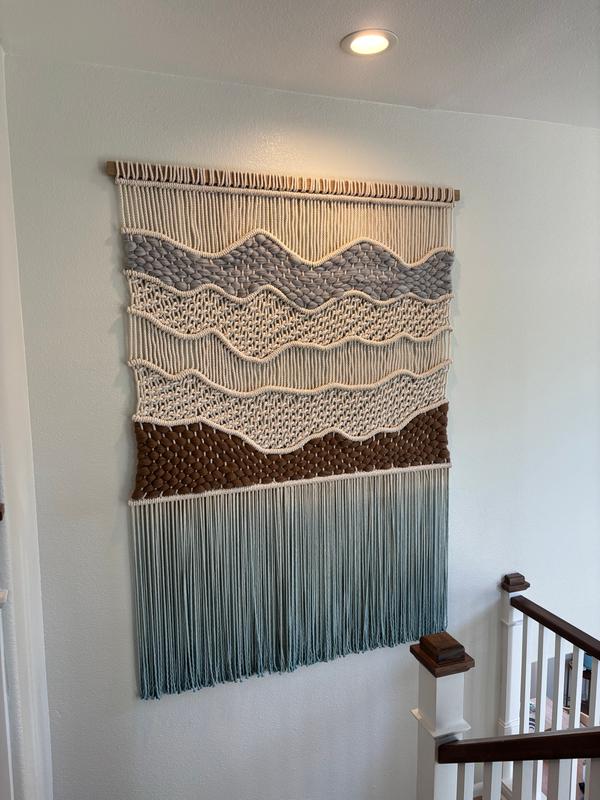
Using rods or poles adds a decorative touch and supports heavy fabric. Sew a pocket at the tapestry’s top for the rod to slide through. Attach brackets to the wall to hold the rod securely. This method spreads weight evenly and prevents sagging. It suits thick or embroidered tapestries well. Rods also make tapestry changes quick and simple.
Credit: teddyandwool.com
Securing And Adjusting
Securing and adjusting your large wall tapestry is the key to showcasing its full beauty. This stage ensures your tapestry stays in place, looks smooth, and avoids any damage over time. Paying attention to these details will make your tapestry a stunning focal point in your room.
Ensuring Even Hanging
Check that your tapestry is level from side to side and top to bottom. Use a spirit level or simply step back and squint to spot any uneven edges. If one side dips lower, gently adjust the hanging points to balance it out.
Pinning the corners first helps maintain symmetry. You can also use a measuring tape to confirm equal distances from the ceiling or floor. This prevents the tapestry from looking lopsided, which can distract from its design.
Tightening And Smoothing
Once the tapestry is hung, smooth out wrinkles and creases by gently pulling the fabric taut. Avoid overstretching, as that might distort the material or cause the hanging points to loosen. If you used clips or hooks, tighten them carefully to hold the fabric firmly.
For extra smoothness, lightly steam the tapestry while it’s hanging. This not only removes wrinkles but also refreshes the fabric. Just be sure to keep the steamer at a safe distance to avoid moisture damage.
Preventing Damage
Think about the wall surface before hanging—rough textures or sharp nails can snag or tear the tapestry. Use protective pads behind hooks or nails to cushion the fabric. This little step can save you from frustrating repairs down the line.
If you plan to keep the tapestry up for a long time, consider rotating it occasionally. This reduces wear on any single spot and keeps colors from fading unevenly due to sunlight. Have you noticed how small shifts can extend the life of your wall art?
Maintaining Your Tapestry
Maintaining your large wall tapestry is key to keeping its colors vibrant and fabric intact over time. Proper care not only extends its life but also preserves the beauty that attracted you in the first place. Let’s explore practical ways to care for your tapestry so it continues to enhance your space.
Cleaning Tips
Regular dusting can prevent dirt buildup without harming the fabric. Use a soft brush or vacuum with a low suction setting and a brush attachment to gently clean your tapestry.
If your tapestry needs deeper cleaning, check the care label first. Many tapestries do best with spot cleaning using mild detergent and cold water. Avoid harsh chemicals that might fade colors or weaken fibers.
Have you ever noticed how a small stain left unattended can become stubborn? Treat spills immediately by blotting gently with a clean cloth to avoid permanent marks.
Avoiding Sun Damage
Sunlight can cause colors to fade and fibers to weaken over time. Position your tapestry away from direct sunlight or use UV-protective window films to reduce exposure.
If you love natural light but worry about damage, consider rotating your tapestry every few months. This simple habit ensures even fading, keeping your piece looking fresh longer.
Storage Solutions
When you need to store your tapestry, avoid folding it tightly. Instead, roll it loosely around a cardboard tube to prevent creases and fabric stress.
Choose a cool, dry place for storage to protect against mold and pests. Wrapping your tapestry in acid-free tissue paper adds extra protection during longer storage periods.
Have you stored textiles before? You might be surprised how small changes in storage can make a big difference in preservation. Treat your tapestry like a valuable artwork, and it will reward you with years of beauty.

Credit: www.etsy.com
Frequently Asked Questions
How Do You Hang A Large Wall Tapestry Easily?
Use adhesive hooks or nails spaced evenly for support. Make sure the wall is clean and dry. Use a level to keep the tapestry straight. Avoid heavy tapestries on weak surfaces to prevent damage.
What Tools Are Needed To Hang A Wall Tapestry?
You will need nails or adhesive hooks, a hammer, measuring tape, and a level. Optional tools include push pins or a curtain rod. These tools ensure your tapestry hangs securely and straight.
Can I Hang A Tapestry Without Damaging Walls?
Yes, use removable adhesive hooks or velcro strips. These options hold tapestries without leaving marks. Avoid nails or screws on rented walls. Test adhesive strength before full installation.
What Is The Best Height To Hang A Tapestry?
Hang your tapestry at eye level for best visibility. The center should be around 57-60 inches from the floor. Adjust based on furniture placement and wall size for balance.
Conclusion
Hanging a large wall tapestry is simple with the right steps. Choose strong hooks or nails that fit your wall type. Measure carefully to keep the tapestry straight and even. Use gentle methods to avoid damage to your tapestry and walls.
Enjoy the new look that a tapestry brings to your space. A well-hung tapestry adds color and warmth easily. Try these tips to make your room feel fresh and cozy.



