
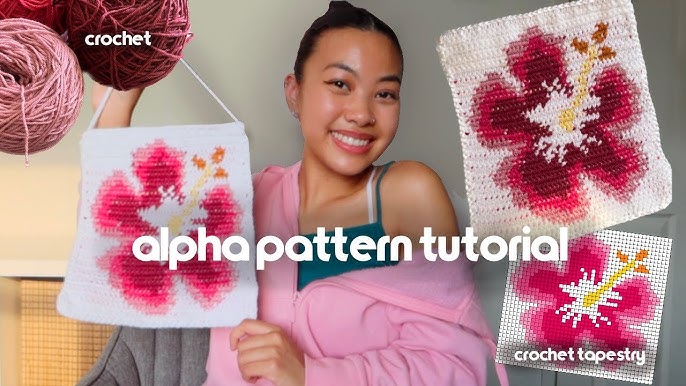
Are you ready to bring your crochet projects to a whole new level? Learning how to make tapestry crochet patterns lets you create colorful, eye-catching designs that stand out.
Imagine turning simple yarn into vibrant artwork with your own hands. In this guide, you’ll discover easy steps to master tapestry crochet, unlock creative freedom, and impress everyone with your unique pieces. Stick with me, and by the end, you’ll have the skills to craft stunning patterns that truly reflect your style.
Let’s get started!

Credit: offthebeatenhook.com
Choosing Yarn And Hook
Choosing the right yarn and hook is key to making beautiful tapestry crochet patterns. The yarn affects the texture and color clarity. The hook size controls the stitch tightness and overall look. Picking the best combination helps your work stand out and last long.
Best Yarn Types For Tapestry
Yarn choice impacts both appearance and ease of work. Acrylic yarn is popular due to its vibrant colors and durability. Cotton yarn offers great stitch definition and a smooth finish. Wool yarn is warm and elastic but can be fuzzy, hiding detailed patterns.
- Acrylic: Bright colors, affordable, easy care
- Cotton: Clear stitches, strong, breathable
- Wool: Soft, stretchy, natural fiber
Choose yarn with multiple colors that contrast well. Avoid fuzzy or textured yarns to keep patterns sharp. Opt for smooth yarns for clean lines and easy color changes.
Selecting The Right Hook Size
Hook size affects stitch size and fabric density. Smaller hooks make tight, firm stitches. This firmness keeps colors from bleeding together. Larger hooks produce loose stitches and softer fabric.
For tapestry crochet, use a hook slightly smaller than recommended. This control helps maintain pattern clarity. Test a swatch to check tension and fabric feel. Adjust hook size until stitches look neat and firm.
Basic Stitches For Tapestry
Mastering the basic stitches is essential for creating beautiful tapestry crochet patterns. These stitches form the foundation of your project and influence the clarity of your design. Understanding how to work with yarn and stitch tension will help you achieve crisp color changes and a neat finish.
Single Crochet Techniques
The single crochet stitch is the backbone of tapestry crochet. It provides a dense and sturdy fabric perfect for detailed color work. Holding your yarn a bit tighter than usual helps maintain stitch definition and prevents gaps between colors.
Try to insert your hook under both loops of the stitch. This ensures a solid and even texture that supports the color changes well. You might notice that tension varies with different yarns, so test on a small swatch before starting your main project.
Have you experimented with inserting your hook under just one loop? It can create a different texture but might not hold the tapestry pattern as cleanly. Think about the look you want and test your stitches accordingly.
Carrying Yarn Method
Carrying yarn is key to working multiple colors without cutting yarn after every stitch. You hold the unused yarn along the top of your row and crochet over it, trapping it inside the stitches. This technique keeps your work neat and prevents loose strands on the back.
Keep the carried yarn snug but not too tight. If it’s too loose, your fabric looks messy; too tight, and it puckers. I found that pausing to adjust the yarn tension every few stitches makes a big difference.
What’s your strategy for managing multiple yarns? Some prefer bobbins, others just wrap and carry. Try different methods to find what feels smooth and efficient for your rhythm.
Creating Color Charts
Creating color charts helps plan tapestry crochet patterns clearly. It shows where each color goes in the design. This makes stitching easier and more accurate.
Creating color charts is a crucial part of tapestry crochet patterns. These charts guide you in selecting and organizing colors, allowing your design to come to life stitch by stitch. A well-designed color chart can transform a simple crochet project into a stunning piece of art.Designing Your Pattern
Designing your pattern starts with inspiration. Look around you—nature, geometric shapes, or even your favorite artwork. These can all spark ideas for your tapestry crochet pattern. Once you have a concept, sketch it out on graph paper. Each square represents a stitch, and this will help visualize your design. Experiment with different color combinations. Use colored pencils or digital tools to play around with hues, bringing your vision to life.Translating Images To Charts
Translating images to charts might seem daunting, but it’s simpler than you think. Start by choosing a clear, simple image that can be broken down into basic shapes. Use a grid overlay to divide the image into squares. This helps in translating the image into a crochet-friendly format. Consider using software like Stitch Fiddle or Crochet Charts to digitize your design. These tools can turn a complex image into an easy-to-follow crochet chart. Remember, the key is simplifying without losing the essence of your design. Would a sunset still look vibrant if reduced to a few colors? Experiment and adjust until it feels right. Creating color charts and translating images into them is both an art and a science. With practice, patience, and a dash of creativity, your tapestry crochet skills will reach new heights.
Credit: offthebeatenhook.com
Reading And Following Patterns
Reading and following tapestry crochet patterns can seem tricky at first. The key is to understand the symbols and abbreviations used. Patterns guide your stitches and color changes. Knowing how to manage multiple colors smoothly keeps your work neat. Focus on these basics to enjoy tapestry crochet and create beautiful pieces.
Symbols And Abbreviations
Patterns use special symbols and short forms to save space. Each symbol stands for a stitch or action. Common abbreviations include:
- ch– chain
- sc– single crochet
- st– stitch
- sl st– slip stitch
Charts may show symbols for different stitches. A legend explains what each symbol means. Keep the pattern legend close while you crochet. This avoids confusion and helps keep your work accurate.
Managing Multiple Colors
Tapestry crochet uses many colors in one row. Carrying yarn inside the stitches hides color changes. Here’s how to manage colors:
- Hold the unused yarn loosely to avoid tight stitches.
- Switch colors by working over the yarn you carry.
- Use bobbins or small yarn balls for each color.
- Keep tension even to maintain stitch size.
Practice changing colors smoothly. This keeps your tapestry neat and your pattern clear.
Working With Color Changes
Working with color changes is key to beautiful tapestry crochet patterns. Changing colors smoothly keeps the design clear and neat. It also prevents yarn tangles and messy stitches. Understanding how to switch colors and hide yarn ends helps create clean, professional-looking projects.
Switching Colors Seamlessly
To switch colors without gaps, finish the last stitch of the old color but stop before the last yarn over. Yarn over with the new color and pull through to complete the stitch. This method hides the color change inside the stitch.
Hold the yarns at the back of your work to keep tension even. Avoid pulling too tight or leaving yarn too loose. This helps maintain consistent stitch size and shape.
Carry the unused yarn along the row by crocheting over it. This technique keeps yarn close and prevents tangles. It also hides the yarn inside the stitches for a cleaner look.
Hiding Floats And Loose Ends
Floats are the yarn strands carried across the back between color changes. Keep floats short to avoid snagging and tension issues. If a float is long, wrap it around stitches to secure it.
Weave in loose ends carefully using a yarn needle. Insert the needle under several stitches in different directions. This locks the yarn and prevents it from unraveling.
Trim ends close but not too short. Leave enough yarn to secure the tail inside the stitches. This keeps the back neat and your work durable.
Tips For Consistent Tension
Consistent tension is key to making beautiful tapestry crochet patterns. It keeps your stitches even and your design neat. Uneven tension can make your work look messy or distorted. Use the following tips to hold your yarn and hook steadily.
Maintaining Even Stitches
Hold your yarn with gentle but firm tension. Avoid pulling too tight or leaving it too loose. Keep the same hand position throughout your work. Practice the same stitch size on every loop. Count your stitches often to stay on track. Use stitch markers to mark pattern repeats or rows.
Avoiding Yarn Tangles
Use separate yarn balls for each color to reduce tangling. Let your yarn flow freely without snagging. Untwist your yarn regularly by letting it hang or rolling it gently. Keep your workspace tidy and free from obstacles. Use yarn guides or threaders to keep strands aligned. Smooth yarn movement helps maintain tension and even stitches.
Finishing And Blocking
Finishing and blocking are crucial steps in tapestry crochet. They help your project look polished and professional. Proper finishing secures your work. Blocking shapes and evens out your stitches. These steps improve the overall appearance and durability of your piece.
Weaving In Ends Neatly
Weaving in ends keeps your tapestry crochet clean. Use a yarn needle to thread the loose ends. Weave them back through several stitches. This hides the ends inside your work.
- Insert the needle under multiple loops.
- Go in one direction, then reverse.
- Pull the yarn snug but not too tight.
- Trim excess yarn close to the fabric.
This technique stops your ends from unraveling. It also keeps your surface smooth and neat.
Shaping Your Tapestry
Shaping your tapestry ensures it lies flat and holds form. Wet blocking is the most common method. Lightly dampen your piece with water. Do not soak it completely.
Lay the tapestry flat on a towel or blocking board. Gently stretch it to the desired shape. Pin it in place using rust-proof pins.
- Focus on straightening edges and smoothing curves.
- Allow it to dry fully before removing pins.
This process relaxes the yarn and evens stitches. Your tapestry looks more even and professional after blocking.
Troubleshooting Common Issues
Tapestry crochet can be tricky. Mistakes happen, and sizes might not fit as planned. Troubleshooting helps fix these issues without starting over. Understanding common problems saves time and keeps your project enjoyable.
Fixing Mistakes Mid-project
Spotting a mistake early makes correction easier. Unravel only a few stitches to reach the error. Use a crochet hook to pick up loops carefully. Count stitches regularly to avoid missing or adding extra ones.
Keep track of color changes. Pull unused yarn tightly to prevent loose stitches. Fix tension problems by adjusting your grip on the yarn. Practice slow and steady stitches for neat work.
Adjusting Pattern Size
Change size by adding or removing stitches in each row. Use a gauge swatch to measure stitches per inch. Multiply the desired width by your stitch count for accuracy.
Increase or decrease the number of color repeats in the pattern. Try larger or smaller yarn and hook for size changes. Keep stitch counts even to maintain pattern shape.
Write down changes to repeat the size in future projects.
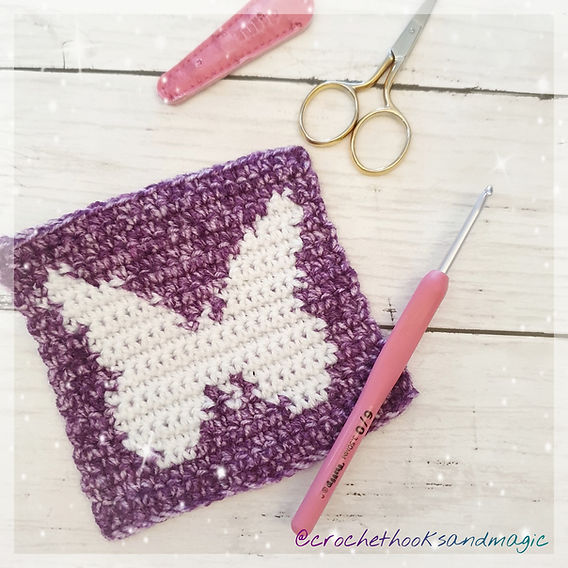
Credit: www.crochethooksandmagic.com
Frequently Asked Questions
What Materials Do I Need For Tapestry Crochet Patterns?
You need yarn in multiple colors, a crochet hook, scissors, and a yarn needle. Choose yarn weights suitable for your pattern. Having stitch markers helps maintain consistency. Quality materials improve the final look and durability of your tapestry crochet project.
How Do I Change Colors In Tapestry Crochet?
To change colors, work the last yarn over with the new color. Carry unused yarns along the row inside stitches. This technique keeps your work neat and avoids cutting yarns repeatedly. Practice helps achieve smooth color transitions.
Can Beginners Learn Tapestry Crochet Easily?
Yes, beginners can learn tapestry crochet with practice. Start with simple patterns and basic stitches. Focus on tension control and color changes. Watching tutorials and following step-by-step guides improves skills gradually.
How Do I Read Tapestry Crochet Patterns?
Tapestry crochet patterns use standard crochet abbreviations and color charts. Follow the color changes row by row. Counting stitches carefully avoids mistakes. Many patterns include diagrams to help visualize the design.
Conclusion
Tapestry crochet patterns bring color and fun to your projects. You can create beautiful designs with simple steps. Practice helps you get better and faster. Choose yarns with good contrast for clear patterns. Remember to keep your tension even for neat stitches.
Enjoy the process and try new ideas often. Your handmade tapestry crochet will impress friends and family. Start small, then make bigger, bolder pieces. Creativity grows with each stitch you make. Happy crocheting!



