
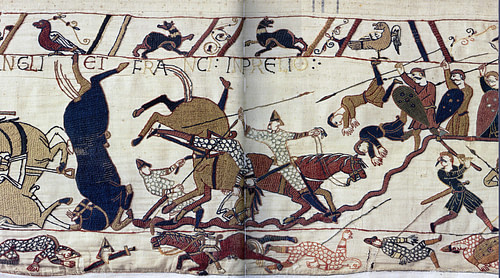
Have you ever wondered why such an important event like the Conquest of England was captured not in books or paintings, but in a tapestry? This might seem unusual at first, but the answer reveals a fascinating blend of history, art, and communication.
Understanding why the Conquest was documented this way can change how you see storytelling and history itself. Keep reading, and you’ll discover the secrets hidden in the threads of this remarkable piece of art—and why it still matters to you today.

Credit: jennifereremeeva.com
The Bayeux Tapestry’s Origins
The Bayeux Tapestry’s origins reveal a fascinating glimpse into how history was recorded in the 11th century. This embroidered cloth is more than just art; it serves as a vivid narrative of the Norman Conquest of England. Understanding where and why it was created helps you appreciate its role in preserving a key moment in history.
Commissioning And Creation
The tapestry was likely commissioned shortly after the Battle of Hastings in 1066. Historians believe it was ordered by Bishop Odo, William the Conqueror’s half-brother, to celebrate Norman victory.
It was probably made in England, despite depicting Norman events. This choice shows how intertwined English and Norman cultures had become after the conquest.
By commissioning the tapestry, the Normans ensured their story would be told visually. This was crucial because many people at the time couldn’t read, so images carried powerful messages.
Materials And Techniques
The Bayeux Tapestry is not a woven tapestry but an embroidered cloth made of linen. Wool yarn dyed in various colors was stitched onto the linen to create detailed scenes.
The creators used simple stitches like stem stitch and laid work, which allowed for clear outlines and vibrant fills. This technique made the images stand out and easy to understand at a distance.
Think about how much effort it took to produce over 70 meters of continuous storytelling. Every thread contributed to a durable and visually striking record that has survived nearly a thousand years.

Credit: www.techexplorist.com
Historical Context Of The Conquest
The Norman Conquest of England in 1066 stands as a pivotal moment in medieval history. This event reshaped England’s political, social, and cultural landscape. Understanding the historical context helps explain why the conquest was carefully documented, especially through the medium of tapestry.
Tapestries served as visual records in an era with limited literacy. They told stories that many could not read in books. The vivid scenes preserved the memory of the conquest for generations.
Background Of The Norman Invasion
England in 1066 was a land of uncertainty. King Edward the Confessor died without a clear heir. This sparked a struggle for the throne. William, Duke of Normandy, claimed he had a right to rule England. He prepared an invasion to enforce his claim.
The Normans were skilled warriors and organizers. They crossed the English Channel with a large army and fleet. The invasion was well-planned and decisive. It changed England’s ruling class forever.
Key Figures And Events
- William the Conqueror:Leader of the Norman forces, later King of England.
- Harold Godwinson:The last Anglo-Saxon king, defeated at the Battle of Hastings.
- Battle of Hastings:The decisive battle where William’s army defeated Harold’s forces.
The tapestry highlights these figures and moments. It portrays the tension, conflict, and victory in vivid detail. This visual storytelling made the conquest’s history accessible and memorable.
Narrative Power Of Visual Storytelling
The Conquest of England was captured in a tapestry to tell a clear and lasting story. Visual art shows events and emotions that words alone cannot. This makes history easier to understand and remember.
The ‘Narrative Power of Visual Storytelling’ isn’t just a modern marketing term—it’s a timeless technique that has been captivating audiences for centuries. The Conquest of England, famously documented in the Bayeux Tapestry, is a prime example of this. But why was such a monumental event captured in a tapestry rather than a written record? The answer lies in the tapestry’s ability to tell a story in a way that words alone cannot match.Advantages Over Written Records
Visual storytelling through tapestries like the Bayeux Tapestry offers several advantages over traditional written records. They provide an immediate, visual context that words often struggle to convey. Details of battles, the expressions of characters, and the progression of events unfold seamlessly, creating a vivid narrative accessible at a glance. Unlike written records, which require literacy and interpretation, tapestries communicate directly through imagery. They transcend language barriers, making the story of the Conquest accessible to a diverse audience. Imagine standing in front of the tapestry; its intricate details invite you to explore and interpret events in your own way, offering a personalized experience.Engaging A Wide Audience
The tapestry’s ability to engage a wide audience is another reason for its creation. In medieval times, literacy rates were low, and a tapestry could speak to everyone, from nobles to common folk. It was a medium that invited collective viewing, fostering shared understanding and discussion. Consider how the vivid depictions in the tapestry draw viewers in, much like a modern-day blockbuster. This inclusivity ensures the story’s legacy endures across generations, appealing to both young and old, educated and uneducated. Have you ever thought about how accessible your stories are to your audience? In essence, the Bayeux Tapestry’s narrative power lies in its universal appeal and its ability to tell a complex story succinctly and engagingly. Visual storytelling, as exemplified by this historic piece, remains a powerful tool for capturing the imagination and ensuring that stories are shared widely and remembered fondly.Symbolism And Artistic Details
The Conquest of England, as depicted in the famous tapestry, is more than just a historical record. It is a carefully crafted piece filled with symbolism and artistic details that communicate deeper messages. Understanding these details helps you appreciate the tapestry not just as art but as a powerful storytelling tool.
Iconography And Imagery
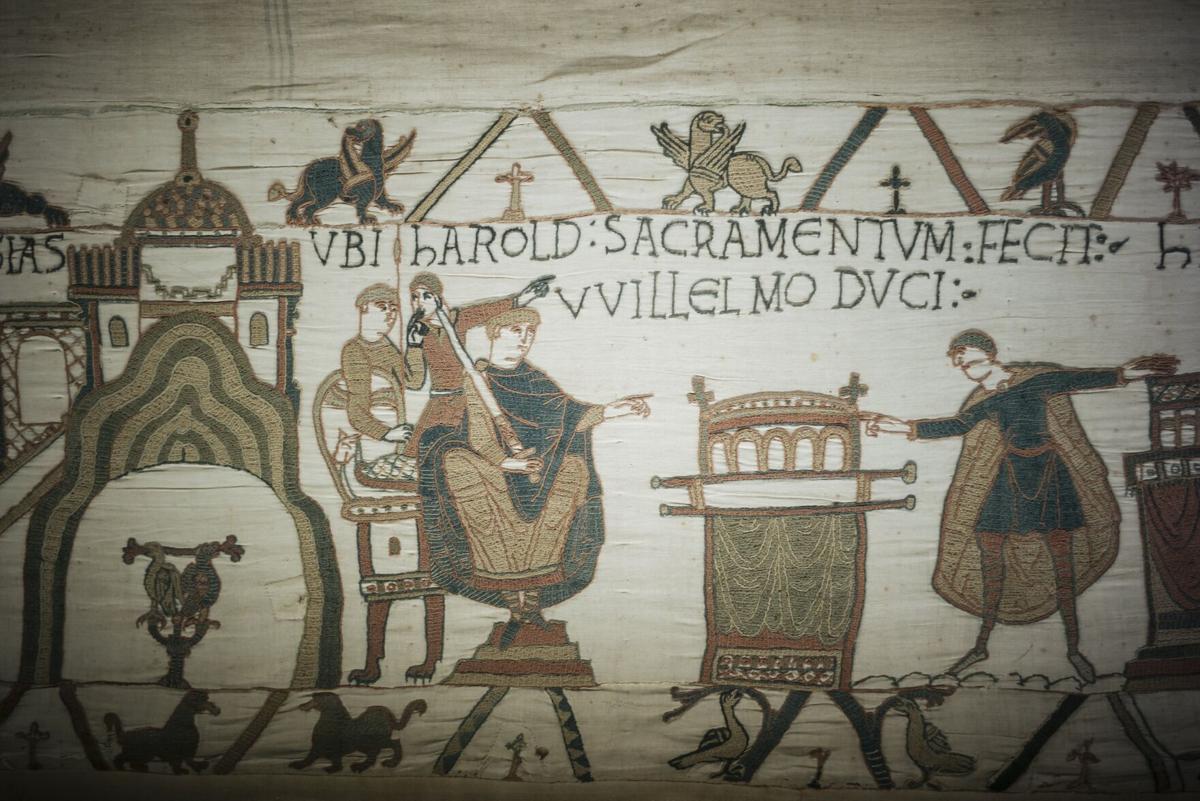
Every figure and object in the tapestry carries meaning. Kings and soldiers are shown with specific gestures and clothing that highlight their status and role. For example, the crown is never just a crown; it symbolizes authority and legitimacy.
Animals, weapons, and even architectural elements are chosen deliberately. A falcon might represent nobility, while a broken sword could signify defeat or loss. These images guide your interpretation and keep you engaged with the story.
Messages Conveyed Through Design
The design itself sends clear messages about power, victory, and justice. The tapestry’s layout often leads your eyes from one event to another, creating a visual narrative that feels like a sequence of moments frozen in time.
The use of color also plays a key role. Bright reds and golds emphasize triumph and importance, while darker shades may indicate danger or sorrow. This visual contrast helps you understand the emotional tone without reading any text.
Think about what story you would tell if you had to use only images and colors. How would you make sure your message was clear? The tapestry challenges you to see history not just as facts but as a vivid experience.
Preservation And Legacy
The Conquest of England was recorded in a tapestry to ensure its story lasted beyond the moment. This tapestry became a key piece of cultural history. It helped preserve a pivotal event for future generations. The artwork’s detail and scale made it a strong visual record.
The tapestry also shaped how people remembered the conquest. It gave a clear image of the event, making it easier to understand. Its presence in a public space allowed many to witness the story. This helped keep the memory alive in England’s collective mind.
Survival Through Centuries
The tapestry survived many challenges over the years. It endured wars, fires, and changes in rulers. Its strong fabric and careful upkeep helped it last. Skilled restorers repaired damaged sections to keep the story visible. This care ensured the tapestry stayed intact for hundreds of years.
Because it lasted so long, the tapestry remains a rare link to the past. It shows the clothing, armor, and scenes from 11th-century England. This physical connection makes history feel real and close. Without it, many details of the conquest might be lost.
Impact On Historical Documentation
The tapestry changed how history was recorded and shared. It combined art with storytelling in a unique way. People saw events as pictures, not just written words. This made history easier to remember and pass on.
Historians use the tapestry to understand the conquest better. It offers clues about weapons, tactics, and people involved. The visual record complements written documents from the time. It set a model for using images to tell history clearly.
Credit: www.thespec.com
Modern Interpretations And Studies
The Conquest of England, as depicted in the famous tapestry, continues to captivate historians and enthusiasts alike. Modern interpretations and studies offer fresh perspectives on why this event was immortalized in such a unique medium. These insights help you understand not just the historical facts but also the deeper stories woven into the fabric.
Archaeological Insights
Archaeologists have examined the tapestry closely, revealing details that textbooks often overlook. The materials and stitching techniques hint at the resources and skills available during the period. These findings suggest the tapestry was more than decoration; it was a carefully crafted narrative tool.
Recent digs near the original site of the conquest uncovered artifacts that match scenes in the tapestry. This confirms its role as a visual record and raises questions about the accuracy of its portrayal. How do these physical discoveries change your view of the event?
Cultural Significance Today
Today, the tapestry stands as a symbol of cultural identity and storytelling. Museums around the world showcase it, drawing visitors who want to connect with history visually. Its impact goes beyond art—it challenges you to think about how stories are told and remembered.
Many modern artists and historians use the tapestry as inspiration for new works and discussions. It invites you to consider the power of images in shaping history. What does it say about how societies want to be seen by future generations?
Frequently Asked Questions
Why Was The Conquest Of England Shown In A Tapestry?
The tapestry visually narrates the story for those who couldn’t read. It preserved history through vivid images. This method was engaging and accessible, making complex events easy to understand for all.
What Makes The Tapestry A Reliable Historical Source?
The tapestry was created by witnesses or near-witnesses. It combines text and imagery to provide context. Its detailed scenes offer unique insights into the Norman Conquest and medieval life.
How Did The Tapestry Influence Medieval Storytelling?
The tapestry set a precedent for visual storytelling. It combined art and history, inspiring future narratives. This method helped spread important events across Europe effectively.
Who Commissioned The Tapestry Of The Conquest Of England?
It was likely commissioned by William the Conqueror’s family. They wanted to legitimize their rule through this visual record. The tapestry reinforced their power and historical claim.
Conclusion
The tapestry tells a story that words alone cannot show. It helped people remember the conquest clearly. The images made history easy to understand. This artwork kept the past alive for many years. It shows how art and history connect deeply.
The tapestry remains a powerful way to share stories. It stands as proof of a time long ago. This is why the conquest was recorded in a tapestry.



