
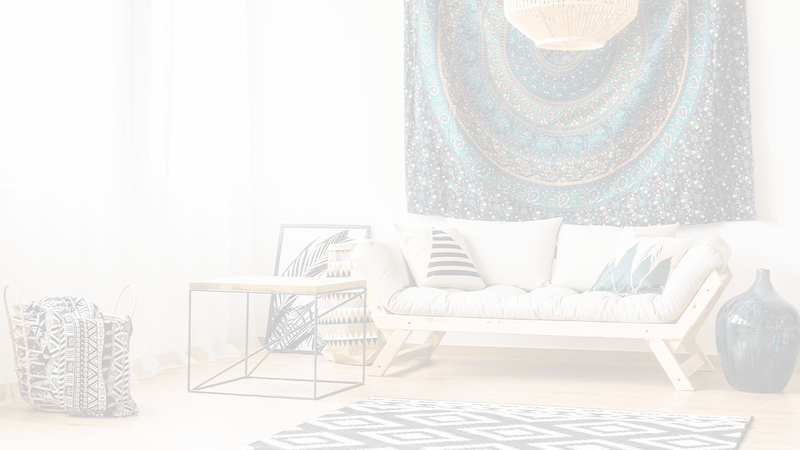
Are you ready to transform your space with a beautiful tapestry but don’t know where to start? Hanging a tapestry might seem tricky, but with the right tips, you can easily turn your blank wall into a stunning focal point.
Whether you want to add color, texture, or personality to your room, this guide will show you simple and effective ways to hang your tapestry without damaging your walls. Keep reading to discover how you can make your space uniquely yours in just a few easy steps.
Choosing The Right Tapestry
Choosing the right tapestry is a key step before you hang it on your wall. The perfect tapestry not only fills your space but also reflects your personality and style. Think about what you want the tapestry to say about your room and yourself.
Material And Size Considerations
The material of your tapestry affects both its look and how easy it is to hang. Cotton tapestries are lightweight and breathable, making them simple to work with. Polyester or heavier fabrics offer durability but might need stronger support.
Size matters as well. A small tapestry can add a subtle touch, while a large one can become a bold statement. Measure your wall space carefully to avoid choosing something too big or too small. How much wall space do you want your tapestry to cover?
Matching Your Decor Style
Your tapestry should complement the room’s existing decor, not clash with it. If your room has modern furniture, choose a tapestry with clean lines or abstract designs. For a cozy, rustic feel, opt for warm colors and traditional patterns.
Think about the colors already present in your room. A tapestry with complementary colors can tie the whole space together, while contrasting colors can add an exciting pop. What mood do you want your room to have?
Preparing Your Wall Space
Preparing your wall space is key to hanging a tapestry properly. A well-chosen spot and careful measuring make the tapestry look its best. This step sets the foundation for a neat and secure display.
Selecting The Best Location
Pick a wall that is clean and free of clutter. Choose a spot with enough space for the tapestry size. Avoid places near direct sunlight to prevent fading. A plain wall helps the tapestry stand out clearly. Consider the room’s style and color scheme. The tapestry should complement, not clash, with the decor.
Measuring And Marking
Measure the tapestry’s width and height carefully. Mark the wall where the top corners will hang. Use a pencil for light, easy-to-remove marks. Double-check measurements to keep the tapestry straight. A level tool helps ensure the marks are even. Accurate marking prevents crooked or uneven hanging.
Tools And Supplies Needed
Gather basic tools like a tape measure, nails or hooks, and a hammer or screwdriver. Choose supplies that match your wall type for secure hanging. A level helps keep the tapestry straight and neat.
Hanging a tapestry can transform a blank wall into a captivating focal point. But before you begin, it’s essential to gather the right tools and supplies. Having everything you need at your fingertips makes the process smoother and ensures your tapestry hangs beautifully.Essential Hanging Tools
To hang a tapestry, you’ll need some basic tools that are likely already in your home. Start with a measuring tape to ensure precise placement. A level is crucial for keeping your tapestry straight, preventing the dreaded crooked hang. You might also need a hammer if you’re using nails. If you prefer a less permanent option, command strips or adhesive hooks are excellent choices. These are gentle on walls, making them ideal for renters. A sturdy ladder or step stool will help you reach higher spots safely. And don’t forget a pencil to mark where you’ll place your hooks or nails.Optional Decorative Accessories
To add a personal touch, consider decorative accessories. Wooden or metal rods can enhance the look of your tapestry, providing a polished finish. If you’re feeling creative, think about adding fairy lights for a magical glow. Tassels or beads can be attached to the bottom of the tapestry for a unique flair. These can be found at craft stores and offer a customizable aspect to your wall art. Finally, think about the ambiance. Do you want your tapestry to blend with other decor or stand out as a statement piece? The choice of accessories can help you achieve the desired effect. By preparing with the right tools and considering decorative options, you’re setting the stage for a successful tapestry display. What creative touches will you add to make your tapestry truly yours?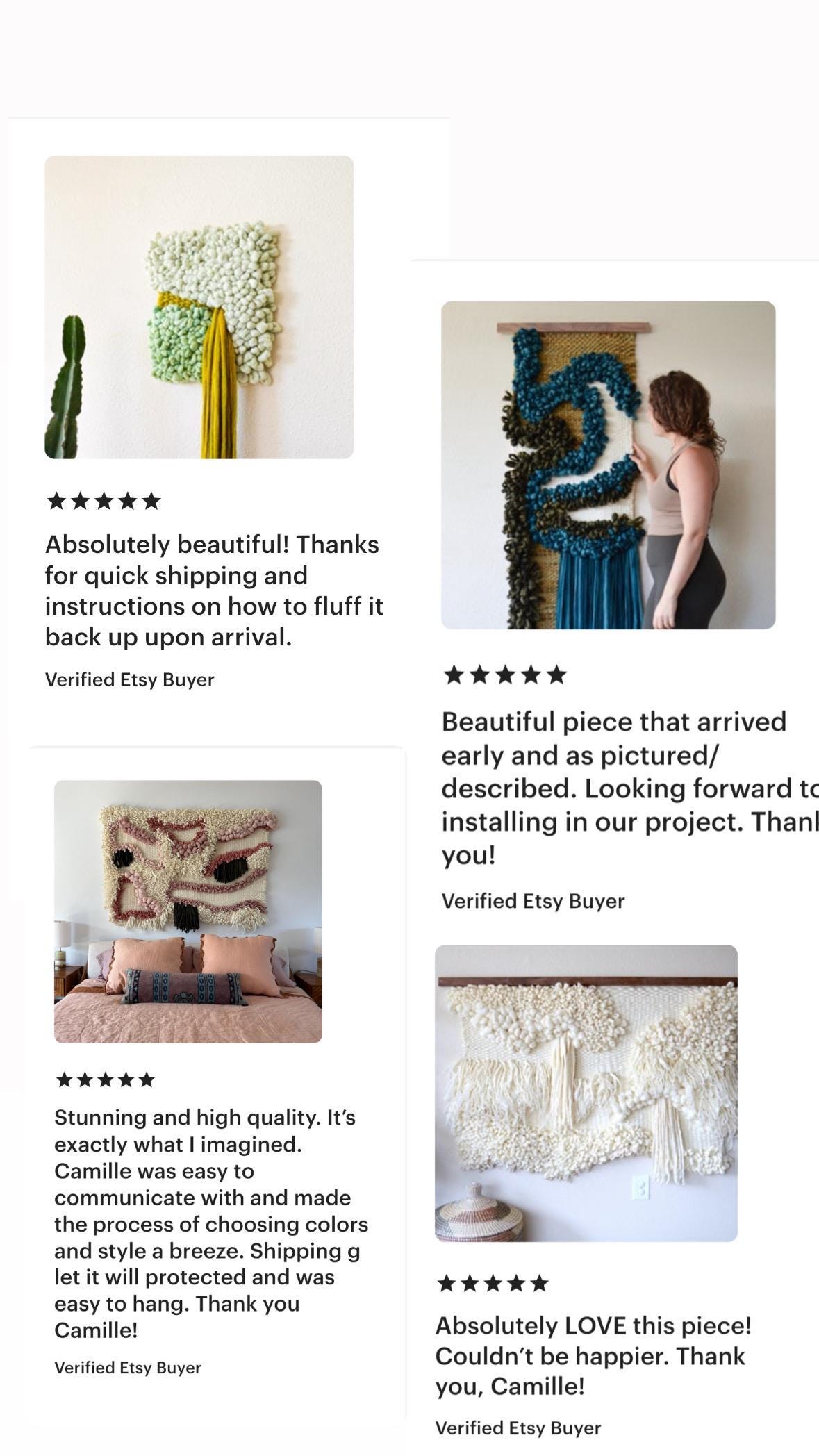
Credit: www.etsy.com
Hanging Methods For Different Walls
Choosing the right hanging method depends on the wall type and your tapestry size. Some walls handle nails well, while others need gentle options. Knowing different techniques helps protect your walls and display your tapestry beautifully.
Using Nails And Hooks
Nails and hooks offer strong support for heavy tapestries. Use small nails or picture hooks to avoid large holes. This method works best on wooden or drywall surfaces. Hammer the nail at a slight angle for better hold. Hang the tapestry using loops or grommets sewn into the fabric. It keeps the tapestry flat and secure.
Adhesive Strips And Tapes
Adhesive strips and tapes suit delicate walls like plaster or painted drywall. Choose strips designed to hold fabric without damage. Clean the wall surface before applying strips. Attach the strips to tapestry corners or edges. Press firmly for a few seconds to ensure good adhesion. This method allows easy removal and repositioning.
Rod And Clip Techniques
Rods and clips create a stylish, flexible display. Insert a lightweight curtain rod through a sewn pocket or loops on the tapestry. Mount the rod using brackets or hooks on the wall. Use curtain clips to hang tapestries without sewing pockets. This method works well on most walls and lets you change tapestries quickly.
Ensuring Tapestry Stability
Ensuring your tapestry stays firmly in place is key to enjoying its beauty without frustration. A stable tapestry not only looks better but also prevents damage to your walls and the fabric itself. Let’s look at how you can keep your tapestry secure and smooth for the long haul.
Preventing Slippage
Slippage can ruin the look of your tapestry quickly. To stop it, use a strong, non-slip backing such as adhesive strips designed for fabric or velcro strips. These add grip without damaging your wall or tapestry.
Another trick is to hang your tapestry over a wooden dowel or rod. This adds weight and distributes tension evenly, reducing movement. Have you tried using curtain clips? They hold the fabric tightly, preventing it from sliding sideways.
Securing Edges And Corners
Edges and corners are the most vulnerable spots for your tapestry to loosen or curl. Pinning or taping these points can keep the fabric taut and flat against the wall.
Use small, clear push pins or decorative tacks at the corners to anchor your tapestry. If you prefer less visible options, double-sided tape works well to secure edges without leaving marks.
Consider sewing small loops or tabs onto the corners before hanging. This allows you to attach the tapestry to hooks or nails securely, reducing strain on the fabric over time. What’s your go-to way to keep corners crisp and neat?
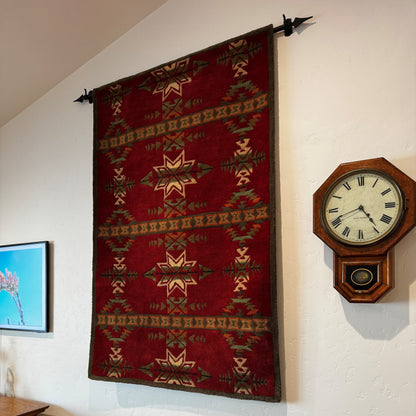
Credit: ironhardware.com
Creative Display Ideas
Creative display ideas breathe life into a tapestry and your room. They turn a simple fabric into a focal point that reflects your style. Experimenting with different ways to hang and pair your tapestry transforms any space.
Layering With Other Wall Art
Layering a tapestry with other wall art adds depth and interest. Place framed prints or photos around the edges. Use shelves to hold small sculptures or plants near the tapestry. This mix creates a gallery feel without clutter.
- Overlap smaller art pieces for a dynamic look
- Mix textures like wood, metal, and fabric
- Choose colors that complement your tapestry
Incorporating Lighting
Lighting highlights the beauty and details of your tapestry. Use soft spotlights or fairy lights to create a warm glow. Position lights above or behind the tapestry for a subtle effect. Lighting changes the mood and draws attention.
- String lights along the edges for a cozy vibe
- Install adjustable wall lamps to focus on patterns
- Use LED strips for an even, modern look
Seasonal And Themed Arrangements
Seasonal and themed displays keep your space fresh and exciting. Swap tapestries to match holidays or seasons. Add small decor items like wreaths, garlands, or themed cushions. This approach personalizes your room without extra work.
- Use autumn colors and leaves in fall
- Add floral accents for springtime
- Incorporate festive lights and ornaments during winter holidays
Maintaining Your Tapestry
Maintaining your tapestry helps it stay beautiful and last longer. Proper care protects the fabric and colors. Small actions keep it fresh and vibrant over time.
Cleaning Tips
Dust your tapestry gently with a soft brush or vacuum on low. Avoid harsh chemicals that can damage fibers. Spot clean with mild soap and cold water if needed. Let it air dry flat to keep shape. For deep cleaning, check the care label or consult a professional.
Storage Solutions
Store your tapestry in a cool, dry place away from sunlight. Roll it instead of folding to avoid creases. Use acid-free tissue paper to separate layers if folding is necessary. Keep it in a breathable fabric bag or cotton sheet. Avoid plastic bags that trap moisture and cause mold.

Credit: www.youtube.com
Frequently Asked Questions
How Do I Hang A Tapestry Without Damaging Walls?
Use adhesive hooks or removable strips to hang your tapestry. These options avoid holes and protect your walls. Choose hooks that support your tapestry’s weight. This method is ideal for renters or temporary displays.
What Tools Do I Need To Hang A Tapestry?
You need a measuring tape, level, and appropriate hooks or nails. Use a hammer or screwdriver depending on your wall type. For heavier tapestries, consider anchors or a wooden rod. This ensures secure and straight hanging.
Can I Hang A Tapestry Without Sewing Or Framing?
Yes, you can use clips, adhesive strips, or a curtain rod. These methods require no sewing or framing and are easy to adjust. They also preserve the tapestry’s condition and make removal simple.
How High Should I Hang A Tapestry On The Wall?
Hang your tapestry at eye level or slightly above furniture. Typically, the center should be about 57-60 inches from the floor. This placement creates balance and makes your tapestry a focal point.
Conclusion
Hanging a tapestry can brighten any room quickly. Choose the right method for your wall type. Use simple tools to keep the tapestry secure. Take care to avoid damage while hanging it. Enjoy the new look and cozy feel it brings.
Small steps make a big difference in decorating. Try different styles to match your space perfectly. Keep your tapestry neat and clean for longer use. Easy to do, and fun to see. Your wall now tells a story with style.



