

Have you ever stopped to think about the power hidden in everyday objects? A chair, a table, a lamp—simple things you see and use every day.
But what if these ordinary items held secrets or meanings that could change the way you see a story? In The Handmaid’s Tale, these objects are more than just furniture; they carry weight, emotion, and symbolism that deepen the experience.
If you want to discover how something as common as a chair or a lamp can reveal new layers in this gripping tale, keep reading. Your perspective on the story—and maybe even on the world around you—might never be the same.
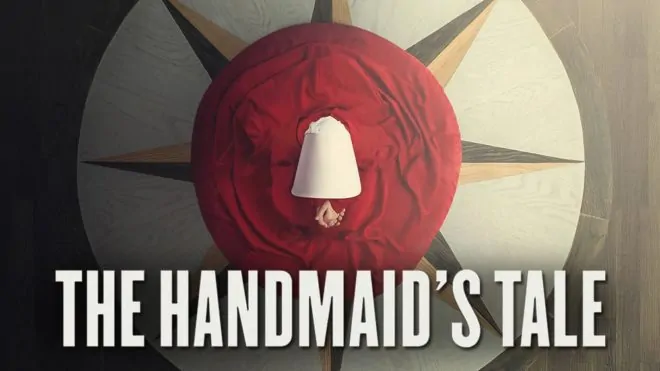
Credit: www.skyminds.net
Iconic Objects In The Handmaid’s Tale
The Handmaid’s Tale is filled with objects that carry deeper meanings, shaping how the story feels and what it tells us about power, control, and resistance. These items aren’t just props; they hold stories within themselves. Understanding their roles helps you see the world of Gilead more clearly and feel the weight of the characters’ struggles.
Role Of The Chair
The chair in The Handmaid’s Tale often represents authority and control. It’s a place where those in power sit, making decisions that affect everyone else. When Offred sits in a chair, it’s a reminder of her limited agency, showing how even simple furniture can symbolize oppression.
Think about how a chair usually offers comfort and rest. In Gilead, it becomes a tool of discomfort, a symbol of where you stand in the social order. Have you ever noticed how something as ordinary as a chair can change meaning based on who uses it?
Meaning Behind The Table
The table is a gathering point, but in Gilead, it turns into a place of surveillance and silence. Meals at the table aren’t just about eating; they’re moments charged with tension and rules. The table exposes the lack of freedom, as characters often sit under strict watch or in forced company.
When you think about your own dining table, it might represent connection and warmth. In the world of The Handmaid’s Tale, the same object highlights isolation and fear. This contrast pushes you to question how everyday objects can reflect different realities.
Symbolism Of The Lamp
The lamp shines light but also exposes what people want to hide. In The Handmaid’s Tale, it symbolizes both hope and scrutiny. Characters often find themselves under its glow, where secrets become visible and vulnerability increases.
Consider how a lamp in your home creates comfort by lighting up dark spaces. In Gilead, the lamp’s light can feel invasive, reminding you that illumination isn’t always safe. What does this make you think about the balance between visibility and privacy in your own life?
Symbolism And Power Dynamics
The objects in A Chair, a Table, a Lampcarry more weight than their physical forms suggest. They symbolize the intricate power dynamics at play within the story’s world. Each item is a silent witness to control, resistance, and the complex roles assigned to characters.
Objects As Tools Of Control
In the narrative, everyday objects become extensions of authority. A chair isn’t just for sitting—it’s a throne of command or a symbol of confinement. A lamp shines light selectively, deciding what is visible and what remains hidden.
Think about how these objects limit freedom. The table often dictates who can gather and who must stay apart. Such subtle control reminds you how power often hides in plain sight, shaping behavior without overt force.
Representation Of Gender Roles
The chair, table, and lamp also reflect strict gender expectations. Women’s roles are often confined to certain spaces and functions, mirrored by how these objects are used and controlled. The lamp’s light can highlight or erase presence, much like societal visibility of women’s voices.
Consider your own surroundings—how might objects reinforce or challenge gender roles there? This story pushes you to notice the everyday symbols around you and question what they say about power and identity.
Spaces Of Resistance
Despite their use as tools of control, these objects can also become sites of quiet rebellion. A chair turned away from authority or a lamp switched off disrupts the expected order. These small acts of defiance open cracks in the oppressive system.
Have you ever used something ordinary in an unexpected way to assert your independence? The story shows how even simple things can empower you to reclaim space and voice. It’s a reminder that resistance often starts with everyday choices.
Visual And Emotional Impact
A chair, a table, and a lamp create a simple yet powerful scene in The Handmaid’s Tale. These objects reflect control and isolation, stirring deep emotions. Their visual presence adds tension and meaning to the story’s dark atmosphere.
Visual and emotional elements in “The Handmaid’s Tale” hold deep significance. A chair, a table, a lamp—simple objects, yet powerful symbols. These items evoke strong feelings and create a distinct atmosphere. Their presence influences how viewers interpret the story’s themes.Creating Atmosphere
A chair in a dimly lit room can speak volumes. It sets a tone of solitude and restraint. The table, bare and functional, highlights the starkness of the setting. Together with the lamp’s soft glow, they craft an eerie ambiance. This visual language conveys the oppressive nature of the world in “The Handmaid’s Tale”.Emotional Connection To Objects
Objects like a chair or table become emotional anchors. They hold memories and stories. In “The Handmaid’s Tale”, these items symbolize control and resistance. The lamp’s light offers a glimmer of hope. Viewers form connections, feeling the characters’ struggles through these objects.Influence On Viewer Interpretation
The arrangement of these objects affects how the story is perceived. A single chair against a wall suggests isolation. A cluttered table might indicate chaos or rebellion. The lamp’s brightness can shift the mood from despair to determination. These visual cues guide the viewer’s understanding of the narrative.
Credit: www.skyminds.net
Comparisons To Other Symbols In Literature
Symbols in literature often carry deep meanings that connect readers to the themes and emotions of the story. Comparing symbols across different works can help you understand how authors use objects to represent bigger ideas. The chair, table, and lamp in The Handmaid’s Taleare no exception; they invite you to think about control, identity, and resistance in ways that resonate with other dystopian novels.
Similar Symbolism In Dystopian Works
Many dystopian stories use everyday objects to symbolize control and oppression. Take the glass paperweight in George Orwell’s 1984. Like the lamp in The Handmaid’s Tale, it represents fragile beauty trapped in a harsh world.
Chairs and tables also appear in dystopian works as symbols of power or confinement. In Ray Bradbury’s Fahrenheit 451, the fireman’s uniform and the hearth symbolize both authority and the suppression of knowledge, much like how the rigid household objects in Atwood’s story reflect societal rules.
Do you notice how these objects, though ordinary, become powerful tools to highlight the loss of freedom? They make you question the world around you and your place in it.
Unique Aspects In The Handmaid’s Tale
What sets the chair, table, and lamp apart in Atwood’s novel is their connection to gender and identity. The lamp, for instance, not only lights a room but also exposes the darkness of the regime’s control over women’s lives.
The chair and table go beyond mere furniture; they become silent witnesses to Offred’s resistance and submission. Their presence in the narrative feels intimate, almost like characters themselves, reflecting the tension between personal space and public control.
Have you ever thought about how the simplest items in your home might carry stories of your own struggles or freedom? Atwood’s use of these symbols challenges you to see the familiar with new eyes.
Legacy Of The Symbols
The symbols in A Chair, a Table, a Lampcarry a powerful legacy that extends beyond the pages of Margaret Atwood’s work. These objects aren’t just props; they hold deep meaning and provoke thought about control, identity, and resistance. Their influence has reached far into culture, adaptations, and even merchandise, shaping how audiences connect with the story.
Cultural Influence
These simple objects have sparked conversations about power and oppression in everyday settings. A chair, a table, and a lamp remind us how ordinary things can represent larger societal forces. Have you ever noticed how something as basic as a chair can symbolize authority or confinement?
In many discussions and protests, these symbols have been used to highlight issues of freedom and control. Their presence challenges you to think about the spaces you occupy and how objects around you might carry unseen meanings. It’s a reminder that symbolism can be found in the most unexpected places.
Use In Adaptations And Merchandise
The legacy of these symbols continues in various adaptations of The Handmaid’s Tale. TV shows and stage productions often feature a chair, a table, or a lamp to emphasize themes without needing words. These items become silent storytellers, deepening your emotional experience.
Merchandise inspired by the symbols has become popular among fans. From minimalist lamps to unique furniture pieces, these items let you bring a piece of the story into your own life. Owning such merchandise can spark your own reflection on the book’s themes every day.
- Collectible replicas of the chair, table, and lamp
- Decor items inspired by the show’s aesthetic
- Wearables featuring symbolic designs
How do you think owning or seeing these symbols regularly might change your perspective on the story or its messages?

Credit: www.billboard.com
Frequently Asked Questions
What Is The Significance Of ‘a Chair A Table A Lamp’ In The Handmaid’s Tale?
‘A Chair a Table a Lamp’ symbolizes control and oppression in The Handmaid’s Tale. These objects represent limited freedom and confinement experienced by the handmaids in Gilead’s dystopian society.
How Does ‘a Chair A Table A Lamp’ Relate To Gilead’s Power Dynamics?
The chair, table, and lamp highlight Gilead’s strict rules and surveillance. They reflect how the regime controls women’s roles and restricts their autonomy in daily life.
Why Is Minimalist Furniture Important In The Handmaid’s Tale?
Minimalist furniture emphasizes the stark, oppressive environment of Gilead. It strips away comfort and individuality, reinforcing the handmaids’ lack of personal freedom and identity.
How Do These Objects Affect The Handmaids Emotionally?
The chair, table, and lamp evoke feelings of isolation and vulnerability. They remind handmaids of their limited agency and constant scrutiny under Gilead’s regime.
Conclusion
A Chair, a Table, a Lamp in The Handmaid’s Tale hold deep meaning. These simple objects show control and survival in the story. They help us understand the world of Gilead better. Symbols like these make the tale more powerful and real.
Remembering small details reveals big ideas. This story stays with you long after reading. It asks us to think about power and freedom. Simple things can tell complex stories. That’s the strength of Atwood’s writing.



