
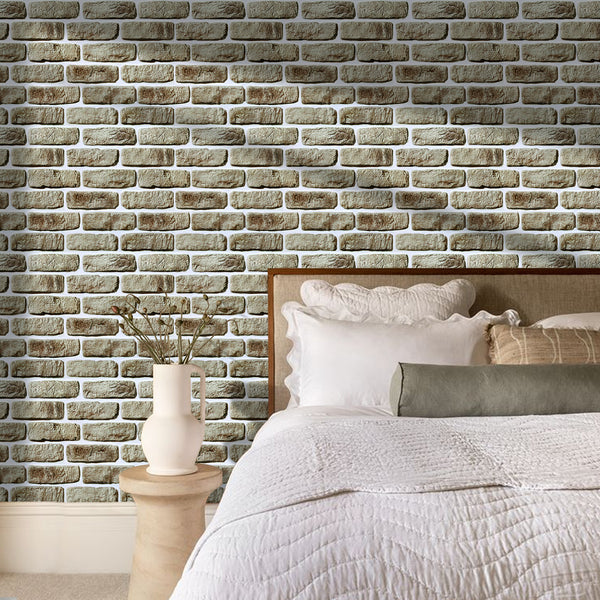
Are you thinking about giving your walls a fresh new look but wondering if 3D wall panels can be painted? You’re not alone.
Many people love the texture and depth these panels add but worry about changing their color to match a new style. The good news is, painting 3D wall panels is easier than you might think. You’ll discover simple tips and tricks to transform your space without damaging your panels.
Keep reading to find out how you can customize your walls and bring your design vision to life.

Credit: commomy.com
Types Of 3d Wall Panels
3D wall panels come in various types, each designed to create unique visual effects and tactile experiences on your walls. Understanding these types can help you choose the right panel that fits your style and room requirements. Let’s look closely at what makes these panels distinct, starting with the materials used and the surface textures they offer.
Materials Used
The material of a 3D wall panel determines not only its look but also its durability and ease of painting. Common materials include:
- MDF (Medium-Density Fiberboard):Smooth and easy to paint, MDF panels are a popular choice for those wanting a sleek finish.
- PVC (Polyvinyl Chloride):Lightweight and water-resistant, PVC panels are great for bathrooms and kitchens but may require special paint for adhesion.
- Bamboo and Wood:Natural and warm, these panels add texture but might need sanding and priming before painting.
- Gypsum:Offers intricate designs and a sturdy feel but can be fragile and needs careful handling.
- Plant Fiber:Eco-friendly options made from natural fibers bring a rustic look but often require specific paint types.
Have you considered how the panel’s material affects your painting options? Choosing the right base can save you time and effort later.
Surface Textures
The texture of 3D wall panels varies widely and defines the final look of your wall. Some common textures include:
- Geometric Patterns:Sharp lines and shapes create a modern, dynamic effect that plays with light and shadow.
- Organic Waves:Soft, flowing curves add a calming, natural vibe to the space.
- Floral or Nature-Inspired:Detailed designs that bring a touch of the outdoors inside.
- Abstract and Artistic:Unique, creative patterns that make a statement and serve as conversation starters.
The texture you choose can either highlight the paint or blend seamlessly with your wall color. What feeling do you want your walls to evoke? That’s a key question before picking your panel texture.

Credit: commomy.com
Choosing The Right Paint
Choosing the right paint for 3D wall panels is essential for a lasting and beautiful finish. The paint must stick well and highlight the texture without hiding details. It also needs to resist peeling and fading over time. Picking the correct type and color will make your panels look vibrant and fresh.
Paint Types Suitable For Panels
Not all paints work well on 3D wall panels. Some paints may crack or peel because of the panel’s surface material. Here are paint types that perform best:
- Acrylic Paint:Water-based, quick-drying, and flexible. It sticks well to most panel materials.
- Latex Paint:Also water-based, easy to clean, and durable. It provides good coverage.
- Spray Paint:Great for even coverage on textured surfaces. Use spray paint designed for interior walls.
- Chalk Paint:Offers a matte finish and good adhesion. Ideal for decorative panels.
Avoid oil-based paints as they may not bond properly with some panel materials.
Color Selection Tips
Choosing the right color enhances the 3D effect and complements your room’s style. Consider these tips:
- Use lighter colors to make the room feel bigger and brighter.
- Darker colors add depth and drama to the textured surface.
- Test paint samples on a small panel area before painting the entire wall.
- Think about the room’s lighting; natural and artificial light change how colors appear.
- Match or contrast the panel color with surrounding walls for visual interest.
Preparing Panels For Painting
Preparing 3D wall panels for painting is crucial. It ensures a smooth and long-lasting finish. Proper preparation helps the paint adhere better. This enhances the final appearance. Let’s explore the steps involved in this process.
Cleaning The Surface
Start by removing dust and grime. Use a soft cloth or sponge. Mild soap and water work well. Avoid harsh chemicals. They might damage the panel’s texture. Rinse thoroughly with clean water. Let the surface dry completely. This prevents moisture issues later.
Priming Techniques
Priming is essential for good paint adhesion. Choose a primer suitable for your panel material. Apply a thin, even coat. Use a brush or roller for best results. Allow the primer to dry fully. This provides a solid base for the paint.
Painting Methods
Painting 3D wall panels offers a chance to customize your space with color and texture. Choosing the right painting method affects the finish and durability. Various techniques suit different panel materials and designs. Understanding these methods helps achieve a smooth, even coat without losing the 3D effect.
Brush Vs Spray Application
Brush painting gives control over edges and corners. It works well for small areas and detailed panels. Brushes allow careful application in grooves and raised parts.
Spray painting covers large surfaces quickly and evenly. It reaches hard-to-paint spaces in intricate designs. Sprayers create a smooth finish without visible brush marks.
- Brush painting is slower but precise.
- Spray painting is faster but needs protective covering for nearby areas.
- Brush suits textured panels with deep grooves.
- Spray suits flat or gently curved panels.
Multiple Coats And Drying Times
Applying multiple coats ensures rich, consistent color. Thin coats dry faster and reduce drips. Each layer must dry before the next starts.
Drying times vary by paint type and room conditions. Water-based paints dry quicker than oil-based ones. Proper drying avoids smudges and uneven texture.
- Wait at least 1-2 hours between coats for water-based paints.
- Oil-based paints may need up to 24 hours to dry completely.
- Use light sanding between coats for a smoother surface.
- Ensure good ventilation to speed up drying.
Avoiding Common Mistakes
Painting 3D wall panels can transform a room, but it’s easy to slip into common pitfalls that ruin the finish. Avoiding these mistakes will save you time, money, and frustration. Let’s look at how you can achieve a smooth, flawless paint job while protecting your panels from damage.
Paint Drips And Uneven Coverage
Paint drips are a clear sign of rushed or careless work. They not only look messy but can also ruin the textured details of your 3D panels. To prevent this, use a high-quality brush or a spray gun with adjustable pressure.
Apply thin, even layers instead of thick coats. This approach ensures better coverage and reduces the risk of drips. Have you noticed how starting with a light mist coat makes all the difference in getting a smooth finish?
Also, keep an eye on drying times between coats. Rushing to paint over a still-wet surface often results in blotchy areas. Patience here leads to a professional-looking result.
Surface Damage Prevention
3D wall panels can be fragile, especially if made from materials like gypsum or MDF. Using harsh sandpaper or scrubbing too hard before painting can cause dents or scratches. Instead, lightly clean the surface with a soft cloth and mild detergent.
Protect edges and corners by taping them carefully before painting. This small step helps maintain sharp, clean lines. Have you ever had to fix chipped edges that could have been avoided with simple masking tape?
Finally, avoid leaning heavy tools or ladders against the panels. Even minor pressure can cause dents that ruin the look. Treat your walls gently, as you would a valuable piece of art.
Maintaining Painted 3d Panels
Maintaining painted 3D wall panels helps keep their beauty and texture intact. These panels can add depth and style to any room. Proper care extends the paint’s life and the panel’s appearance. Simple maintenance avoids damage and keeps walls looking fresh for years.
Cleaning Tips
Use a soft cloth or sponge to clean painted 3D panels. Avoid abrasive materials that might scratch the paint. Lightly dampen the cloth with water or mild soap solution. Gently wipe the surface to remove dust and dirt. Dry the panels with a clean, dry cloth to prevent water marks. Regular cleaning prevents buildup and keeps colors vibrant.
Touch-up Advice
Keep some extra paint from the original job for touch-ups. Use a small brush to fix scratches or chips carefully. Match the paint color exactly for a seamless look. Work in good lighting to see imperfections clearly. Allow touch-up paint to dry completely before touching the surface. Touch-ups help maintain a flawless finish on 3D panels.
Creative Painting Ideas
Painting 3D wall panels opens up a world of creative possibilities that can transform any space. With the right approach, you can highlight the depth and shapes of the panels, turning your walls into true works of art. Let’s look at some ideas that help you make the most of your 3D wall panels through paint.
Accent Wall Designs
Using 3D panels as an accent wall instantly draws attention to that part of the room. You can paint the panels in a bold, solid color to create a striking contrast with the surrounding walls. Alternatively, try a gradient effect that moves from dark to light shades across the panels to add a dynamic feel.
Think about how lighting interacts with the panels. A glossy finish on raised areas and a matte finish on recessed parts can add depth and interest. Have you considered how a single color, applied cleverly, can make your wall a stunning focal point without overwhelming the space?
Combining Colors And Textures
Mixing different colors on 3D panels can emphasize their shapes and create a playful, artistic vibe. You don’t have to stick to one color—try alternating complementary colors on individual panels or sections. This approach works well in modern and eclectic interiors.
Adding textures through paint, like metallic or chalk finishes, can amplify the tactile appeal of 3D panels. For instance, metallic gold or silver highlights on edges can catch light beautifully. Would using two or three paint textures on the same wall give your room that unexpected wow factor?
Credit: www.vevor.ca
Frequently Asked Questions
Can 3d Wall Panels Be Painted Easily?
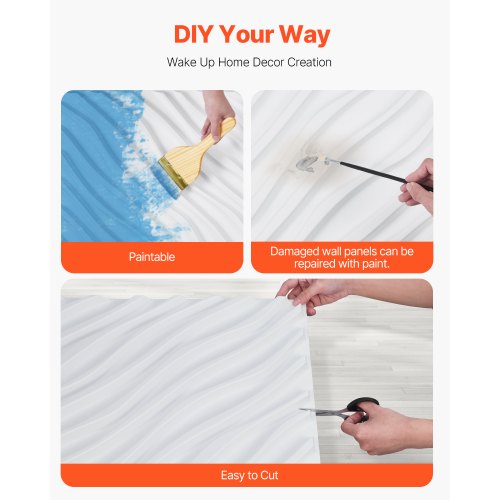
Yes, 3D wall panels can be painted easily. Use a primer first for better paint adhesion. Choose paint compatible with the panel material. Acrylic or latex paints work well for most surfaces. Painting enhances design and allows customization to any color.
What Type Of Paint Works Best On 3d Panels?
Water-based acrylic or latex paints are best for 3D wall panels. They dry quickly and provide a smooth finish. Avoid oil-based paints as they may damage some panel materials. Always check the panel manufacturer’s recommendations before painting.
How Should I Prepare 3d Panels Before Painting?
Clean the panels thoroughly to remove dust and grease. Lightly sand glossy surfaces for better paint grip. Apply a primer suitable for the panel material. Allow the primer to dry completely before painting to ensure durability.
Can Painting 3d Wall Panels Affect Their Texture?
Painting 3D panels does not affect their texture if done properly. Use thin, even coats to maintain the design’s depth. Avoid heavy paint layers that can fill in details. Proper technique preserves the panel’s 3D effect.
Conclusion
3D wall panels can definitely be painted to match your style. Choose the right paint and prepare the surface well first. Painting adds a fresh look and can brighten any room quickly. Just use light coats to keep the texture visible.
This simple step gives walls a new life without much effort. Enjoy the creative freedom and change your space anytime you want. Painting 3D panels is easy and makes a big difference. Try it and see how your walls transform today.



