
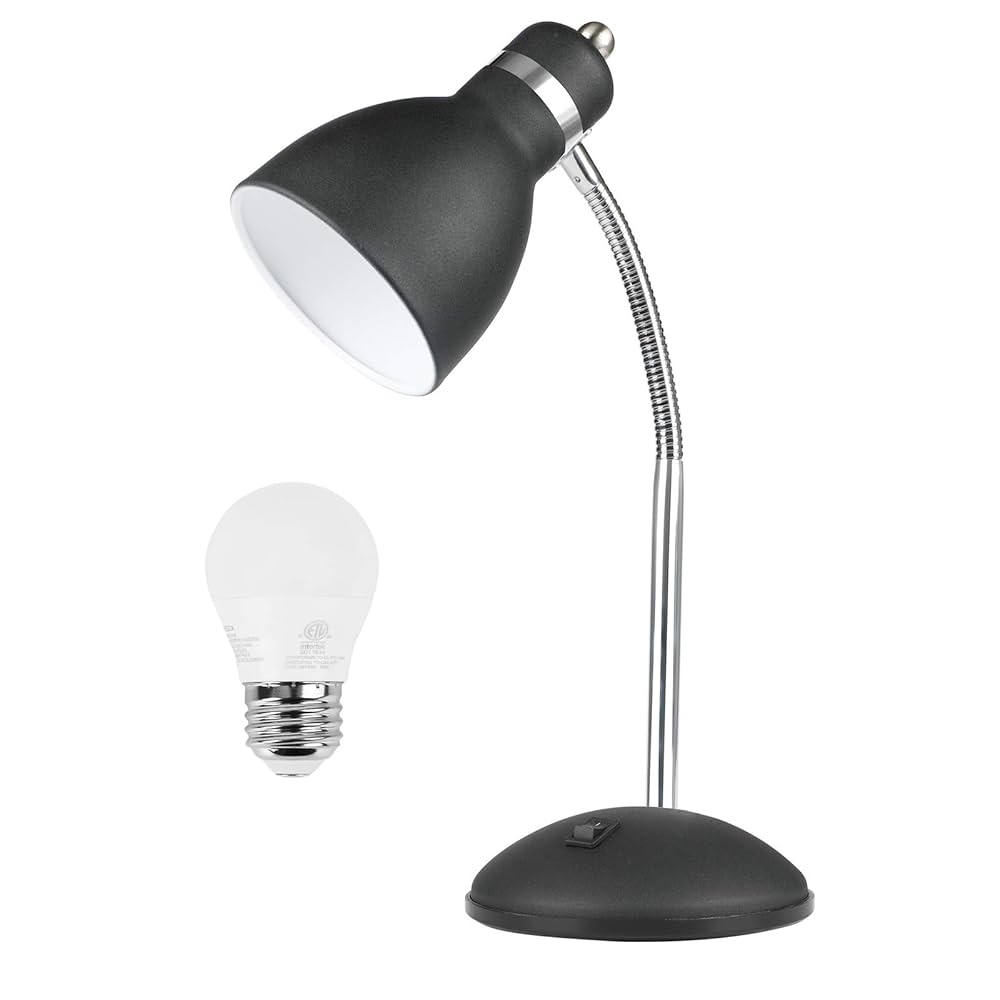
Have you ever wondered if you can use an LED bulb in your regular desk lamp? If you’re looking to save energy, reduce heat, and get longer-lasting light, this simple switch could make a big difference.
But before you grab any LED bulb, there are some key things you should know to make sure it fits your lamp and works safely. Keep reading, and you’ll discover exactly how to choose the right LED bulb for your desk lamp—so you get better light without any surprises.
Credit: www.nytimes.com
Benefits Of Led Bulbs
LED bulbs bring many advantages to desk lamps. They use less power and give better light. Many people choose LED bulbs to save money and improve lighting quality. These bulbs last longer and are gentle on the environment. Let’s explore the key benefits of using LED bulbs in your regular desk lamp.
Energy Efficiency
LED bulbs use much less electricity than traditional bulbs. They convert most energy into light, not heat. This means lower electric bills and less energy waste. Using LED bulbs helps reduce your carbon footprint. They provide bright light without using a lot of power.
Longer Lifespan
LED bulbs last many years longer than regular bulbs. They can work for up to 25,000 hours or more. This means fewer bulb changes and less hassle. A longer lifespan saves money on replacements. It also reduces waste, helping the planet stay cleaner.
Better Light Quality
LED bulbs give clear, bright light that is easy on the eyes. They offer good color accuracy, making colors look natural. This helps reduce eye strain during reading or work. LED light is steady, without flickering or buzzing. It creates a comfortable, productive workspace.
Compatibility With Desk Lamps
Switching your regular desk lamp to an LED bulb can be a smart move for energy savings and longer bulb life. However, not every LED bulb fits perfectly or works safely with all desk lamps. Understanding compatibility helps you avoid frustrating purchases and potential hazards.
Socket Types And Sizes
The first thing to check is your lamp’s socket type. Most desk lamps use an E26 or E27 socket, which are standard screw sizes compatible with many LED bulbs. But some lamps, especially smaller or specialty ones, might use candelabra (E12) or GU10 sockets.
If you try to fit an LED bulb with the wrong base, it simply won’t screw in or connect properly. Have you ever bought a bulb only to realize it didn’t fit your lamp? Double-checking the socket size before buying saves you that hassle.
Wattage And Voltage Considerations
LED bulbs use far less wattage than traditional incandescent bulbs to produce the same brightness. Your desk lamp may list a maximum wattage limit, often around 40W or 60W, which refers to the old incandescent bulbs.
You can safely replace a 40W incandescent with a 6W or 9W LED bulb that offers similar light output. But never exceed the lamp’s voltage or wattage ratings—this protects your lamp’s wiring and prevents electrical problems.
Have you noticed your desk lamp label indicating “max 60W”? That doesn’t mean you need a 60W LED bulb; a lower-watt LED can provide the same brightness without overheating.
Heat Management
LED bulbs generate much less heat than incandescent bulbs, which reduces the risk of your desk lamp overheating. However, some desk lamps have small or enclosed shades that limit airflow.
Choosing an LED bulb with good heat dissipation features can prevent any heat buildup inside the lamp. If your lamp has a tight shade, avoid very high-lumen LED bulbs, as they may still generate some heat.
Ask yourself: does your lamp’s design allow air to flow around the bulb? Proper heat management keeps your lamp and bulb safe and extends their lifespan.
Choosing The Right Led Bulb
Most regular desk lamps can use LED bulbs if the base size matches. Choosing the right LED bulb ensures proper fit and brightness for your lamp. Check wattage limits to avoid damage and get the best lighting.
Choosing the right LED bulb for your desk lamp can enhance your workspace. LED bulbs offer energy efficiency and long-lasting light. But not all LED bulbs are the same. Consider various factors to find the perfect bulb for your needs.Brightness And Lumens
Brightness matters for a comfortable working environment. LED bulbs are rated in lumens, not watts. More lumens mean brighter light. Choose bulbs between 450 to 800 lumens for desk lamps. This range offers adequate lighting for tasks.Color Temperature Options
Color temperature affects the mood and function of your space. LED bulbs come in various color temperatures. Warm white bulbs are cozy and relaxing. Cool white bulbs are better for focus and tasks. Look for color temperatures between 2700K to 5000K. This range suits most desk lamp needs.Dimmability Features
Dimmable bulbs provide flexibility in lighting. You can adjust brightness according to your activity. Check if your desk lamp supports dimmable LEDs. Some LEDs work only with specific dimmers. Ensure compatibility for smooth dimming experiences.Installation Tips
Installing an LED bulb in your regular desk lamp is straightforward, but a few careful steps will help you avoid damage and ensure the best performance. Handling the bulbs properly and testing the lamp after installation are key to a smooth transition. Here are some tips to make the process easier and safer for you and your lamp.
Removing Old Bulbs Safely
Before you start, make sure your lamp is unplugged to avoid any electric shock. Allow the old bulb to cool down completely; touching a hot bulb can cause burns and breakage.
Gently twist the bulb counterclockwise to remove it. If it feels stuck, don’t force it—wiggle it slightly while turning. This prevents damage to the socket and bulb base.
Proper Handling Of Led Bulbs
LED bulbs are more sensitive than traditional bulbs. Hold them by the base, not the glass or plastic cover, to avoid fingerprints and potential damage.
Keep your hands dry and clean. Oils and dirt can affect the bulb’s lifespan and performance.
Store unused LED bulbs in their original packaging until you are ready to install them. This protects them from dust and accidental damage.
Testing And Adjustments
Once your LED bulb is installed, plug your lamp back in and turn it on. If it doesn’t light up immediately, try tightening the bulb slightly.
Check for flickering or dimming. These can indicate compatibility issues or a loose connection.
Consider if your lamp has a dimmer switch—many LED bulbs aren’t compatible with dimmers, which could cause problems. If needed, replace the bulb with one that specifically supports dimmers.
Common Concerns And Myths
Many people worry about using LED bulbs in regular desk lamps. Some common concerns and myths cause confusion. Understanding these points can help make a better choice.
Flickering Issues
Some LED bulbs may flicker if the lamp or bulb is faulty. Flickering often happens due to poor wiring or low-quality LEDs. High-quality LED bulbs usually do not flicker. Flicker can cause eye strain and headaches, so choose bulbs from trusted brands.
Compatibility With Dimmers
Not all LED bulbs work with dimmer switches. Using a non-dimmable LED on a dimmer can cause buzzing or flickering. Look for LED bulbs labeled “dimmable” if your lamp has a dimmer. Using compatible bulbs ensures smooth dimming and longer bulb life.
Impact On Eye Health
Some think LED bulbs harm the eyes more than traditional bulbs. LEDs produce less heat and use less energy. Modern LEDs have stable light output, reducing eye strain. Choose bulbs with warm or natural white light for comfort. Proper lighting is key to protecting your eyes.
Credit: www.nytimes.com
Cost And Savings Analysis
Understanding the cost and savings of using an LED bulb in a regular desk lamp helps make smart choices. LED bulbs have a higher upfront price but lower running costs. This section breaks down the financial and environmental impacts of switching to LED lighting in your desk lamp.
Initial Investment Vs. Long-term Savings
LED bulbs cost more than traditional bulbs at first. A typical LED bulb can be two to three times pricier than an incandescent bulb. Despite this, LEDs use much less electricity. They last up to 25 times longer. Over time, this cuts down the need to buy replacements often. The energy savings reduce your electricity bill each month. In the long run, the extra initial cost pays off.
Maintenance Costs
LED bulbs need less maintenance. They rarely burn out quickly. This lowers replacement costs. Traditional bulbs may need changing every few months. LEDs can last several years without issues. Less frequent bulb changes mean less hassle. You save time and money on replacements and labor.
Environmental Benefits
LED bulbs use less power, which reduces greenhouse gas emissions. They contain no harmful mercury, unlike some other bulbs. Less frequent disposal means less waste in landfills. Energy efficiency helps conserve natural resources. Choosing LEDs supports a cleaner and greener planet.

Credit: hirosarts.com
Frequently Asked Questions
Can A Regular Desk Lamp Fit An Led Bulb?
Yes, most regular desk lamps can fit LED bulbs. Check the lamp’s socket type and bulb base compatibility before purchase.
Are Led Bulbs Safe For Desk Lamps?
LED bulbs are safe for desk lamps when the correct wattage is used. They produce less heat and save energy.
Do Led Bulbs Improve Desk Lamp Brightness?
LED bulbs often provide brighter and more consistent light than traditional bulbs, enhancing your desk lamp’s illumination effectively.
Will Led Bulbs Last Longer In Desk Lamps?
Yes, LED bulbs last significantly longer than incandescent bulbs, reducing the frequency of replacements in regular desk lamps.
Conclusion
A regular desk lamp can usually use an LED bulb with no issues. LED bulbs save energy and last much longer than old bulbs. They also produce less heat, making your desk safer. Just check the bulb size and wattage before buying.
This small change can improve your lighting and cut electricity costs. Try switching to LED bulbs for a brighter and smarter workspace.



