
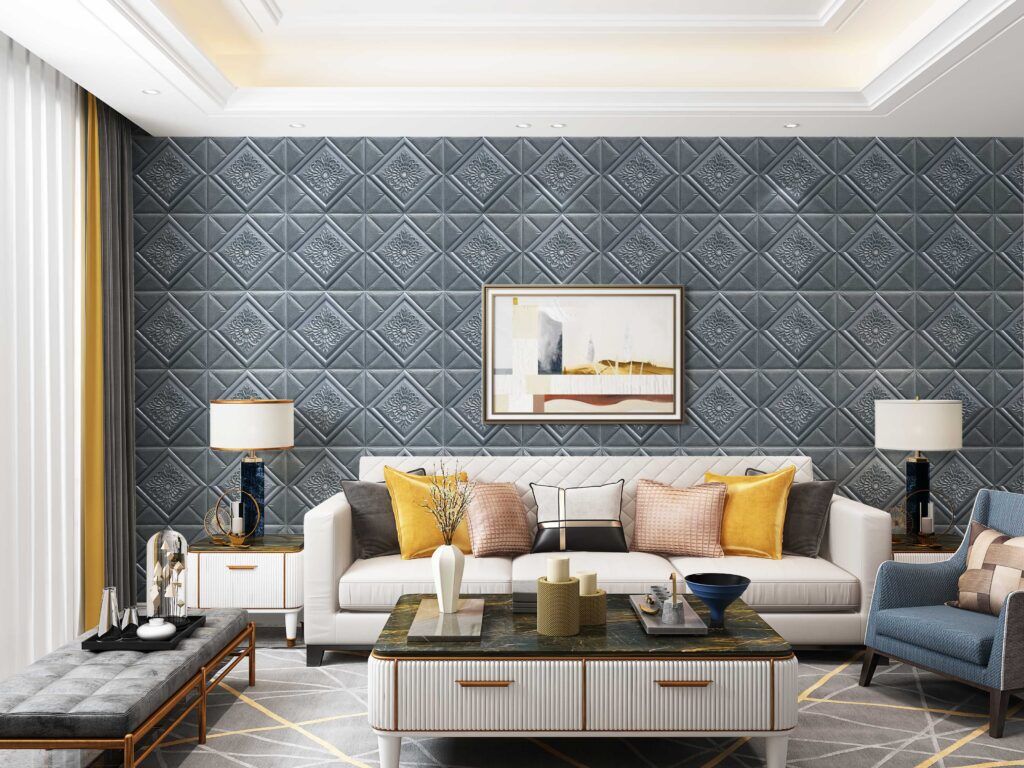
Are you thinking about giving your walls a fresh, modern look with 3D wall panels but wondering if you can attach them directly to your orange peel textured walls? You’re not alone.
Many people face this exact challenge when upgrading their space. The good news is, you don’t have to strip away your current texture or hire expensive professionals to get that sleek, dimensional effect. You’ll discover simple, practical steps to attach 3D wall panels to orange peel surfaces safely and effectively.
Keep reading to transform your walls with confidence and ease!
What Is Orange Peel Texture
Orange peel texture is a popular wall finish in many homes. It looks like the skin of an orange, with small bumps and a slightly rough surface. This texture adds subtle detail to walls without being too bold or distracting.
It is created by spraying a mixture of drywall mud and water onto the wall. The mixture dries quickly and forms tiny bumps that resemble orange peel. This finish hides minor wall imperfections and adds depth to flat surfaces.
How Orange Peel Texture Is Applied
The texture is applied using a spray gun or hopper gun. The drywall mud mixture is sprayed evenly over the wall. After drying, it creates a consistent pattern of small bumps.
Benefits Of Orange Peel Texture
- Hides wall imperfections and minor damage
- Adds visual interest to plain walls
- Easy to repaint or touch up
- Durable and long-lasting surface
Common Areas For Orange Peel Texture
Orange peel texture is often found in living rooms, hallways, and ceilings. It works well in high-traffic areas because it conceals scuffs and marks better than flat paint.

Credit: commomy.com
Types Of 3d Wall Panels
3D wall panels bring texture and depth to any space. They come in various materials, styles, and designs. Choosing the right type can enhance your walls beautifully. Each type has unique features and installation needs. Understanding these types helps decide if they work on orange peel walls.
Pvc 3d Wall Panels
PVC panels are lightweight and waterproof. They resist mold and mildew, making them ideal for kitchens and bathrooms. These panels are easy to cut and install. Their smooth surface fits well over textured walls with proper adhesive.
Mdf 3d Wall Panels
MDF panels offer a wood-like look at a lower cost. They provide strong texture and can be painted any color. MDF is heavier and may need extra support on uneven surfaces. Sealing is important to avoid moisture damage.
Bamboo 3d Wall Panels
Bamboo panels add a natural, eco-friendly touch. They are sturdy and lightweight. Bamboo works best in dry areas to prevent warping. Its organic texture contrasts nicely with orange peel walls.
Gypsum 3d Wall Panels
Gypsum panels have intricate designs and a smooth finish. They are fire-resistant and durable. Gypsum can be fragile during installation. Proper surface preparation ensures good adhesion on textured walls.
Foam 3d Wall Panels
Foam panels are soft, lightweight, and easy to install. They provide sound insulation and come in many patterns. Foam sticks well to slightly textured surfaces. They are ideal for quick, temporary decoration.
Challenges With Orange Peel Surfaces
Orange peel surfaces have a rough, bumpy texture that makes it hard to stick 3D wall panels securely. Uneven surfaces can cause gaps and weak adhesion, requiring extra preparation before installation.
Orange peel surfaces, with their subtle texture, can pose unique challenges when you’re considering attaching 3D wall panels. The uneven texture not only affects the adhesive’s grip but can also make the alignment of panels tricky. Addressing these issues is essential to achieving a flawless, professional-looking installation.Understanding The Texture
Orange peel surfaces have a bumpy texture, similar to the skin of an orange. This can interfere with the adhesion of 3D wall panels, leading to panels that may not stick properly. It’s crucial to assess the texture before starting your project.Adhesion Concerns
Smooth surfaces typically offer better adhesion for wall panels. On an orange peel surface, the adhesive may only contact the raised areas, resulting in weak attachment. Consider using a stronger adhesive specifically designed for textured walls.Alignment Issues
Aligning panels on an uneven surface can be challenging. The texture can cause panels to tilt or not sit flush against the wall. Take extra care in measuring and aligning to avoid gaps or misalignment.Surface Preparation
Proper preparation of the orange peel surface is crucial. Lightly sanding the surface can help create a smoother base. Alternatively, applying a thin layer of joint compound can level out the texture, making it easier to attach the panels.Testing Adhesion
Before committing to a full installation, test the adhesive on a small section of the wall. This will help you determine if the adhesive holds and if any adjustments are needed. It’s better to discover issues on a small scale than after the entire wall is covered.Tools And Techniques
Using the right tools can make a difference. A laser level can help ensure your panels are straight. Additionally, a roller can be used to press the panels firmly against the wall, ensuring better adhesion. Do you have any other tips or experiences with installing 3D wall panels on textured surfaces? Sharing your insights could help others facing the same challenges.
Credit: commomy.com
Preparing Orange Peel Walls
Preparing orange peel walls before attaching 3D wall panels is key to getting a smooth, lasting finish. Orange peel texture can be tricky because its bumpy surface doesn’t always let adhesives stick well. Taking the time to clean, smooth, and prime your walls will make all the difference in how your panels hold up over time.
Cleaning And Smoothing
Start by wiping down your walls to remove dust, dirt, and any loose particles. Use a mild detergent mixed with water and a soft cloth or sponge. Avoid harsh chemicals that might damage the texture or paint.
Next, check for any rough spots or raised areas in the orange peel texture. You want the surface as even as possible. Light sanding with fine-grit sandpaper can help smooth these areas without removing the entire texture.
Have you noticed how even tiny bumps can cause your panels to lift or crack later? That’s why smoothing out problem spots now saves headaches later. After sanding, wipe the wall again to remove dust.
Priming The Surface
Priming is crucial because it seals the textured surface and creates a better grip for the adhesive or mounting materials. Choose a high-quality primer designed for textured walls or drywall.
Apply the primer evenly using a roller with a thick nap to reach into the crevices of the orange peel. Let it dry completely—this usually takes a few hours but check the product instructions.
Skipping primer can cause your 3D panels to peel off sooner than expected. The primer acts like a bridge between your wall and the panels, ensuring a strong bond.
Best Adhesives For 3d Panels
Choosing the right adhesive is key for attaching 3D wall panels to orange peel texture. The adhesive must hold well on the uneven surface. It should also resist moisture and temperature changes. Not all glues work on textured walls. Some adhesives provide stronger, longer-lasting bonds. Others offer easier cleanup and less mess. Here are the best options for 3D panels on orange peel walls.
Construction Adhesives
Construction adhesives offer strong, durable bonds. They work well on rough and uneven surfaces like orange peel walls. These adhesives come in tubes for easy application with a caulk gun. They fill gaps and stick firmly to the textured surface.
- Use adhesives labeled for foam or plastic panels.
- Look for waterproof and flexible formulas.
- Allow the adhesive to cure fully before touching the panels.
- Apply beads evenly on the panel’s back for best hold.
Construction adhesives resist peeling and hold panels securely for years.
Double-sided Tape Options
Double-sided tape provides a clean, quick way to attach panels. It works best on smaller or lightweight 3D panels. Choose heavy-duty, foam-backed tapes designed for uneven surfaces.
- Ensure the wall is clean and dry before applying tape.
- Press firmly on both wall and panel for strong grip.
- Check tape weight limits to avoid falling panels.
- Some tapes allow easy removal without wall damage.
Double-sided tape offers less mess and fast installation. It suits renters or temporary setups well.
Installation Techniques
Installing 3D wall panels on an orange peel texture requires careful preparation. The right techniques ensure panels stick well and look smooth. Follow these steps to achieve a professional finish.
Measuring And Marking
Start by measuring the wall space accurately. Use a tape measure to find the height and width. Mark the center point on the wall with a pencil. This helps align panels evenly. Mark vertical and horizontal lines as guides. Check that all marks are level using a spirit level.
Applying Adhesive
Choose an adhesive made for textured surfaces. Apply the glue to the back of each panel using a notched trowel. Spread evenly to cover the entire surface. Avoid too much adhesive; it can squeeze out the sides. Let the adhesive become tacky before mounting. This improves the bond with the wall.
Mounting Panels
Press the first panel firmly against the wall at the center mark. Hold for a few seconds to set. Use a roller or flat tool to smooth out air bubbles. Align the next panels carefully, matching edges and patterns. Use spacers if needed for consistent gaps. Trim panels at edges for a clean fit using a utility knife.
Common Mistakes To Avoid
Attaching 3D wall panels to an orange peel texture can be tricky. Many make common mistakes that affect the final look and durability. Avoid these errors to ensure a smooth and long-lasting installation.
Not Preparing The Surface Properly
Orange peel walls need cleaning before installation. Dirt and dust stop adhesives from sticking well. Skipping sanding or priming causes panels to peel off easily.
Using The Wrong Adhesive
Select an adhesive made for textured walls. Regular glue may not hold on orange peel surfaces. Using incorrect glue leads to weak bonds and fallen panels.
Ignoring Wall Imperfections
Orange peel texture hides bumps and holes. Not filling or smoothing these flaws creates uneven panel surfaces. This causes gaps and poor alignment in panels.
Skipping Measurement And Layout Planning
Measure walls carefully before cutting panels. Random placement leads to wasted material and bad fits. Plan panel layout to avoid awkward cuts and seams.
Applying Panels Without Support
Large panels need extra support during drying. Just sticking them on the wall can cause slipping. Use temporary braces or nails until adhesive sets fully.
Maintaining 3d Wall Panels
Maintaining 3D wall panels is essential to keep their texture and color vibrant over time. These panels can transform your space, but they require care tailored to their material and surface. Regular upkeep ensures they stay fresh without losing their three-dimensional charm.
Cleaning Techniques For Different Panel Materials
3D wall panels come in various materials like PVC, wood, or gypsum, each needing a specific cleaning method. For PVC panels, a damp cloth with mild soap works well without damaging the surface.
Wooden panels require gentle dusting and occasional polishing to avoid moisture damage. Gypsum panels are more delicate; use a soft brush or vacuum with a brush attachment to remove dust carefully.
Preventing Damage On Orange Peel Surfaces
Attaching 3D panels to orange peel walls means dealing with a textured surface underneath. This texture can trap dust and dirt, so you must clean both the panels and the wall regularly.
Use a soft brush to reach into the crevices and avoid abrasive cleaners that might wear down the texture or panel edges. Have you noticed how dust tends to settle in the small bumps? Paying attention here can prolong your panels’ life.
Handling Minor Repairs And Touch-ups
Small scratches or dents can happen, especially in high-traffic areas. Keep some matching paint or filler handy to fix these imperfections quickly.
If a panel loosens, check the adhesive or mounting system immediately to prevent bigger issues. Acting fast on repairs saves you from costly replacements later.

Credit: commomy.com
Frequently Asked Questions
Can 3d Wall Panels Be Installed On Orange Peel Walls?
Yes, 3D wall panels can be installed on orange peel walls. Proper surface preparation is essential for good adhesion. Light sanding and cleaning improve the panel’s grip, ensuring a secure and smooth finish.
What Adhesive Works Best For Orange Peel Wall Panels?
Construction adhesive or heavy-duty double-sided tape works best on orange peel walls. These adhesives provide strong bonding on textured surfaces, preventing panels from falling off or shifting over time.
Do I Need To Prime Orange Peel Walls Before Panel Installation?
Priming is recommended for orange peel walls before installing panels. It seals the surface, enhances adhesive grip, and ensures panels stick firmly without gaps or peeling.
How To Prepare Orange Peel Walls For 3d Panel Attachment?
To prepare, clean the wall thoroughly, sand lightly to smooth texture, and apply primer. This process creates an ideal surface for strong panel adhesion and long-lasting results.
Conclusion
Attaching 3D wall panels to orange peel texture can work well. Prepare the wall by cleaning and smoothing rough spots first. Use strong adhesive made for textured surfaces to ensure panels stick firmly. Take your time to align panels evenly for a neat look.
This simple process can refresh your walls quickly and easily. Enjoy the new style and depth 3D panels bring to your space. It’s a smart choice for a fresh, modern feel.



