
Are you looking to change the look and feel of your room without a full remodel? Converting a regular light fixture to a pendant light might be the simple upgrade you need.
Imagine adding style, improving lighting, and making your space feel more inviting—all with one easy change. You’ll discover how you can do a light to pendant light conversion yourself, the tools you need, and the benefits you’ll enjoy. Keep reading to transform your lighting and elevate your home’s atmosphere effortlessly.
Choosing The Right Pendant Light
Choosing the right pendant light can transform your space completely. It’s not just about picking a fixture; it’s about finding one that fits your room’s size, style, and purpose. Getting this right makes your lighting both functional and visually appealing.
Types Of Pendant Lights
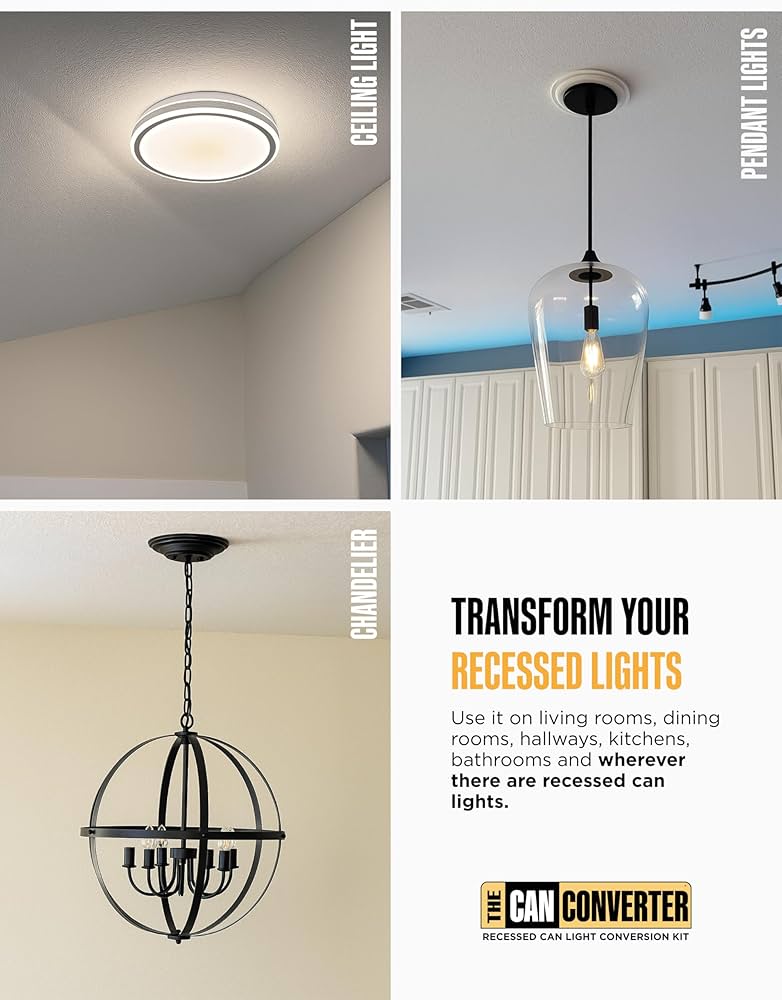
Pendant lights come in many forms, each serving a different purpose. You’ll find single pendants that focus light on a specific spot, cluster pendants that create a bold statement, and linear pendants perfect for kitchen islands or dining tables.
Consider materials too—glass, metal, and fabric shades each create distinct moods. Have you thought about whether you want a soft glow or a bright, clear light? Your choice impacts the atmosphere and usability of the space.
Size And Scale Considerations
The size of your pendant light should match the size of your room and the furniture beneath it. A large pendant in a small room can feel overwhelming, while a tiny fixture in a big space may get lost. Measure your area and think about the height too—too low can block sightlines; too high may reduce lighting effectiveness.
One practical tip: for dining areas, hang the pendant about 30-36 inches above the table. This ensures enough light without glare. Are you aware of how much space you want your pendant to visually occupy?
Matching Your Decor Style
Your pendant light should complement your existing decor, not clash with it. If your style is modern and minimal, sleek metal or clear glass pendants work well. For rustic or farmhouse vibes, look for fixtures with warm finishes and natural textures.
Think about colors and shapes too. A bold color or unique shape can add personality, but it should still fit the overall theme of your room. What kind of statement do you want your pendant light to make?

Credit: www.amazon.com
Tools And Materials Needed
Preparing to convert a ceiling light to a pendant light requires gathering the right tools and materials. Having everything ready before you start saves time and prevents frustration. It also helps ensure your project goes smoothly and safely.
Essential Tools For The Job
Start with a reliable voltage tester to confirm the power is off. This small tool is crucial for your safety.
You’ll also need a screwdriver set—both flathead and Phillips—as most fixtures use different screws. Wire strippers make it easier to prepare wires without damaging them.
A drill might be necessary if new holes are needed for mounting the pendant. Don’t forget a ladder to comfortably reach the ceiling fixture.
Selecting The Right Hardware
Choose a pendant light kit that fits your existing ceiling box type. Not all fixtures are compatible with every ceiling setup.
Look for mounting brackets that come with the kit or purchase ones designed for pendant lights. Secure hardware ensures your fixture stays put without wobbling.
Check the length of the pendant cord or chain. You want it to hang at the right height for your space without needing extra adjustments later.
Safety Equipment
Protect your eyes with safety goggles, especially if drilling is involved. Ceiling dust and debris can cause injury.
Wear insulated gloves when handling electrical wires to reduce the risk of shocks. Even if you’ve turned off the power, it’s better to be cautious.
Consider using a face mask if you’re working in an older home with potential dust or insulation particles in the ceiling cavity.
Preparing The Existing Light Fixture
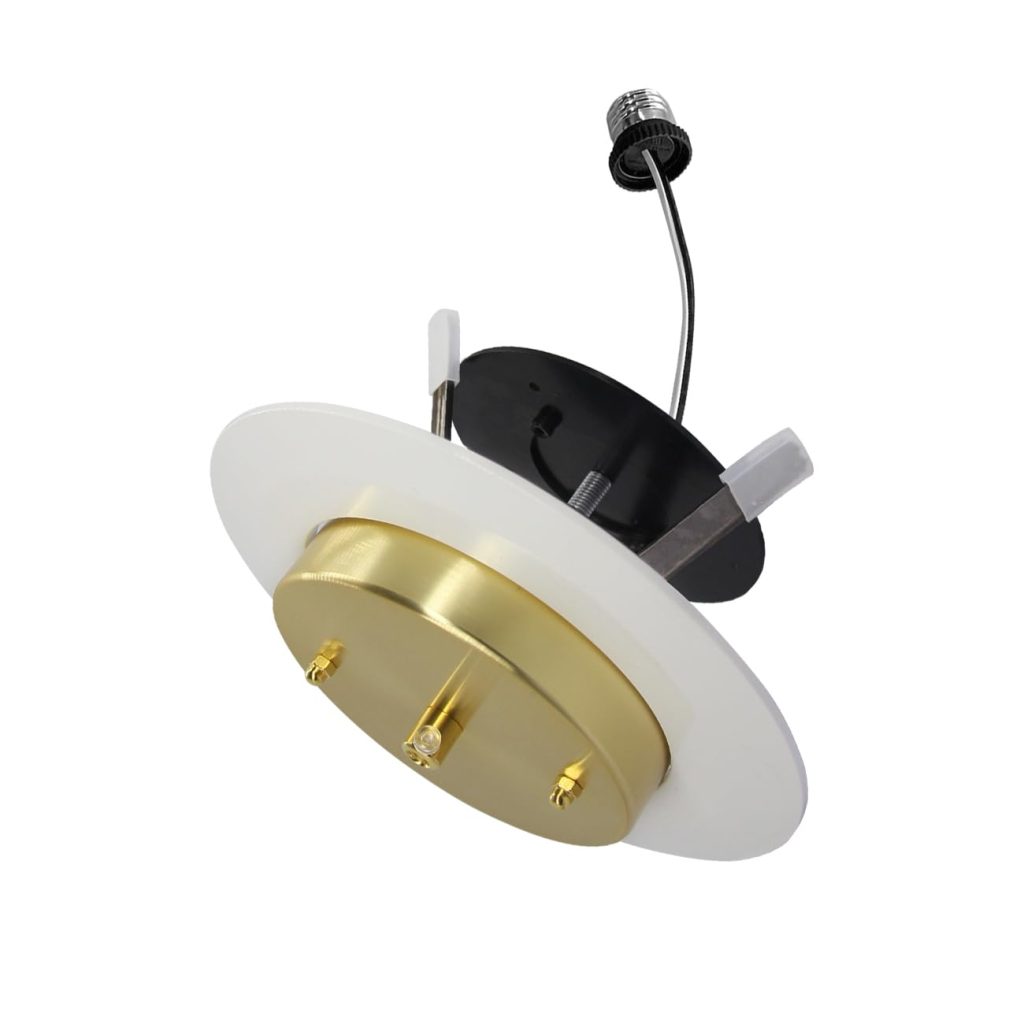
Converting a can light to a pendant light can dramatically alter the ambiance of your space, adding style and character to your room. Before diving into the world of pendant lighting, you must prepare the existing fixture carefully. This crucial step ensures your conversion is safe, seamless, and successful.
Turning Off Power Safely
Your safety is the top priority. Begin by heading to your circuit breaker panel and switching off the power to the existing light fixture. If you’re unsure which breaker controls the light, it’s wise to turn off power to the entire room.
Test the light switch to confirm the power is off. A simple voltage tester can also be used to ensure there’s no electrical flow. Remember, it’s always better to double-check than to risk an electric shock.
Removing The Old Light
With the power safely off, it’s time to remove the old can light. Gently unscrew or unclip the trim and bulb from the fixture. Depending on your fixture, you might need to remove screws or brackets holding the can light in place.
Keep a hand on the fixture as you detach it to prevent it from falling. Once removed, you’ll have a clear view of the wiring and the space you’ll be working with for your new pendant light.
Inspecting Wiring And Support
Inspect the existing wiring for any signs of wear or damage. Frayed wires or burn marks indicate potential issues that need addressing before proceeding. If you’re not confident in assessing the wiring, consider consulting with an electrician.
Check the ceiling box to ensure it can support the weight of the new pendant light. Some pendant lights are heavier than standard can lights, so make sure your setup is up to the task. Is your ceiling support ready for a stylish upgrade?
With these preparatory steps completed, you’re now ready to bring new life to your space with a stunning pendant light. Embrace the transformation and enjoy the warm, inviting glow it brings to your home.

Credit: www.amazon.com
Installing The Pendant Light
Installing your pendant light is the moment where your vision starts to take shape. This part of the process requires care and precision to ensure safety and style come together perfectly. Let’s break down the key steps to help you confidently hang your new fixture.
Mounting The Bracket
The mounting bracket is the foundation for your pendant light, so it needs to be secure and level. Begin by attaching the bracket to the ceiling box using the screws provided. Make sure the bracket fits snugly and doesn’t wobble—this will keep your pendant stable over time.
If your ceiling box is old or damaged, consider replacing it before moving forward. A sturdy base prevents future problems and keeps your installation safe. Have you checked if your existing box can support the weight of the new fixture?
Connecting The Wires
Wiring might seem intimidating, but it’s straightforward once you understand the basics. First, turn off the power at your circuit breaker to avoid any risk. Then, match the wires from your pendant light to the wires in the ceiling box—usually black to black (hot), white to white (neutral), and green or copper to ground.
Twist the wires together and secure them with wire nuts. It’s important to make sure no bare wire is exposed outside the nut. A quick tip: gently tug on the connections to confirm they’re tight before moving on.
Securing The Pendant Fixture
After wiring, you’re ready to attach the pendant fixture itself. Align the fixture’s base with the mounted bracket and fasten it using the screws or nuts that came with your light. Check that the pendant hangs straight and adjust the chain or cord length if needed.
Test the fixture by turning the power back on and switching the light on. Does the glow match your expectations? If something feels off, it’s easier to fix now than later.
Adjusting Height And Position
Adjusting the height and position of your new pendant light is key to achieving the perfect look and function in your space. It’s not just about aesthetics; the right height ensures optimal lighting and complements the room’s layout. Taking a little extra time to measure and tweak can make a big difference in how the light feels and performs.
Measuring Drop Length
Start by measuring the distance from the ceiling to where you want the bottom of the pendant light to hang. This drop length depends on the room’s ceiling height and the purpose of the light.
For example, over a dining table, aim for about 28 to 34 inches from the tabletop to the light’s bottom. In living rooms or open areas, a longer drop may work better to avoid glare and create ambiance.
Have you noticed how a slightly too-low pendant can block your view or feel cramped? Measuring carefully helps you avoid that common pitfall.
Adjusting Cord Or Chain
Once you know your ideal drop length, adjust the cord or chain accordingly. Most pendant lights come with adjustable cords or chains that can be shortened or lengthened.
If you’re working with a cord, gently pull it through the ceiling canopy or fixture to the desired length and secure it tightly. For chains, remove or add links using pliers until you reach the perfect height.
Don’t forget to leave a little slack for wiring inside the canopy; this prevents strain and makes future adjustments easier.
Ensuring Level Installation
A level pendant light looks polished and professional, while a crooked one can feel off and distracting. Use a small spirit level to check the fixture’s alignment after hanging.
Adjust the cord or chain on each side if your pendant has multiple points of support, or gently nudge the fixture until it hangs straight. Double-check from different angles to ensure it’s perfectly level.
Have you ever walked into a room where a light seemed just a bit off? Fixing that subtle tilt can instantly improve the room’s vibe and your satisfaction with the project.
Credit: www.amazon.com
Troubleshooting Common Issues
Troubleshooting issues during a can light to pendant light conversion helps ensure a safe and smooth installation. Small problems can stop your new fixture from working or looking right. Identifying common issues early saves time and effort. This section covers typical problems and easy fixes. Clear solutions help you enjoy your new lighting faster.
Light Flickering Or Not Turning On
Flickering or no light is a frequent issue. Check the bulb type first. Use the recommended bulb for your pendant fixture. Loose connections cause flickering. Turn off power and tighten all wire nuts securely. Switch compatibility matters. Dimmer switches must match the new light’s requirements. Test the switch by replacing it with a standard one. If flickering stops, replace the dimmer.
Pendant Not Hanging Straight
A pendant that leans or swings looks unprofessional. Adjust the canopy to level the fixture. The mounting bracket might be uneven. Loosen screws, reposition the bracket, and retighten. Check the cable length. Uneven cable tension causes tilting. Shorten or lengthen cables evenly. Heavy pendants may need extra support inside the ceiling box. Always confirm the fixture is balanced before final tightening.
Dealing With Wiring Problems
Wiring errors can prevent the light from working or cause hazards. Identify wires carefully: black or red is hot, white is neutral, green or copper is ground. Use a voltage tester to confirm power is off before touching wires. Match wires by color and secure connections with wire nuts. Avoid loose or exposed wires. If wires look damaged, replace or consult an electrician. Proper wiring ensures safety and performance.
Styling Tips For Pendant Lights
Styling your pendant lights can completely change the look and feel of your space. These lighting fixtures aren’t just practical; they’re a key part of your room’s design. Paying attention to how you arrange, light, and use them can make your room inviting and stylish.
Grouping Multiple Pendants
Hanging several pendant lights together creates a bold design statement. Try grouping pendants in odd numbers like three or five for a balanced look that feels natural. Vary the heights slightly to add visual interest and avoid a flat, uniform appearance.
Think about the space you’re lighting: a cluster works well over kitchen islands or dining tables. You can mix different pendant styles or keep them the same for a cleaner look. Have you noticed how grouping pendants can turn a simple area into a focal point?
Choosing Bulb Types And Brightness
The right bulb makes all the difference in how your pendant light performs. LED bulbs are energy-efficient and come in various color temperatures, from warm to cool light. Choose warmer tones for cozy, relaxing spaces and cooler tones for work areas.
Don’t ignore brightness levels; too bright can feel harsh, while too dim won’t offer enough light. Dimmer switches allow you to adjust brightness based on your mood or activity, giving you control over your space’s lighting. What kind of lighting intensity feels best in your favorite room?
Creating Ambiance With Light
Pendant lights are perfect for setting the mood in any room. Position them to highlight key areas like reading nooks, artwork, or dining spots. Using shades or colored bulbs can soften or add warmth to the glow, enhancing the atmosphere.
Consider layering your lighting by combining pendant lights with floor or table lamps. This mix lets you change the ambiance easily throughout the day or for different occasions. How do you want your space to feel when you switch on your pendant lights?
Frequently Asked Questions
What Is Light To Pendant Light Conversion?
Light to pendant light conversion means changing a fixed light fixture into a hanging pendant light. This update adds style and directs light better. It’s popular in kitchens and dining areas for improved ambiance and design.
Can I Convert Any Light To A Pendant Light?
Most ceiling lights can be converted to pendant lights if wiring is accessible. However, some fixtures or ceilings may need extra support or electrical adjustments. Always check compatibility and consult a professional if unsure.
How Much Does Light To Pendant Conversion Cost?
The cost varies based on fixture type, pendant choice, and installation complexity. On average, it ranges from $50 to $200. DIY conversion lowers costs, but professional help may be needed for safety and code compliance.
Is Light To Pendant Light Conversion Safe To Do Myself?
DIY conversion is possible if you understand electrical wiring and safety. Always turn off power before starting. If unsure, hiring a licensed electrician ensures safe and code-compliant installation.
Conclusion
Converting a light to a pendant light changes your room’s look easily. It adds style and improves lighting at the same time. You only need a few tools and basic steps. This small change can make a big difference in your space.
Try it yourself for a fresh, new feel. Enjoy the cozy and modern touch pendant lights bring. Simple updates often create the best results.



