
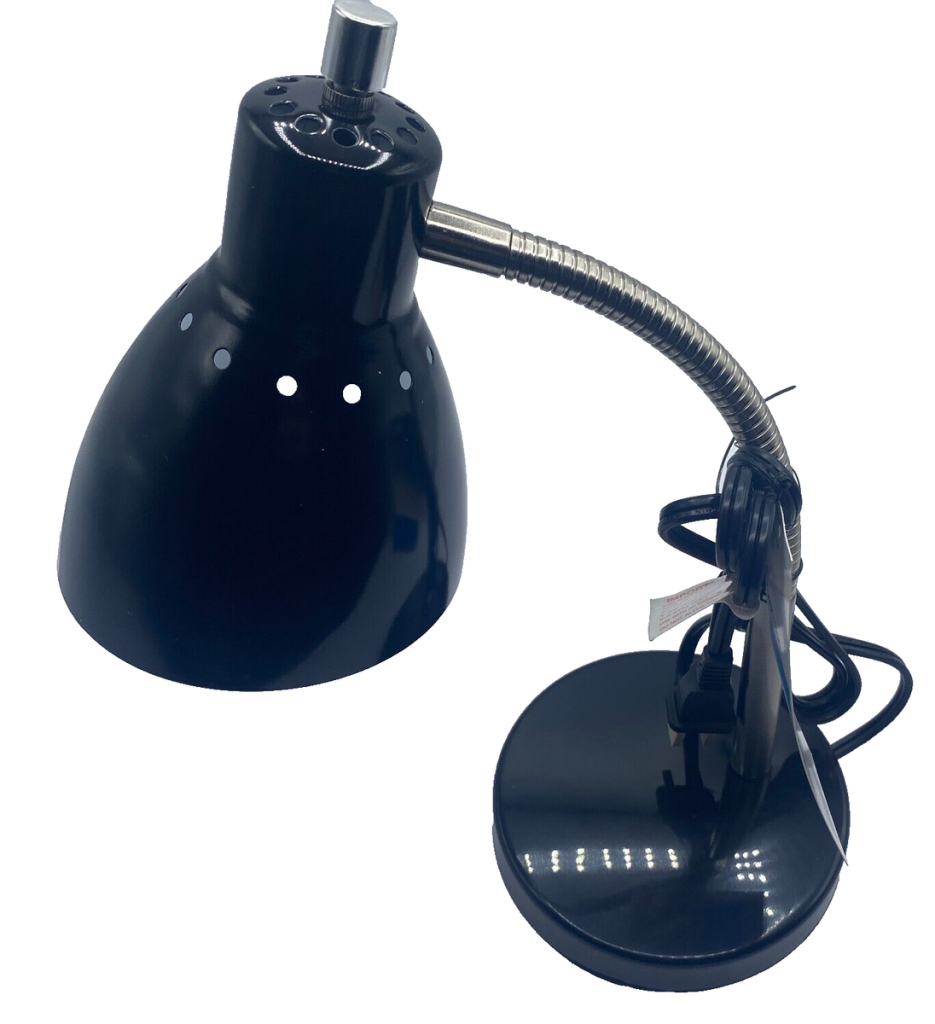
Are you wondering if your standard desk lamp can safely handle 120 volts and 60 Hz? It’s a common question that many people overlook until a flicker or a spark raises concern.
Knowing the answer is crucial for keeping your workspace safe and your lamp working perfectly. You’ll discover exactly what these electrical terms mean for your lamp and how to ensure it’s designed to handle the power coming from your outlet.
Keep reading to protect your devices and avoid costly mistakes you might not even realize you’re making.
Voltage And Frequency Basics
Understanding voltage and frequency basics is key to knowing if standard desk lamps can handle 120 volts and 60 Hz. These electrical terms affect how devices work safely and efficiently. Voltage is the electric force that pushes current through a device. Frequency is how often the electric current changes direction each second.
Knowing typical voltage and frequency values in homes helps decide if a desk lamp matches your power supply. Using a lamp designed for a different voltage or frequency can cause damage or poor performance.
Standard Voltage In Homes
Most homes in North America use a standard voltage of 120 volts. This voltage level powers many household appliances, including desk lamps. The voltage supply comes from the electric grid and is steady to avoid device damage.
Different countries may have other standard voltages, such as 220 or 240 volts. Using a lamp rated for 120 volts in a higher voltage area can harm the lamp. Always check the lamp’s voltage rating before plugging it in.
Common Frequency Standards
Frequency is measured in hertz (Hz). In North America, the standard frequency is 60 Hz. This means the current changes direction 60 times every second. Most desk lamps are built to handle this frequency.
Other parts of the world use a frequency of 50 Hz. Devices designed for 60 Hz may still work at 50 Hz but might perform less efficiently. The frequency affects how electrical devices operate, especially those with motors or timers.
Desk Lamp Electrical Specifications
Understanding the electrical specifications of your desk lamp is essential for safe and efficient use. Many users wonder if standard desk lamps can handle 120 volts and 60 Hz, which are common in North American households. Knowing the voltage and frequency ratings helps you avoid electrical mishaps and ensures your lamp performs optimally.
Typical Voltage Ratings
Most standard desk lamps are designed to work with a voltage range around 120 volts, which matches the typical household power supply in the US and Canada. You’ll often find labels on the lamp or its power adapter indicating the voltage it supports, usually listed as “120V” or “100-240V” for universal compatibility.
If your lamp states a voltage rating lower than 120V, plugging it into a 120V outlet could damage the lamp or reduce its lifespan. Conversely, lamps with a wider voltage range can be used in different countries without issues. Always check your lamp’s voltage rating before use to avoid surprises.
Frequency Compatibility
Electricity frequency, measured in Hertz (Hz), affects how electrical devices operate. In North America, the standard frequency is 60 Hz, and most desk lamps are built to handle this frequency without any problems.
However, if you bring a lamp from a country that uses 50 Hz, it’s worth confirming whether it can operate safely at 60 Hz. While many modern lamps and LED bulbs are frequency-tolerant, some older models might flicker or function improperly if the frequency doesn’t match.
Have you ever noticed your lamp flickering or buzzing? This might be a frequency mismatch issue rather than a bulb problem. Checking the frequency compatibility can save you the hassle of frequent replacements or repairs.
Safety Features In Desk Lamps
Safety features in desk lamps are crucial for protecting users. These features ensure the lamp operates safely at 120 volts and 60 Hz. Understanding these features helps in choosing a reliable lamp.
Built-in Protection Mechanisms
Desk lamps often include built-in protection mechanisms. Overheating protection is a common feature. It prevents the lamp from getting too hot. Short-circuit protection is another feature. It stops electrical faults from causing damage.
Certification And Standards
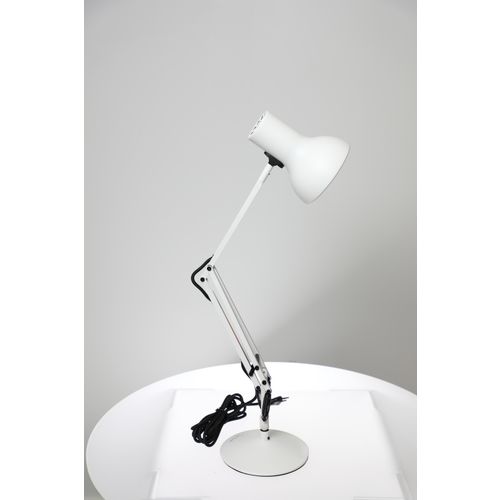
Certified desk lamps meet safety standards. Look for UL or CE certification marks. These marks indicate rigorous testing. Such lamps comply with international safety standards. This ensures user safety and product reliability.
Credit: www.franckly.com
Risks Of Mismatched Voltage Or Frequency
Using a desk lamp with the wrong voltage or frequency can cause serious problems. Electrical devices are designed for specific power standards. If these standards do not match, the lamp may not work properly or could be damaged. Understanding the risks helps keep your lamp and home safe.
Potential Electrical Hazards
Incorrect voltage or frequency can cause overheating. This may lead to electrical fires or shocks. Wiring inside the lamp can melt or short-circuit. Sparks or burning smells indicate danger. Using the wrong power can also blow fuses or trip circuit breakers. Safety risks increase with prolonged use under wrong conditions.
Impact On Lamp Longevity
Mismatched power reduces lamp life. Bulbs may burn out faster than normal. Internal parts wear out due to stress. The lamp might flicker or fail to turn on. Repair costs rise as damage accumulates. Proper voltage and frequency ensure steady and long-lasting performance.
How To Verify Your Lamp’s Compatibility
Ensuring your desk lamp works with 120 volts and 60 Hz is important for safety and performance. Checking compatibility avoids damage or poor lighting. Simple steps can help confirm if your lamp suits your power supply. Focus on key details found on the lamp or its documentation. Use tools like multimeters for precise testing. These checks protect your lamp and your home wiring.
Reading Labels And Manuals
Start by examining the lamp’s label or tag. This label often lists voltage and frequency ratings. Look for numbers like “120V” and “60Hz.” These show the lamp’s electrical requirements. The user manual also has detailed information. It may explain suitable power sources and warnings. If the lamp supports 120 volts and 60 Hz, it will say so clearly. Avoid using lamps without this information.
Testing With Multimeters
A multimeter measures electrical values safely and accurately. Use it to check the lamp’s voltage input. Set the multimeter to measure AC voltage. Plug the lamp into the outlet and touch the probes to the lamp’s plug terminals. The reading should match 120 volts if the lamp is compatible. This step confirms the lamp’s design matches your home’s power supply. Testing prevents electrical issues and ensures proper function.
Credit: www.homedepot.com
Tips For Safe Usage
Using standard desk lamps with 120 volts and 60 Hz power requires care to ensure safety. Simple steps help protect your lamp and home wiring. Proper use prevents damage and reduces fire risk. Follow these tips for safe and effective lamp operation.
Using Proper Adapters
Ensure the adapter matches the lamp’s voltage and frequency needs. Using the wrong adapter can cause overheating or electrical failure. Choose adapters with correct plug types and ratings. Look for certified adapters to guarantee safety and compatibility.
Check the adapter’s output voltage and current limits. Avoid using damaged or worn-out adapters. Replace adapters showing signs of wear or frayed wires immediately. Proper adapters ensure steady power supply to the lamp.
Avoiding Overloading Circuits
Plugging too many devices into one outlet can overload the circuit. Overloaded circuits may cause breakers to trip or wires to heat up. Limit the number of devices on a single power strip or outlet.
Use outlets with built-in surge protectors for extra safety. Spread devices across multiple outlets in different rooms if possible. Always check the lamp’s wattage and ensure it fits within your circuit’s capacity.
Credit: www.homedepot.com
Frequently Asked Questions
Can Standard Desk Lamps Support 120 Volts And 60 Hz?
Yes, most standard desk lamps are designed to handle 120 volts and 60 Hz. This voltage and frequency are common in North America. Always check the lamp’s label or manual to confirm compatibility before use. Using the correct power ensures safety and optimal lamp performance.
What Happens If A Desk Lamp Isn’t Rated For 120 Volts?
If a lamp isn’t rated for 120 volts, it may overheat or malfunction. This can cause damage to the lamp or create a fire hazard. Using the wrong voltage can also void warranties. Always use lamps with the appropriate voltage rating for your region.
Are All Desk Lamps Compatible With 60 Hz Frequency?
Most desk lamps are compatible with 60 Hz frequency, which is standard in the U. S. and Canada. The frequency affects electrical components and performance. Using a lamp designed for 50 Hz in a 60 Hz environment may cause minor issues but usually won’t damage the lamp.
How To Check If A Desk Lamp Supports 120 Volts And 60 Hz?
Check the label or tag on the lamp base or power cord. It usually lists input voltage and frequency. You can also find this info in the lamp’s user manual or product description. Ensure the lamp matches 120 volts and 60 Hz for safe usage.
Conclusion
Standard desk lamps usually work well with 120 volts and 60 Hz. Most lamps are designed for these common settings in homes. Always check the lamp’s label before use. Using the right voltage keeps your lamp safe and lasting longer.
Avoid using lamps with the wrong power. This can cause damage or risk of fire. Simple steps can protect your lamp and your home. Choose lamps that match your electrical supply. This way, you get steady light without worry. Safety matters most when using any electrical device.



