
Are you worried about putting stickers on your walls because of asbestos? You’re not alone.
Many people wonder if something as simple as a sticker could disturb harmful asbestos fibers hidden beneath the surface. Understanding this risk is important to keep your home safe and your mind at ease. You’ll discover the facts about asbestos and how it reacts to everyday actions like sticking decorations to your walls.
By the end, you’ll know exactly what to do to protect yourself and your loved ones without giving up your personal touch. Keep reading to find out more.

Credit: www.safetybuyer.com
Asbestos In Older Walls
Older walls in homes and buildings often hide materials that are no longer used today. One of these materials is asbestos, a mineral fiber once prized for its strength and heat resistance. If your property was built before the 1980s, there’s a chance asbestos is present in the walls, which raises important safety questions when you want to add stickers or decorations.
Common Places For Asbestos
Asbestos can be found in various parts of older walls. It might be in:
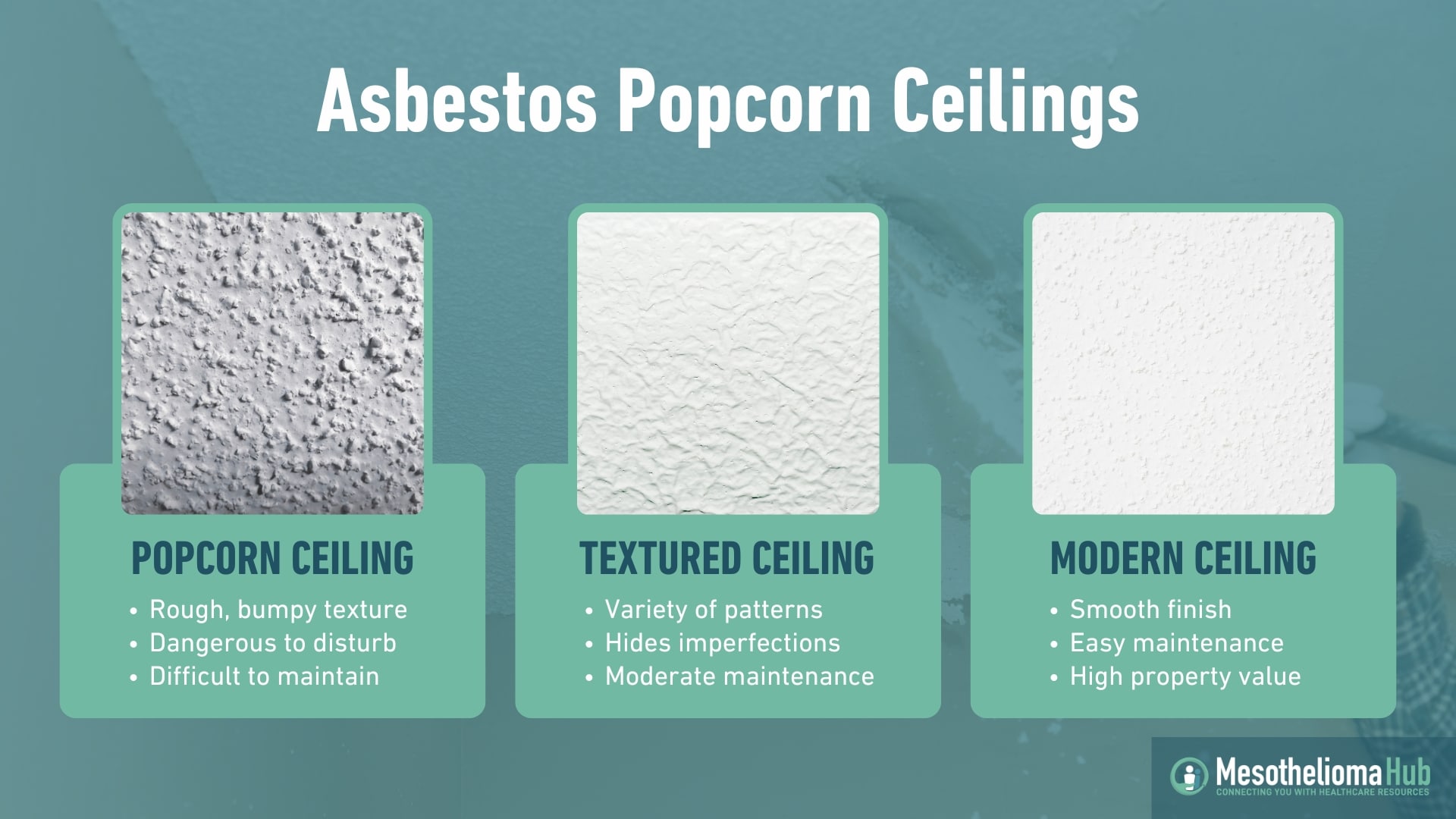
- Textured wall coatings or popcorn ceilings
- Joint compounds and drywall plaster
- Insulation materials around pipes inside the walls
- Wall panels made from asbestos cement
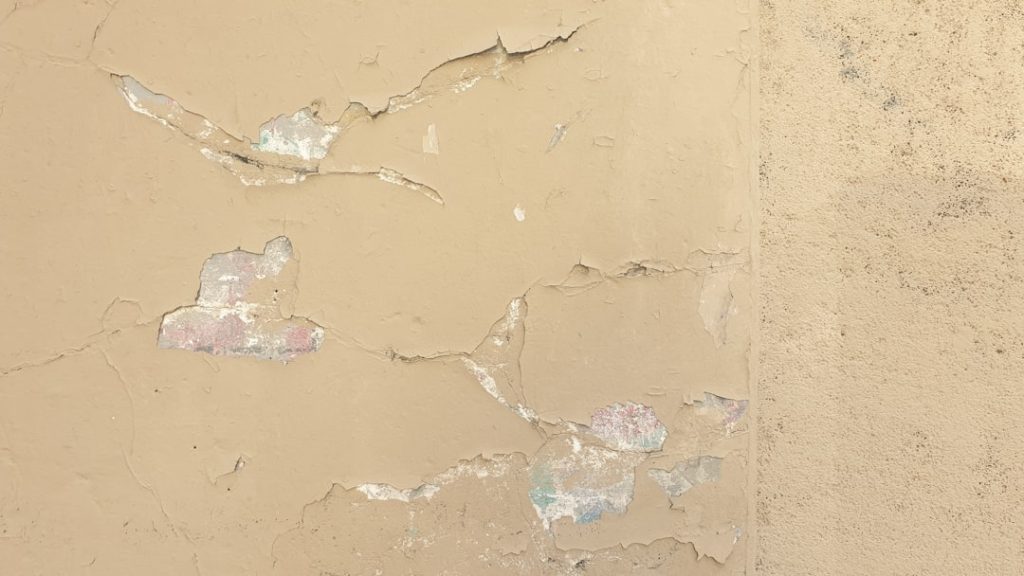
Sometimes, asbestos is hidden under layers of paint or wallpaper, making it hard to spot. Have you ever peeled wallpaper only to worry about what’s underneath? That hesitation is valid because disturbing these layers can release dangerous fibers.
Risks Of Disturbing Asbestos
Applying stickers to a wall might seem harmless, but if the wall contains asbestos, even minor disturbance can release fibers into the air. These fibers are tiny and invisible, yet they can cause serious health issues if inhaled over time.
Common risks include:
- Respiratory problems like asbestosis
- Lung cancer and mesothelioma
- Chronic coughing and shortness of breath
Before you stick something on an older wall, ask yourself: could I be disturbing asbestos without knowing it? Testing the wall for asbestos or consulting a professional can save you from long-term health hazards. Remember, safety should always come before decoration.
How Stickers Interact With Wall Surfaces
Understanding how stickers interact with wall surfaces is key to knowing whether they can disturb asbestos. Walls can have different layers and textures, and adhesives behave differently depending on the surface. This interaction matters a lot, especially in older buildings where asbestos might be present behind paint or wallpaper.
Types Of Adhesives Used
Most stickers use either acrylic-based or rubber-based adhesives. Acrylic adhesives are generally stronger and more durable, sticking firmly to smooth surfaces like painted drywall. Rubber-based adhesives tend to be softer and may be used on textured walls or wallpaper.
Some stickers come with pressure-sensitive adhesives that bond quickly without needing heat or water. Others rely on water-activated glue, which is less common for wall stickers but still possible. Knowing the adhesive type helps you predict how the sticker will behave when applied or removed.
Potential Damage From Removing Stickers
Removing stickers can peel off paint, wallpaper, or even surface layers of plaster. If your wall contains asbestos in any of these layers, disturbing them could release harmful fibers. This risk increases if the adhesive bonds tightly and you use force or scraping tools to remove the sticker.
Have you ever tried peeling a stubborn sticker and ended up taking off paint or leaving sticky residue? This common experience shows how easily the wall surface can be damaged. To avoid this, consider testing a small area first or using gentle removal methods like heat or adhesive removers designed for walls.
Can Stickers Release Asbestos Fibers?
Stickers on walls are common, whether they’re used for decoration, labeling, or simply to add a personal touch to a space. But can these seemingly harmless adhesives actually pose a threat when it comes to asbestos? This question might seem trivial at first glance, yet it raises concerns about safety and health. Let’s dive into whether stickers can release asbestos fibers.
Surface Vs. Embedded Asbestos
Understanding the difference between surface and embedded asbestos is crucial. Surface asbestos is often present as a thin layer on older wall paints or coatings. In contrast, embedded asbestos is mixed into building materials like cement or insulation.
If stickers are applied to a surface that contains asbestos, there’s a potential risk when peeling them off. The adhesive might disturb the surface, releasing fibers. However, if the asbestos is embedded deep within materials, the risk from stickers is significantly lower.
Scientific Insights On Disturbance
Research shows that any action which disturbs asbestos-containing materials can release fibers. This includes drilling, sawing, or even peeling off stickers. It’s the force and method of removal that often determine the level of disturbance.
Experts suggest that gently removing stickers with minimal disruption can reduce the likelihood of releasing fibers. But how can you be sure of the level of disturbance caused? Consulting with a professional might be your best bet, especially in older buildings where asbestos is more common.
Have you ever considered the potential hazards of something as simple as removing a sticker from your wall? It’s a thought that might not cross your mind, yet it can lead to significant health concerns if not handled properly.
Safe Practices Around Asbestos Walls
Handling walls that may contain asbestos requires careful attention. Asbestos fibers can be harmful if released into the air. Taking safe steps protects your health and your home. Understanding the risks helps you avoid disturbing asbestos during simple tasks like applying or removing stickers.
Identifying Asbestos-containing Walls
Walls built before the 1980s often contain asbestos materials. Common places include textured paint, wall panels, and old plaster. Look for signs like:
- Crumbled or damaged wall surfaces
- Dusty, brittle areas
- Labels or documents from building records
Professional testing is the only sure way to confirm asbestos presence. Do not try to test or disturb the wall yourself.
Precautions When Applying Or Removing Stickers
Stick to gentle methods to avoid damaging the wall surface. Avoid scraping or peeling stickers forcefully. Use low-adhesive stickers if possible. Follow these safety tips:
- Wear a dust mask and gloves
- Do not use sharp tools on the wall
- Moisten the area lightly to reduce dust
- Dispose of sticker backing carefully
- Clean the area with a damp cloth after removal
Consult a professional if the wall looks fragile or damaged. Safety must come first to prevent asbestos exposure.
Professional Asbestos Handling
Handling asbestos is not a task to take lightly. Professional asbestos handling ensures your safety and the safety of everyone around you. It requires specialized knowledge, equipment, and strict safety protocols to manage asbestos without causing health risks.
When To Call Experts
If you suspect asbestos in your walls, do not attempt to peel off stickers or disturb the surface yourself. Any disturbance can release harmful asbestos fibers into the air. You should call experts if you notice:
- Cracked or damaged walls with potential asbestos material
- Old buildings constructed before the 1980s
- Renovation or demolition plans involving walls that may contain asbestos
Have you ever considered how a simple sticker removal might expose you to hidden dangers? Professionals have the right tools and training to assess the situation safely before any work begins.
Asbestos Testing And Removal Services
Certified asbestos inspectors collect samples safely to identify the presence of asbestos. This testing step is crucial before any removal or repair work. Only after confirming asbestos can a licensed removal team step in.
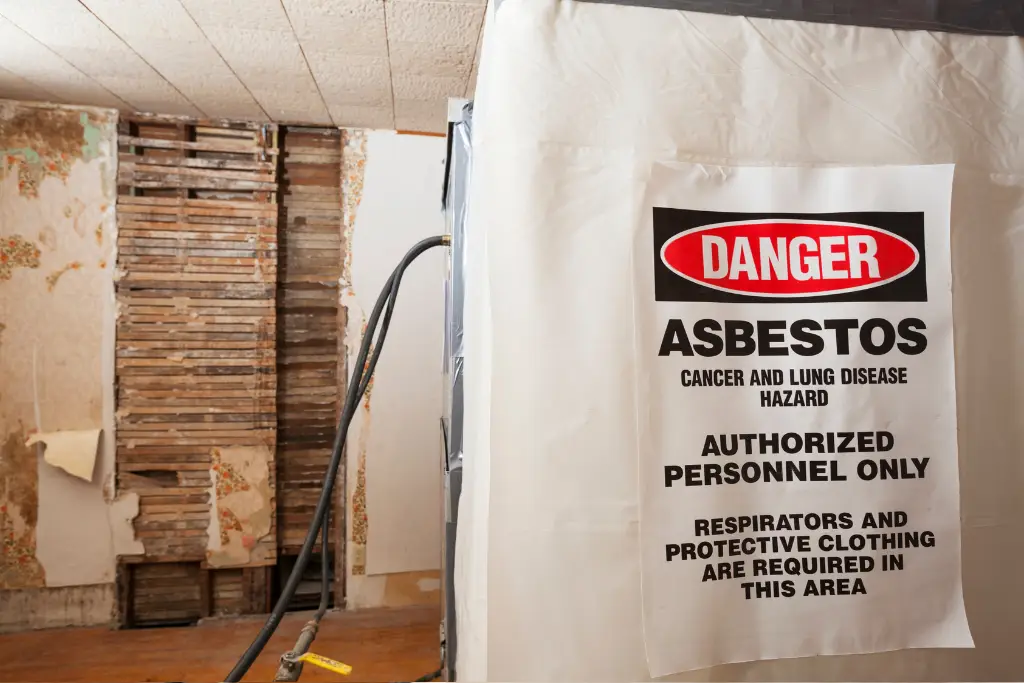
Removal teams follow strict guidelines to prevent fiber release. They use protective gear and specialized equipment like HEPA vacuums and containment barriers. This controlled process minimizes exposure risks and ensures your environment is safe again.
Have you checked if your local area offers reliable asbestos removal services? Knowing who to call can save you time and prevent health hazards down the line.
Credit: mesotheliomahub.com
Credit: acmservices.com
Frequently Asked Questions
Can Stickers On Walls Release Asbestos Fibers?
Stickers themselves don’t release asbestos fibers. However, peeling stickers may disturb old wall materials that contain asbestos. Avoid forceful removal on suspected asbestos surfaces to prevent fiber release.
Is It Safe To Put Stickers On Asbestos Walls?
Placing stickers gently usually doesn’t disturb asbestos. Still, avoid scraping or peeling them off forcefully to prevent asbestos exposure. Always verify if the wall contains asbestos before applying stickers.
How To Identify Asbestos Behind Wall Stickers?
Asbestos presence can’t be confirmed by sight. Professional testing is necessary to identify asbestos behind stickers or wall surfaces. Never assume safety based on appearance alone.
Does Removing Wall Stickers Cause Asbestos Risk?
Forceful removal might damage asbestos-containing materials, releasing dangerous fibers. Use caution and consult experts if you suspect asbestos in wall layers beneath stickers.
Conclusion
Stickers on a wall usually do not disturb asbestos. Asbestos fibers stay hidden under paint or wallpaper. Peeling or removing stickers gently reduces any risk. Avoid scraping or damaging the wall’s surface. If the wall is old or damaged, call a professional.
Safety matters most when asbestos might be present. Simple actions protect you and your family’s health. Stickers alone rarely cause asbestos problems. Always handle old walls with care and caution.



