
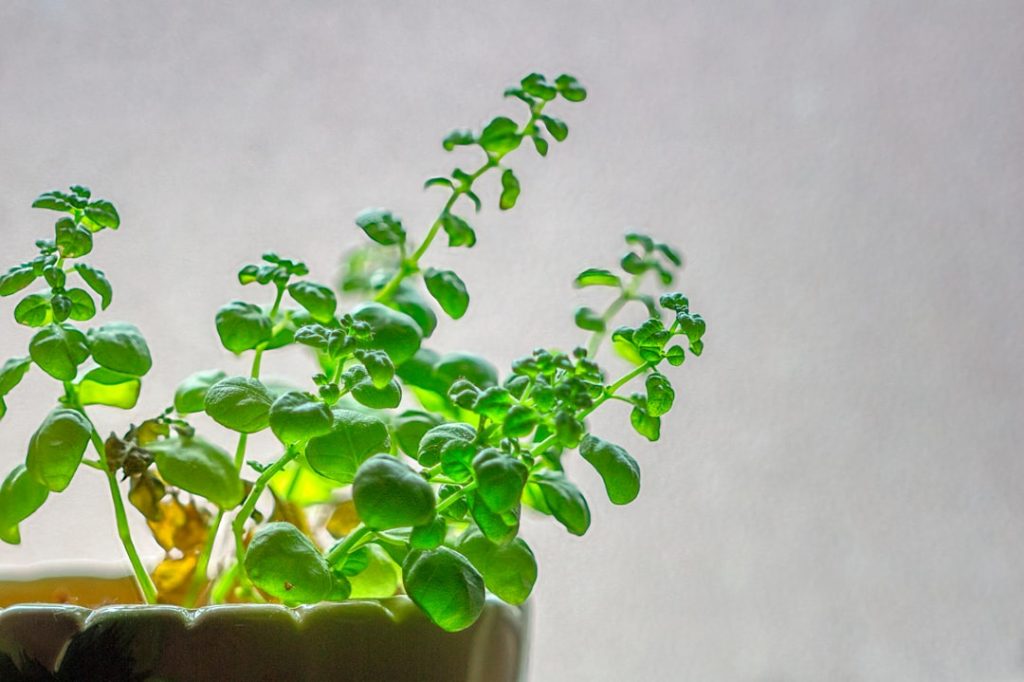
Have you ever wondered if your desk lamp could do more than just brighten your workspace? Imagine turning that simple light into a tool to grow healthy, vibrant plants right on your desk.
It sounds too good to be true, doesn’t it? But what if you could bring nature indoors, boost your mood, and add a splash of green to your environment—all with something you already have? Keep reading, because by the end of this article, you’ll know exactly how to use your desk lamp to help your plants thrive.
Choosing The Right Desk Lamp
Choosing the right desk lamp is key to helping your plants grow indoors. Not all lamps provide the light plants need. The right lamp creates a healthy environment and boosts growth. Understanding lamp types, light spectrum, and energy use helps you pick the best option. This guide breaks down these important factors.
Types Of Lamps Suitable For Plants
Not all desk lamps suit plant growth. Some provide good light but lack the needed spectrum. Here are types that work well:
- LED grow lights: Energy-efficient and provide specific light colors plants need.
- Fluorescent lamps: Affordable and offer broad light spectrum, good for seedlings.
- Incandescent bulbs: Produce heat but less efficient; not ideal for long-term growth.
Choose lamps designed or labeled for plant growth. They supply better light quality.
Importance Of Light Spectrum
Plants need specific light colors to grow well. Blue light supports leaf growth. Red light helps flowers and fruit develop. A lamp with a full spectrum or a mix of red and blue is best. Avoid lamps that emit only white or yellow light. They do not fully support photosynthesis.
Energy Efficiency Considerations
Energy use affects electricity bills and lamp performance. LED lamps use less power and last longer. Fluorescent lamps consume moderate energy and have a decent lifespan. Incandescent bulbs waste energy as heat and burn out quickly. Pick lamps that save energy and provide enough light for your plants.

Credit: www.reddit.com
Best Plants For Desk Lamp Growth
Choosing the right plants for desk lamp growth is important. Not all plants thrive under artificial light. Some need more sunlight, while others do well in low light. Desk lamps provide limited light, so picking plants that tolerate or enjoy such conditions helps them grow healthy and strong.
This section covers the best plants for growing under desk lamps. It includes low-light tolerant plants, compact indoor plants, and fast-growing varieties. Each type suits different spaces and care levels.
Low-light Tolerant Plants
These plants survive well with minimal light from desk lamps. They adapt to indoor lighting and need little extra care.
- Snake Plant (Sansevieria): Hardy, needs little water, and thrives in low light.
- ZZ Plant (Zamioculcas zamiifolia): Tolerates shade and requires minimal watering.
- Philodendron: Grows well in low light and has attractive leaves.
- Pothos: Easy to care for and grows in dim light conditions.
Compact Indoor Plants
Small plants fit well on desks and under lamps. They need limited space and add greenery to work areas.
- Succulents: Require bright but indirect light, perfect for desk lamps with moderate brightness.
- Air Plants (Tillandsia): Compact and don’t need soil, thriving under artificial light.
- Baby Rubber Plant (Peperomia): Small size and low light needs make it ideal for desks.
- Miniature Ferns: Stay small and enjoy indirect light from desk lamps.
Fast-growing Varieties
These plants show quick growth under desk lamps, giving visible results fast. They can brighten up any workspace.
- Spider Plant: Grows fast and adapts well to indoor light.
- Herbs (Basil, Mint): Grow quickly under artificial light and can be used fresh.
- Chinese Evergreen: Rapid growth and low light tolerance.
- Lucky Bamboo: Grows well with desk lamp light and adds a fresh look.
Optimal Lamp Placement
Optimal lamp placement is key for growing plants under desk lamps. Proper positioning ensures plants get enough light without harm. Small adjustments can make a big difference in plant health and growth.
Distance From Plant
Keep the lamp close but not too near. Around 12 to 18 inches usually works well. Too far means weak light and slow growth. Too close can cause leaf burn or dryness. Measure the distance and watch your plant’s response.
Adjusting Light Angle
Point the lamp directly at the plant’s leaves. Light hitting leaves at an angle may reduce photosynthesis. Adjust the lamp angle as the plant grows. Use a flexible lamp or swivel arm to make changes easy.
Avoiding Heat Damage
Desk lamps can get hot and harm plants. Use LED bulbs that give off less heat. Place a barrier like glass or plastic if needed. Check the plant often for signs of heat stress, such as wilting or browning.
Lighting Duration And Schedule
Plants need about 12 to 16 hours of light daily to grow well under a desk lamp. Setting a consistent schedule helps them stay healthy and strong. Too much or too little light can slow their growth or cause problems.
Lighting Duration and Schedule Growing plants with a desk lamp requires understanding lighting duration and schedule. Light exposure affects plant growth and health. Desk lamps can mimic natural light with proper timing. Knowing the right schedule helps plants thrive indoors.Recommended Daily Light Hours
Most plants need specific light hours daily. Generally, 12 to 16 hours of light is best. This range suits many houseplants. For flowering plants, aim for 14 to 18 hours. Adjust based on plant type and growth stage.Mimicking Natural Light Cycles
Natural light cycles vary between day and night. Mimic these cycles with your desk lamp. Give plants darkness at night. This rest period is crucial. It supports natural growth patterns. Balance light and dark for healthy plants.Using Timers For Consistency
Timers ensure a consistent light schedule. Set timers for automatic on and off times. This reduces the manual effort. Consistency helps plants adjust to a stable routine. Timers prevent overexposure or underexposure to light. They are simple yet effective tools for plant care.Supplementing Desk Lamp Light
Supplementing desk lamp light is key for healthy plant growth indoors. Desk lamps alone often lack the full spectrum or intensity plants need. Adding other light sources or techniques can help plants thrive in low-light spaces. Smart adjustments improve light exposure and boost photosynthesis.
Combining With Natural Light
Natural light is the best source for plants. Place your desk lamp near a window to mix natural and artificial light. Morning and afternoon sun adds strong, full-spectrum light. This blend supports plant growth better than desk lamps alone. Rotate plants to balance light on all sides.
Using Reflective Surfaces
Reflective surfaces increase light around your plants. Use white walls, mirrors, or aluminum foil nearby. These surfaces bounce light from the desk lamp back to the plant. More light means better photosynthesis and healthier leaves. Position reflective materials to direct light onto shaded parts of the plant.
Additional Grow Light Options
Desk lamps often lack the right light spectrum for plants. Consider adding grow lights designed for plants. LED grow lights are energy-efficient and provide red and blue light plants need most. Full-spectrum bulbs mimic sunlight better than regular bulbs. Use timers to give plants consistent light hours daily.
Common Challenges And Solutions
Growing plants under a desk lamp can be rewarding, but it comes with its own set of challenges. Understanding these common issues helps you adjust your setup for healthier, happier plants. Let’s look at some problems you might face and how to fix them effectively.
Yellowing Leaves
If your plant’s leaves start turning yellow, it might be a sign of too much or too little light. Desk lamps often don’t provide enough intensity or the right light spectrum for plants to thrive.
Try moving the lamp closer to your plant, but not so close that it causes heat stress. Using a full-spectrum LED bulb can also help, as these bulbs mimic natural sunlight better than regular bulbs.
Remember, yellow leaves can also mean overwatering or poor drainage. Check your soil moisture and ensure your pot has drainage holes to prevent root rot.
Leggy Growth
Leggy growth happens when plants stretch toward a light source that isn’t bright enough. You’ll notice long, thin stems and sparse leaves.
To prevent this, position your desk lamp directly above the plant to encourage upward growth. If your lamp’s light is weak, consider upgrading to a more powerful grow light designed for plants.
Also, give your plant some time under the light each day—aim for 12 to 16 hours depending on the species. Too little light time can cause your plant to stretch out in search of more light.
Slow Development
Slow growth under a desk lamp can be frustrating. It often means your plant isn’t getting enough energy from the light to fuel its growth.
Check the distance and duration of light exposure. Increasing light hours or upgrading to a higher wattage bulb can boost growth speed.
Don’t forget nutrients—light alone isn’t enough. Feeding your plant with balanced fertilizer can support faster development alongside adequate lighting.
Maintenance Tips For Healthy Growth
Keeping your plants healthy under a desk lamp requires more than just setting up the light. Proper maintenance plays a crucial role in ensuring your plants thrive. Paying close attention to watering, soil quality, and pruning can make a significant difference in their growth and vitality.
Watering Practices
Watering your plants correctly is key to their survival. Overwatering can cause root rot, while underwatering stresses the plant and slows growth. Feel the soil before watering; if the top inch is dry, it’s time to water.
Different plants have different water needs. Succulents need less water than leafy greens. Adjust your watering routine based on your plant’s specific requirements and the humidity level near your desk.
Soil Quality And Fertilization
Using good quality soil ensures your plants get the nutrients they need. Choose a potting mix that drains well but still retains some moisture. Avoid garden soil, which can be too heavy for indoor pots.
Adding fertilizer can boost growth, especially since desk lamps don’t provide the full spectrum of sunlight. Use a balanced, water-soluble fertilizer every 4-6 weeks, but be careful not to overfeed. Have you noticed any yellowing leaves? That might be a sign your plant needs more nutrients.
Regular Pruning
Pruning helps your plants focus their energy on new growth. Remove dead or yellowing leaves regularly to prevent disease and improve airflow. Trimming leggy stems encourages a fuller, bushier plant.
Don’t be afraid to pinch back your herbs or leafy plants. I found that a little snip now and then keeps my desk plants vibrant and productive. Are you tracking how your plants respond to pruning? It can be a great way to understand their growth patterns better.

Credit: www.amazon.ca

Credit: www.amazon.com
Frequently Asked Questions
Can Plants Grow Under A Regular Desk Lamp?
Most regular desk lamps don’t provide the right light spectrum for plant growth. Plants need full-spectrum or grow lights to thrive indoors. Using a standard lamp might only support low-light plants temporarily but won’t promote healthy development or flowering.
What Type Of Desk Lamp Is Best For Plants?
LED grow lamps are the best for plants because they emit the full light spectrum plants need. These lamps are energy-efficient and produce minimal heat, making them ideal for indoor gardening under desk lamps.
How Long Should Plants Be Under A Desk Lamp Daily?
Most indoor plants need 12 to 16 hours of light daily for healthy growth. Using a timer with your desk lamp ensures consistent light exposure and prevents over or underexposure.
Can Desk Lamps Replace Natural Sunlight For Plants?
Desk lamps can supplement natural sunlight but rarely replace it fully. Natural sunlight offers a broader spectrum and intensity, crucial for plant health. However, quality grow lamps can support plants in low-light spaces effectively.
Conclusion
Growing plants with a desk lamp can work well for small indoor spaces. Choose a lamp that gives enough light for plant growth. Keep the lamp close, but not too near to avoid burning leaves. Remember to water plants and check their needs often.
This simple setup helps you enjoy green plants all year. Try it and see your plants thrive with just a desk lamp. Small steps make a big difference in indoor gardening.



