
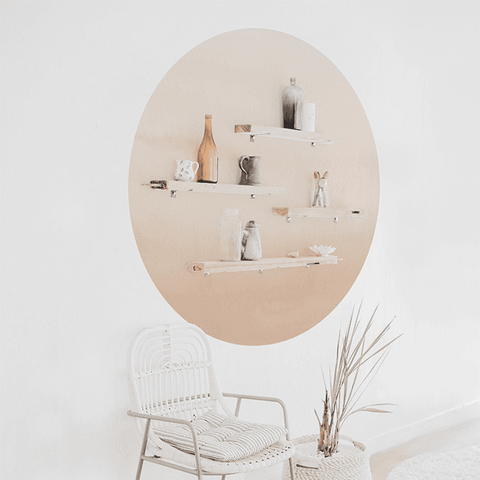
Are you wondering if you can put wall stickers on textured walls without them peeling off or looking messy? You’re not alone.
Many people face this challenge when trying to decorate their homes quickly and affordably. Imagine transforming your space with colorful designs or fun patterns — but only if the stickers actually stick well. You’ll discover simple tips and expert advice to make your wall stickers stay put on textured surfaces.
Keep reading to learn how to make your walls look amazing, no matter their texture.

Credit: commomy.com
Challenges With Textured Walls
Applying wall stickers on textured walls presents several challenges. Textured surfaces create uneven areas that affect how well stickers stick. Sticking wall decals on such walls may lead to peeling or bubbles. Knowing the types of textures and their effects helps in choosing the right sticker and method.
Common Types Of Wall Textures
- Orange Peel:Fine, bumpy texture resembling an orange skin.
- Knockdown:Flattened, uneven pattern with raised areas.
- Popcorn:Rough, lumpy surface often used on ceilings.
- Slap Brush:Brush-stroked texture with ridges.
- Skip Trowel:Thin, rough pattern made with a trowel.
How Texture Affects Adhesion
Textured surfaces reduce contact area between sticker and wall. Less surface contact means weaker adhesion. Raised bumps cause stickers to lift at edges. Air pockets can form, leading to bubbles under stickers. Rough textures absorb adhesive, weakening the stickiness. Smooth walls provide better, longer-lasting results.
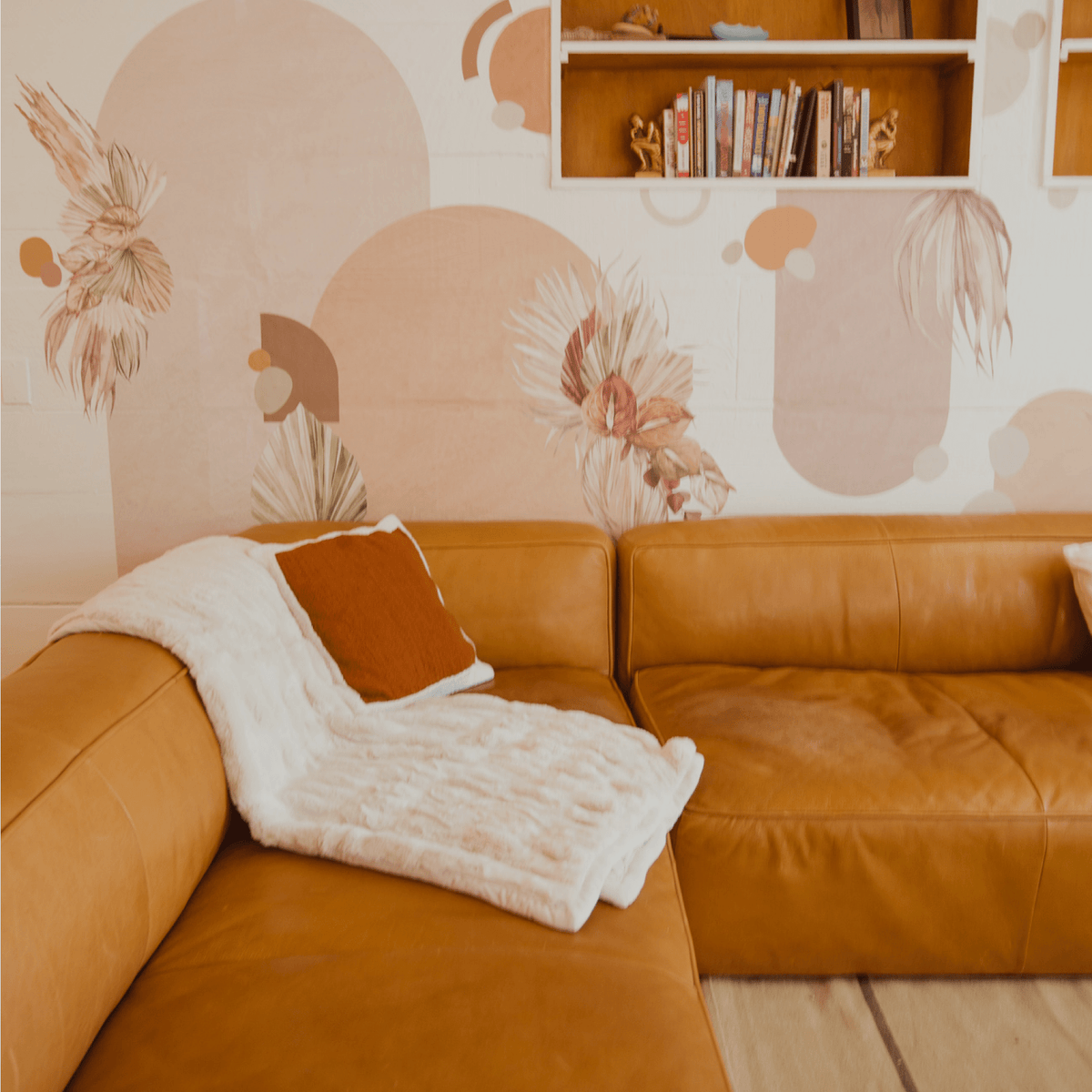
Credit: uwdecals.com
Choosing The Right Wall Stickers
Choosing the right wall stickers for textured walls can make all the difference in how well they stick and how great they look. Textured surfaces are tricky because not all stickers can handle the bumps and grooves. Picking the right materials and designs helps you avoid frustration and ensures your walls get the makeover you want.
Materials That Work Best
Not all wall stickers are created equal, especially for textured walls. Vinyl stickers often perform better because their flexibility allows them to conform to uneven surfaces. Look for stickers labeled as removable or repositionable vinyl; they usually have stronger adhesives that grip textured walls without causing damage.
Fabric-based stickers are another good choice because they can stretch slightly to fit the texture. Avoid paper stickers—they tend to peel off quickly on rough surfaces. Have you ever tried to stick a regular paper decal on a brick wall? It usually ends in disappointment.
Size And Design Considerations
Size matters more than you might think. Large stickers with intricate details can struggle to stick properly on textured walls because of the uneven contact points. Smaller stickers or those with bold, simple shapes tend to perform better since they require less surface adhesion.
Think about the design’s complexity. Fine lines and tiny details might get lost or distorted by the wall’s texture. Choosing designs with solid, broad areas can help maintain the visual impact. What effect do you want to achieve—subtle decoration or bold statements? Your answer will guide your size and design choices.
Preparing Textured Walls
Textured walls need a clean, dry surface before applying wall stickers. Light sanding helps smooth rough areas for better sticker grip. Choosing flexible, strong stickers works best on uneven surfaces.
Preparing a textured wall for wall stickers is crucial to ensure that they adhere well and look their best. Textured walls can be tricky, but with the right preparation, you can transform them into a perfect canvas for your creative expression. Let’s dive into the essential steps to get your textured walls ready for those vibrant wall stickers.Cleaning And Drying
Start with a clean slate. Dust and grime can prevent stickers from sticking properly. Use a damp cloth or a mild cleaning solution to wipe down the walls. Once cleaned, make sure the walls are completely dry. Moisture can cause stickers to peel off, so it’s vital to eliminate any dampness. You might be surprised at how much of a difference a clean, dry surface can make.Smoothing Techniques
Textured walls often have bumps and grooves that can affect sticker adhesion. Consider using a sanding tool to gently smooth out the surface. Be cautious, though—you don’t want to damage the wall. If sanding isn’t an option, try applying a primer or a thin layer of paint. These can help create a smoother surface for stickers to stick. Have you ever noticed how a smooth surface just seems to make everything look better? These simple steps can significantly enhance the appearance and durability of your wall stickers on textured walls. What challenges have you faced with textured walls?Applying Stickers On Textured Surfaces
Applying stickers on textured surfaces can be tricky, but it’s not impossible. Textured walls don’t offer the smooth finish stickers usually need to stick well. Understanding how to prepare and apply your wall stickers can make a big difference in how long they last and how good they look.
Step-by-step Application Guide
Start by cleaning the textured wall thoroughly. Dust and dirt reduce the sticker’s ability to stick, so use a damp cloth and let the wall dry completely.
Next, gently press the sticker onto the wall. Because the surface isn’t flat, you need to apply firm, even pressure to make sure the adhesive reaches all the nooks and crannies.
If the texture is very rough, consider applying the sticker in smaller sections instead of one large piece. This helps avoid air bubbles and peeling edges.
After placing the sticker, use a soft cloth or a squeegee to press it down firmly. Push from the center outward to remove any trapped air.
Tools To Use For Better Adhesion
- Soft Rubber Squeegee:Ideal for pressing stickers onto uneven surfaces without damaging them.
- Hair Dryer:Gently warming the sticker can activate the adhesive and make it more flexible, helping it conform to the texture.
- Painter’s Tape:Use it to hold the sticker in place while you adjust positioning before fully pressing down.
- Isopropyl Alcohol:Use this for cleaning the wall to remove oils and residue that soap and water might miss.
Have you ever tried to apply a sticker only to watch it peel off after a few days? These tools and techniques can help you avoid that frustration and get a clean, lasting finish on your textured walls.
Maintaining Wall Stickers On Textured Walls
Maintaining wall stickers on textured walls requires careful attention. Textured surfaces can cause edges to lift or peel faster than smooth walls. Proper care helps your stickers stay fresh and vibrant for longer. Small efforts in cleaning and handling make a big difference.
Tips To Prevent Peeling
- Avoid touching the edges of the stickers too often.
- Press the sticker firmly against the wall during installation.
- Use a soft cloth to smooth out any air bubbles.
- Keep the room at a stable temperature to avoid humidity effects.
- Place stickers away from direct sunlight and moisture.
- Consider using a clear sealant spray suitable for decals.
Cleaning Without Damage
Dust the stickers gently using a dry microfiber cloth. Avoid using water or harsh cleaners that can weaken the adhesive. For stubborn dirt, lightly dampen the cloth with water only. Do not scrub or use abrasive materials. Keep cleaning consistent but gentle to maintain appearance.

Credit: commomy.com
Alternatives To Wall Stickers
If textured walls make you hesitant about using wall stickers, don’t worry. There are plenty of creative alternatives that can bring personality and style to your space without struggling with adhesion issues. These options can be just as eye-catching and often offer more flexibility for customization.
Wall Decals And Murals
Wall decals are similar to stickers but often come with stronger adhesives designed for uneven surfaces. They come in larger sizes and can cover significant wall areas, creating a bold statement. Murals, whether painted or printed, allow you to transform a textured wall into an art piece without worrying about peeling edges.
Think about using a mural to highlight a feature wall or adding decals in clusters to create a dynamic look. You can even combine decals with your room’s theme for a personalized touch. Have you tried layering decals to add depth and interest?
Paint And Stencils
Painting directly onto textured walls is a fantastic way to add lasting designs without the risk of peeling. Stencils are especially helpful if you want patterns or shapes with clean edges. They allow you to create repeated designs easily, even on rough surfaces.
Choose paint colors that contrast with your wall to make the designs pop. You might find that painting is more forgiving than stickers because it bonds directly with the wall. Why not experiment with different stencil patterns to find what speaks to your style?
Frequently Asked Questions
Can Wall Stickers Stick Well On Textured Walls?
Wall stickers can adhere to textured walls but may not stick as firmly. The texture creates gaps that reduce contact. Using high-quality, flexible stickers improves adhesion on uneven surfaces.
How To Prepare Textured Walls For Wall Stickers?
Clean textured walls thoroughly to remove dust and grease. Use a mild detergent and let the surface dry completely. Smooth out rough spots if possible to enhance sticker adhesion.
Will Wall Stickers Damage Textured Walls When Removed?
Wall stickers may peel paint or damage textured walls if removed abruptly. Slowly peel stickers at a 45-degree angle to minimize damage. Use heat or adhesive removers for safer removal.
Are Certain Wall Stickers Better For Textured Surfaces?
Vinyl and fabric-based wall stickers work best on textured walls. These materials are flexible and conform to uneven surfaces. Avoid paper stickers, as they tear easily on textured walls.
Conclusion
Wall stickers can work on textured walls, but results vary. Some textures hold stickers better than others. Clean the wall well before applying any sticker. Press firmly to help stickers stick and last longer. Peeling might happen on rough or bumpy surfaces.
Choosing the right sticker type matters a lot. Test a small area first to see how it sticks. This way, you avoid damage and wasted effort. Wall stickers offer an easy way to decorate. Just be patient and gentle with textured walls.



