
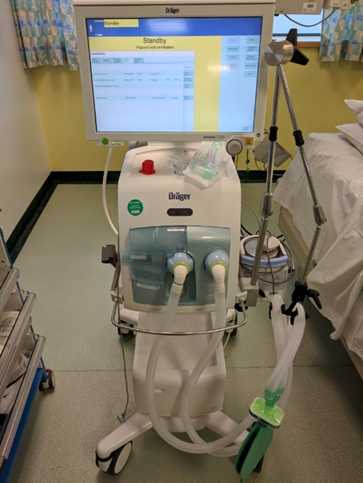
Have you ever wondered if you can talk while on a ventilator? If you or a loved one is facing this situation, you probably have many questions.
Talking is such a natural part of how we connect with others. Being on a ventilator might make you worry that your voice is lost. But is that really the case? Keep reading to discover what’s possible, how communication works with a ventilator, and what options you have to make your voice heard.
This information could change how you feel about this challenging time.
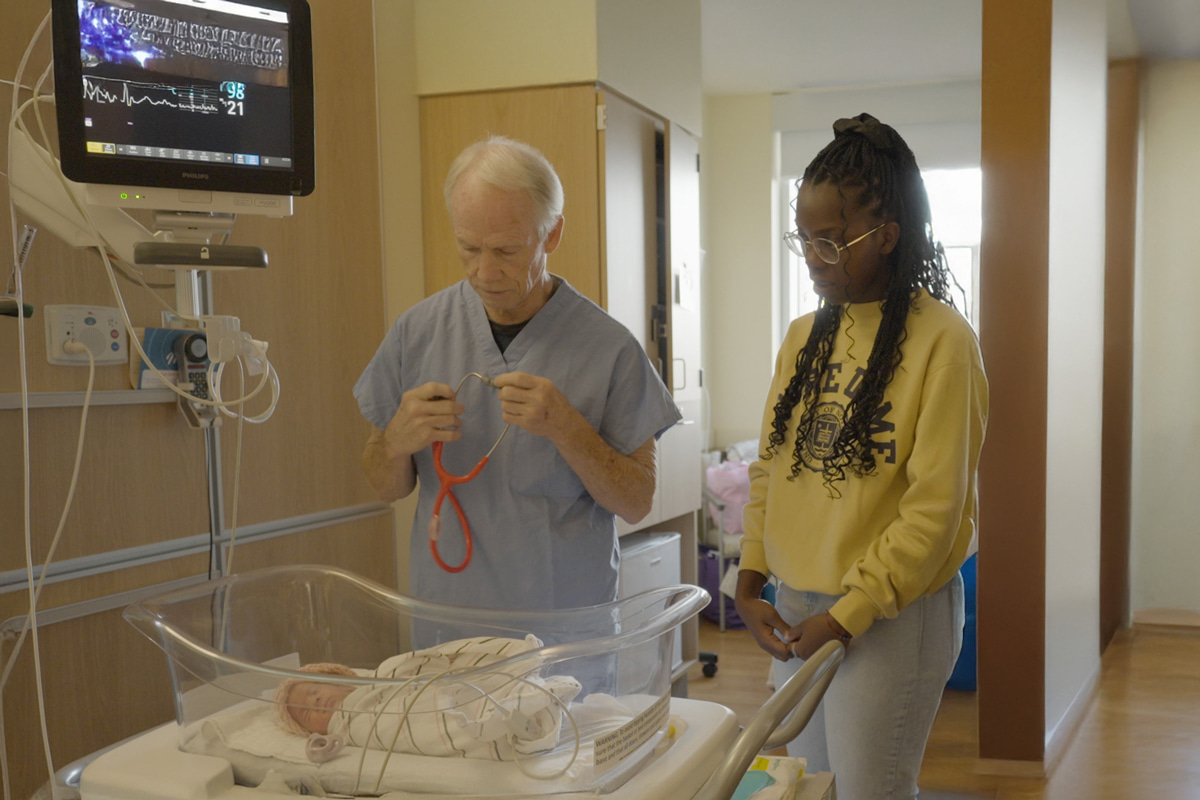
Credit: fightingfor.nd.edu
How Ventilators Work
Understanding how ventilators work helps clarify if patients can talk while using one. Ventilators support breathing by moving air in and out of the lungs. They assist people who cannot breathe well on their own. This machine controls airflow, oxygen levels, and pressure to keep the body stable.
Basic Functions
Ventilators deliver air through a tube into the patient’s airway. They manage the rate and volume of breaths. The machine can take over breathing completely or assist with each breath. Sensors monitor lung pressure and adjust airflow accordingly. This keeps oxygen and carbon dioxide at safe levels. Ventilators can also humidify and warm the air for comfort.
Types Of Ventilators
There are several types of ventilators, each serving different needs:
- Invasive Ventilators:Use a tube inserted into the windpipe. Provide full breathing support.
- Non-invasive Ventilators:Use masks instead of tubes. Help patients breathe without intubation.
- Portable Ventilators:Small and lightweight. Used for transport or home care.
- High-Frequency Ventilators:Deliver very fast, small breaths. Used in special medical cases.
Speech Challenges On A Ventilator
Speaking while on a ventilator presents unique challenges. Many patients feel frustrated by the inability to talk. Understanding these challenges helps patients and caregivers manage expectations.
Why Talking Is Difficult
A ventilator supports breathing by pushing air into the lungs. This process bypasses normal airflow through the mouth and vocal cords. Without airflow over the vocal cords, sound cannot be produced. The ventilator tube often passes through the throat, blocking the vocal cords from moving properly. This makes speech nearly impossible or very weak. Patients may try to speak but find their voice sounds muffled or silent.
Physical Limitations
The tube inserted into the windpipe limits natural movements needed for speech. The vocal cords cannot close or vibrate as usual. The muscles used for speaking may weaken due to illness or disuse. Breathing control is affected, making it hard to coordinate speech with breath. Patients may also feel tired or uncomfortable, which reduces the effort to speak. Some use alternative methods like writing or communication boards.
Methods To Enable Speech
Being on a ventilator doesn’t have to mean losing your voice. There are practical ways to help you speak or communicate effectively, even when breathing assistance is necessary. Understanding these options can empower you and make your hospital stay less isolating.
Speaking Valves
Speaking valves are small devices attached to your ventilator tube that allow air to flow through your vocal cords. They work by directing exhaled air up through the larynx, enabling you to produce sound.
Using a speaking valve usually requires some assessment by your healthcare team to ensure it’s safe for your specific condition. Many patients find that once they start using a valve, the ability to speak improves quickly, which can boost confidence and reduce frustration.
Alternative Communication Tools
If speaking valves aren’t an option, alternative tools can help you express yourself. These include:
- Writing tablets or boards:Quick and easy for sharing simple messages.
- Picture or symbol cards:Useful if you have limited movement or energy.
- Electronic communication devices:Apps and speech-generating devices can convert your touch or eye movements into words.
Have you considered which tool feels most natural to you? Trying different methods can reveal the best fit for your needs and comfort level.

Credit: www.selectspecialtyhospitals.com
Medical Considerations
Understanding the medical considerations around talking on a ventilator is crucial for both patients and their caregivers. Communication while on a ventilator isn’t just about speaking; it’s deeply connected to safety and the role of healthcare providers. Let’s break down what really matters when it comes to this complex issue.
Patient Safety
Safety is the top priority when considering if a patient can talk on a ventilator. The ventilator tube often passes through the vocal cords, which makes speaking difficult or even risky. Trying to speak without proper support can lead to injury or breathing difficulties.
Patients need to be closely monitored for signs of distress or fatigue if they attempt to communicate verbally. Sometimes, even small movements or attempts to speak can affect the airflow and oxygen delivery. Have you ever thought about how fragile this balance is?
Using specialized devices like speaking valves can help, but they must be used under strict medical supervision to avoid complications like airway blockage or reduced ventilation effectiveness. Safety checks and continuous assessment are essential to prevent problems.
Role Of Healthcare Providers
Healthcare providers play a vital role in facilitating communication for ventilated patients. They assess the patient’s condition continuously to decide if speaking is safe and feasible. Their expertise ensures that any attempt to talk does not compromise breathing support.
Medical staff also educate patients and families about alternative communication methods, such as writing boards or electronic devices, when speaking is not possible. This helps maintain emotional well-being and reduces frustration.
Have you considered how much trust you place in your healthcare team during such vulnerable moments? Their guidance can make the difference between safe communication and serious risk. Providers tailor approaches based on individual needs, making each case unique.
Emotional And Social Impact
Speaking on a ventilator can be challenging and affect a person’s emotions deeply. Limited communication may lead to feelings of isolation and frustration. Social connections often become harder, impacting mental well-being during recovery.
The emotional and social impact of being on a ventilator is often overlooked but can be profound. Patients may feel isolated and disconnected due to communication barriers, affecting their emotional well-being. Understanding these challenges is crucial for providing empathetic care and maintaining strong social connections.Patient Experience
For patients on a ventilator, the inability to speak can be one of the most frustrating experiences. Imagine being unable to express your needs or feelings verbally. This can lead to feelings of helplessness and anxiety. Many patients report feeling trapped in their own bodies. They might rely on alternative methods like writing or using communication boards. However, these are not always effective or available, which can heighten feelings of isolation.Communication With Family And Caregivers
Families often struggle to communicate effectively with their loved ones on a ventilator. The inability to hear a familiar voice can be heartbreaking for both sides. Have you ever wondered how you would convey love and support without words? Caregivers play a crucial role in bridging this communication gap. They often need to be creative, using gestures, facial expressions, and technology to understand and fulfill patient needs. This can strengthen the bond between patient and caregiver, fostering a deeper connection despite the challenges. Encouraging open and empathetic communication strategies can significantly improve the emotional and social experiences for patients on ventilators. How can you contribute to making this journey less isolating for them? Understanding and compassion are key.
Credit: www.newyorker.com
Frequently Asked Questions
Can Patients Talk While On A Ventilator?
Some patients can talk with special ventilator settings or speaking valves. However, many cannot speak while intubated due to the breathing tube.
How Does A Ventilator Affect Speech Ability?
A ventilator may prevent airflow through vocal cords, making speech difficult or impossible until the tube is removed.
What Devices Help Ventilated Patients Communicate?
Speaking valves and communication boards assist patients in expressing themselves while on a ventilator.
Is Talking On A Ventilator Safe For Patients?
Talking on a ventilator is generally safe with proper medical support and monitoring to avoid complications.
Conclusion
Talking on a ventilator can be difficult but not impossible. Some patients can speak with special tools or settings. Doctors and nurses work hard to help patients communicate. Speaking may depend on the type of ventilator used. Patience and support from family are very important.
Every patient’s situation is different and needs care. Understanding this helps reduce fear and stress. Communication remains a key part of healing. Keep hope alive and ask for help when needed.



