
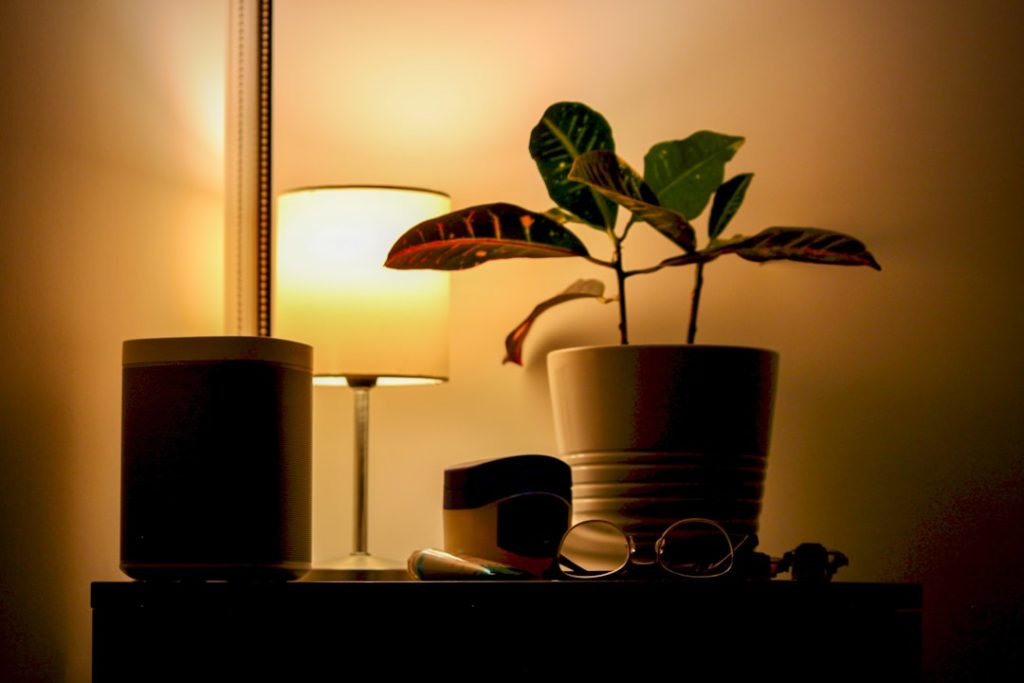
Have you ever wondered if your desk lamp could do more than just light up your workspace? What if that simple lamp could help your plants grow healthy and strong right on your desk?
You might be surprised to learn that not all lamps are created equal when it comes to growing plants. But don’t worry—by the end of this article, you’ll know exactly what to look for and how to use a desk lamp to boost your plants’ growth.
Ready to turn your workspace into a green oasis? Keep reading to discover the secrets behind using a desk lamp for your plants!

Credit: www.reddit.com
Types Of Desk Lamps Suitable For Plants
Not all desk lamps are good for growing plants. Some types provide the right light spectrum and intensity, while others do not. Choosing the right desk lamp can help your plants grow healthy and strong indoors.
Here are the main types of desk lamps suitable for plants.
Led Desk Lamps
LED desk lamps are energy-efficient and last a long time. They produce light that matches the needs of plants well. Many LED lamps have adjustable brightness and color settings. This makes it easy to give plants the right kind of light. They also stay cool, so they won’t burn your plants.
Fluorescent Desk Lamps
Fluorescent lamps are common for plant growth. They give off a broad spectrum of light that plants use for photosynthesis. These lamps use more energy than LEDs but are still efficient. They work well for seedlings and small indoor plants. Fluorescent bulbs do get warm but usually not too hot.
Incandescent Desk Lamps
Incandescent lamps are less suitable for plants. They produce a lot of heat and less useful light for photosynthesis. These lamps can dry out or damage plants if placed too close. They use more electricity and have a shorter life span. Generally, incandescent lamps are not recommended for growing plants indoors.

Credit: thegreenmadhouse.com
Light Requirements For Plant Growth
Understanding the light requirements for plant growth is key to deciding if your desk lamp can double as a plant light. Plants rely on specific qualities of light to perform photosynthesis and thrive. Not all light is created equal, and knowing what your plants need helps you provide the right environment for healthy growth.
Light Spectrum Essentials
Plants mainly use blue and red light for growth, but they also benefit from a full spectrum of light. Blue light encourages strong leaves, while red light supports flowering and fruiting. Most regular desk lamps emit mostly yellow or white light, which doesn’t always have the right balance of wavelengths plants need.
Have you checked if your lamp offers full-spectrum or grow light bulbs? Using bulbs labeled as “full spectrum” or “plant grow lights” can make a big difference. These bulbs mimic natural sunlight, providing the right colors your plants require.
Intensity And Duration
Light intensity affects how well your plant can photosynthesize. Too little light and your plant will stretch and become weak; too much can cause leaf burn. Desk lamps often have low intensity compared to natural sunlight or specialized grow lights.
Think about how long your lamp stays on. Most plants need 12-16 hours of light daily to grow well indoors. You can use a timer to keep your light duration consistent without overdoing it.
Distance Between Lamp And Plant
The closer the light source, the stronger the intensity your plant receives. But placing your desk lamp too close risks overheating or burning the leaves. Usually, keeping the lamp 6 to 12 inches away from the plant works well.
Adjust the distance based on your lamp’s brightness and the plant’s response. If leaves look scorched, move the lamp farther. If the plant stretches toward the light, bring it a bit closer.
Choosing The Right Desk Lamp For Your Plants
Choosing the right desk lamp for your plants is more than just picking a stylish light. Your plants need specific types of light to thrive, and the lamp you select can make a big difference in their growth and health. Paying attention to details like wattage, color temperature, and adjustability will help you create the perfect environment for your green friends.
Wattage And Brightness
The wattage of your desk lamp determines how much power it uses, but what really matters for your plants is brightness. Plants need enough light intensity to carry out photosynthesis effectively.
Look for lamps that provide at least 20 to 40 watts if you’re using LED or fluorescent bulbs designed for plants. Too little brightness means your plants may stretch and grow weak, while too much can cause leaf burn.
Have you noticed your plants leaning toward a window? That’s a sign they’re not getting enough light. A well-chosen lamp can prevent this by delivering consistent brightness exactly where your plants need it.
Color Temperature
Color temperature affects how the light looks and how plants use it. Measured in Kelvins (K), it ranges from warm (yellowish) to cool (bluish) light.
For growing plants, aim for a color temperature between 5000K and 6500K. This range mimics natural daylight and supports healthy leaf growth and photosynthesis.
Using a lamp with the wrong color temperature can confuse your plants. Have you ever wondered why your indoor garden doesn’t flourish despite good care? The wrong light color could be the reason.
Adjustability And Coverage
Adjustability is key to making sure your desk lamp covers all your plants evenly. A lamp with a flexible neck or adjustable arm lets you direct light exactly where it’s needed.
Coverage matters too—consider how many plants you want to light and their size. A small focused lamp might work well for one plant, but a broader light spread is better for a group.
Think about your space and plant layout. Can you easily move the lamp around? Being able to adjust both height and angle can improve light distribution and keep every leaf happy.

Credit: www.amazon.ca
Setting Up Your Desk Lamp For Optimal Growth
Choosing the right desk lamp helps plants get enough light to grow indoors. Position the lamp close to the plant but avoid overheating leaves. Using a lamp with full-spectrum or LED grow lights supports healthy plant growth.
Setting up your desk lamp for optimal plant growth requires careful consideration. A desk lamp can help plants thrive, even in dim spaces. But it’s important to set it up correctly. This ensures your plants get the light they need.Positioning Tips
Place your lamp about 6-12 inches above the plant. This distance mimics natural sunlight. Make sure the light covers all parts of the plant. Rotate your plant every few days. This ensures even light distribution. Avoid placing the lamp too close. This can cause leaf burn.Timer Settings
Use a timer to automate light exposure. Plants need about 12-16 hours of light daily. Set your timer to turn off at night. This helps plants rest, mimicking natural day-night cycles. Adjust the timing based on the plant species. Some need more light, others less.Combining Natural And Artificial Light
Place your plant near a window if possible. This combines natural light with your desk lamp. During the day, natural light can supplement the lamp. This reduces the lamp’s workload. Ensure the window provides indirect sunlight. Direct sun can be too intense for some indoor plants.Common Mistakes To Avoid
Using a desk lamp to grow plants sounds simple, but many stumble on avoidable mistakes that can stunt growth or harm the plant. Knowing what to watch out for can save you time, money, and frustration. Let’s look at some common pitfalls and how to dodge them to help your plants thrive under artificial light.
Overheating Plants
Desk lamps, especially incandescent ones, can get very hot and may burn your plants if placed too close. I once placed a lamp just inches away from a delicate fern, and the leaves turned brown within days. Always check the lamp’s temperature and keep it at a safe distance—usually at least 12 inches away—to avoid heat stress.
Consider using LED or fluorescent bulbs designed for plants. They produce less heat and provide better light quality without frying your greenery. Have you tested the heat your lamp gives off by holding your hand near the plant? That simple check can prevent damage.
Insufficient Light Exposure
Many assume that any light from a desk lamp is enough. However, plants need a specific amount of light to photosynthesize effectively. If your lamp is too dim or left on for only a short time, your plant may stretch out or yellow due to lack of energy.
Track how many hours your lamp is on daily—most plants need about 12 to 16 hours of light under artificial conditions. Using a timer can help maintain consistency. How often do you check if your plant looks healthy and vibrant under your current lighting?
Ignoring Plant Type Needs
Each plant species has unique light requirements. Some thrive in low light, while others demand intense, direct light to flourish. Using a one-size-fits-all desk lamp setup can leave your plant struggling.
Research your plant’s natural habitat and mimic its light conditions as closely as possible. Succulents, for example, need strong light, so a weak bulb won’t cut it. Are you tailoring your lighting based on your plant’s needs, or just guessing?
Best Plants For Desk Lamp Growth
Choosing the right plants for growing under a desk lamp can make all the difference in your indoor gardening success. Some plants thrive in the limited light a desk lamp provides, while others struggle to survive. Understanding which plants fit your lighting setup helps you create a green space that’s both beautiful and easy to care for.
Low-light Tolerant Plants
Some plants naturally do well in low-light conditions, making them perfect candidates for desk lamp growth. Snake plants, pothos, and ZZ plants are excellent options—they require minimal light and still look vibrant. If you want greenery that won’t demand much attention or a powerful light source, these plants are your best bet.
Fast-growing Varieties
Looking for quick results? Fast-growing plants like spider plants and philodendrons respond well to supplemental light from desk lamps. They grow rapidly, giving you visible progress in just a few weeks. This can keep you motivated and allow you to experiment with your indoor gardening skills.
Herbs And Small Vegetables
Desk lamps can support certain herbs and small vegetables, especially if you use full-spectrum or LED grow lights. Basil, mint, and parsley can flourish on your desk, adding fresh flavors to your cooking. Small cherry tomatoes or chili peppers may also thrive, but they will need consistent light and care.
Frequently Asked Questions
Can A Desk Lamp Provide Enough Light For Plants?
A desk lamp can support plant growth if it emits the right light spectrum. LED or fluorescent lamps are best. Ensure the lamp is close enough to the plant and used for 12-16 hours daily for effective photosynthesis.
What Type Of Desk Lamp Is Best For Growing Plants?
LED desk lamps with full-spectrum or grow light bulbs are ideal. They mimic natural sunlight and provide necessary wavelengths. Avoid standard incandescent bulbs, as they lack the proper light spectrum and can overheat plants.
How Close Should A Desk Lamp Be To Plants?
Place the desk lamp 6 to 12 inches above the plants. This distance ensures sufficient light intensity without causing heat damage. Adjust based on plant type and lamp power for optimal growth.
Can Desk Lamps Replace Natural Sunlight For Plants?
Desk lamps can supplement sunlight but may not fully replace it. They work well indoors or during low sunlight periods. Using a proper grow light lamp enhances plant health and growth indoors effectively.
Conclusion
A desk lamp can help plants grow if it gives the right light. Choose a lamp with full spectrum or grow light bulbs. Keep the lamp close to the plants but not too hot. Watch your plants daily to see how they react.
Simple care and good light make a big difference. Growing plants indoors with a desk lamp is possible. Just remember to give them enough light and water. Your green friends will thank you with healthy leaves and blooms.



