
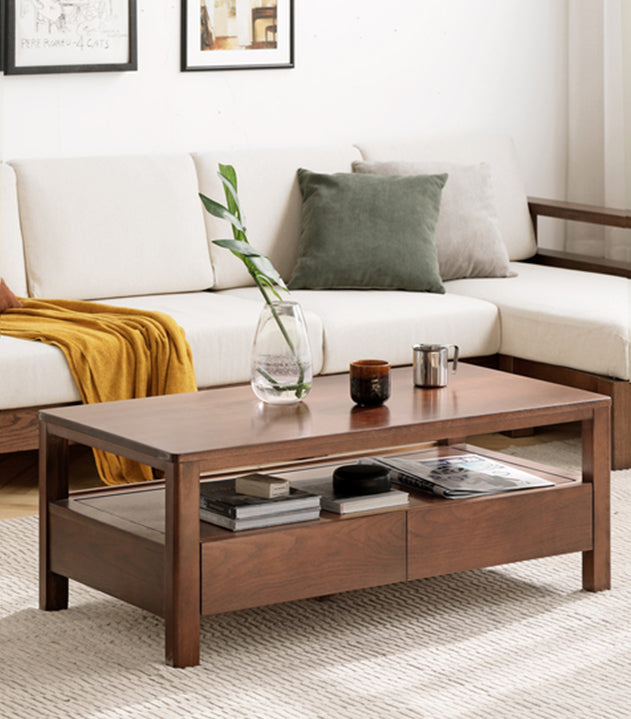
When you’re decorating your living room, one question often pops up: do coffee tables and end tables have to match? You might wonder if mixing styles will make your space look messy or if matching everything is the only way to create a polished look.
The truth is, your home should reflect your personality and comfort, not strict rules. You’ll discover simple tips to make your tables work together—whether they match perfectly or show off your unique style. Keep reading to find out how to create a balanced and inviting space with your coffee and end tables.
Mixing Styles
Mixing styles between coffee tables and end tables can bring a fresh and personalized look to your living space. You don’t have to settle for matching sets to create harmony. Thoughtful combinations can make your room feel more dynamic and inviting.
Combining Different Materials
Using different materials is a great way to add texture and interest to your room. Imagine pairing a sleek glass coffee table with wooden end tables. The contrast highlights each piece without making the space feel chaotic.
Metal and wood often work well together because they balance warmth and modernity. You might try a metal-framed coffee table with a rustic wooden end table. This mix can create a stylish, layered look.
Have you tried mixing stone or marble tops with wooden legs? These combinations can surprise you with their elegance and durability. Don’t be afraid to experiment with textures that you wouldn’t normally think go together.
Balancing Colors And Finishes
Colors and finishes play a big role in tying mixed tables together. If you choose different styles, keeping a similar color palette can make the pieces feel connected. For example, if your coffee table is dark wood, look for end tables with similar tones or accents.
Matte and glossy finishes can also complement each other. A matte finish on an end table paired with a glossy coffee table can add depth to your room’s look. Think about the mood you want to create—soft and cozy or bold and modern—and choose finishes that support that.
Ask yourself: How can I use color and finish to create balance without making everything look too matchy? Sometimes subtle echoes of color, like a metal accent or a drawer pull, can be enough to unify your tables.

Credit: oakfurniturestore.co.nz
Creating Cohesion
Cohesion in a living space creates harmony and balance. Matching coffee tables and end tables is not always necessary. Instead, focus on elements that tie the pieces together visually. Cohesion makes the room feel intentional and inviting.
Using Similar Shapes
Shapes play a key role in creating cohesion. Choose tables with similar shapes to form a visual connection. For example, round coffee tables paired with round end tables create flow. Mixing a round table with a square one can still work if shapes echo each other subtly. Shapes guide the eye and help unify the space.
Matching Heights And Proportions
Height and size affect how tables relate to each other. Keep coffee and end tables at compatible heights for balance. End tables slightly lower or equal in height to the sofa arm work well. Proportions matter; a tiny end table may look lost next to a large coffee table. Balanced sizes prevent visual clutter and keep harmony.
Playing With Contrast
Playing with contrast in furniture design can create striking effects. Mixing different styles adds depth to your living space. Coffee and end tables are key elements in this design strategy. They can either clash or complement each other beautifully. Let’s dive into how you can use contrast to your advantage.
Bold Vs. Subtle Pieces
Bold pieces draw the eye with their strong presence. A large coffee table with vibrant colors or intricate patterns stands out. It becomes the focal point of the room. Subtle end tables, on the other hand, bring balance. They often feature muted tones and simpler designs.
Pairing these pieces creates an interesting dynamic. The bold piece captures attention first. Then, the subtle end tables add harmony. This mix keeps the room from feeling overwhelming or dull. Choose tables that share a common theme or color palette for cohesion.
Texture Variations
Textures play a crucial role in room aesthetics. Combining different textures adds depth and interest. A glass coffee table offers a sleek, modern look. Wooden end tables bring warmth and a natural feel. This mix of textures enhances the room’s tactile experience.
Consider metal accents for an industrial touch. Or, use fabric-covered tables for softness. These variations make the space inviting and dynamic. The key is to maintain a balance. Too many textures can create chaos. Aim for a cohesive yet varied look.

Credit: oakfurniturestore.co.nz
Functional Considerations
Choosing coffee tables and end tables involves more than matching styles. Their function in your space matters most. Consider how size, placement, and storage affect your daily use. These factors help decide if tables should match or simply work well together.
Size And Placement
Size matters for comfort and flow. A coffee table should fit the seating area without crowding. Leave enough space to walk around freely. End tables should be easy to reach from chairs or sofas. They should not block pathways or doorways.
Think about scale too. Large tables with small sofas look odd. Small tables may get lost next to big furniture. Balance sizes to create a cozy, usable space.
Storage Needs
Tables often serve as storage spots. Coffee tables with shelves or drawers keep remotes and magazines handy. End tables can hold lamps and small items. Choose tables that suit your storage habits.
Storage options affect table style and size. More storage means a bigger, heavier table. Less storage allows for a lighter, more open look. Think about what you need to store daily.
Popular Design Trends
Popular design trends show that coffee tables and end tables don’t have to match perfectly to create a stylish living space. Many homeowners and designers are embracing creativity and personality by mixing styles, shapes, and finishes. This approach adds character and invites you to rethink the traditional rules of furniture pairing.
Eclectic Mixes
Mixing coffee tables and end tables from different styles and materials is gaining popularity. Imagine a rustic wooden coffee table paired with sleek metal end tables. The contrast brings energy and interest to your room.
Try combining vintage pieces with modern designs. This can reflect your unique taste and make your space feel more personal. Ask yourself: which elements in your room can tie these different pieces together? It could be color, texture, or even a shared shape.
I once paired a glass coffee table with leather end tables, and it instantly lifted the vibe of my living room. It felt fresh and unexpected, proving that matching isn’t the only path to harmony.
Minimalist Pairings
Minimalism favors simplicity and clean lines, but that doesn’t mean your tables must be identical. You can pair a simple, light wood coffee table with a small white end table to keep the look airy and uncluttered.
Focus on balance rather than exact matching. For example, if your coffee table is low and wide, choose a taller, slimmer end table to complement it. This keeps your space functional and visually appealing.
Have you noticed how a minimalist approach can make your room feel larger and calmer? Choosing tables that differ slightly in shape or height but share a similar color palette can achieve this effect beautifully.
Tips For Personal Style
Choosing coffee tables and end tables isn’t just about matching colors or styles. It’s about expressing who you are and making your space feel truly yours. Your personal style can guide these choices, turning ordinary furniture into a statement that reflects your taste and lifestyle.
Reflecting Your Personality
Your tables can say a lot about you. If you love bold, vibrant colors, don’t be afraid to pick a coffee table in a bright shade and pair it with neutral end tables. This contrast can highlight your adventurous side without overwhelming the room.
Think about the materials you’re drawn to. Do you prefer sleek metal and glass for a modern vibe, or warm wood for a cozy feel? Mixing textures and finishes can showcase different facets of your personality, making your space unique and inviting.
Adapting To Room Theme
The room’s overall theme can guide your table choices without forcing them to match perfectly. For instance, in a rustic-themed room, you might mix a reclaimed wood coffee table with metal-framed end tables to keep the look cohesive yet interesting.
Ask yourself: What mood do you want the room to have? If it’s relaxed and casual, mismatched tables with a unifying color palette can work well. If you prefer a polished, formal look, choosing tables that share similar shapes or details might suit your style better.

Credit: oakfurniturestore.co.nz
Frequently Asked Questions
Do Coffee Tables And End Tables Need To Match?
No, coffee tables and end tables don’t have to match. Mixing styles adds personality and visual interest to your space.
Can Mismatched Tables Work In Living Room Decor?
Yes, mismatched tables can create a stylish, eclectic look. Balance size, color, and style for cohesive decor.
What Styles Complement Each Other For Table Pairing?
Pairing modern with rustic or metal with wood works well. Choose complementary colors and materials for harmony.
How To Choose Coffee And End Tables For Small Spaces?
Opt for smaller, multifunctional tables. Choose light colors and sleek designs to avoid overcrowding the room.
Conclusion
Coffee tables and end tables do not have to match exactly. Mixing styles can create a unique and cozy space. Choose pieces that share colors or shapes for balance. Let your room show your personal style and creativity. Comfort and function matter more than perfect matching.
Enjoy the freedom to design a space that feels right to you. This way, your living area stays inviting and stylish at the same time.



