
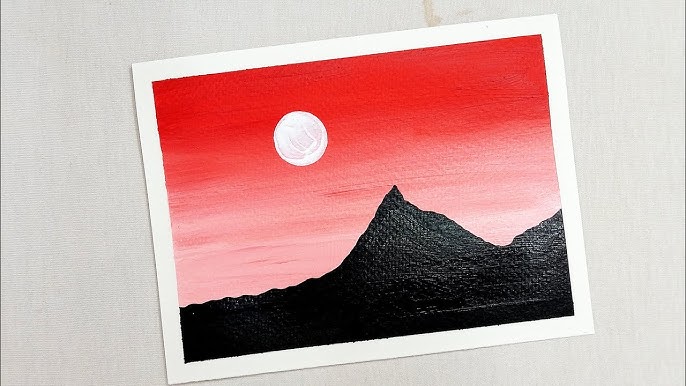
Have you ever wanted to turn your favorite photos into stunning wall art without spending a fortune? Creating your own pictures on canvas is easier than you think—and it adds a personal touch to your space that store-bought prints just can’t match.
Imagine seeing your memories come to life on a beautiful canvas, crafted by your own hands. You’ll discover simple steps and insider tips to transform your pictures into impressive canvas art. Ready to unlock your creativity and make your walls truly yours?
Keep reading, because this guide is made just for you.

Credit: www.gotithere.com
Choosing The Right Canvas
Creating your own picture on canvas can be fulfilling. The first step is choosing the right canvas. A suitable canvas sets the foundation for your artwork. It affects the final look and feel. Understanding different aspects of canvases is crucial. Let’s explore some key factors to consider.
Types Of Canvas Materials
Canvas materials vary widely. Cotton is popular for its affordability. It provides a smooth surface. Linen offers a more textured finish. It is durable and of high quality. Synthetic canvases are also available. They are lightweight and resistant to warping. Choose a material that suits your budget and style.
Selecting Canvas Size
Size matters in canvas selection. Large canvases can make bold statements. They are great for expansive spaces. Smaller canvases are more intimate. They fit well in cozy settings. Consider where you will display your art. Measure the space to ensure a perfect fit.
Preparing The Canvas Surface
Preparing the canvas surface is essential. Start by applying a gesso primer. It helps paint adhere better. Gesso also prevents paint from soaking through. Sand the surface lightly for smoothness. This step ensures a professional finish. Proper preparation enhances the artwork’s longevity.

Credit: www.youtube.com
Essential Tools And Supplies
Creating your own pictures on canvas is fun and rewarding. Having the right tools and supplies helps you bring your ideas to life. Choose materials that suit your style and the effects you want to achieve. A good start sets the foundation for a great painting.
Painting Brushes And Tools
Brushes come in many shapes and sizes. Flat brushes hold more paint and cover large areas. Round brushes work well for details and lines. Filbert brushes offer a mix of flat and round edges for smooth blending.
Other helpful tools include palette knives, sponges, and rags. Palette knives create sharp lines and textured effects. Sponges add interesting patterns. Rags help clean brushes and remove excess paint.
Acrylics Vs. Oils Vs. Watercolors
| Type | Drying Time | Ease of Use | Effects |
|---|---|---|---|
| Acrylics | Fast (minutes to hours) | Easy for beginners | Bright colors, versatile |
| Oils | Slow (days to weeks) | Requires patience | Rich colors, smooth blending |
| Watercolors | Fast (minutes) | Needs control | Soft, transparent effects |
Choose acrylics for quick projects. Oils suit detailed, layered work. Watercolors create light, airy designs.
Additional Materials For Texture And Effects
Use gesso to prepare your canvas for painting. It creates a smooth or rough surface depending on application. Texture gels and pastes add dimension and interest.
Try adding sand, beads, or fabric for unique touches. These materials make your painting stand out and feel alive. Experiment with different supplies to find what fits your style best.
Simple Diy Canvas Art Techniques
Creating your own canvas art can be incredibly satisfying and surprisingly simple. You don’t need fancy tools or years of experience to make something beautiful. These easy techniques let you experiment and discover your own style while adding a personal touch to your space.
Abstract Patterns And Shapes
Start by choosing a few colors you love. Use brushes, sponges, or even your fingers to paint shapes and patterns without worrying about perfection. Think about layering circles, squares, or random lines to create depth and interest.
Try mixing contrasting colors to make your patterns pop. You might be surprised how a few simple shapes can turn into a striking piece. What shapes naturally come to your mind when you think about your room’s vibe?
Stenciling And Masking
Stencils are perfect for adding clear, repeatable designs to your canvas. You can buy ready-made stencils or make your own using cardboard or plastic sheets. Tape your stencil down, then apply paint using a sponge or brush for clean edges.
Masking with painter’s tape lets you create sharp lines and geometric designs. Peel the tape off carefully after the paint dries to reveal crisp shapes underneath. How could you use stencils or masking to reflect your personality in your art?
Splatter And Drip Effects
Splattering paint adds energy and spontaneity to your canvas. Flick a loaded brush or use a toothbrush to scatter tiny drops of color across the surface. You can control the size of splatters by adjusting the amount of paint and flicking force.
Drip effects work well when you thin your paint with water. Tilt your canvas and let the paint run naturally down the surface. This technique can give your artwork a dynamic, organic feel that’s hard to replicate.
Which of these playful methods will you try first to make your canvas truly one of a kind?
Personalized Photo Transfers
Personalized photo transfers allow you to bring your favorite memories to life on canvas. This DIY approach adds a unique, heartfelt touch to your home decor or gifts. It’s a creative way to showcase photos that matter most, turning them into lasting pieces of art.
Preparing Photos For Transfer
Start by choosing high-quality photos with good contrast and clarity. Clear images transfer better, preserving details and colors on the canvas. Resize and crop the photo to fit your canvas perfectly, keeping in mind the final look you want to achieve.
Print your photo using a laser printer on regular paper. Inkjet prints won’t work well for most transfer methods. Make sure the print is fresh and dry before moving on, as this affects the transfer quality.
Transfer Methods On Canvas
You can transfer your photo to canvas using a few simple techniques. One popular method involves applying gel medium over the printed photo, then pressing it onto the canvas face down. After it dries, gently rub off the paper with water, revealing the image underneath.
Another approach is using a heat transfer process, where you use an iron or heat press to move the toner from the paper to the canvas. Each method gives a different texture and finish, so consider what fits your style and materials best.
Sealing And Protecting The Artwork
Once your photo is transferred, sealing is crucial to protect your artwork from fading and damage. Apply a clear acrylic sealer or varnish evenly over the canvas. This adds a protective layer and enhances the colors, making your personalized canvas durable and vibrant.
Think about where you’ll display your canvas. If it’s in a bright room or outdoors, choose a UV-resistant sealer to guard against sunlight. Sealing not only preserves your work but also gives it a professional, polished look.
Creative Themes And Inspiration
Choosing the right theme for your DIY canvas pictures can change the entire vibe of your space. Creative themes help you express your personality and spark joy every time you look at your artwork. You can find inspiration all around you, from the outdoors to your favorite phrases, making your project truly unique.
Nature And Botanical Designs
Nature offers endless ideas for canvas art. You might paint delicate leaves, vibrant flowers, or even abstract tree patterns. Using earthy colors like greens, browns, and soft pastels can bring a calm, refreshing feeling to your room.
Have you ever noticed how a single leaf can hold so much detail? Try zooming in on a plant in your garden and capturing its texture. This close-up approach can make your canvas feel personal and alive.
Geometric And Minimalist Art
Simple shapes and clean lines create powerful visuals on canvas. You can experiment with triangles, circles, or squares in bold colors or subtle shades. This style suits modern interiors and adds a touch of sophistication without overcrowding the space.
Try mixing different sizes and overlapping shapes to build depth. Even a small canvas with a minimalist design can become a striking focal point. What shapes speak to you most? Play around until you find a combination that feels right.
Quotes And Typography
Words can inspire and motivate when displayed beautifully. Choose a quote that means something special to you and design it with stylish fonts and colors. This approach lets you combine art with personal meaning.
You don’t need fancy tools—simple hand-lettering or stencils can give your canvas a charming, authentic look. Think about where you’ll hang the piece. Should the message be bold and eye-catching or soft and subtle?
Displaying And Caring For Canvas Art
Displaying and caring for your DIY canvas art is just as important as creating it. How you present your canvas can enhance its impact, while proper care ensures it stays vibrant for years. Small efforts in framing, cleaning, and preservation make a big difference in maintaining your artwork’s beauty and value.
Framing And Hanging Tips
Choosing the right frame can highlight your canvas art. Floating frames, which leave a small gap between the canvas and frame, add depth and a modern touch. Alternatively, a simple wooden frame can complement rustic or classic styles.
When hanging, use sturdy hooks or anchors designed for the weight of the canvas. Position your artwork away from direct sunlight to prevent fading. Consider the room’s lighting and wall color to make your art stand out, but don’t overcrowd the space around it.
Cleaning And Maintenance
Dust your canvas regularly using a soft, dry cloth or a gentle brush. Avoid using water or cleaning products directly on the canvas as they can damage the paint or fabric. For stubborn dirt, lightly dampen a cloth with water and test on a small corner first.
Watch out for moisture and humidity, which can cause mold or warping. Keep your canvas in a well-ventilated area and avoid placing it near heat sources like radiators or fireplaces.
Long-term Preservation
Protect your canvas by applying a clear, UV-resistant varnish after the paint has fully dried. This shields your art from dust, moisture, and sun damage. Make sure to follow the varnish instructions and work in a dust-free environment for the best results.
If you ever need to store your canvas, wrap it in acid-free paper and keep it flat or upright in a dry place. Do you know where your art will be in five or ten years? Planning for its future helps preserve its beauty today.
Credit: www.etsy.com
Frequently Asked Questions
What Materials Do I Need For Diy Pictures On Canvas?
You need canvas, acrylic paints, brushes, a palette, water, and a pencil. Optionally, use stencils or photo transfers for easier designs.
How Do I Transfer Photos Onto Canvas Easily?
Print your photo on transfer paper, then iron it onto the canvas. Alternatively, use gel medium to apply a photo print directly.
What Are The Best Paints For Canvas Pictures?
Acrylic paints are best due to quick drying and vibrant colors. They are also affordable and easy to use for beginners.
How Can I Protect My Diy Canvas Pictures?
Use a clear varnish spray or brush-on sealant. This protects against dust, UV rays, and moisture, preserving your artwork longer.
Conclusion
Creating your own pictures on canvas brings joy and pride. It adds a personal touch to any room. You control the colors, style, and size. It’s a fun way to express your creativity. Plus, it saves money compared to buying art.
Start with simple designs and build your skills. Every canvas tells a unique story—yours. Enjoy the process and see your art grow. Give it a try and brighten your space today.



