
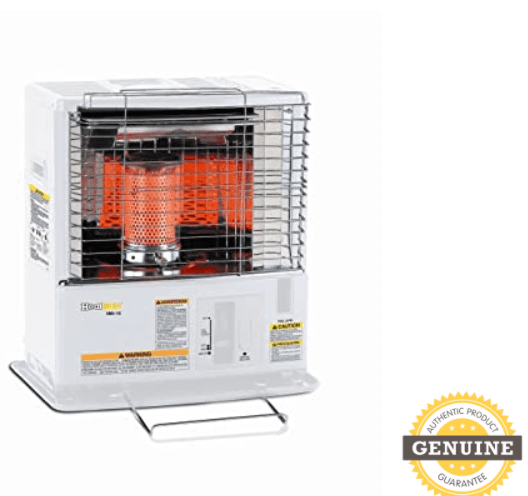
If you use a kerosene heater to keep your space warm, you might wonder, “Do kerosene heaters need ventilation?” This question is more important than you think. Using these heaters without proper ventilation can affect your health and safety.
You’ll discover why ventilation matters, how it impacts your home, and what simple steps you can take to stay safe while enjoying the warmth. Keep reading to protect yourself and make the most of your kerosene heater.
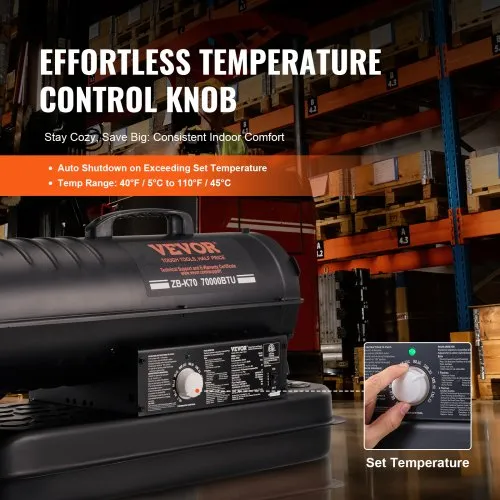
Credit: www.vevor.ca
Kerosene Heater Basics
Understanding the basics of kerosene heaters can help you use them safely and efficiently. These heaters are popular for their ability to provide quick, portable warmth, especially during power outages or in spaces without central heating. But before you decide to use one, it’s important to know how they function and the different types available.
How Kerosene Heaters Work
Kerosene heaters burn kerosene fuel to generate heat. The fuel is absorbed by a wick, which draws it up to the burner. Once lit, the fuel vaporizes and burns, producing heat that warms the surrounding air.
Because they rely on combustion, kerosene heaters consume oxygen and release carbon dioxide and water vapor. This is why ventilation becomes a critical safety consideration when using them indoors. Have you ever noticed a slight odor or stuffiness when running a kerosene heater in a closed room? That’s a sign you need better airflow.
Types Of Kerosene Heaters
- Convection Heaters:These heaters warm the air directly by circulating it over the heated surfaces. They are great for heating small to medium-sized rooms evenly.
- Radiant Heaters:Radiant types emit heat that warms objects and people directly, rather than heating the air. This makes them efficient for spot heating in larger spaces.
- Portable Heaters:Often lightweight and compact, these can be moved easily to where you need heat most. Their size makes them ideal for emergency use or outdoor activities.
Knowing which type fits your space and heating needs can make a big difference. Do you want steady warmth throughout a room or quick heat in a specific spot? Your choice affects how you should ventilate your space when using the heater.
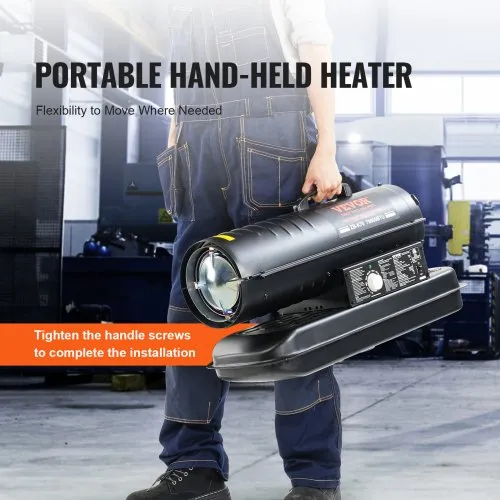
Credit: www.vevor.ca
Importance Of Ventilation
Ventilation plays a crucial role when using kerosene heaters. It helps keep the air fresh and safe by allowing harmful gases to escape. Without proper airflow, the air inside your room can become dangerous quickly.
Think about the last time you used a kerosene heater in a small, closed space. Did you notice any unusual smells or headaches? These are signs that your room might not have enough ventilation, which can put your health at risk.
Risks Of Poor Ventilation
Poor ventilation can cause a buildup of carbon monoxide, a colorless and odorless gas that can be deadly. It also increases moisture levels, leading to mold growth and damage to your home.
Breathing in contaminated air can cause headaches, dizziness, nausea, and even long-term respiratory problems. Children, the elderly, and people with asthma are especially vulnerable.
- Carbon monoxide poisoning
- Increased indoor humidity and mold
- Respiratory irritation and illness
Signs Of Inadequate Airflow
How can you tell if your kerosene heater isn’t getting enough fresh air? Some common signs include:
- A strong, unpleasant kerosene smell
- Frequent headaches or dizziness while indoors
- Condensation forming on windows and walls
- Yellow or flickering flame instead of a steady blue one
If you notice any of these, it’s time to open a window or door to improve ventilation immediately. Your safety depends on keeping the air moving and fresh.
Safety Tips For Using Kerosene Heaters
Using kerosene heaters safely is crucial to prevent accidents and ensure warmth. These heaters can pose risks if not handled correctly. Follow these safety tips to keep your home secure while using a kerosene heater.
Choosing The Right Location
Place the heater on a flat, stable surface. Keep it away from curtains, furniture, and flammable materials. Avoid high-traffic areas to prevent tipping. Ensure there is enough space around the heater for air circulation. Never use the heater in small, enclosed rooms without ventilation.
Proper Fuel Handling
Use only high-quality kerosene recommended for heaters. Store fuel in a cool, dry place away from children and pets. Never refill the heater while it is hot or running. Always fill the tank outside or in a well-ventilated area to avoid inhaling fumes. Clean any spilled fuel immediately to prevent fire hazards.
Regular Maintenance
Check the heater regularly for leaks or damage. Clean the wick as instructed by the manufacturer to maintain efficiency. Replace worn or damaged parts promptly to ensure safe operation. Test the heater in a safe area after maintenance. Proper upkeep extends the heater’s life and keeps it safe.
Ventilation Methods
Kerosene heaters release fumes that can build up indoors. Proper ventilation helps keep air fresh and safe to breathe. Opening a window or door allows harmful gases to escape.
Ventilation is crucial when using kerosene heaters indoors. Proper ventilation ensures that harmful fumes don’t accumulate in your living space, keeping you and your loved ones safe. Understanding the best methods to ventilate your space can make a significant difference in air quality and safety.Natural Ventilation Options
One of the simplest ways to ventilate a room with a kerosene heater is by using natural ventilation. Opening windows and doors creates a flow of fresh air that can carry fumes out of your home. This method is cost-effective and can be easily implemented without any special equipment. Consider positioning the heater near a window to allow fumes to exit directly. You might also place a small fan near the window to assist in directing the airflow outward. Remember, consistent airflow is key to maintaining a safe environment.Mechanical Ventilation Solutions
If natural ventilation isn’t sufficient, or if you prefer a more controlled environment, mechanical ventilation might be the answer. Installing exhaust fans can help expel fumes more efficiently. These fans can be placed in windows or walls to ensure effective air exchange. Ceiling fans can also assist by circulating air throughout the room, though they should be used in conjunction with exhaust fans for optimal results. Ensure that any mechanical systems are regularly maintained to prevent malfunctions. Are you ready to invest in a safer home environment with these solutions?Carbon Monoxide And Other Hazards
Kerosene heaters emit carbon monoxide, a colorless and odorless gas. This gas can build up in enclosed spaces and cause serious health problems. Other hazards include fire risks and respiratory irritation. Proper ventilation is crucial to keep air safe and fresh. Understanding these dangers helps you use kerosene heaters safely.
Detecting Carbon Monoxide
Carbon monoxide cannot be seen or smelled. Special detectors are needed to spot it early. Place carbon monoxide alarms near sleeping areas and heaters. Test alarms regularly to ensure they work. Watch for symptoms like headache, dizziness, or nausea, which may signal poisoning.
Preventing Poisoning
- Always use kerosene heaters in well-ventilated rooms.
- Open a window or door slightly to allow fresh air.
- Never leave heaters running while sleeping or unattended.
- Keep heaters away from flammable materials.
- Regularly maintain and clean the heater to ensure proper function.
Following these steps reduces risks and keeps your home safe from carbon monoxide and other hazards.
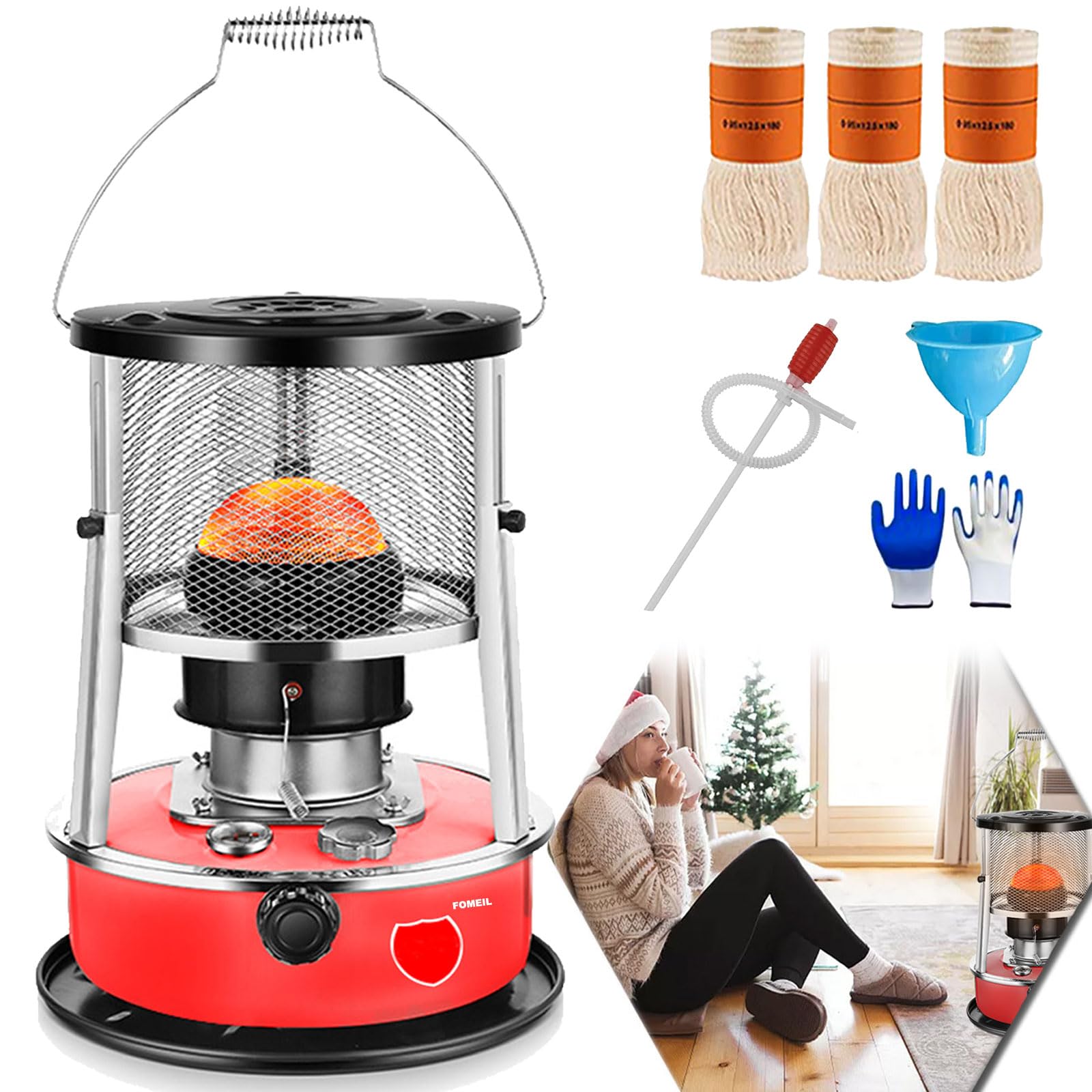
Credit: www.amazon.com
Emergency Precautions
Using kerosene heaters can be a lifesaver during cold weather, but they demand careful attention to safety. Emergencies may arise despite all precautions, and knowing how to act quickly can protect you and your loved ones. Understanding emergency steps ensures you’re prepared, reducing panic and potential harm.
What To Do In Case Of Fire
If a fire starts, your first priority is to get everyone out safely. Don’t try to grab belongings; your safety comes first.
- Immediately alert everyone in the area and evacuate calmly but quickly.
- Call emergency services as soon as you are outside and safe.
- If the fire is small and you feel confident, use a fire extinguisher designed for flammable liquids—remember, water can spread a kerosene fire.
- Close doors behind you to slow the fire’s spread.
Have you checked your fire extinguisher lately? Keeping it in good condition and within reach can make a real difference.
First Aid For Exposure
Kerosene fumes and contact can cause health issues if you’re not careful. Knowing how to respond helps minimize damage.
- If you inhale fumes, move to fresh air immediately and avoid strenuous activity.
- For skin contact, wash the affected area with soap and water thoroughly.
- If kerosene gets into your eyes, rinse them gently with clean water for at least 15 minutes.
- Seek medical help if you experience dizziness, nausea, or persistent irritation.
Have you considered keeping a first aid kit tailored for heater-related accidents? Simple supplies can help manage minor injuries before professional care arrives.
Frequently Asked Questions
Do Kerosene Heaters Require Ventilation Indoors?
Yes, kerosene heaters need proper ventilation to avoid harmful fumes. Without airflow, carbon monoxide can build up, posing serious health risks. Always open a window or door to allow fresh air when using these heaters indoors.
What Happens If Kerosene Heaters Lack Ventilation?
Lack of ventilation causes dangerous carbon monoxide buildup. It can lead to headaches, dizziness, or even fatal poisoning. Proper airflow ensures safe operation by dispersing fumes and maintaining indoor air quality.
Can Kerosene Heaters Cause Indoor Air Pollution?
Yes, they emit pollutants like carbon monoxide and nitrogen dioxide. Ventilation reduces these emissions, making the air safer to breathe. Using kerosene heaters without ventilation increases indoor pollution risks.
How To Ventilate A Room With A Kerosene Heater?
Open a window or door slightly to allow fresh air circulation. Use fans if possible to improve airflow. This simple step prevents toxic gas accumulation and keeps indoor air safe.
Conclusion
Kerosene heaters need proper ventilation for safe use. They release gases that can harm your health. Always open a window or door when running the heater. This helps fresh air enter and keeps the room safe. Never use these heaters in small, closed spaces.
Taking simple steps can prevent accidents and keep your home warm. Safety should always come first with kerosene heaters. Ventilation is not just a choice—it is a must. Stay safe and enjoy the warmth comfortably.



