

Are you wondering if your attic needs ventilation when you have spray foam insulation? It’s a common question with an important answer.
Proper attic ventilation can impact your home’s energy efficiency, moisture control, and even the lifespan of your roof. If you want to avoid costly problems and keep your home comfortable year-round, understanding how spray foam insulation affects attic airflow is key.
Keep reading to discover what you really need to know about attic ventilation with spray foam insulation—and how it can save you money and headaches down the road.
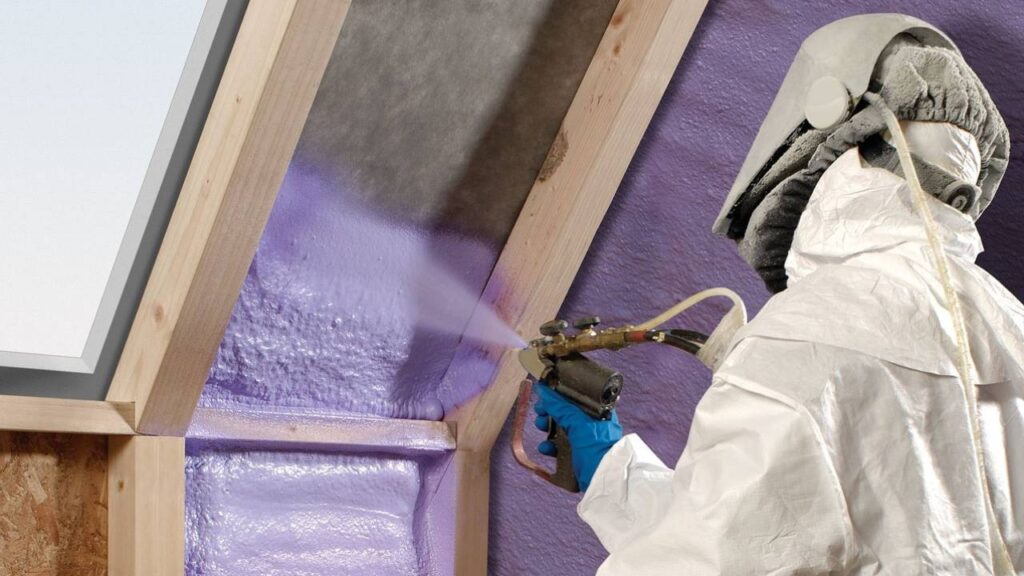
Credit: usherinsulations.com
Spray Foam Insulation Basics
Understanding spray foam insulation is key if you’re considering improving your attic’s energy efficiency. It’s not just about filling gaps; it’s about creating a barrier that controls air flow and moisture. Let’s break down what spray foam insulation really involves and why it might be a game changer for your attic.
Types Of Spray Foam
There are two main types of spray foam insulation: open-cell and closed-cell. Open-cell foam is lighter and more flexible, making it great for interior walls where soundproofing is important. Closed-cell foam is denser and acts as a stronger moisture barrier, which is ideal for attics and exterior walls.
Choosing the right type depends on your attic’s condition and your climate. Do you need to keep moisture out, or is soundproofing your priority? Understanding these differences helps you make a smarter decision for your home.
Benefits Of Spray Foam
Spray foam insulation offers several benefits that traditional insulation materials often can’t match. It seals cracks and gaps completely, preventing air leaks and improving energy efficiency. This means your heating and cooling systems won’t have to work as hard, saving you money on utility bills.
Another advantage is its ability to reduce moisture buildup, which can prevent mold growth and protect your attic’s structure. Have you ever noticed a musty smell or damp spots in your attic? Spray foam could be the solution to these common problems.
Plus, spray foam adds structural strength to your attic, giving you an added layer of protection. When you think about insulation, consider not just temperature control but long-term durability and health benefits for your home.
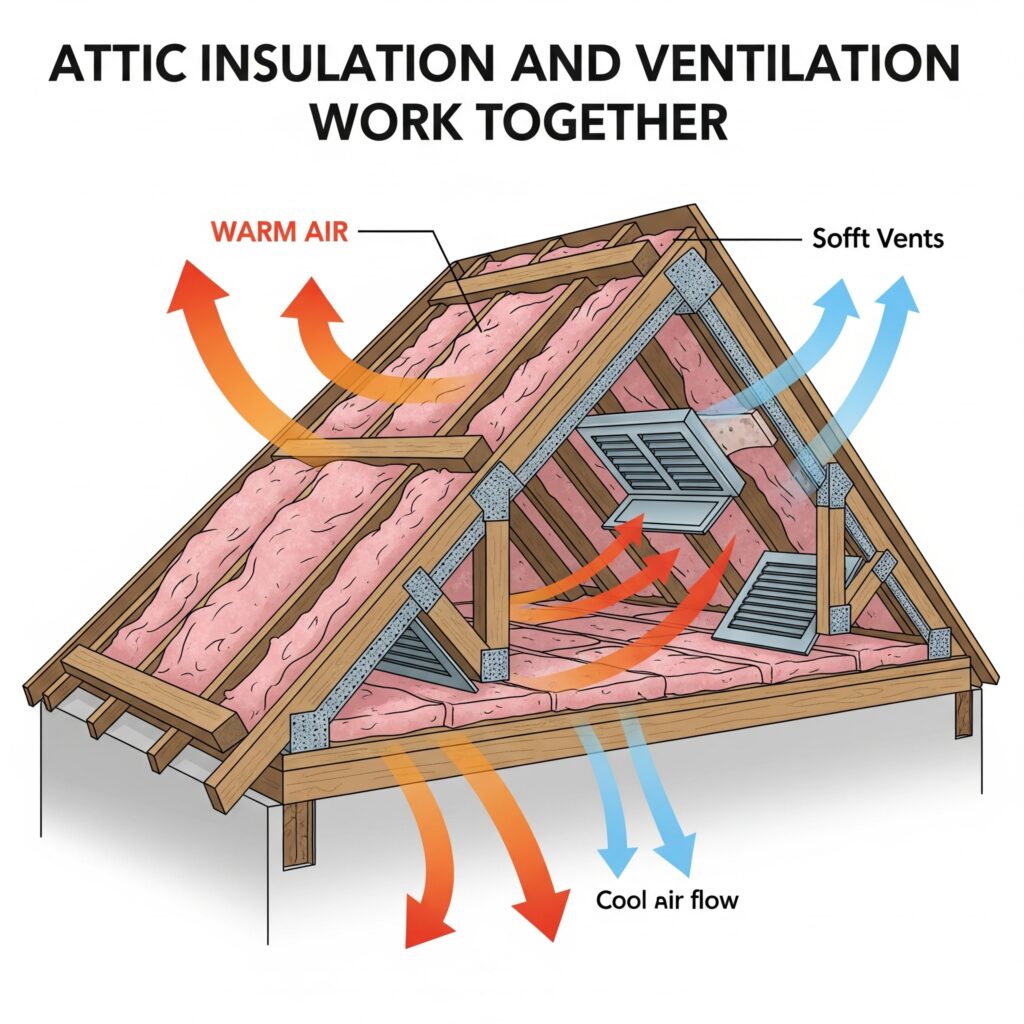
Credit: allstateroofingandchimneynj.com
Role Of Attic Ventilation
Attic ventilation plays a crucial role in maintaining your home’s health, especially when you have spray foam insulation installed. It helps control moisture, temperature, and air quality, which directly affects the lifespan of your roof and the efficiency of your insulation. Ignoring proper ventilation can lead to costly problems, so understanding its role is essential for every homeowner.
Why Ventilation Matters
Ventilation prevents moisture buildup that can cause mold and wood rot. Spray foam insulation seals the attic tightly, reducing air leaks but also trapping moisture if ventilation isn’t adequate.
Without proper airflow, heat can accumulate in your attic, making your home hotter in summer and increasing cooling costs. Have you noticed your energy bills rising unexpectedly? Poor attic ventilation could be why.
Good ventilation also helps extend the life of your roof by keeping shingles cooler and preventing ice dams in winter. It balances the temperature and moisture levels, protecting your investment.
Common Ventilation Methods
- Ridge Vents:These run along the peak of the roof, allowing hot air to escape naturally.
- Soffit Vents:Located under the eaves, they bring fresh air into the attic, creating a flow that pushes warm air out.
- Gable Vents:Positioned on the attic’s side walls, they provide additional airflow, especially useful in certain roof designs.
- Powered Vents:Electric or solar fans that actively pull air out of the attic, useful in areas with limited natural ventilation.
Choosing the right ventilation method depends on your attic design and local climate. Have you checked if your attic has balanced intake and exhaust vents? This balance is key to effective ventilation.
Spray Foam And Ventilation Interaction
Understanding how spray foam interacts with attic ventilation is essential before deciding on your insulation approach. Spray foam changes the way air moves through your attic, which can either help or hinder your home’s overall airflow. Let’s look closely at how this insulation type affects ventilation and what challenges might arise.
How Spray Foam Affects Airflow
Spray foam insulation creates an airtight seal by filling gaps and cracks. This stops unwanted air leaks that traditional insulation might miss. Because of this, less air flows in and out of your attic naturally.
This airtight barrier can reduce the need for traditional ventilation methods. However, it also means your attic won’t “breathe” the same way it used to. You might notice less movement of fresh air, which can change moisture and temperature levels.
Potential Ventilation Challenges
One common issue is trapped moisture. Without proper airflow, moisture from your home can build up in the attic, leading to mold or wood rot. This is especially true if spray foam is applied incorrectly or without considering ventilation needs.
Another challenge involves heat buildup. If hot air can’t escape, your attic could get warmer than usual, affecting your cooling costs and overall comfort. You might wonder if you still need vents or fans to maintain good air circulation.
Here’s a quick checklist to help you decide:
- Is your spray foam installed as a full air barrier or just spot-insulated?
- Does your attic currently have active ventilation (like ridge vents or soffit vents)?
- Are you noticing any signs of moisture or heat problems inside your attic?
Answering these questions will guide your next steps. Sometimes, adding mechanical ventilation or a dehumidifier can solve issues caused by reduced airflow. Your attic’s condition and climate will influence what works best.
When Ventilation Is Needed
Knowing when attic ventilation is necessary with spray foam insulation can save you from costly repairs and discomfort later on. While spray foam can seal your attic tightly, ventilation still plays a critical role under certain conditions. Understanding these conditions helps you maintain a healthy, energy-efficient home.
Signs Of Poor Attic Ventilation
Is your attic showing signs of trouble? Poor ventilation can cause several noticeable issues, such as:
- Excess moisture:Water stains, mold, or mildew on wood surfaces or insulation.
- High attic temperatures:Attic feels unusually hot in summer, increasing cooling costs.
- Ice dams:Formation of ice at roof edges during winter due to uneven roof temperature.
- Musty odors:Persistent damp smells indicating trapped moisture.
If you spot any of these, it’s time to check your attic ventilation. Ignoring these signs can lead to structural damage and poor indoor air quality.
Building Code Requirements
Your local building codes often require specific attic ventilation, even when using spray foam insulation. These rules ensure your attic has enough airflow to prevent moisture buildup and heat accumulation.
Most codes recommend:
- At least 1 square foot of ventilation per 150 square feet of attic floor space.
- A balanced mix of intake vents (like soffit vents) and exhaust vents (like ridge vents).
- Proper placement of vents to allow air to flow freely without obstruction.
Have you checked your local code before installing spray foam? Meeting these requirements protects your investment and keeps your home comfortable and safe.
Ventilation Strategies With Spray Foam
Attic ventilation may not be necessary with spray foam insulation because it seals air leaks tightly. Proper installation helps prevent moisture buildup and keeps the attic dry. Still, evaluating your home’s specific needs ensures the best ventilation approach.
Ventilation Strategies with Spray Foam Navigating attic ventilation with spray foam insulation can feel like walking a tightrope. You want to maximize energy efficiency without compromising air quality or structural integrity. The good news is that there are strategic ways to achieve this balance, ensuring your home remains both cozy and well-ventilated.Unvented Attic Systems
Spray foam insulation can create an unvented attic system that functions effectively in many climates. By sealing all gaps, spray foam prevents air exchange, making temperature regulation more efficient. This approach reduces the risk of moisture-related issues, like mold, by keeping external air and humidity out. However, unvented systems aren’t a one-size-fits-all solution. They require careful consideration of climate and building codes. Would your home benefit from this energy-saving strategy?Using Vent Baffles And Vents
Vent baffles can play a crucial role in maintaining airflow even with spray foam insulation. They allow air to move freely from soffit vents to ridge vents, preventing moisture build-up. Adding vents can also be an effective strategy. They help in maintaining a balance between insulation and ventilation. This method allows for fresh air circulation, which can be especially beneficial in regions with significant seasonal changes. So, should you consider integrating vent baffles and vents in your attic? It’s about finding what works best for your home and climate.Moisture And Mold Risks
Moisture and mold risks are critical concerns when adding spray foam insulation to your attic. Without proper ventilation, trapped moisture can lead to mold growth, which damages your home and affects your health. Understanding how to manage moisture is key to keeping your attic dry and safe.
Preventing Condensation
Condensation happens when warm, moist air meets a cold surface, turning into water. Spray foam insulation seals your attic tightly, which is great for energy savings but can trap moisture inside. To prevent condensation, you need to ensure some form of air movement or ventilation to let moisture escape.
Think about your last rainy day—did you notice a musty smell or damp spots in your attic? These are signs that moisture is lingering. Installing vents or using a vapor barrier can help control this problem by balancing humidity levels.
Maintaining Indoor Air Quality
Mold not only damages wood and insulation but also releases spores that harm your indoor air quality. Poor air circulation in an unvented attic with spray foam insulation can cause these spores to build up. This can trigger allergies, asthma, or other respiratory issues.
Have you experienced unexplained sneezing or coughing after spending time in your home? It might be linked to poor attic ventilation. Adding proper ventilation ensures fresh air flows through your attic, reducing mold spores and keeping your indoor air healthier.
Energy Efficiency Considerations
Energy efficiency plays a key role in deciding attic ventilation needs with spray foam insulation. Proper ventilation affects how well your home holds heat and cool air. It also impacts energy bills and comfort. Understanding these factors helps make smart insulation choices.
Impact On Heating And Cooling
Spray foam insulation creates a tight air seal in the attic. This reduces air leaks that waste energy. Without proper ventilation, moisture can build up and cause problems. A well-ventilated attic helps balance temperature. It prevents overheating in summer and heat loss in winter.
Good ventilation works with spray foam to keep your HVAC system efficient. This means your heater and air conditioner use less energy. The home stays comfortable year-round without extra cost.
Long-term Cost Benefits
Investing in attic ventilation alongside spray foam saves money over time. It lowers energy bills by improving heating and cooling efficiency. Proper ventilation also protects the roof structure from damage.
Damage from trapped moisture can be expensive to fix. Ventilation helps avoid this risk, preserving your home’s value. Energy savings and fewer repairs mean better long-term benefits.

Credit: www.reddit.com
Professional Installation Tips
Proper attic ventilation is crucial with spray foam insulation. It ensures your home remains energy-efficient and comfortable. Professional installation can make all the difference. Here are some vital tips to consider.
Choosing Experienced Contractors
Selecting the right contractor is critical. Look for those with ample experience in spray foam insulation. Check their credentials and customer reviews. An experienced contractor knows the nuances of attic ventilation. They ensure the insulation is applied correctly. This minimizes future issues.
Inspection And Maintenance
Regular inspections are necessary. They help maintain your attic’s health. Schedule routine checks to spot potential problems early. A professional can identify ventilation issues. They can also suggest solutions. This proactive approach saves money and energy in the long run.
Frequently Asked Questions
Do You Need Attic Ventilation With Spray Foam Insulation?
Yes, attic ventilation is usually needed even with spray foam insulation. It helps prevent moisture buildup and maintains air quality.
How Does Spray Foam Affect Attic Airflow?
Spray foam seals gaps and reduces air leaks. However, proper ventilation still allows fresh air to circulate, preventing mold and damage.
Can Spray Foam Insulation Replace Attic Vents?
Spray foam improves insulation but doesn’t fully replace vents. Vents are essential for moisture control and temperature regulation in the attic.
What Are Risks Of No Attic Ventilation With Spray Foam?
Without ventilation, moisture can accumulate, causing mold and wood rot. It also leads to higher attic temperatures, reducing roof lifespan.
Conclusion
Spray foam insulation seals your attic tightly. Good ventilation still helps control moisture and heat. Without proper airflow, problems like mold and wood damage can arise. Ventilation keeps the attic dry and extends your roof’s life. Balance insulation with vents for best home comfort.
Think of ventilation as a way to protect your investment. It works quietly but plays a big role. Choose the right setup for your climate and home style. This helps your attic stay healthy and efficient year-round.



