
Are you wondering whether to string your Christmas tree lights from top to bottom? It’s a simple question, but the answer can make a big difference in how your tree looks and feels.
You want your decorations to shine just right, creating that warm, magical glow everyone admires. How you hang your lights affects not only the sparkle but also how easy it is to decorate and enjoy. Keep reading to discover the best way to light your tree so it stands out beautifully this holiday season.
Choosing Your Lights
Choosing the right Christmas tree lights sets the foundation for your festive decor. The type, brightness, and length of lights influence the tree’s overall look. Selecting suitable lights helps create a balanced and inviting glow. Spend time understanding your options to make the tree shine beautifully.
Types Of Christmas Lights
Christmas lights come in various styles. Classic string lights are the most popular choice. Mini lights are small and perfect for dense trees. Larger bulbs offer a vintage or retro feel. Rope lights create a continuous, glowing effect. Net lights cover areas quickly, ideal for bushes or wide tree branches.
Led Vs Incandescent
LED lights use less energy and last longer. They stay cool, making them safer around children and pets. Incandescent bulbs offer warm, traditional light but consume more electricity. They can get hot and burn out faster. LED lights come in various colors and modes. Incandescent lights usually have a steady glow.
Length And Brightness
Measure your tree height before buying lights. A general rule: 100 lights per 1.5 feet of tree height. Longer light strings reduce the number of plugs and connections. Brightness depends on bulb size and type. LEDs provide bright, vivid light with less power. Incandescent bulbs offer softer, warmer light but need more power.
Preparing The Tree
Preparing the tree is the first step before stringing Christmas lights. This stage ensures your tree looks full and the lights shine evenly. Taking time now saves hassle later and makes decorating easier.
Clearing Branches
Remove any dead or weak branches from the tree. This helps the lights sit well and prevents them from breaking. Spread the branches out gently to create space for the lights. Make sure the tree looks balanced from all sides.
Testing Lights
Plug in the lights to check if they all work. Look for broken bulbs or loose wires. Replace any damaged bulbs before starting. This avoids dark spots and keeps your display bright. Testing beforehand saves time and frustration.
Safety Precautions
Use lights designed for indoor or outdoor use as needed. Avoid overloading power sockets with too many plugs. Keep cords away from water and heat sources. Unplug lights when not in use to prevent accidents. Follow these rules to keep your home safe during decoration.
Top To Bottom Method
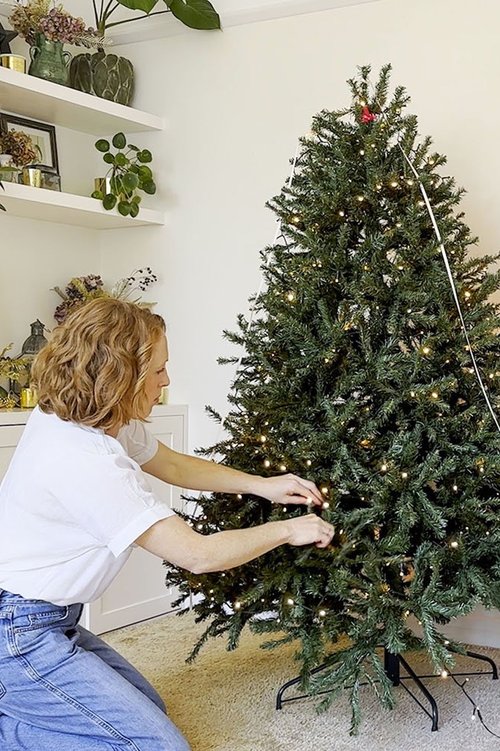
Starting Christmas tree lights from the top helps create an even glow down the branches. It’s easier to see where lights are needed as you work downward. This method saves time and reduces tangling of the light strands.
Decorating your Christmas tree is an art that many of us look forward to each holiday season. The method you choose to string your lights can make all the difference in achieving that magical glow. The Top to Bottom Method is a popular choice for many, offering a structured approach to creating a beautifully lit tree. This method not only saves time but also ensures even coverage and easy adjustments.Advantages Of Starting At The Top
Beginning at the top allows you to control the distribution of lights right from the start. You can ensure that the tree is evenly lit, preventing any dark spots that might detract from its beauty. Moreover, this method makes it easier to hide the cords, as you can work your way down, tucking them neatly along the branches. Imagine working on the topmost branches without having to worry about tangled cords below. By starting at the top, you maintain a clear path and can adjust the placement of the lights as you descend. This approach is particularly useful if you’re using multiple strings of lights, as it helps you gauge how many you need without running out midway through.Step-by-step Guide
- Begin by plugging in your lights to ensure they work. Nothing is worse than getting halfway through and realizing they don’t light up.
- Stand on a sturdy step ladder to reach the top of your tree safely.
- Secure the first bulb at the tip of the tree using a small twist tie or by wrapping the wire around the branch.
- Wrap the lights in a spiral pattern, moving down the tree. Make sure to weave in and out of the branches for depth.
- Step back occasionally to view your progress and make any necessary adjustments.
- Once at the bottom, hide any extra cord behind the tree or under the tree skirt.
Common Mistakes To Avoid
Avoid the temptation to wrap lights too tightly around the branches. This can make it difficult to remove them later and might damage the tree. Ensure you’re using enough lights to cover the entire tree; too few can leave it looking sparse and underwhelming. It’s easy to forget to step back and view the tree from different angles. This oversight can lead to uneven lighting. Always take a moment to walk around the tree to catch any missed spots or areas that need more coverage. Lastly, resist the urge to use different types of lights together. Mixing colors or styles, like flashing and steady, can create a chaotic look. Stick to one style for a cohesive and serene glow. Is the Top to Bottom Method the right choice for your holiday setup? Consider your tree’s height, the number of lights you have, and your personal preference for a beautifully illuminated centerpiece.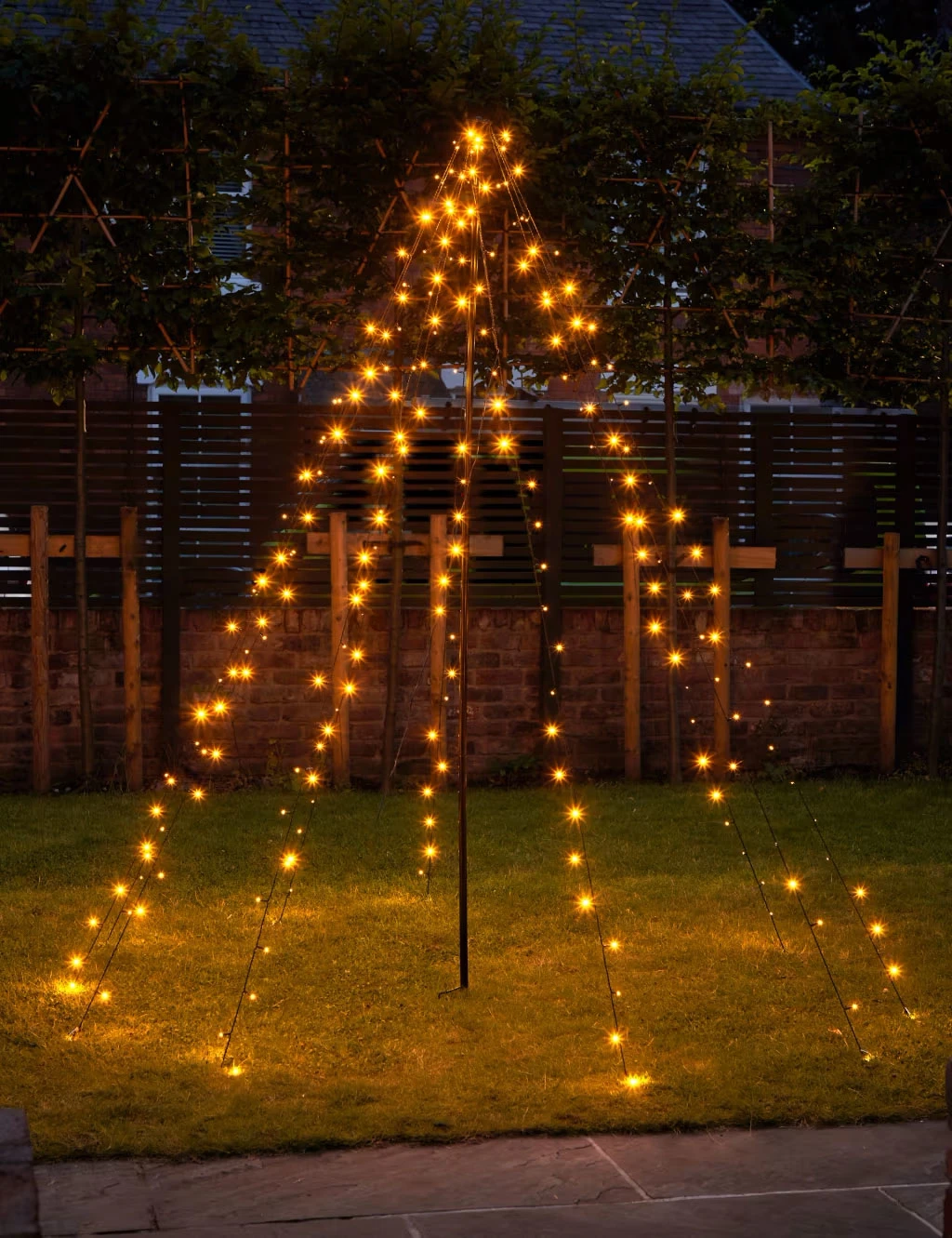
Credit: www.marksandspencer.com
Alternative Lighting Methods
Alternative lighting methods offer creative ways to decorate your Christmas tree. These approaches can save time and create unique looks. Each method works differently and suits different tree types and personal styles.
Bottom To Top Approach
Starting from the bottom allows better control over light placement. You can wrap the lights around the lower branches first. This way, the cords stay hidden as you work upward. It also helps avoid tangling and makes adjusting easier. This approach suits tall trees well.
Wrapping Branches Individually
Wrap each branch with lights for a detailed and bright effect. This method highlights every part of the tree. It creates a fuller, glowing appearance. It takes more time but shows off the tree’s shape clearly. Ideal for trees with wide or sparse branches.
Using Net Lights
Net lights are simple to use and cover the tree quickly. They come in a grid that fits over the branches. Perfect for fast decorating and even light spread. Great for small to medium trees or as a base layer. Saves effort and looks neat.
Enhancing The Display
Enhancing your Christmas tree light display is about more than just wrapping lights around branches. It’s about creating a visual experience that draws attention and brings joy. By adding colors, mixing decorations, and managing your lights smartly, you can transform your tree into a captivating centerpiece.
Adding Color And Variety
Don’t limit yourself to one color or type of light. Mixing warm white lights with pops of red or green can make your tree feel lively and festive. Consider using different shapes like stars or icicles alongside traditional string lights to catch the eye.
Think about how colors blend with your room’s decor. Are your walls neutral? Bright, multicolored lights might add the perfect contrast. If your room already has a lot of color, subtle hues or a single color theme can make your tree stand out without overwhelming.
Incorporating Other Decorations
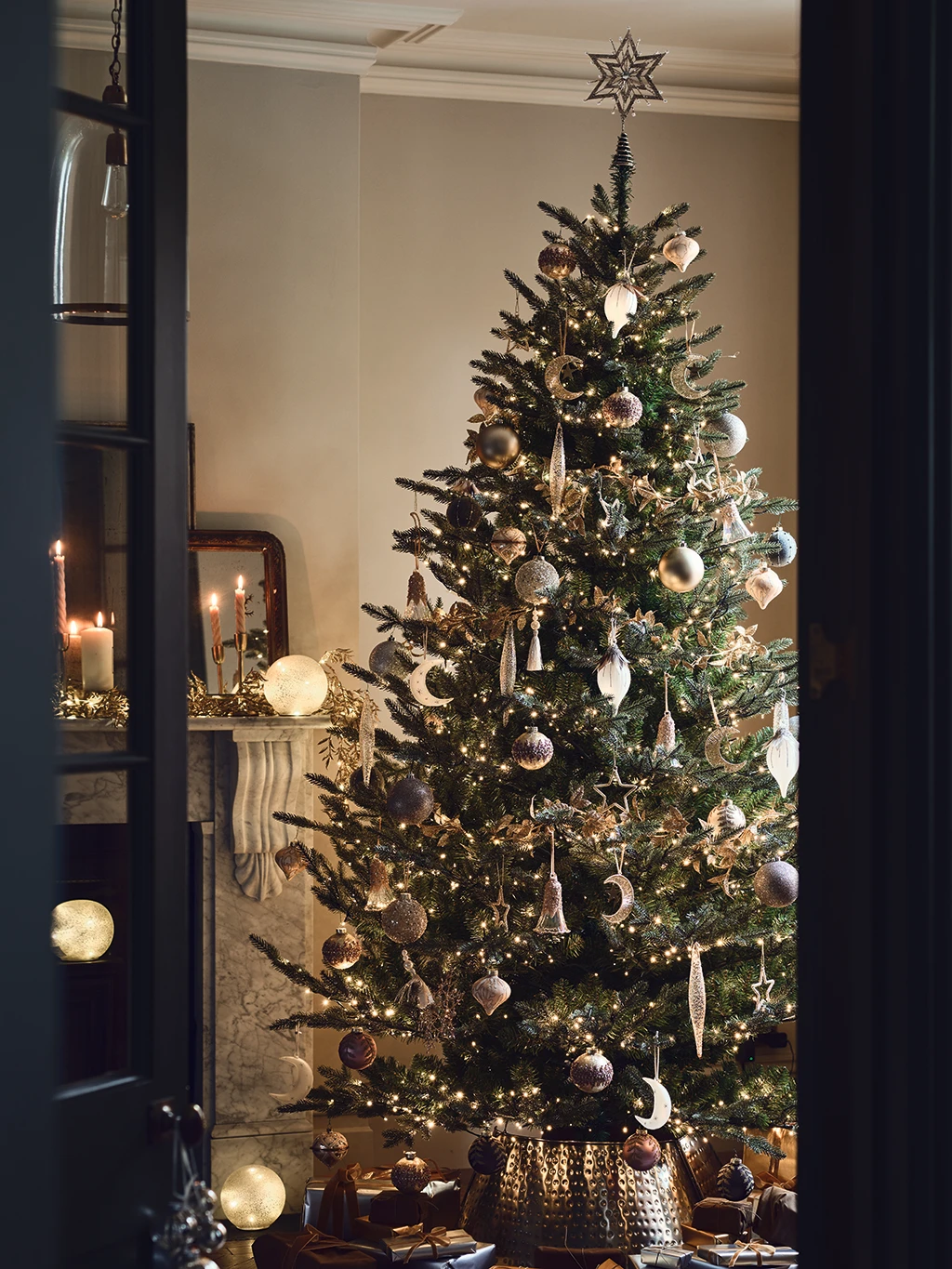
Lights alone aren’t enough to make your tree truly special. Adding ornaments, ribbons, or even small figurines can give your display personality. Place decorations strategically near the lights to make them sparkle and draw focus.
Try layering decorations to create depth. For example, hang shiny baubles on outer branches and softer elements like feathers or fabric closer to the trunk. This mix keeps your tree visually interesting from every angle.
Lighting Timers And Controls
Managing your lights with timers and smart controls saves energy and hassle. Setting your lights to turn on at dusk and off late at night means your tree shines when it matters most. It also frees you from remembering to plug in or switch off.
Smart plugs and apps let you change light patterns or colors without climbing the tree again. Have you tried syncing your lights to music or adjusting brightness for different moods? These small tweaks can add a fun, interactive element to your holiday decor.
Credit: www.marksandspencer.com
Maintenance Tips
Keeping your Christmas tree lights in top shape not only brightens your holiday decor but also saves you time and frustration. Simple maintenance can prevent common issues that interrupt your festive glow. Let’s look at some practical tips to help your lights shine all season long.
Replacing Burned Out Bulbs
Spotting a burned-out bulb early can save the rest of your string from going dark. Most lights come with spare bulbs—keep them handy so you can swap out the faulty ones quickly.
Before replacing bulbs, unplug the lights to avoid any shocks. Gently twist or pull the dead bulb out, then insert the new one firmly. If your lights use fuses, check and replace those too if needed.
Have you ever lost hours trying to find the one bad bulb? A quick tip: test bulbs with a small battery tester or a multimeter to speed up the process.
Storing Lights Properly
How you store your lights affects their lifespan dramatically. Avoid tangles and breakage by wrapping them around a piece of cardboard or a dedicated light reel.
Keep them in a cool, dry place away from moisture and extreme temperatures. Using sealable plastic bags or boxes prevents dust buildup and keeps bulbs safe from accidental knocks.
Try labeling your storage containers with the year and type of lights. This simple step saves you from hunting through boxes next holiday season.
Troubleshooting Flickering
Flickering lights can be a sign of loose connections or damaged wires. Start by checking each bulb to ensure it’s firmly in place.
Inspect the wiring for any visible breaks or frays. If you find damaged sections, it’s safer to replace the entire string rather than risk electrical issues.
Have you noticed flickering only when the lights are plugged into a specific outlet? Testing another outlet or checking your home’s circuit can reveal hidden electrical problems affecting your display.
Credit: www.cleabroad.co.uk
Frequently Asked Questions
Should I String Christmas Tree Lights From Top To Bottom?
Stringing lights from top to bottom creates an even, balanced look. It’s easier to manage and ensures full tree coverage. This method helps highlight ornaments and decorations effectively, enhancing the tree’s overall appearance.
What Are The Benefits Of Top-to-bottom Light Stringing?
Top-to-bottom lighting offers better control and prevents tangling. It provides consistent light distribution and simplifies decorating. This approach also makes it easier to fix or replace bulbs without disturbing the entire setup.
Can I String Christmas Lights Bottom To Top Instead?
Yes, but bottom-to-top stringing can be harder to manage. It might cause uneven light spread and tangling. Most decorators prefer top-to-bottom for a neater, more uniform look and easier access while decorating.
How Do I Start Stringing Lights On A Christmas Tree?
Start at the tree’s top or base, depending on your method. Secure the plug near a power source for easy access. Wrap lights evenly around branches, spacing them to avoid overcrowding or gaps.
Conclusion
Stringing Christmas tree lights from top to bottom offers clear benefits. It helps spread light evenly on the tree. This method also makes it easier to control the lights. You can avoid tangles and save time while decorating. Choose the way that feels right for your style.
Enjoy the warm glow that brightens your holiday space. Simple steps bring a festive look to your home. Bright lights create a joyful and cozy mood for all.



