
Do you ever wonder if your living room is missing something? Maybe you have a coffee table but no end tables, or vice versa.
Using both coffee tables and end tables can change the way your space feels and works for you. Imagine having a spot to place your morning coffee, a lamp, or even your favorite book within easy reach. Curious how these tables can make your room more comfortable and stylish?
Keep reading to discover why having both might be the secret to a more balanced and functional living area—just for you.
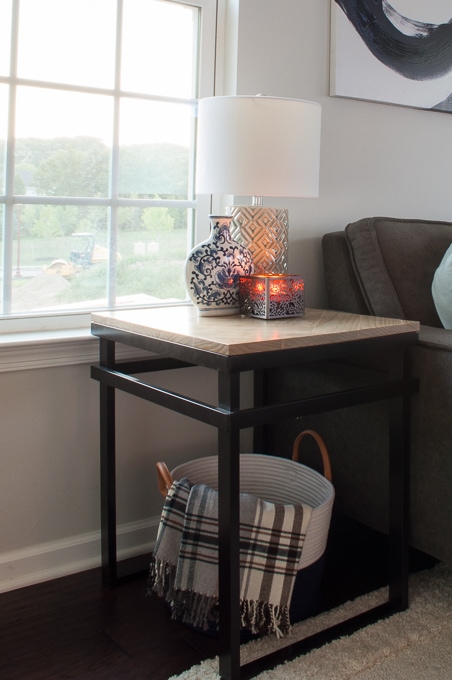
Credit: www.christeneholderhome.com
Choosing Between Coffee Tables And End Tables
Choosing between coffee tables and end tables depends on your room layout and needs. Both types of tables serve different purposes but can complement each other well. Understanding their functions helps you decide what fits best in your living space.
Functions Of Coffee Tables
Coffee tables usually sit in front of a sofa. They provide a central place for drinks, snacks, and books. They also serve as a focal point in the living room. Coffee tables often hold decorative items like candles and flowers. Their size is larger than end tables, making them suitable for gatherings.
Roles Of End Tables
End tables sit beside sofas or chairs. They offer a spot for lamps and small items like remotes. End tables make it easy to reach essentials without standing up. Their smaller size fits tight spaces well. They add balance and symmetry to your furniture layout.
When To Use Both
Using both coffee and end tables creates a layered look. Coffee tables handle group needs. End tables support individual convenience. Place coffee tables in the center, end tables at the sides. This setup improves functionality and style in the room. It also gives guests multiple places to set down items.
Styling Tips For Coffee Tables
Styling your coffee table can dramatically change the vibe of your living space. It’s not just about filling the surface; it’s about creating a balance between beauty and function. Let’s dive into some styling tips that help you make the most of your coffee table.
Selecting The Right Size
Choosing the right size for your coffee table is crucial. It should fit comfortably within your seating area without crowding it. Think about leaving at least 18 inches of space between the table and your sofa or chairs to allow easy movement.
Too small a table feels out of place, and too large can overwhelm the room. I once picked a table that was too wide, making the space feel cramped. Adjusting to a slightly smaller table immediately improved the flow and comfort.
Decorative Accessories
Decorative items bring personality to your coffee table. Mix textures and heights to create visual interest—consider a stack of books, a small plant, and a candle. A tray can help group items together, making the surface look organized rather than cluttered.
Think about what you love to see or use daily. Maybe a bowl of colorful stones or a vintage clock speaks to your style. What accessories on your table make you smile every time you walk by?
Balancing Practicality And Style
Your coffee table should be stylish but also practical. Leave enough space for everyday use, like holding drinks or snacks. If you often entertain, keep coasters and a small basket for remotes or magazines handy.
Remember, a table full of decor but no room to place your cup won’t work. What’s your ideal balance between beauty and function on your coffee table?
Enhancing Spaces With End Tables
End tables play a vital role in home decor. They offer both functionality and style. These small yet significant pieces can transform a room. They provide balance and a place for essentials. Let’s explore how end tables can enhance your spaces.
Placement Ideas
Consider strategic placements for end tables. Place them beside sofas or chairs for convenience. Use them to fill empty corners. They can act as a bridge between larger furniture pieces. Placing them near a window adds a cozy touch. Ensure they are easily accessible for daily use.
Choosing Materials And Finishes
Select materials that complement your room’s style. Wood adds warmth and a classic feel. Glass offers a modern, airy look. Metal can add an industrial touch. The finish should match the existing decor. Consider durability, especially if the tables are used often.
Incorporating Lighting
End tables are perfect for small lamps. They add ambiance and functionality. Choose lamps that match the table’s style. Soft lighting creates a relaxing atmosphere. Consider adjustable lamps for reading or tasks. Lighting can transform the mood of a space.
Combining Coffee And End Tables
Combining coffee tables and end tables creates a balanced and practical living space. Both pieces serve different purposes but work well together. Coffee tables provide a central spot for drinks and decor. End tables offer extra surface area next to seating. Using both enhances comfort and style.
Coordinating Styles
Choose tables that share a similar style to unify the room. Matching wood tones or shapes create harmony. For example, rounded edges on both tables soften the look. Consistent style prevents the room from feeling cluttered or mismatched. Coordination helps the furniture blend naturally.
Mixing Materials And Textures
Mix materials like metal, wood, or glass for visual interest. A wooden coffee table with a metal end table adds depth. Textures such as smooth glass and rough wood create contrast. This mix keeps the space lively and dynamic. Avoid too many different materials to maintain balance.
Creating Visual Flow
Arrange tables to guide the eye smoothly around the room. Keep similar heights for a cohesive look. Place end tables next to sofas or chairs for easy access. Leave enough space to move comfortably. Visual flow makes the room feel open and inviting.
Common Mistakes To Avoid
Using both coffee tables and end tables can enhance your living space, but it’s easy to make mistakes that clutter or confuse the room. Recognizing common pitfalls helps you create a balanced and functional setup. Let’s look at what to avoid so your tables work well together.
Overcrowding The Space
Too many tables can make your room feel cramped and overwhelming. If you place a large coffee table and multiple end tables too close, it limits movement and comfort. Ask yourself: Is there enough space to walk around without bumping into furniture?
Try to leave clear pathways and avoid adding tables just because you can. Sometimes less is more, especially in smaller rooms. A single end table paired with a well-sized coffee table often does the trick.
Ignoring Scale And Proportion
Choosing tables that don’t match the size of your sofa or room can throw off the entire look. A tiny coffee table with oversized end tables looks awkward and unbalanced. Think about how the height and width of each piece relate to each other.
Your coffee table should sit lower than the sofa seat, and end tables should be roughly the same height as the armrest. Visual harmony helps your space feel put together and comfortable, not chaotic.
Neglecting Functionality
Tables are not just decorative—they need to serve your daily needs. If your end tables are too small to hold a lamp or your coffee table has no storage, you might find yourself frustrated. What do you typically place on these surfaces?
Consider how you use your living room. Do you need extra storage, a place for drinks, or a spot to display books? Choose tables that fit those functions. Practicality ensures your space stays enjoyable and clutter-free.

Credit: www.amazon.ca

Credit: www.bushhome.com
Frequently Asked Questions
Can I Use Both Coffee Tables And End Tables Together?
Yes, using both coffee and end tables adds functionality and style. Coffee tables offer central space, while end tables provide side storage and decor. Combining both enhances room balance and convenience, making your living space more practical and inviting.
What Is The Main Difference Between Coffee And End Tables?
Coffee tables are larger, placed centrally in front of seating. End tables are smaller, located beside sofas or chairs. Each serves different purposes: coffee tables hold larger items, while end tables offer easy access to essentials like lamps or drinks.
How Do Coffee And End Tables Improve Living Room Design?
They create layers and focal points in the room. Coffee tables anchor the seating area, while end tables add symmetry and function. Together, they enhance aesthetics and provide practical surfaces for decor, lighting, and everyday use.
Are Coffee Tables Necessary If I Have End Tables?
Not necessarily. Coffee tables offer a central gathering spot for items and socializing. End tables alone may not provide enough surface area. Using both ensures convenience and complements different seating arrangements effectively.
Conclusion
Coffee tables and end tables both add value to your living space. They serve different purposes but work well together. Coffee tables provide a central spot for drinks and decor. End tables offer convenient places beside chairs and sofas. Using both creates balance and function in a room.
Choose styles that match your home’s look. This way, your space stays organized and inviting. Small or large rooms benefit from this smart furniture pairing. Try combining them to see the difference they make. Your living area will feel complete and cozy.



