
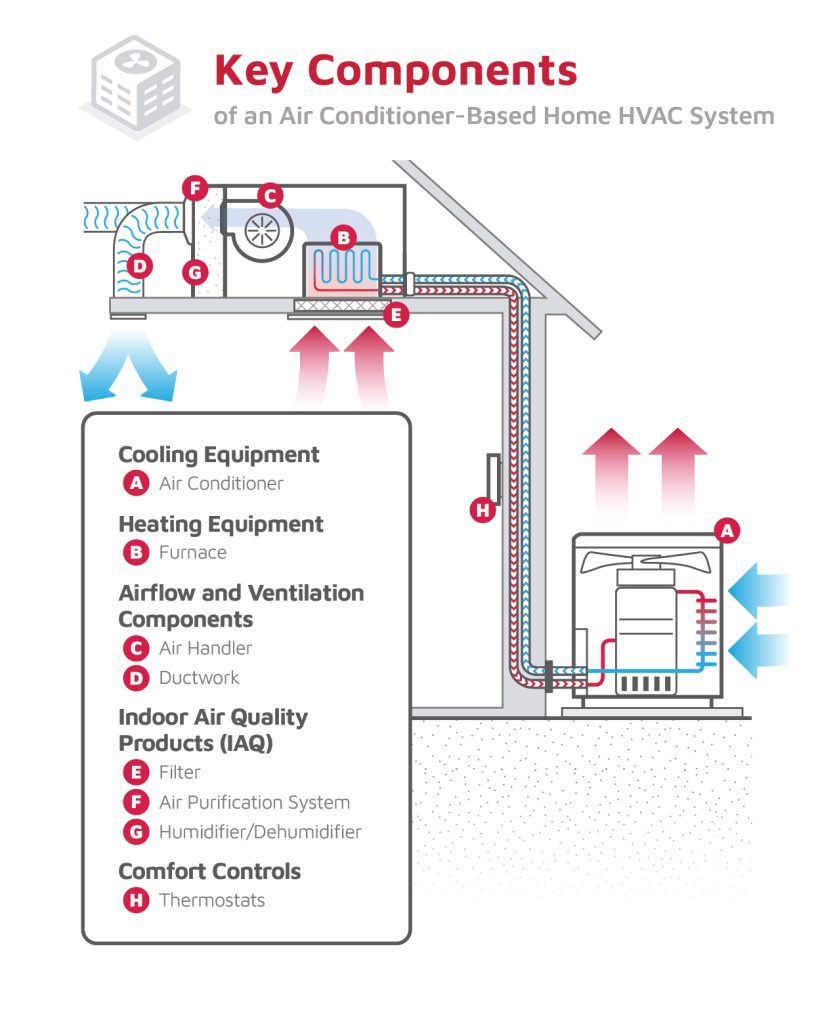
Have you ever wondered if your air conditioning system can keep you warm as well as cool? When the temperature drops, you want to know if your AC has your back or if you need a separate heater.
Understanding whether air conditioning includes heat can save you money, space, and hassle. Keep reading to discover how your system works and what you need to stay comfortable all year round. This knowledge will help you make smarter choices for your home and your wallet.

Credit: www.aljazeera.com
How Air Conditioning Works
Understanding how air conditioning works helps clarify if it includes heat. Air conditioners cool indoor air by removing heat and moisture. This process makes rooms feel cooler and more comfortable. The system uses several parts working together to change hot air into cool air.
Cooling Mechanism
The cooling process starts with warm air inside the room. The air conditioner pulls this warm air in through vents. Inside, the air passes over cold coils filled with refrigerant. Heat from the air moves to the refrigerant, cooling the air. The cooled air then blows back into the room. This cycle repeats until the room reaches the desired temperature.
Role Of Refrigerants
Refrigerants are special fluids that absorb heat from the air. They change from liquid to gas as they absorb heat. Then, they release heat outside when compressed back to liquid. This cycle moves heat out of the indoor air. Modern refrigerants are designed to work efficiently and safely. They play a key role in the air conditioner’s cooling power.
Credit: www.carrier.com
Heating Capabilities In Ac Units
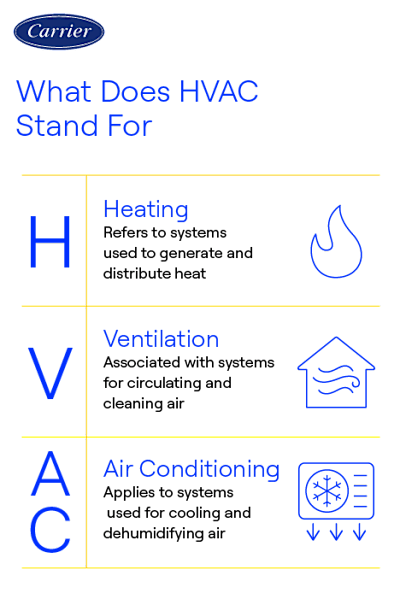
Many air conditioning units offer more than just cooling. Some models include heating features that help maintain comfort during colder months. Understanding these heating capabilities can help you choose the right system for year-round climate control.
Heat Pumps Explained
Heat pumps are a common heating feature in modern AC units. They work by moving heat from outside to inside your home. This process uses less energy compared to traditional heaters.
In summer, heat pumps reverse the process to cool your home. This dual function makes heat pumps efficient and cost-effective.
Types Of Heating Functions
- Electric Resistance Heating:Uses electric coils to produce heat. Simple but can be costly in energy use.
- Heat Pump Heating:Transfers heat from outside air to inside. Energy-efficient and eco-friendly.
- Gas Furnace Integration:Some AC systems connect with gas furnaces for powerful heating.
- Hybrid Systems:Combine heat pumps with gas furnaces for flexible heating options.
Differences Between Ac And Heaters
Air conditioning and heating systems serve different purposes but sometimes overlap. Understanding their differences helps in choosing the right option for your home. Both systems control indoor temperature but operate differently. This section highlights how standalone heaters and AC units with heat compare.
Standalone Heaters Vs Ac With Heat
Standalone heaters only provide warmth. They come in various types like electric, gas, or oil heaters. These devices convert energy directly into heat. They are simple and often cheaper upfront.
AC units with heat combine cooling and heating functions. They use a heat pump to move heat inside or outside. This means they can cool in summer and warm in winter. These systems offer year-round comfort with one device.
Standalone heaters usually warm small areas quickly. AC with heat covers larger spaces more evenly. Installation of combined systems may cost more but saves space. Choice depends on climate, budget, and home size.
Energy Efficiency Comparison
Energy efficiency differs significantly between the two options. Standalone heaters often consume more electricity or fuel for the heat produced. Electric heaters can be less efficient for long-term use.
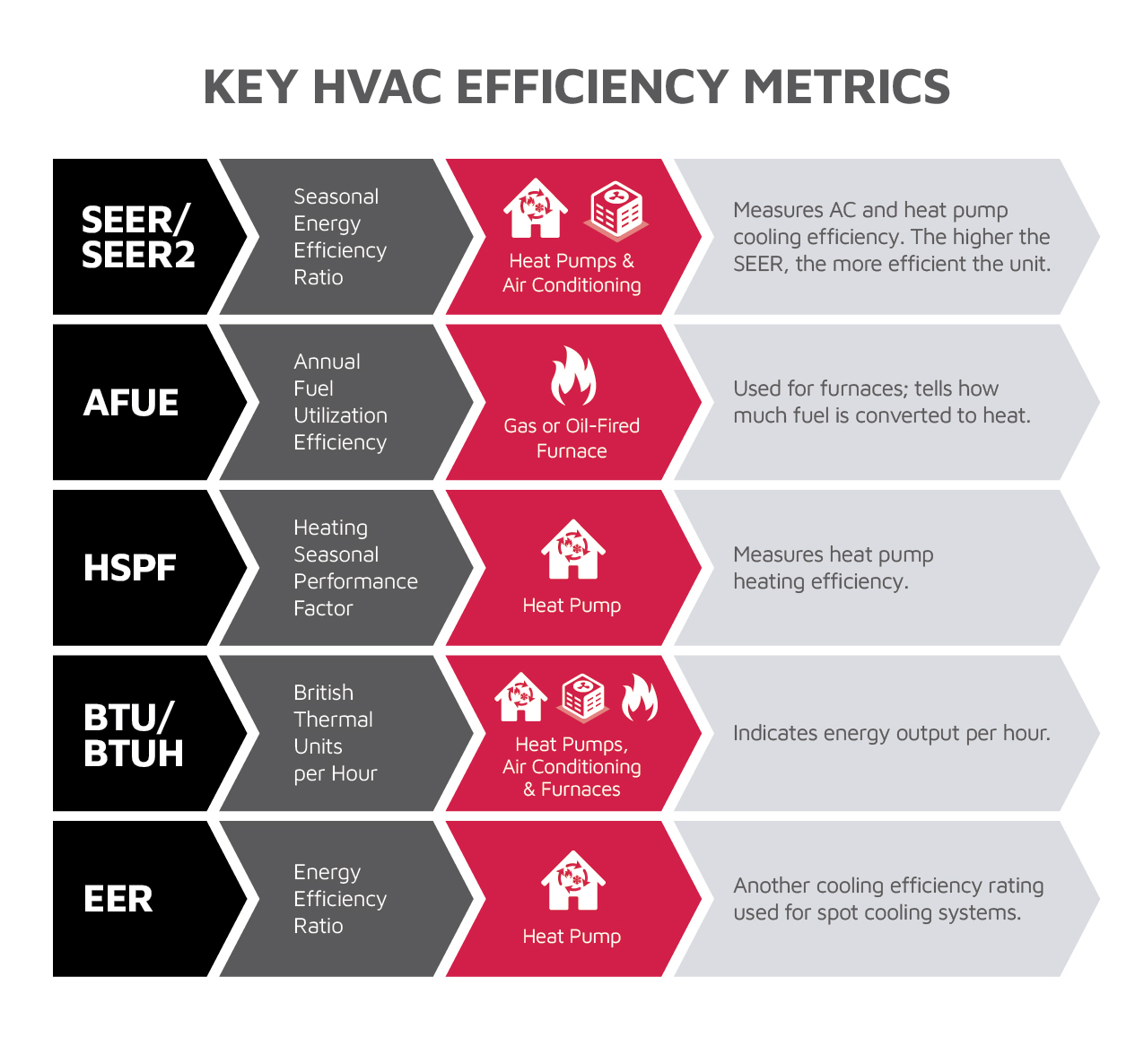
Heat pump AC units use electricity to transfer heat rather than generate it. This process uses less energy and lowers utility bills. Heat pumps perform best in moderate climates.
Efficiency also depends on the system’s age and maintenance. Regular cleaning and timely repairs improve performance. Choosing energy-efficient models reduces overall energy consumption.
When To Choose Ac With Heating
Choosing an air conditioner with heating adds comfort throughout the year. It lets you cool your home in summer and warm it in winter. This choice depends on several important factors. Knowing when to select a unit with both functions helps make a smart decision.
Climate Considerations
Regions with hot summers and cold winters benefit most from AC units with heating. This setup handles temperature changes without extra devices. Places with mild winters may not need built-in heating. Areas with extreme cold require reliable heating features in the system. Balance between summer cooling needs and winter warmth is key.
Cost And Installation Factors
Installing a combined AC and heating system can save money over separate units. It reduces space and simplifies maintenance. Initial costs might be higher but lower energy bills help recover expenses. Installation is easier with one unit instead of two. Consider long-term savings and home layout before deciding.
Maintenance Tips For Dual-function Units
Maintaining your dual-function air conditioning unit, which provides both cooling and heating, is crucial for its efficiency and longevity. With regular upkeep, you can ensure it performs optimally throughout the year. Here are some essential maintenance tips to keep your unit in top shape.
Seasonal Checks
Regular seasonal checks are vital for your dual-function unit. As the seasons change, so do the demands on your system. Before the onset of summer and winter, have a professional inspect your unit to ensure it’s ready to handle the upcoming temperature extremes.
Simple tasks like cleaning or replacing air filters can make a significant difference. Dirty filters obstruct airflow, forcing the unit to work harder, which can lead to higher energy bills. A clean filter ensures smooth operation and maintains air quality in your home.
Troubleshooting Common Issues
Understanding common issues with dual-function units can save you time and money. If your unit isn’t heating or cooling properly, check the thermostat settings first. Ensure it’s set to the correct mode and temperature.
Another frequent issue is unusual noise from the unit. This could indicate a loose part or debris stuck in the system. A quick inspection can often pinpoint the problem. Addressing these minor issues early can prevent costly repairs down the line.
Isn’t it satisfying to know that a little attention now can save big headaches later? By maintaining your dual-function unit, you’re not only ensuring comfort but also extending the life of your system.
Credit: www.lennox.com
Frequently Asked Questions
Does Air Conditioning System Provide Heating?
Some air conditioning systems have heat pump functions that provide heating. Traditional AC units only cool air, while heat pumps can both cool and heat efficiently.
How Does A Heat Pump Differ From Ac?
A heat pump transfers heat in or out of your home. It cools like an AC in summer and heats in winter, making it a versatile HVAC option.
Can I Use My Ac For Winter Heating?
If your AC includes a heat pump, yes. Otherwise, standard air conditioners do not generate heat and won’t warm your home in winter.
What Types Of Ac Include Heating Features?
Heat pumps and HVAC systems with integrated furnaces offer heating. Window or portable AC units typically lack heating capabilities.
Conclusion
Air conditioning units often include heating features. They cool rooms in summer and warm them in winter. Knowing this helps you choose the right system. Some units only cool, while others offer heat too. Check product details before buying to match your needs.
A combined system saves space and energy. It keeps your home comfortable year-round. Simple to use, these systems are practical for many homes. Understanding how they work makes your choice easier. Stay comfortable no matter the season with the right air conditioner.



