
If you or someone you care about is facing the possibility of being on a ventilator, you probably have many questions swirling in your mind. Does being on a ventilator mean death is near?
Is it a sign that things are hopeless? These thoughts can be overwhelming and scary. But understanding what a ventilator really does and what it means for your health can change how you feel about this critical tool. Keep reading to uncover the truth behind ventilators, so you can face this challenge with clearer eyes and a stronger heart.
Ventilator Basics
Understanding ventilators is key to easing fears about their use. Many people associate ventilators with the end of life, but that’s not always the case. Let’s break down the basics so you can grasp what ventilators really do and why they are important in medical care.
What Is A Ventilator
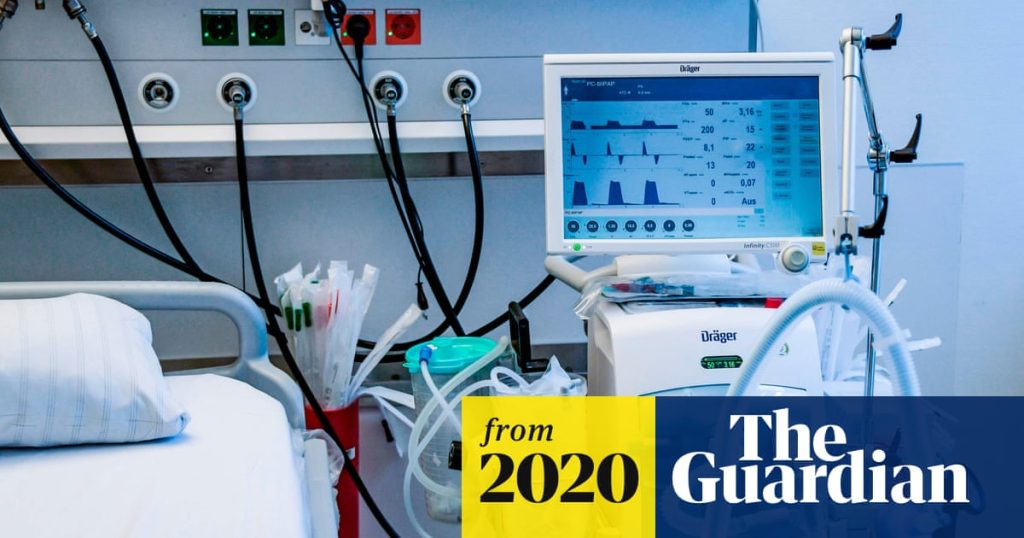
A ventilator is a machine that helps you breathe when you cannot do it well on your own. It pushes air, often with extra oxygen, into your lungs through a tube placed in your windpipe or nose. This support can be temporary or longer-term, depending on the situation.
How Ventilators Work
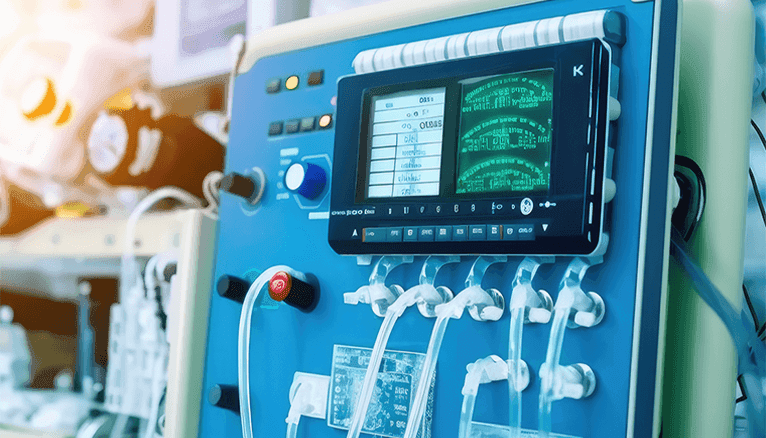
The machine controls the flow and pressure of air delivered to your lungs. It can be set to breathe for you completely or assist your own breathing efforts. Sensors monitor your breathing, allowing the ventilator to adjust in real time, making sure your body gets the oxygen it needs.
Common Reasons For Ventilator Use
- Severe lung infections like pneumonia that make it hard to breathe.
- During surgery, when you are under anesthesia and cannot breathe independently.
- Chronic conditions like COPD or neuromuscular diseases that weaken respiratory muscles.
- Trauma or accidents that impair breathing or consciousness.
Have you ever wondered why some people recover fully after ventilator support while others don’t? The answer often lies in the underlying health and timing of treatment, not the ventilator itself.

Credit: www.sciencedirect.com
Survival Rates On Ventilators
Survival rates on ventilators vary widely depending on several key factors. Being on a ventilator does not automatically mean death, though it often signals a serious health condition. Understanding what influences survival can help you make informed decisions and support loved ones during critical times.
Factors Affecting Survival
Survival on a ventilator depends on multiple factors beyond just the need for mechanical breathing support. The severity of the illness and how quickly treatment begins play major roles. Additionally, the quality of medical care and access to advanced treatments can improve outcomes significantly.
Other important factors include the patient’s response to the ventilator and potential complications like infections or lung damage. Have you considered how early intervention and close monitoring could change the course of treatment?
Outcomes By Medical Condition
Different health conditions lead to different survival rates for ventilated patients. For example, those with acute respiratory distress syndrome (ARDS) may have lower survival rates compared to patients on ventilators due to less severe issues like postoperative recovery.
Patients with chronic lung diseases might face longer ventilation times but can still recover with proper care. Understanding your or your loved one’s specific condition can help set realistic expectations and guide conversations with healthcare providers.
Age And Overall Health Impact
Age is a significant factor in survival rates on ventilators. Younger individuals often have better outcomes because their bodies can handle the stress of critical illness more effectively.
Your overall health, including the presence of other medical problems like diabetes or heart disease, also affects survival chances. How might your personal health history influence your recovery if ventilator support becomes necessary?
Risks And Complications
Being on a ventilator is a serious medical step that helps patients breathe. It supports breathing when the lungs cannot work well. Despite its life-saving role, using a ventilator carries certain risks and complications. Understanding these risks helps patients and families prepare for possible outcomes.
Potential Side Effects
Ventilators use tubes to deliver air directly into the lungs. This can cause discomfort or injury to the throat and vocal cords. Patients may feel sore or hoarse after using a ventilator. Muscle weakness is common because the breathing muscles are less active. This weakness can make it harder to breathe independently later.
Infections And Other Hazards
The presence of a breathing tube increases the risk of infections. Ventilator-associated pneumonia is a serious lung infection linked to ventilator use. Germs can enter the lungs through the tube. Careful hygiene and monitoring are essential to reduce infection risks. Other hazards include lung damage from too much air pressure. This can cause lung tears or collapse.
Long-term Effects
Some patients may face lasting effects after using a ventilator. Lung scarring can reduce breathing capacity. Mental health can also be affected, with anxiety or confusion. Physical weakness may persist, needing rehabilitation. Recovery times vary based on age and health before ventilation.
Credit: www.apexhospitals.com
Ventilator And End-of-life Care
Ventilators support breathing when lungs cannot function properly. They are critical in intensive care units. While often life-saving, they can sometimes become part of end-of-life care. This raises important questions about their role and purpose.
When Ventilation Is A Bridge To Recovery
Ventilators can help patients recover from serious conditions. They support breathing during illnesses or after surgeries. For many, this support is temporary. It allows time for healing. Recovery is possible when underlying issues are treatable.
Situations Indicating Limited Benefit
In some cases, ventilators provide limited benefits. Chronic diseases or severe injuries might not improve with ventilation. Prolonged use can lead to complications. It may not change the outcome for terminal conditions.
Ethical Considerations
Using ventilators in end-of-life care involves ethical questions. Families and doctors must decide on continuing or stopping support. This includes assessing the patient’s quality of life. Respecting the patient’s wishes is crucial. Discussions about care goals are important.
Alternatives And Advances
Being on a ventilator often feels overwhelming and final, but it doesn’t always mean the worst outcome. Medical science has made significant strides in offering alternatives and improving the experience and effectiveness of ventilation. These advances can change the course of treatment and recovery, giving you or your loved one a better chance at healing.
Non-invasive Ventilation Options
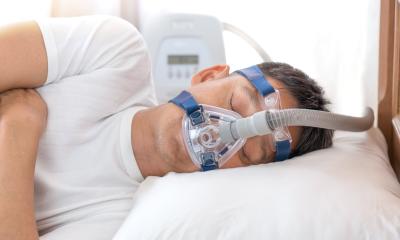
Non-invasive ventilation (NIV) uses masks or nasal devices instead of tubes inserted into the airway. This approach reduces discomfort and lowers the risk of infections. Many patients with respiratory issues can avoid intubation altogether by using NIV early.
Think about someone you know who struggled with breathing but improved without needing full ventilation support. NIV can provide gentle breathing assistance while still allowing mobility and communication.
- Continuous Positive Airway Pressure (CPAP) machines help keep airways open during sleep or breathing difficulty.
- Bilevel Positive Airway Pressure (BiPAP) adjusts pressure during inhaling and exhaling for more personalized support.
New Technologies Improving Outcomes
Technology in ventilators has evolved to be smarter and more responsive to patient needs. Modern ventilators use sensors and software that adjust breathing support in real time. This can reduce lung injury and improve comfort.
Imagine a ventilator that learns your breathing pattern and changes its support to match. This makes a big difference in recovery speed and reduces complications.
- Adaptive support ventilation adapts pressure based on patient effort.
- High-flow nasal cannula delivers oxygen efficiently while allowing easier communication.
Supportive Therapies
Ventilation is just one part of care. Supportive therapies like physical therapy and nutritional support play a huge role in recovery. They help strengthen your lungs and overall health, making it easier to wean off ventilators.
Have you ever noticed how patients who stay active and nourished recover faster? Doctors now focus on early mobility and tailored nutrition plans alongside ventilation.
- Chest physiotherapy helps clear mucus and improve lung function.
- Proper nutrition fuels the body’s healing process.
- Psychological support addresses anxiety and fear related to breathing difficulties.
Patient And Family Perspectives
Being on a ventilator is a challenging experience for both patients and their families. It often brings feelings of fear, uncertainty, and hope. Understanding their perspective helps us see the human side of this medical treatment. Families face tough emotions and decisions while patients rely on support and clear communication.
Emotional Impact
Patients may feel scared and helpless while on a ventilator. They often worry about their recovery and future. Families experience stress and anxiety, hoping for the best outcome. Watching a loved one in this state can be overwhelming. Many feel sadness mixed with hope during this time.
Communication With Healthcare Providers
Clear communication is vital for patients and families. They need simple explanations about the ventilator and what to expect. Doctors and nurses should listen to their concerns and answer questions honestly. Good communication builds trust and eases anxiety. It helps families understand the patient’s condition and care plan.
Decision-making Guidance
Decisions about ventilator use can be difficult and emotional. Families often need guidance to make choices that respect the patient’s wishes. Healthcare providers can offer support by explaining options and outcomes. Patients and families benefit from discussing goals and values early on. This guidance helps create decisions that feel right for everyone involved.
Credit: healthcare-in-europe.com
Frequently Asked Questions
Does Being On A Ventilator Always Mean Death?
No, being on a ventilator does not always mean death. Many patients recover fully with proper medical care. Ventilators help support breathing during critical illness, giving the body time to heal. Outcomes depend on the underlying condition and overall health.
How Long Can Someone Stay On A Ventilator?
The duration on a ventilator varies widely. Some patients require support for a few days, while others may need weeks. Doctors monitor progress closely to determine when it’s safe to wean off ventilation. Long-term use increases risks of complications.
Can Patients Recover After Ventilator Treatment?
Yes, many patients recover fully after ventilator treatment. Recovery depends on the illness severity and timely medical intervention. Physical therapy and rehabilitation often help regain strength post-ventilation. Supportive care is crucial for positive outcomes.
What Risks Are Involved With Ventilator Use?
Ventilator use carries risks like lung injury, infections, and muscle weakness. Prolonged ventilation can increase these risks. Medical teams work to minimize complications through careful monitoring and hygiene. Understanding risks helps in making informed treatment decisions.
Conclusion
Being on a ventilator does not always mean death. Many people recover fully with proper care. Ventilators help breathe when the body struggles. Doctors use them to support, not to give up. Each case is different and depends on health.
Hope and treatment go hand in hand. Remember, a ventilator is a tool, not a final answer. Stay informed and trust medical advice. Life can improve, even after serious illness.



