
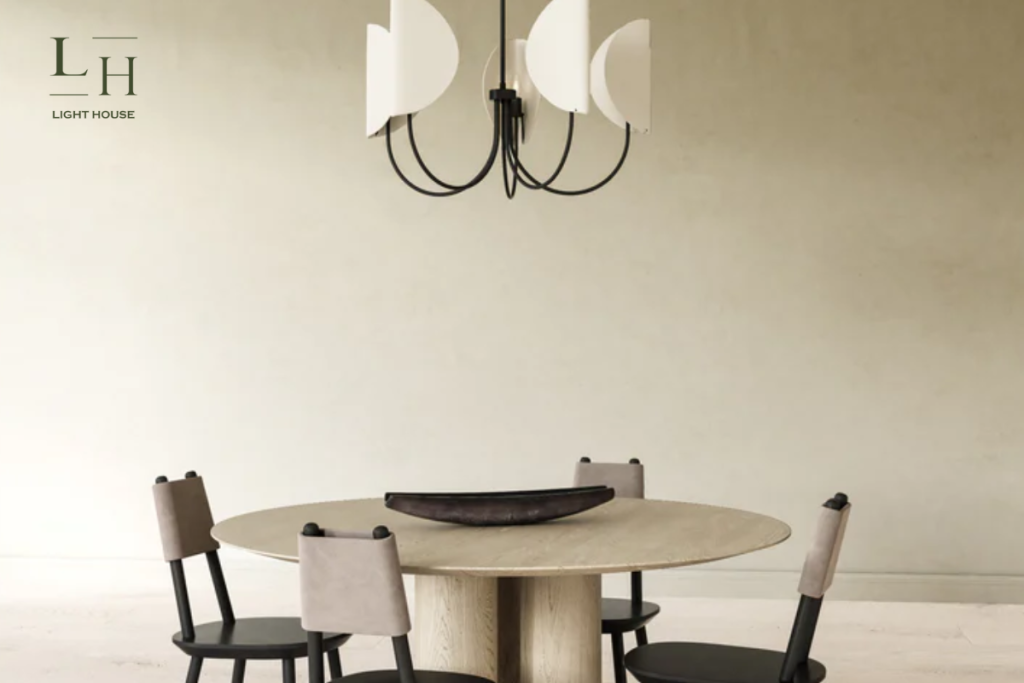
Choosing the right chandelier size for your table can completely change the look and feel of your space. You might wonder, “How big should a chandelier be over a table?” Picking the perfect size isn’t just about style—it’s about balance, comfort, and making your room shine.
If your chandelier is too big, it can overwhelm your space. Too small, and it might go unnoticed. You’ll discover simple, practical tips that help you find the ideal chandelier size that fits your table and makes your room look stunning.
Keep reading, and you’ll never second-guess your lighting choices again!

Credit: www.1800lighting.com
Choosing Chandelier Size
Choosing the right chandelier size can completely transform your dining space. It’s more than just picking a fixture that looks nice; the size needs to balance with your table and room to create harmony. Too big or too small, and it throws off the entire vibe.
Measuring Table Dimensions
Start by measuring your table’s length and width accurately. A good rule is to choose a chandelier that is about half to two-thirds the width of your table. For example, if your table is 60 inches wide, aim for a chandelier between 30 and 40 inches wide.
This approach keeps the chandelier proportional and prevents it from overpowering the table or looking too tiny. Have you ever seen a huge fixture hanging over a small table? It can feel awkward and out of place.
Considering Ceiling Height
The height of your ceiling plays a crucial role in determining chandelier size. If your ceiling is lower than 8 feet, opt for a smaller, more compact chandelier to avoid crowding the space. For taller ceilings, you have room for larger, more dramatic pieces.
Also, consider the hanging height. Typically, chandeliers should hang about 30 to 36 inches above the table surface. This keeps the light effective without obstructing views or conversations.
Room Size Impact
Your room’s overall size affects how big your chandelier should be. A large chandelier in a small room can feel overwhelming, while a tiny fixture in a big room might get lost. Think about how the chandelier fits with other furnishings and the room’s scale.
Ask yourself: Does this fixture complement the space or compete with it? Balancing your chandelier size with room dimensions ensures a cohesive look that feels inviting.
Calculating Ideal Diameter
Choosing the right chandelier size for your table can transform the entire dining experience. The ideal diameter balances proportion and presence without overwhelming your space or looking too small. Calculating this size isn’t just guesswork; it involves simple measurements and thoughtful adjustments based on your room’s character.
Using Table Length And Width
Start by measuring your table’s length and width in inches. Adding these two numbers gives you a base figure to work with. This combined number, when converted into inches, often guides the chandelier diameter you should consider.
For example, if your table is 60 inches long and 36 inches wide, add them to get 96 inches. A chandelier around 24 inches in diameter usually fits well, since 96 divided by 4 equals 24. This ensures the fixture complements the table size without overpowering it.
Common Size Formulas
Several simple formulas help calculate chandelier size quickly. One popular approach is to add the length and width of the room in feet, then convert that sum to inches for the chandelier diameter.
- Room length (feet) + room width (feet) = chandelier diameter (inches)
- Table length (inches) + table width (inches) divided by 2 = chandelier diameter (inches)
Which formula feels more intuitive to you? Try both to see which fits your space better. Keep in mind that these formulas provide starting points, not strict rules.
Adjusting For Room Style
Your room’s style should influence the chandelier size just as much as measurements. In cozy, intimate settings, a slightly smaller chandelier can create warmth without overcrowding. Conversely, in large, open spaces, a bigger or multi-tiered chandelier might enhance the room’s grandeur.
Think about your furniture scale and ceiling height. A high ceiling allows for a larger chandelier that hangs lower, while low ceilings call for more compact designs. Have you noticed how a chandelier’s presence changes a room’s vibe? Use that to guide your choice.
Height Placement Tips
Choosing the right height for your chandelier is crucial to achieving a balanced and inviting dining space. A well-placed chandelier can transform your room, creating a harmonious blend of style and function. Let’s dive into some essential tips to ensure your chandelier hangs at the perfect height above your table.
Distance From Table Surface
The ideal distance between your chandelier and the table surface is typically between 30 and 36 inches. This range ensures the light fixture is close enough to provide adequate lighting without overpowering the space. If your ceilings are higher than the standard 8 feet, consider hanging the chandelier an additional 3 inches higher for every extra foot of ceiling height.
Balancing Room Proportions
Think of your room as a canvas where every element should complement each other. A chandelier that is too low or too high can disrupt the visual balance. Aim to align the chandelier’s height with other room elements, like artwork or shelving, to maintain proportional harmony.
Avoiding Visual Obstruction
A chandelier should enhance, not hinder, your dining experience. Ensure it doesn’t obstruct views across the table or interfere with conversation. Before finalizing the height, sit at the table and assess whether the chandelier’s placement is visually pleasing and practical for daily use.
What are your personal experiences with chandelier placement? Share your thoughts and insights to help others create their perfect dining atmosphere.
Credit: www.2modern.com
Style And Functionality
Choosing the right chandelier size is not just about measurements. Style and functionality must work together. A chandelier should fit the room’s look and provide enough light for the table below. Balancing these elements creates a beautiful and practical centerpiece.
Matching Chandelier Design
The chandelier’s design should match the room’s style. For a modern room, choose sleek, simple shapes. Traditional rooms suit ornate, classic chandeliers. The fixture’s color and material should blend with other décor. This harmony makes the chandelier feel like part of the space, not an afterthought.
Light Output Considerations
The chandelier must provide enough light for dining or work. Consider the bulb type and wattage to ensure brightness. Dimmer switches offer flexible lighting for different moods. Avoid chandeliers that are too bright or too dim. Proper light improves comfort and usability at the table.
Complementing Table Shape
The chandelier’s shape should complement the table’s form. Round chandeliers look great above round tables. Rectangular or linear chandeliers suit long, narrow tables. Matching shapes create visual balance. This makes the space feel organized and inviting.
Practical Installation Advice
Installing a chandelier over a table needs careful planning for both look and safety. The right hardware, proper height, and secure setup keep it stable and stylish. This section covers practical tips for a smooth, safe chandelier installation.
Hanging Hardware Options
Choose hardware based on chandelier weight and ceiling type. Heavy chandeliers require strong hooks or mounting brackets. Chain links offer flexible length adjustments. Rods provide a sleek, fixed look for modern designs. Swag hooks work well for angled ceilings. Use hardware rated for the chandelier’s weight to avoid accidents.
Safety And Stability
Secure the chandelier firmly to a ceiling joist or support beam. Use a stud finder to locate strong spots. For heavier fixtures, install a brace or mounting box. Check wiring and connections before hanging. Tighten all screws and bolts to prevent wobbling. Safety first to avoid damage or injury.
Adjusting Height Easily
Keep the chandelier’s bottom about 30 to 36 inches above the table. Use adjustable chains or rods for easy height changes. Swag hooks allow simple repositioning without full removal. Consider a dimmer switch to control light levels. Proper height improves both function and ambiance at your dining area.

Credit: www.reddit.com
Common Mistakes To Avoid
Choosing the right chandelier size and placement matters a lot for your dining area. Mistakes in size or height can make the space feel awkward or unbalanced. Some common errors happen often but are easy to fix with the right tips. Avoid these pitfalls to get the perfect look and function for your chandelier.
Oversized Fixtures
Big chandeliers can overwhelm a dining table and the room. Too large a fixture steals attention from other decor. It may also block sightlines and feel heavy. Choose a chandelier that fits the table size and the room scale. This keeps the space balanced and welcoming.
Too Low Or Too High Placement
Height matters for both style and comfort. A chandelier hung too low can bump heads or block views. Too high, and it loses its impact and doesn’t light the table well. The ideal height is usually about 30 to 36 inches above the table surface. This gives enough clearance and good light.
Ignoring Room Scale
The chandelier size should match the room, not just the table. A small chandelier in a large room looks lost. A large fixture in a small room feels cramped. Consider ceiling height, room width, and furniture size. This creates a balanced and harmonious dining space.
Frequently Asked Questions
How Do I Measure Chandelier Size For My Table?
Measure your table’s length and width in feet. Add the two numbers, then convert to inches. The sum equals the ideal chandelier diameter in inches.
What Height Should A Chandelier Hang Over A Table?
Hang the chandelier 30 to 36 inches above the table surface. This height provides optimal lighting without obstruction.
Can Chandelier Size Affect Dining Room Aesthetics?
Yes, a chandelier that matches table size enhances room balance and visual appeal. Too large or small disrupts harmony.
Should Chandelier Size Vary With Table Shape?
Yes, round tables suit round chandeliers sized to table diameter. Rectangular tables work best with elongated chandeliers.
Conclusion
Choosing the right chandelier size creates balance and style. The fixture should fit the table’s length and width. Too big or too small can look awkward. Aim for a chandelier about half to two-thirds the table’s width. This size lights the area well and adds charm.
Remember, height matters too—hang it low enough to see across the table. The right chandelier makes your dining space feel warm and inviting. Simple rules help you pick a perfect fit every time. Brighten your room with the right-sized light fixture.



