
Choosing the right size for your coffee table can change the whole feel of your living room. If it’s too big, your space might feel cramped and hard to move around.
Too small, and it could look lost or not serve its purpose well. You want a coffee table that fits perfectly with your furniture and lifestyle, making your room both stylish and functional. Keep reading to discover simple tips that will help you pick the perfect size for your coffee table—so your space feels just right every time.

Credit: www.reddit.com
Choosing The Right Coffee Table Size
Choosing the right coffee table size is crucial to creating a comfortable and functional living space. The size affects both the look and usability of your room. Too big, and it can overpower the space; too small, and it might feel lost or useless.
Balancing Room Dimensions
Start by measuring your room carefully. You want enough clearance around the coffee table for easy movement—typically 18 inches between the table and seating works well.
Think about how the table fits with your room’s shape. A large, square table in a narrow room can feel cramped, while a small round table in a big room might seem out of place.
Considering Sofa And Seating Layout
Look at your sofa and other seating pieces. Your coffee table should complement their size and arrangement, not clash with them.
If your sofa is long, a longer rectangular table can balance the look. For a compact seating area, a smaller, round table might work better to keep the flow open.
Matching Table Height To Seating
Your coffee table’s height should be about the same as the seat cushions or slightly lower. This makes it easy to reach for drinks or snacks without straining.
If the table is too tall, it feels awkward; if it’s too low, it can be uncomfortable to use. Aim for a height between 16 and 18 inches for most standard sofas.
Standard Coffee Table Dimensions
Choosing the right size for your coffee table can change the entire vibe of your living space. Knowing the standard dimensions helps you avoid a table that’s too bulky or too tiny. It also ensures the table fits well with your sofa and other furniture.
Typical Length And Width Ranges
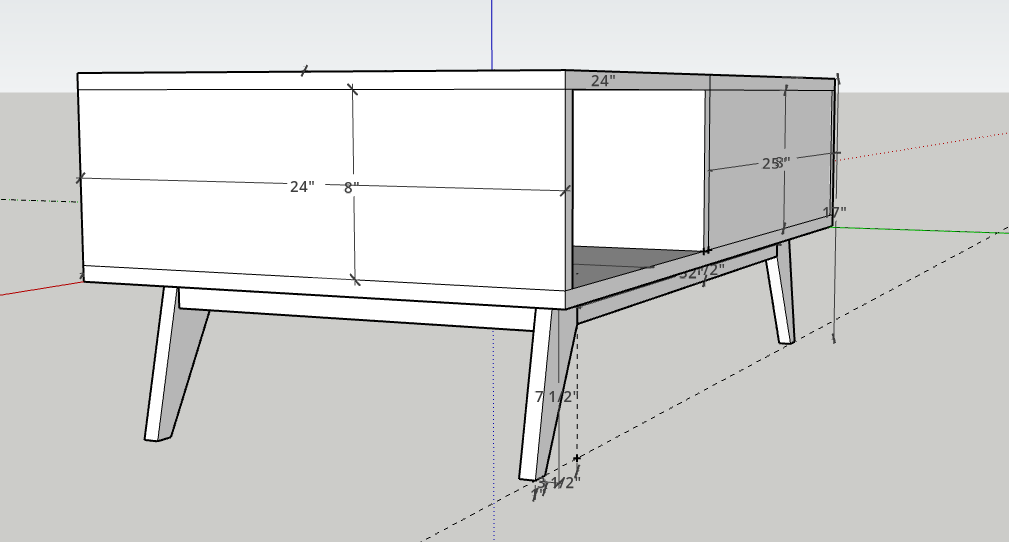
Most coffee tables fall between 36 to 48 inches in length. Width usually ranges from 18 to 24 inches. These sizes work well in medium to large living rooms, providing enough surface area without overcrowding the space.
If your seating area is compact, consider tables closer to 36 inches long and 18 inches wide. Larger rooms can handle tables at the upper end of the scale. Think about how much space you want for drinks, books, or decor.
Common Height Measurements
The height of a coffee table generally sits between 16 and 18 inches. This height complements most sofas, making it easy to reach for your cup or remote without strain. Matching the table height to your sofa seat height (usually around 18 inches) creates a balanced look and practical use.
Have you noticed how a coffee table that’s too tall or too low can disrupt the flow of your room? Choosing the right height keeps everything comfortable and stylish. Try measuring your sofa seat height before picking a table to ensure the perfect fit.
Measuring Your Space
Choosing the right size for your coffee table is more than just a matter of taste—it’s about ensuring it fits seamlessly within your living space. Understanding the dimensions of your room and how the table will interact with the rest of your furniture is crucial. Before making a decision, take a moment to measure your space accurately and consider the room’s layout.
Calculating Available Floor Area
Grab a tape measure and start by noting the length and width of the area where you plan to place the coffee table. It’s essential to know how much floor space you have to work with. Subtract the dimensions of other furniture pieces to determine the remaining available space. Consider using painter’s tape to outline the potential size of your coffee table on the floor. This visual representation can help you better understand how the table will fit into your room. Would the table overpower the space or complement it perfectly?
Allowing For Walking Space
Walking space around your coffee table is just as important as its size. Aim to leave at least 18 inches between the edge of your coffee table and surrounding furniture. This ensures you and your guests can move comfortably around the room without bumping into anything. Think about the flow of movement in your living room. Is there enough space for people to walk past the table without feeling cramped? If you’re unsure, try walking around the taped outline to test the flow.
Remember, a well-measured coffee table not only enhances the aesthetic of your room but also maintains its functionality. Take the time to measure your space carefully, ensuring your new piece is a perfect fit.

Credit: leathergallery.co.za
Coffee Table Shapes And Size Impact
The shape and size of your coffee table directly affect the flow and feel of your living space. Choosing the right shape can maximize comfort and functionality while matching your room’s style. Think about how you use your coffee table daily—does it hold drinks and snacks, serve as a footrest, or display decor? Your choice will impact how well the table fits into your lifestyle and space.
Rectangle And Square Options
Rectangle and square coffee tables offer a classic look that fits well in most rooms. They provide ample surface area, making them perfect for holding books, trays, or even board games. These shapes work best in larger spaces or in front of a sizable sofa, where you need more length to reach from different seating spots.
Consider a rectangular table if you often entertain guests. It allows more people to gather around comfortably. On the other hand, a square table fits well in compact seating areas and creates a balanced, symmetrical look.
Round And Oval Choices
Round and oval coffee tables are ideal if you want to soften the edges in your room. They create a gentle flow and reduce sharp corners, which is especially helpful in homes with kids or pets. These shapes encourage movement around the table without bumping into corners.
Oval tables provide similar benefits but add a bit more surface space lengthwise. They work great in narrow rooms or in front of curved or sectional sofas. Ask yourself: do you want a table that invites easy conversation and movement? Round or oval might be the answer.
Unique And Custom Shapes
Unique or custom-shaped coffee tables can become the centerpiece of your living space. They reflect your personality and can be designed specifically to fit your room’s dimensions and style. This option is great if you want to break away from conventional shapes and make a bold statement.
Think about irregular forms like hexagons, abstract shapes, or multi-tiered tables. These can add visual interest and functionality, like extra storage or display areas. Would a one-of-a-kind table make your space feel more personal and tailored?
Function And Style Considerations
Choosing the right size for your coffee table depends on both function and style. It should fit your living space and meet your daily needs. Consider what you will use the table for and how it complements your room’s look. Balance these factors for a perfect fit.
Storage Needs
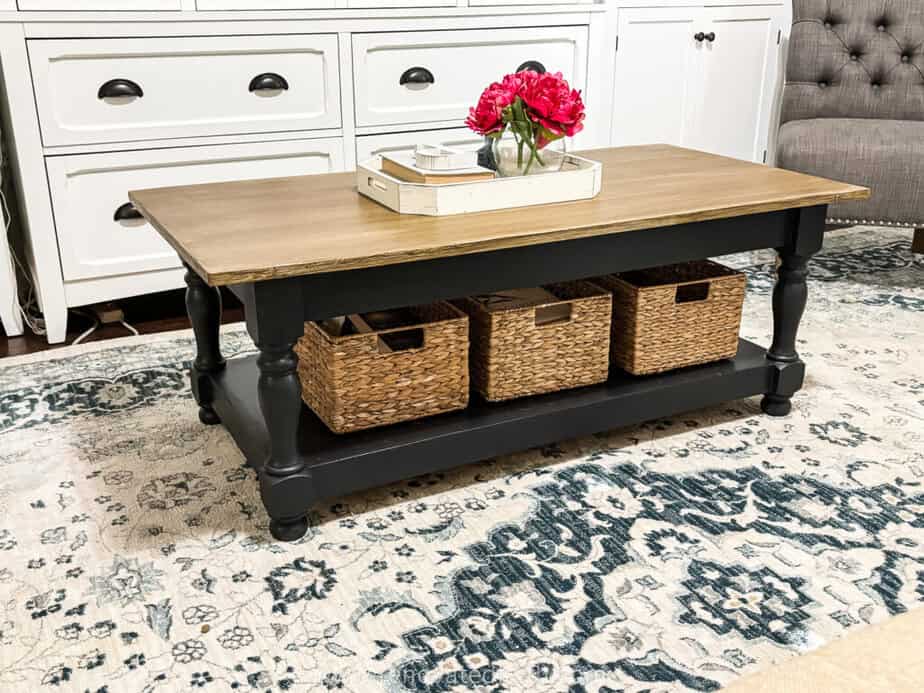
Think about what you want to store. Some coffee tables have shelves or drawers. These add extra space for books, remotes, or magazines. If you need storage, choose a table with built-in compartments. This keeps your living area tidy.
Visual Balance And Proportion
Your coffee table should match the size of your sofa and room. Too big a table can crowd the space. Too small, it may look lost. Keep about 18 inches of space between the sofa and table. This allows easy movement and keeps the room open.
Material And Design Influence
The table’s material affects its size perception. Glass tables look lighter and less bulky. Wooden tables often feel solid and warm. Choose a design that fits your room’s style. A sleek, modern table suits minimalist spaces. A rustic wooden table works well in cozy rooms.
Adjusting Size For Room Type
Choosing the right coffee table size depends on the room where it will sit. Each room type has unique needs that affect the table’s scale. Adjusting the coffee table size helps balance space and function. This makes the room comfortable and inviting.
Small Living Rooms
Small living rooms need compact coffee tables. Choose tables that don’t block walking paths. Round or oval shapes work well to save space. Keep the table size about two-thirds the length of the sofa. This creates enough surface without crowding the room.
Large Open Spaces
Large open spaces allow bigger coffee tables. A large table anchors the seating area and fills the space nicely. Square or rectangular tables work best here. Match the table size to the sofa’s length for balance. Use a table with storage to add function without clutter.
Multi-purpose Areas
Multi-purpose areas need flexible coffee tables. Choose tables with adjustable heights or extendable tops. Lightweight tables are easy to move around. Pick sizes that fit both seating and work zones. Tables with storage help keep the area tidy and organized.
Tips For Final Size Selection
Choosing the right size for your coffee table can transform your living space from cramped to comfortable. It’s not just about fitting the room but also about how the table interacts with your furniture and daily habits. These tips will help you finalize a size that feels just right for your space and lifestyle.
Using Templates And Mock-ups
Cutting out cardboard or paper templates that match the dimensions you’re considering can give you a real sense of scale. Tape these shapes on the floor to see how much space the table will occupy. This simple step helps you avoid surprises after purchase.
Try moving the template around to test different positions and assess traffic flow. Notice if it blocks pathways or feels too small next to your sofa. This hands-on approach reveals what size truly works in your space.
Testing Placement Before Buying
If you’re shopping online or at a store, don’t hesitate to bring measurements and use painter’s tape at home to mark the table’s footprint. This visual guide helps you imagine the table’s presence without committing to it yet.
Think about how you use your coffee table daily. Will it hold snacks, books, or remote controls? Testing placement with tape or temporary markers can show if the size supports your needs comfortably.
Ask yourself: Does the table leave enough room for leg space and easy movement? Can you reach it easily from your seating? Answering these questions before buying saves you from costly returns and adjustments.
Credit: renovatedfaith.com
Frequently Asked Questions
How Do I Measure The Perfect Coffee Table Size?
Measure your seating area first. The table should be about two-thirds the length of your sofa. Height should be level with sofa cushions for comfort.
What Is The Ideal Coffee Table Height?
Choose a coffee table height 1-2 inches below your sofa cushions. This ensures easy reach and comfortable use without strain.
How Much Space Should Be Around A Coffee Table?
Leave 18 inches of space between the coffee table and surrounding furniture. This allows easy movement and maintains room flow.
Should Coffee Tables Match Or Contrast With Furniture?
Coffee tables can either match or contrast your furniture. Matching creates harmony, while contrasting adds visual interest and depth.
Conclusion
Choosing the right coffee table size shapes your living room’s comfort. Keep space around the table for easy movement. Match the table height with your sofa for convenience. Think about how you use the table daily. Small rooms need smaller tables to avoid crowding.
Larger spaces can hold bigger tables for balance. Measure carefully before buying to fit your room well. The right size helps your room look neat and inviting. Take your time to find a coffee table that feels just right.



