
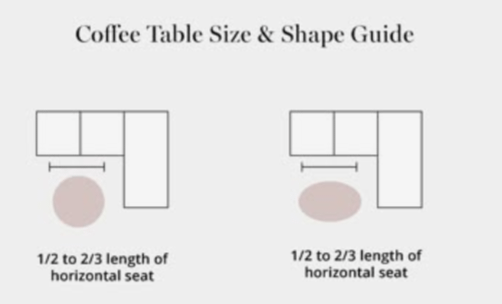
Choosing the right size for your coffee table can change the entire feel of your living room. You want it to look just right—not too big to crowd the space, and not too small to feel lost.
But how do you find that perfect balance? If you’ve ever wondered, “How big should my coffee table be? ” you’re in the right place. This guide will help you pick the ideal size so your coffee table fits seamlessly with your furniture and lifestyle.
Keep reading, and you’ll discover simple tips to make your space more comfortable and stylish.
Choosing The Right Coffee Table Size
Choosing the right size for your coffee table is more than just picking something that looks good. It’s about making sure the table fits well in your space and works perfectly with your furniture. The right size helps keep your room comfortable and functional, avoiding awkward gaps or crowded areas.
Matching Table Size To Room Dimensions
Start by measuring your living room carefully. Your coffee table should take up about two-thirds the length of your sofa to feel balanced. If your room is small, opt for a compact table to keep the space open.
Think about how much walking space you want around the table. Ideally, leave at least 18 inches between the table and other furniture to avoid bumping into it. A table too large can make the room feel cramped, while too small can seem lost.
Considering Sofa And Seating Layout
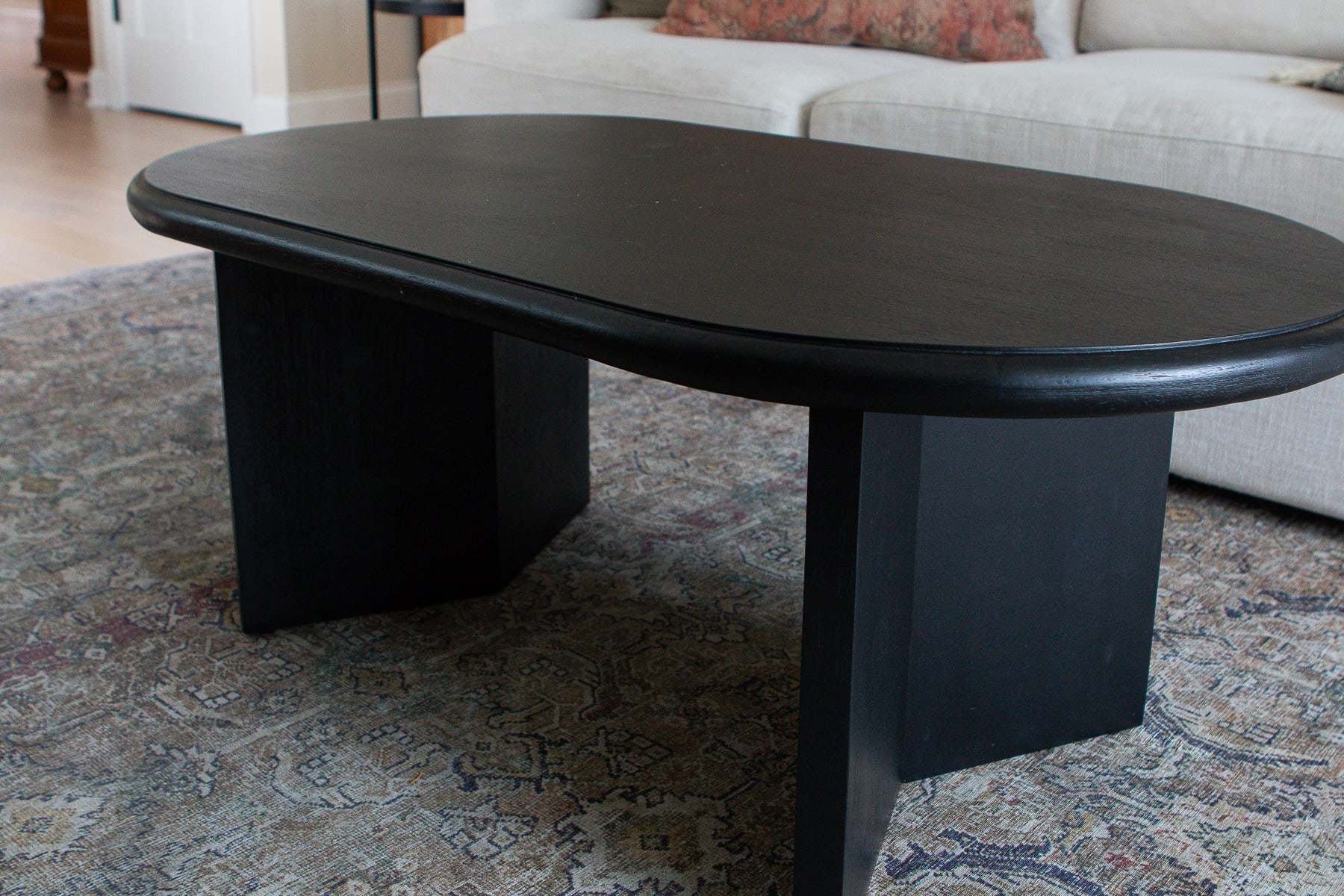
Look at your seating arrangement closely. Your coffee table should be centered and easily reachable from all seats. If you have multiple chairs or a sectional, a longer or oval table might work better than a square one.
Imagine sitting down with a drink or snack. Can you comfortably place it on the table without stretching or moving? Your coffee table should support everyday use, not just look good.
Balancing Table Height With Seating
Height matters just as much as width and length. A coffee table that’s too tall or too low can make sitting down awkward. Aim for a table height close to the seat height of your sofa or chairs—usually 16 to 18 inches.
Think about your own comfort. Have you ever tried using a table that felt like it was either a step too high or too low? Matching heights lets you use the table naturally, whether eating, working, or relaxing.
Standard Coffee Table Dimensions
Choosing the right coffee table size can transform your living space. The right dimensions ensure comfort and functionality. It’s essential to know the standard sizes available.
Common Length And Width Options
Coffee tables come in various lengths and widths. Most tables range from 36 to 48 inches long. Widths typically measure between 18 to 24 inches. These sizes fit most living areas.
Typical Height Ranges
The standard height for coffee tables is 16 to 18 inches. This height complements standard sofa seat heights. It ensures ease when reaching for your drink or book.
Shapes And Their Size Impact
Coffee tables come in different shapes. Rectangular tables provide more surface area. Round tables save space and suit smaller rooms. Square tables fit well in compact spaces. Each shape affects the room’s flow differently.
Measuring Your Space
Measuring your space is the first step to choosing the perfect coffee table size. It helps ensure the table fits well without overcrowding your room. Accurate measurements create a balanced and comfortable living area.
Take your time to measure carefully. Consider the size of your seating and the overall layout. This way, your coffee table complements the space and makes it functional.
How To Measure For Length And Width
Start by measuring the length and width of the area where the coffee table will go. Use a tape measure and note the dimensions in inches or centimeters.
Make sure to measure from the edges of your seating furniture. This gives you a clear idea of the available space between sofas or chairs.
Allowing For Walking Space
Leave enough room around the coffee table for people to walk comfortably. A good rule is to allow at least 18 inches (45 cm) between the table and seating or walls.
This space prevents bumping and keeps the flow of movement smooth. It also makes the room feel open and inviting.
Adjusting For Multiple Seating Areas
If your room has more than one seating area, measure each separately. Find a coffee table size that fits well with all seating groups.
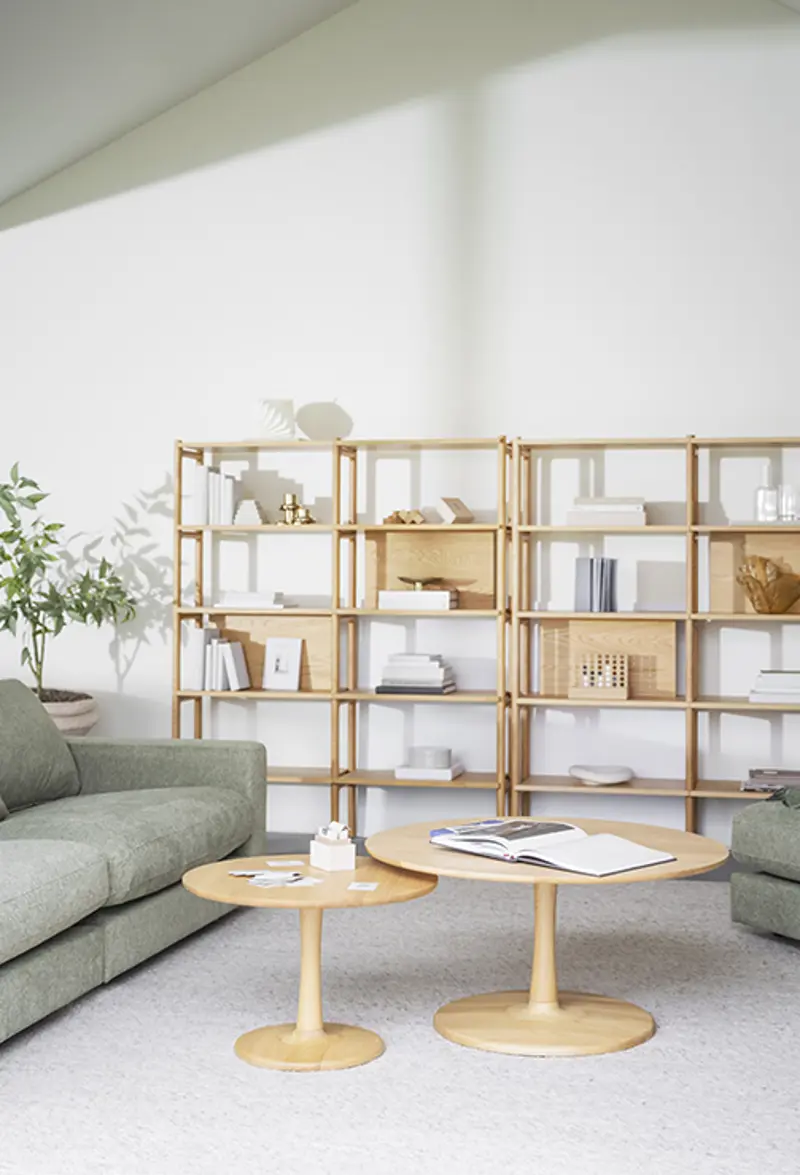
Consider smaller tables or nesting tables that can serve different zones. This approach keeps the space functional and stylish.
Credit: thediyplaybook.com
Table Styles And Size Influence
The style of your coffee table greatly affects the size you should choose. Different shapes and heights not only change the room’s look but also influence how you use the space. Knowing how style and size work together can help you pick a table that fits perfectly in your living area.
Round Vs. Rectangular Tables
Round coffee tables create a softer, more casual vibe. They fit well in smaller rooms or spaces where people move around a lot because they don’t have sharp corners. If you often have guests or children, a round table can reduce bumps and bruises.
Rectangular tables, on the other hand, offer more surface area for drinks, books, and decor. They work best in longer rooms or in front of a straight sofa. Think about how much space you have around your seating—rectangular tables need more clearance to avoid crowding.
Low Vs. Tall Coffee Tables
Low coffee tables are classic and keep the room feeling open. They usually sit just below the height of your sofa cushions, making it easy to reach items without stretching. But if you like to eat or work on your coffee table, a taller option might be more comfortable.
Tall coffee tables can double as extra seating or a desk surface. They’re great in multipurpose rooms or for people who use their living space in different ways. Just make sure the height doesn’t block the view across the room or make the space feel cramped.
Multi-functional Table Sizes
Tables with built-in storage or adjustable sizes offer flexibility for small or busy rooms. For example, a coffee table with drawers or shelves can keep clutter out of sight, while a nesting table set lets you expand or shrink your surface area as needed.
Consider your lifestyle: do you need space for board games, kids’ crafts, or work-from-home gear? Choosing a table that adapts to your daily activities can save space and keep your living room organized.
Practical Tips For Size Selection
Choosing the right size for your coffee table can change the whole feel of your living space. It’s not just about fitting the table; it’s about creating balance and functionality. Here are some practical tips to help you pick a size that works well with your room and lifestyle.
Avoiding Oversized Tables
Oversized coffee tables can make your room feel cramped and uncomfortable. Think about the space you have—your table should leave enough room for people to move around easily. A good rule is to keep at least 18 inches of clearance between the table and your sofa or chairs.
I once picked a large table that looked stunning in the showroom but overwhelmed my small living room. I had to replace it because it blocked pathways and made the space feel tight. Ask yourself: Is the table enhancing your room, or is it taking up too much space?
Using Rugs To Define Table Area
Rugs help anchor your coffee table and create a clear zone in your living area. Choose a rug that’s bigger than your coffee table by about 12 to 18 inches on all sides. This extra space helps the table feel like part of a cozy, defined spot rather than floating awkwardly.
Try placing your coffee table on the rug with all legs touching it, or at least the front legs if your rug is smaller. This small detail makes a big difference in how balanced your room looks. What kind of rug shape and size will highlight your table best?
Considering Storage Needs
Think about what you want to keep on or in your coffee table. If you need storage for magazines, remote controls, or blankets, look for tables with shelves or drawers. This can reduce clutter and keep your space tidy.
On the other hand, if you prefer a minimalist look, a sleek tabletop without storage might suit you better. Reflect on your daily habits—do you often need a surface to hold drinks and snacks, or do you want extra space to tuck things away? Your answer will guide the size and style you choose.
Credit: rowicohome.com
Customizing Coffee Table Dimensions
Customizing coffee table dimensions helps the table fit perfectly in your living space. It also reflects your personality and lifestyle. Choosing the right size creates balance and comfort in the room. You can tailor the table to match your needs and style easily.
Tailoring Size To Personal Style
Your coffee table should match your taste and habits. Some prefer large tables for books and decor. Others want small, simple tables for minimalism. Think about how you use the table daily. Choose dimensions that fit your style and function.
Working With Unique Room Shapes
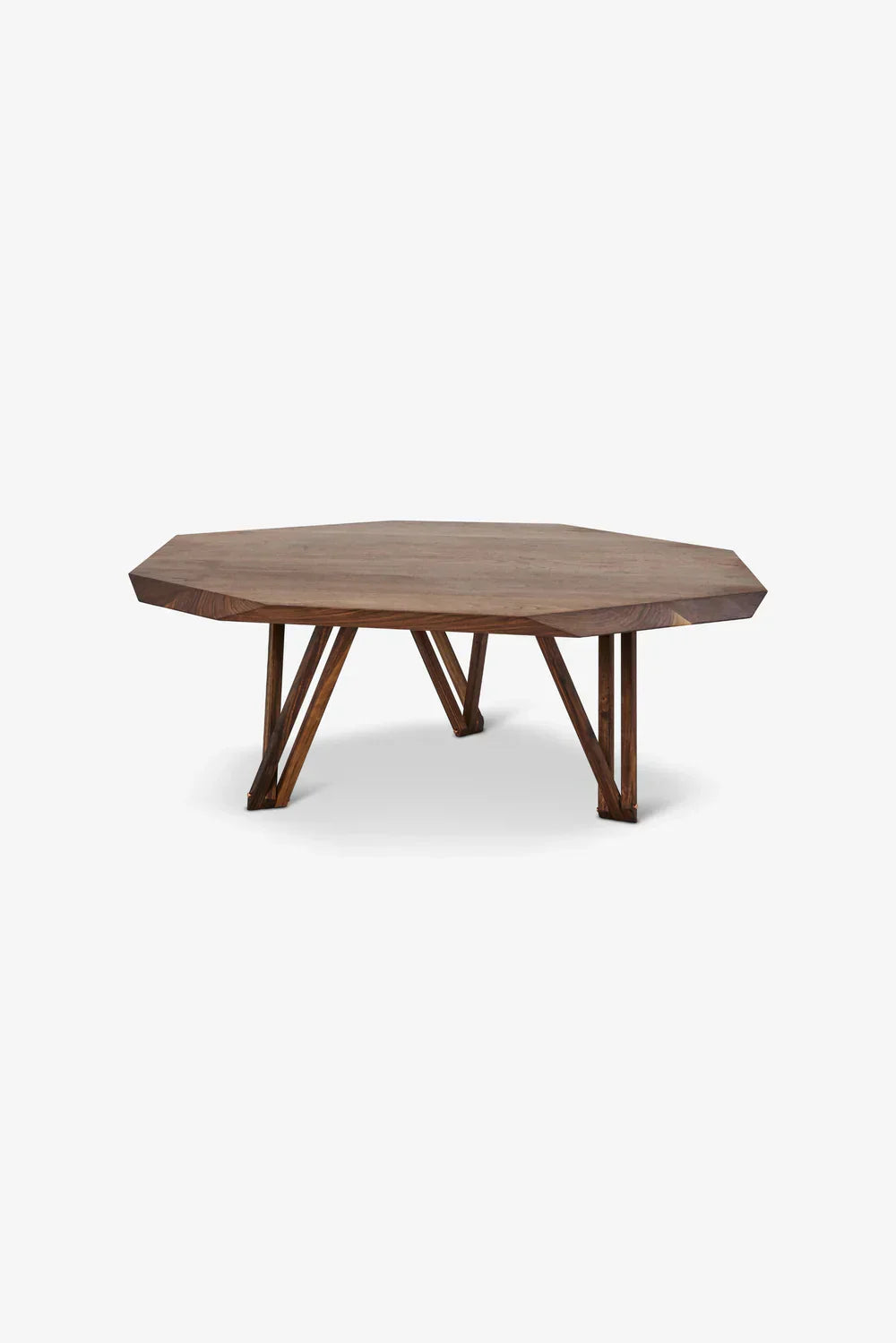
Rooms are rarely perfect squares or rectangles. Odd shapes need special table sizes. Measure the space carefully to avoid overcrowding. Custom tables can fill corners or narrow spaces well. This makes the room look neat and inviting.
Incorporating Adjustable Tables
Adjustable coffee tables offer flexibility in size and height. They adapt to different activities like working or dining. These tables suit changing needs and small spaces. Look for models with easy-to-use adjustment features. They bring convenience without losing style.
Credit: noyerdenmark.com
Frequently Asked Questions
How Do I Measure The Right Coffee Table Size?
Measure your seating area length and width. Choose a coffee table about two-thirds that length. Keep at least 18 inches around for easy movement.
What Height Should My Coffee Table Be?
Coffee tables should be the same height or slightly lower than your sofa seat. Typically, 16 to 18 inches is ideal for comfortable reach.
How Far Should A Coffee Table Be From The Sofa?
Leave 14 to 18 inches between your sofa and coffee table. This space allows for legroom and easy access without crowding.
Can A Coffee Table Be Too Big For A Room?
Yes, oversized tables can overwhelm small spaces. Ensure your coffee table fits proportionally and doesn’t block walkways or seating areas.
Conclusion
Choosing the right coffee table size helps balance your room. It should fit well with your sofa and space. Leave enough space to walk around comfortably. Think about what you will use it for daily. A good size makes your living area look neat.
Take your time to measure before buying. The perfect coffee table adds style and function. Simple steps lead to a cozy, inviting room. Your space deserves a table that feels just right.



