
Are you wondering how to find the right size for your whole house ventilation system? Getting this right is more important than you might think.
Too small, and your home won’t get enough fresh air. Too large, and you’ll waste energy and money. You’ll discover simple steps to calculate the perfect ventilation size for your home. By the end, you’ll feel confident making the best choice for your comfort and health.
Keep reading—you’re just a few easy calculations away from better air quality in your home.
Ventilation Basics
Understanding the basics of ventilation is crucial before you figure out how to size a whole house ventilation system. Proper ventilation controls indoor air quality, moisture, and temperature, making your home healthier and more comfortable. Let’s break down what you really need to know about ventilation and why it matters for your living space.
Why Ventilation Matters
Ventilation keeps the air in your home fresh by removing pollutants, odors, and excess moisture. Without it, you might notice musty smells, condensation on windows, or even mold growth. Have you ever wondered why some rooms feel stuffy or damp? That’s a clear sign your ventilation isn’t doing its job.
Good ventilation also helps reduce allergens and airborne bacteria, which can improve your family’s health. It can even protect your home’s structure by preventing moisture damage. When you think about it, ventilation isn’t just about comfort—it’s about safeguarding your home and well-being.
Types Of Whole House Ventilation
There are several ways to ventilate an entire home, and each method works differently. Choosing the right type depends on your climate, home design, and budget.
- Exhaust Ventilation:This system pulls stale air out of your home, usually from bathrooms and kitchens. Fresh air enters through vents or leaks in the building envelope.
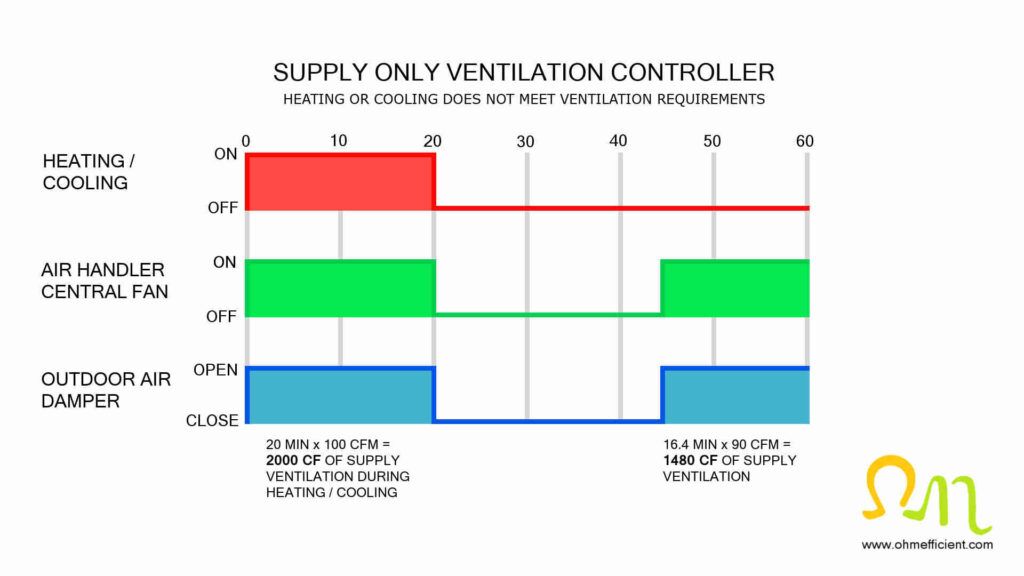
- Supply Ventilation:It pushes fresh air into your home, forcing out stale air through vents or openings. This is useful if your home is very tight and doesn’t allow much natural air leakage.
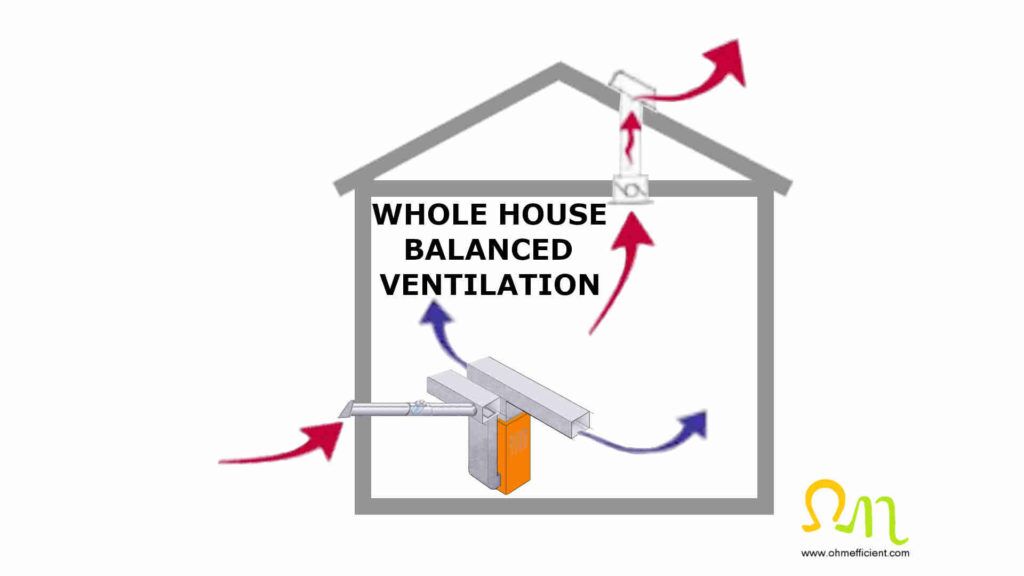
- Balanced Ventilation:This system both supplies and exhausts air at equal rates, keeping indoor pressure neutral. Heat Recovery Ventilators (HRVs) and Energy Recovery Ventilators (ERVs) are common balanced systems.
Have you checked what type of ventilation your home currently uses? Understanding this can help you choose the right size and system to improve your indoor air quality effectively.
Credit: ohmefficient.com
Key Factors To Consider
Calculating the right size for whole house ventilation isn’t just about picking a number from a chart. You need to think about different factors that affect air flow and quality. These key factors help you find a balance between efficiency and comfort in your home.
House Size And Layout
The total square footage of your home is the starting point. Larger homes need more ventilation, but layout matters just as much. Open floor plans allow air to circulate more freely, while multiple rooms and floors might require stronger ventilation systems to reach every corner.
Think about how your home is built. Are there many closed-off spaces or large windows? These details affect how air moves and where fresh air is needed most. You might need to adjust ventilation size based on these factors.
Occupant Load
The number of people living in your home directly impacts the amount of fresh air required. More occupants produce more moisture, odors, and indoor pollutants that ventilation must handle. It’s not just about counting heads; consider how often guests visit or if you work from home.
For example, a family of five will need more ventilation than a single person living alone, even in a similarly sized house. Have you noticed how quickly air feels stale when many people gather in one room? That’s a clear sign ventilation needs to keep up.
Local Climate Impact
Your local weather conditions influence ventilation needs significantly. Homes in humid climates need ventilation that can reduce moisture build-up, preventing mold and mildew. In colder regions, ventilation must balance air quality without losing too much heat.
Dry climates may require less ventilation to maintain comfort but still need fresh air to remove dust and allergens. Ask yourself how your ventilation system could handle extreme weather changes. Is it flexible enough to adapt to summer heat and winter cold?
Ventilation Rate Standards
Understanding ventilation rate standards is essential when calculating the size of your whole house ventilation system. These standards set clear guidelines on how much fresh air your home needs to maintain good indoor air quality and comfort. Without following these benchmarks, you risk under-ventilating or over-ventilating, both of which can cause problems.
Ashrae Guidelines
The American Society of Heating, Refrigerating and Air-Conditioning Engineers (ASHRAE) provides one of the most widely accepted sets of ventilation standards. Their Standard 62.2 outlines the minimum ventilation rates for residential buildings based on square footage and the number of occupants.
For instance, ASHRAE recommends a base ventilation rate of 7.5 cubic feet per minute (CFM) per person plus 0.01 CFM per square foot of living space. This formula helps you calculate the exact airflow needed to keep your home’s air fresh and healthy.
Have you measured your home’s square footage and occupant count yet? Using these numbers with ASHRAE’s formula gives you a practical starting point for sizing your ventilation system correctly.
Building Code Requirements
Local building codes often adopt or modify ventilation standards to fit regional climate and health considerations. These codes legally require you to meet specific ventilation rates when constructing or renovating your home.
For example, some codes might require continuous ventilation at a set rate or intermittent ventilation cycles to save energy. Checking your local code is crucial because failing to comply can lead to costly fines or the need for system adjustments later.
Have you checked what your local building code says about ventilation? This step ensures your system not only performs well but also passes inspections without hassle.
Step 1: Measure Your Home
Understanding how to properly calculate whole house ventilation is crucial for maintaining a healthy indoor environment. The first task is to accurately measure your home. This ensures that the ventilation system you choose is neither too weak nor too powerful for your needs. Let’s dive into how you can do this effectively.
Calculating Square Footage
Start by calculating the square footage of your home. Grab a tape measure and note down the length and width of each room. Don’t forget to include hallways and other connected spaces.
Multiply the length by the width for each room to get its square footage. Add all these numbers together to find the total square footage of your home. This step is crucial because the ventilation system will be based on this total area.
Determining Ceiling Height
Once you have the square footage, the next step is to determine the ceiling height. Measure the distance from the floor to the ceiling in each room. This is often overlooked but is essential for calculating air volume.
Most homes have standard ceiling heights, but some might have variations in certain areas. If your home has different ceiling heights, calculate the average by adding all the heights together and dividing by the number of rooms. Knowing the average ceiling height helps tailor the ventilation system to your specific home dimensions.
Taking these measurements might seem tedious, but they are vital for the comfort and health of your living space. Have you ever wondered how much fresh air your home really needs? Accurate measurements lay the groundwork for effective ventilation, ensuring a balanced and healthy indoor environment.
Step 2: Calculate Air Changes Per Hour
Calculating the air changes per hour (ACH) is vital for sizing whole house ventilation. ACH measures how often the air inside a home is replaced with fresh air each hour. This value helps ensure the ventilation system provides enough airflow to keep indoor air healthy and comfortable.
Understanding ACH allows you to balance energy use and air quality. Too low ACH means stale air and poor indoor conditions. Too high ACH wastes energy and may cause drafts. Finding the right ACH sets the foundation for proper ventilation sizing.
What Are Air Changes Per Hour?
Air changes per hour (ACH) is the number of times the air in a space is fully replaced every hour. It shows how quickly fresh air enters and stale air leaves the home. ACH depends on the volume of the house and the airflow rate of the ventilation system.
To calculate ACH, use this formula:
| ACH | = | CFM × 60 / Volume |
|---|---|---|
| Air Changes Per Hour | Cubic Feet per Minute × 60 / Cubic Feet of Space |
Where:
- CFM = airflow in cubic feet per minute
- Volume = floor area × ceiling height (cubic feet)
Using Ach For Ventilation Sizing
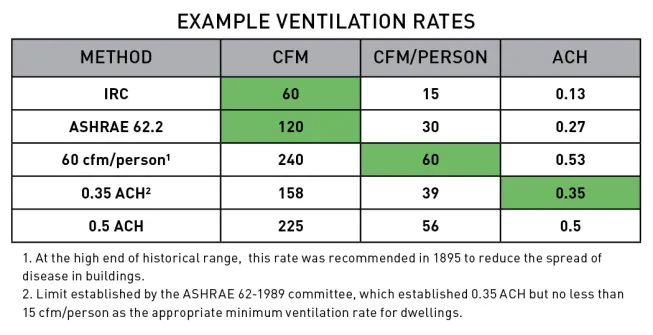
Determine your home’s volume by multiplying floor area by ceiling height. Next, decide the target ACH based on building codes or comfort needs. Common ACH values for whole house ventilation range from 0.35 to 1.0.
Multiply the home’s volume by the target ACH. Divide the result by 60 to find the required CFM. This CFM is the airflow your ventilation system must provide to meet air quality goals.
- Calculate volume: length × width × height
- Choose ACH value (e.g., 0.35 for tight homes)
- Required CFM = (Volume × ACH) / 60
Use this CFM value to size fans and ducts. Proper sizing ensures fresh air circulates without wasting energy. ACH helps create a healthy, energy-efficient home environment.
Credit: www.jlconline.com
Step 3: Determine Required Cfm
Determining the required CFM (Cubic Feet per Minute) is crucial for sizing your whole house ventilation system correctly. If you get this number wrong, your system might either waste energy or fail to ventilate your home properly. Let’s break down what CFM means and how you can calculate the right amount for your space.
Cfm Definition And Importance
CFM stands for Cubic Feet per Minute. It measures the volume of air moved by your ventilation system every minute.
Why does this matter? Because your home needs a certain amount of fresh air to stay healthy and comfortable. Too low a CFM, and stale air lingers inside. Too high, and you might waste energy or create drafts.
Think about it like this: if you’ve ever tried to cool a room with a small fan, you know it just doesn’t move enough air. The right CFM ensures your ventilation system works efficiently without overdoing it.
Formula For Cfm Calculation
Calculating the required CFM is straightforward once you know your home’s size and ventilation needs.
The general formula is:
| Variable | Description |
|---|---|
| CFM | Required airflow in cubic feet per minute |
| Volume | Home’s total volume in cubic feet (length × width × height) |
| ACH | Air Changes per Hour, the number of times air should be replaced per hour |
Here’s how it works:
- First, measure your home’s volume by multiplying its length, width, and ceiling height.
- Decide on the ACH value. For most homes, 0.35 ACH is recommended, meaning the air is replaced about every three hours.
- Plug these numbers into the formula to find your required CFM.
Have you checked your home’s volume yet? Getting this number right can save you money and improve indoor air quality.
Step 4: Choose Ventilation System
Choosing the right ventilation system is crucial for maintaining healthy air quality and energy efficiency in your home. The system you select should match the size of your house, your climate, and your lifestyle. Let’s look at the main options and important considerations to help you make an informed decision.
Mechanical Ventilation Options
Mechanical ventilation uses fans and ducts to control airflow. It offers precise control over the amount of fresh air entering your home. This is especially important if your home is tightly sealed for energy efficiency.
- Exhaust-only systems:These remove stale air from your home but rely on natural air leaks for fresh air intake. They are simple and cost-effective but can cause drafts.
- Supply-only systems:These push fresh air into your home, forcing stale air out through leaks or vents. They help control humidity better in dry climates.
- Balanced systems:These supply and exhaust air at equal rates, often with heat recovery ventilators (HRVs) or energy recovery ventilators (ERVs). They save energy and keep indoor air fresh and comfortable.
Think about how much control you want and whether energy savings matter most to you. Have you noticed areas in your home that feel stuffy or damp? Mechanical systems can target those specific problems effectively.
Natural Ventilation Considerations
Natural ventilation relies on windows, vents, and building design to move air. It’s low-cost and uses no electricity, but it depends heavily on weather and your home’s layout.
- Make sure your windows and vents are positioned to allow cross-ventilation.
- Consider if your climate supports regular breezes or if stagnant air is common.
- Remember that natural ventilation may not be enough in very airtight homes or areas with high pollution.
Have you ever opened windows only to find the air inside didn’t improve? That’s a sign natural ventilation isn’t sufficient alone. Combining natural and mechanical options might be the best approach for your situation.
Step 5: Adjust For Energy Efficiency
Adjusting your whole house ventilation size for energy efficiency is crucial. Proper sizing isn’t just about airflow; it’s about managing energy costs and maintaining comfort. If you overlook energy efficiency, you could end up with higher utility bills or an uncomfortable home environment.
Heat Recovery Ventilators
Heat Recovery Ventilators (HRVs) are game changers for energy-efficient ventilation. They transfer heat between incoming and outgoing air, so your home doesn’t lose warmth in winter or coolness in summer.
Installing an HRV means you can increase ventilation without skyrocketing your energy bills. Think about the last time you opened a window to let in fresh air but felt a chill right after—that’s what HRVs help prevent.
Balancing Ventilation And Energy Use
Finding the right balance between ventilation and energy use starts with understanding your home’s needs. Too little ventilation affects air quality, but too much wastes energy.
Ask yourself: how much fresh air does your home really need? Using programmable ventilation controls or demand-controlled ventilation can help adjust airflow based on occupancy or air quality.
- Set ventilation rates to meet, not exceed, recommended standards.
- Consider local climate when choosing ventilation size and type.
- Regularly maintain your ventilation system to keep it running efficiently.
Have you ever thought about how much energy your ventilation system consumes daily? Small tweaks can lead to noticeable savings, making your home healthier and your wallet happier.
Common Mistakes To Avoid
Misjudging airflow needs leads to poor ventilation and wasted energy. Ignoring room sizes or occupancy causes incorrect calculations. Always consider fresh air requirements and avoid relying on guesswork.
Calculating the right size for whole house ventilation is crucial. Many homeowners make common mistakes. These errors can lead to inefficiency and discomfort. Understanding these pitfalls helps ensure proper ventilation.Oversizing Or Undersizing
Choosing the wrong size is a frequent mistake. Oversizing can waste energy. It might also increase costs unnecessarily. Undersizing fails to provide adequate airflow. This results in poor indoor air quality. It’s vital to balance the size. Use accurate measurements and calculations. Consult a professional if unsure. Proper sizing ensures optimal performance and comfort.Ignoring Local Regulations
Neglecting local regulations is another common error. Each area has specific ventilation codes. These rules ensure safety and efficiency. Ignoring them may lead to legal issues. It can also compromise indoor air quality. Always check local guidelines before installation. Adhering to these rules is essential. It ensures compliance and effectiveness. Make sure to review any updates or changes.
Credit: www.arcsite.com
Tools And Resources
Choosing the right size for whole house ventilation requires accurate calculations. Various tools and resources simplify this task. They help estimate airflow needs based on home size and conditions. Using these options ensures efficient ventilation and better air quality.
Online Calculators
Online calculators provide quick estimates for ventilation size. They ask for simple data like home area and ceiling height. Some tools include:
- Ventilation rate calculators based on square footage.
- Energy-efficient ventilation sizing tools.
- Interactive forms with instant results.
These calculators save time and reduce guesswork. They follow industry standards for ventilation requirements.
Professional Consultation
Experts offer tailored advice for ventilation sizing. HVAC professionals assess your home’s unique needs. They consider factors like:
- House layout and insulation.
- Local climate and air quality.
- Occupant lifestyle and preferences.
Consulting a professional ensures correct system design. It prevents over- or under-ventilation issues. Professionals can also recommend suitable products and installation methods.
Frequently Asked Questions
What Is Whole House Ventilation Size?
Whole house ventilation size refers to the airflow rate needed to replace indoor air. It is measured in cubic feet per minute (CFM). Proper sizing ensures good air quality and energy efficiency.
How Do I Calculate Ventilation Size?
Calculate ventilation size by multiplying your home’s volume by the air change rate. The formula is: CFM = (Volume × Air Changes per Hour) ÷ 60. This ensures adequate air exchange for comfort and health.
Why Is Ventilation Size Important?
Ventilation size controls indoor air quality and moisture levels. Proper size prevents mold, odors, and pollutants. It also improves comfort and energy savings.
What Factors Affect Ventilation Sizing?
Factors include home size, occupancy, climate, and indoor pollution sources. Larger homes or higher occupancy require more ventilation. Climate impacts how much fresh air is needed.
Conclusion
Calculating whole house ventilation size helps keep your home fresh and healthy. Proper sizing ensures good air flow and reduces moisture problems. Use room sizes and air changes per hour to find the right amount. This simple step improves comfort and saves energy.
Regular ventilation keeps indoor air clean and safe. Always check local guidelines for best results. A well-ventilated home feels better and lasts longer. Start with these basics to breathe easier every day.



