
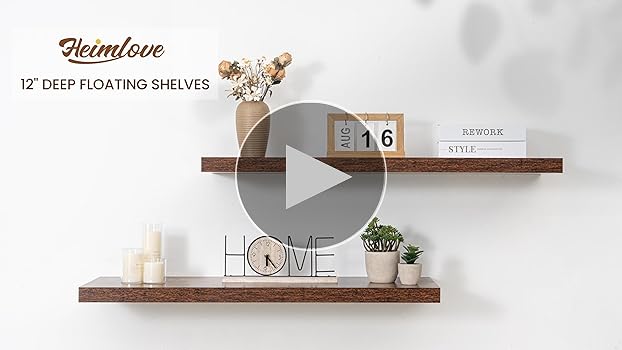
Are you planning to add a floating shelf but unsure about how deep it should be? Choosing the right depth can make all the difference between a stylish, functional space and a cluttered, awkward one.
You want your shelf to hold your favorite items securely without taking up too much room. You’ll discover the perfect floating shelf depth for your needs, practical tips to maximize space, and smart design ideas that fit your style. Keep reading to find out how to get the balance just right and transform your space effortlessly.
Ideal Depths For Floating Shelves
Choosing the right depth for floating shelves is key to their usefulness and look. Shelves too shallow might not hold much. Shelves too deep can overwhelm small spaces. The ideal depth depends on the shelf’s purpose and the room size. Finding the right balance creates shelves that fit well and serve well.
Standard Depth Measurements
Most floating shelves come in these common depths:
- 6 to 8 inches – Great for small decor or picture frames.
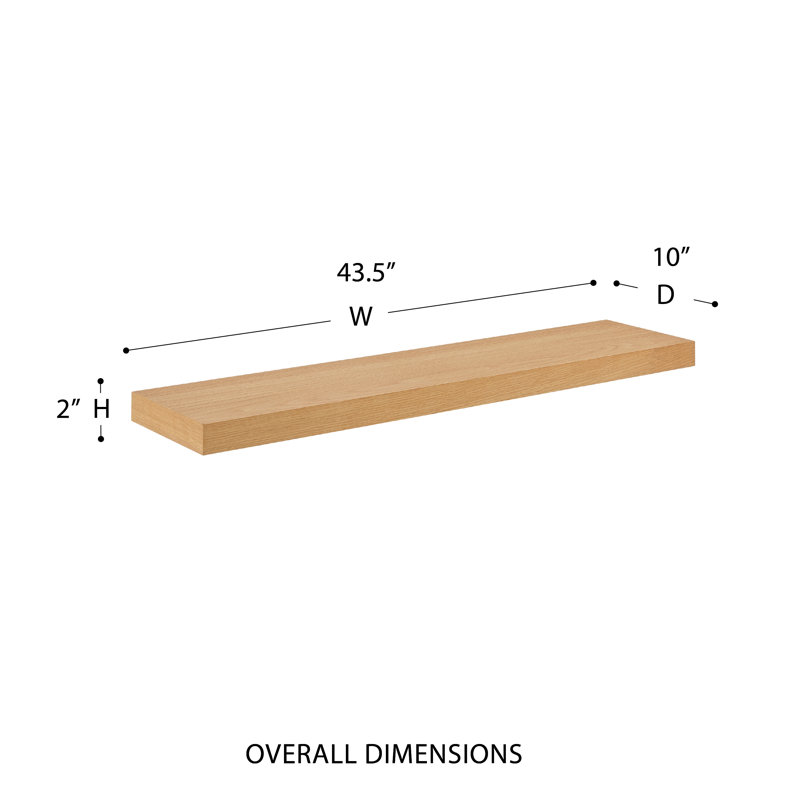
- 8 to 12 inches – Good for books and medium-sized items.
- 12 to 16 inches – Suitable for larger objects or storage baskets.
These sizes work well in many rooms. They keep shelves sturdy and functional.
Adjusting Depth For Room Size
Small rooms need shallower shelves. They save space and avoid clutter.
Larger rooms handle deeper shelves easily. They can hold bigger items.
Measure the wall space before choosing shelf depth. This helps prevent overcrowding.
Balancing Aesthetics And Functionality
Shelves must look good and hold what you need. Deep shelves can feel heavy visually.
Shallower shelves keep a clean, light look. They suit minimalist styles.
Think about what you will place on the shelf. Match depth to those items.
Credit: www.homedepot.com
Material Impact On Shelf Depth
The material you choose for your floating shelf greatly affects how deep it can safely be. Different materials have unique strengths and weaknesses that dictate the shelf’s thickness and the amount of weight it can hold at various depths. Understanding these factors helps you pick the right combination of depth and material for your specific needs.
Wood Types And Thickness
Wood is a popular choice for floating shelves because it balances strength and style. Hardwoods like oak and maple can support deeper shelves—up to 12 inches or more—without sagging. Softer woods such as pine might need to stay around 8 to 10 inches deep to maintain stability.
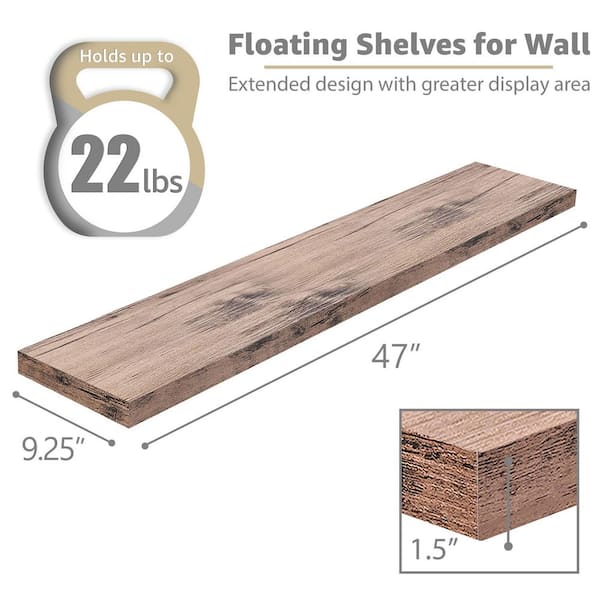
The thickness of the wood also matters. A thicker plank, say 1.5 inches or more, can handle greater depth and weight. I once installed a 14-inch deep oak shelf at home, and despite heavy books, it held up perfectly because the wood was thick and well-supported.
Metal Shelves And Support Limits
Metal shelves offer excellent strength, often allowing for deeper shelves than wood. Steel or aluminum can support depths beyond 12 inches without bending if properly anchored. However, the design of the mounting brackets plays a crucial role.
Thin metal sheets might look sleek but could flex if too deep or heavily loaded. Consider thicker metal or reinforced designs if you want a deep shelf that holds heavy items like tools or kitchenware. Have you checked how much your brackets can handle before picking metal shelves?
Glass Shelf Considerations
Glass shelves bring elegance but demand careful attention to depth and thickness. Tempered glass typically should not exceed 8 to 10 inches deep to avoid stress and potential breakage. Thickness usually ranges from 0.25 to 0.5 inches for safety.
Support points must be well spaced and sturdy, or you risk cracks under pressure. I experimented with a 10-inch deep glass shelf once, and it required extra brackets to stay stable. If you want a sleek look without sacrificing safety, weigh the pros and cons of deeper glass shelves carefully.
Weight Capacity And Depth
Weight capacity and depth are key factors for floating shelves. The deeper the shelf, the more stress it puts on the mounting system. This affects how much weight the shelf can safely hold. Understanding this helps in picking the right shelf size and support for your needs.
How Depth Affects Load Bearing
Deeper shelves extend farther from the wall. This creates more leverage, increasing the force on the brackets and wall anchors. Shelves that are too deep without proper support may sag or pull away from the wall. Generally, floating shelves up to 10 inches deep hold moderate weight well. Shelves deeper than 12 inches need stronger brackets and careful installation.
Choosing Brackets For Deeper Shelves
Brackets must match the shelf depth and weight. Heavy-duty metal brackets with multiple screw holes provide better support. Some brackets are hidden inside the shelf, designed for deeper installations. Use longer screws and anchors rated for your wall type. Reinforced steel brackets or double brackets improve stability for wide or heavy shelves.
Safety Tips For Heavy Items
- Check the wall type before mounting. Drywall needs anchors or studs.
- Distribute weight evenly across the shelf.
- Do not overload the shelf beyond the bracket’s limit.
- Regularly check for signs of sagging or loose fittings.
- Use shelves with thicker boards for extra strength.
Credit: www.allmodern.com
Shelf Depth For Different Uses
When choosing a floating shelf, one of the most crucial considerations is its depth. The depth of a shelf can significantly influence its functionality and aesthetic appeal. Different uses require different depths to ensure stability and practicality.
Books And Media Storage
For storing books and media, a shelf depth of 10 to 12 inches is typically ideal. This depth can comfortably accommodate most books and DVD cases. If you’re a book lover, you might relate to the frustration of books jutting out from a too-shallow shelf. A deeper shelf provides the sturdiness needed to keep your collection organized and accessible. Consider the weight of your items too, as deeper shelves can support heavier loads.
Decorative Display Needs
When it comes to showcasing decorative items, a shallower shelf often works best. A depth of 6 to 8 inches allows your collectibles to stand out without overwhelming the space. Have you ever tried to display a family photo on a deep shelf, only to find it dwarfed by the space around it? A shallow depth ensures that your decorative pieces remain the focal point of the shelf. It also prevents the shelf from becoming a cluttered storage area.
Kitchen And Bathroom Shelves
In kitchens and bathrooms, shelf depth plays a critical role in functionality. A depth of 10 to 15 inches is generally recommended for kitchen shelves to hold plates, bowls, and pantry items. Imagine reaching for a spice jar on a narrow shelf and having everything topple over. A deeper shelf provides the stability needed for everyday kitchen essentials.
In bathrooms, a depth of 8 to 10 inches is often sufficient to hold toiletries and towels. Consider how convenient it would be to have your everyday items within arm’s reach without taking up too much space. This depth strikes the perfect balance between accessibility and space optimization.
Choosing the right shelf depth can transform your space from cluttered chaos to organized oasis. What will you prioritize in your home’s shelving solutions?
Installation Tips For Deep Floating Shelves
Installing deep floating shelves can transform your space, but they require careful attention to support and alignment. The deeper the shelf, the more weight it must hold, making proper installation crucial. Here are some practical tips to help you secure your shelves safely and keep them looking great.
Wall Anchors And Stud Placement
Deep shelves put extra pressure on the wall, so finding the right support points is essential. Use a stud finder to locate wall studs, as these provide the strongest hold. If your studs don’t line up with where you want the shelves, invest in heavy-duty wall anchors rated for the weight you plan to place on the shelf.
Keep in mind that not all anchors are created equal—toggle bolts or molly bolts work best for drywall when studs aren’t available. Avoid using plastic expansion anchors for deep shelves, as they can fail under heavy loads. Remember, the deeper the shelf, the more leverage it applies, so secure fastening is non-negotiable.
Ensuring Level And Stability
Even a small tilt can make deep shelves look awkward and unstable. Use a reliable level during installation to get a perfectly horizontal shelf. Double-check the level both before and after drilling to avoid surprises.
If you’re mounting multiple shelves, measure the height carefully for consistent spacing. Stability also depends on how well the brackets or mounting hardware are installed. Tighten all screws firmly but avoid overtightening, which can damage the wall or shelf.
Common Installation Mistakes
One frequent mistake is underestimating the shelf’s load capacity. Deep shelves often hold heavier items, so always check the manufacturer’s recommendations. Another error is ignoring the wall material—drywall, plaster, and concrete require different anchors and techniques.
Many people skip the step of pre-drilling holes, which can cause cracking or misalignment. Taking your time with measurements and preparations can save you headaches later. Have you ever installed a shelf only to find it sagging or pulling away? Avoid that by following these straightforward tips.

Credit: shelfology.com
Customizing Shelf Depth
Customizing the depth of your floating shelves can transform a simple storage solution into a perfect fit for your space and style. The depth you choose affects both the shelf’s functionality and its visual impact in the room. Taking the time to tailor this measurement ensures your shelves won’t just hold items—they’ll enhance your entire room.
Measuring Space Accurately
Before selecting shelf depth, measure the wall space carefully. Use a tape measure to check the width and height where the shelf will go, but also consider how far the shelf should stick out. Think about what you want to place on the shelf—will books, plants, or decorative items fit comfortably without crowding or looking awkward?
Don’t forget to measure the clearance around the shelf. For example, if your shelf is near a doorway or walkway, too much depth might obstruct movement. Taking these extra seconds to measure precisely saves you from buying shelves that don’t fit well or look out of place.
Diy Vs Professional Custom Shelves
Deciding between making your own shelves or hiring a professional depends on your skills and the complexity of your design. DIY shelves let you control every detail, including the depth, and can be rewarding if you enjoy hands-on projects. However, mistakes in cutting or mounting can waste materials and time.
Professionals bring experience that ensures perfect measurements and sturdy installation. They can suggest shelf depths you might not have considered, based on your room’s layout. Ask yourself: is your time better spent on other tasks, or do you want the satisfaction of a DIY project?
Incorporating Shelf Depth With Room Design
Think about how the shelf depth complements your furniture and room size. Narrow shelves work well in tight spaces or above desks, while deeper shelves can hold larger items and act as statement pieces. Matching shelf depth with nearby furniture, like couches or cabinets, creates a harmonious look.
Also, consider the style—minimalist rooms often benefit from shallow shelves to keep a clean feel. In contrast, eclectic spaces can handle bolder, deeper shelves filled with books and decor. How will your shelf depth choice influence the flow and feel of your room?
Frequently Asked Questions
How Deep Should A Floating Shelf Be?
A floating shelf depth typically ranges from 6 to 12 inches. Depth depends on its intended use and wall space. Shallow shelves suit decorative items, while deeper shelves hold books or heavier objects. Choose a depth that balances aesthetics and functionality for your room.
Can Floating Shelves Be Deeper Than 12 Inches?
Yes, floating shelves can be deeper than 12 inches, but it requires stronger brackets. Deeper shelves need solid wall anchors and quality materials to support weight safely. Ensure proper installation to prevent sagging or accidents with deeper floating shelves.
What Is The Ideal Depth For Kitchen Floating Shelves?
Kitchen floating shelves ideally have a depth of 10 to 12 inches. This size accommodates dishes, glasses, and spices while maintaining easy access. It balances storage needs without overpowering kitchen space or blocking views.
How Does Shelf Depth Affect Weight Capacity?
Deeper floating shelves can hold more weight if properly supported. However, increased depth means greater leverage against the wall. Proper mounting hardware and stud placement are crucial to safely support heavier loads on deeper shelves.
Conclusion
Choosing the right depth for a floating shelf depends on its use. Narrow shelves suit small items and tight spaces. Deeper shelves hold larger objects but need strong support. Think about what you want to display or store. Balance style and function for the best result.
A well-chosen shelf depth keeps your space neat and attractive. Keep these points in mind when planning your shelf. Your room will feel more organized and inviting. Simple choices make a big difference in your home.



