
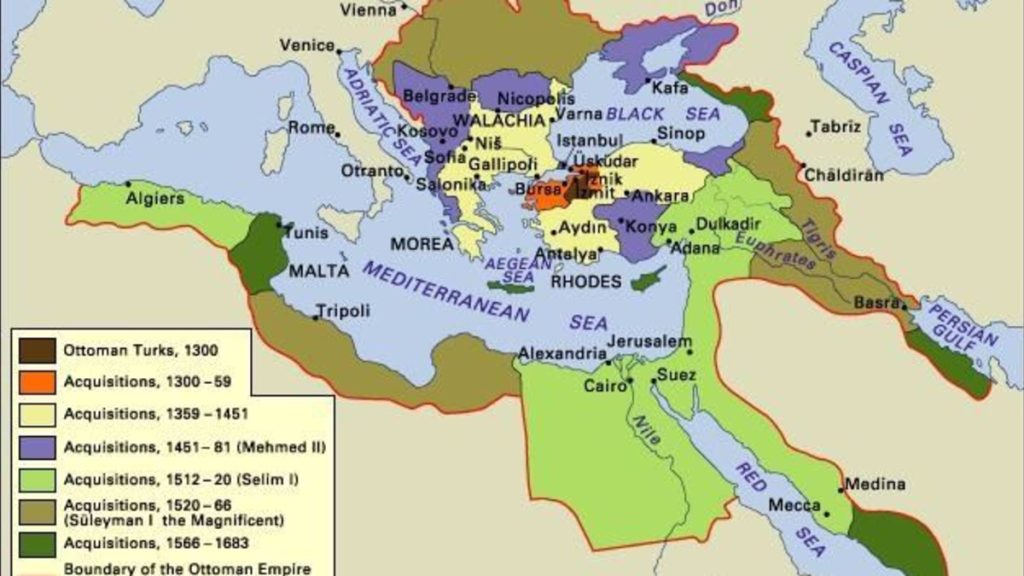
Have you ever wondered how one of history’s greatest empires came to an end? The Ottoman Empire ruled vast lands for over 600 years, shaping cultures and changing the course of history.
But what led to its fall? Understanding this story can give you a clearer picture of how powerful forces like politics, war, and change impact the world around you. Keep reading to discover the key events and decisions that brought down the Ottoman Empire—and why it still matters to your world today.
Credit: www.youtube.com
Rise And Peak Of The Ottoman Empire
The rise and peak of the Ottoman Empire marked a significant chapter in world history. It began as a small Turkish principality in the late 13th century. Over centuries, it grew into a vast and powerful empire. This growth came through military conquest, skilled leadership, and effective governance. The empire’s golden age showcased its influence across three continents.
Expansion And Golden Age
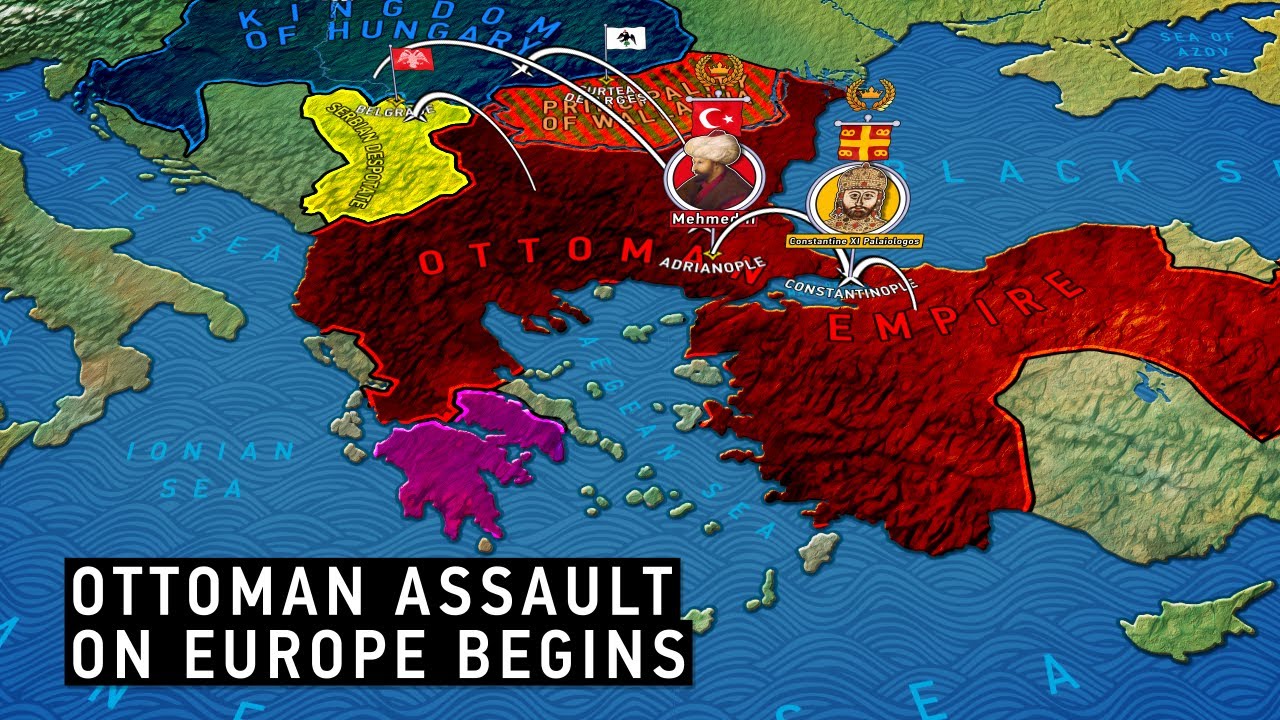
The Ottoman Empire expanded rapidly under strong sultans. They conquered lands in Europe, Asia, and Africa. Key cities like Constantinople fell in 1453, becoming Istanbul. This victory opened new trade routes and cultural exchanges. The empire reached its largest size under Suleiman the Magnificent.
During the golden age, arts, architecture, and science flourished. Istanbul became a vibrant center for learning and culture. Mosques, palaces, and public buildings reflected the empire’s wealth. The economy thrived thanks to control over key trade paths.
Political And Military Strength
The empire’s political system balanced power between the sultan and his advisors. A strong bureaucracy helped manage diverse peoples and lands. The legal code combined Islamic law with local traditions.
Military strength was key to the empire’s success. The elite Janissary corps formed a disciplined and loyal army. Naval power expanded Ottoman influence across the Mediterranean and Red Seas. This military might protected the empire and supported further expansion.
Internal Challenges And Decline
The decline of the Ottoman Empire was not caused by a single event but was the result of numerous internal challenges that slowly eroded its strength. These issues affected the empire’s ability to govern, maintain its economy, and manage the diverse populations under its rule. Understanding these internal difficulties helps you see how a once-powerful empire could falter from within.
Economic Difficulties
The Ottoman economy struggled under the weight of heavy military spending and outdated trade practices. As European powers discovered new trade routes, the empire’s traditional control over key markets weakened significantly.
Inflation and a declining tax base made it difficult to fund necessary reforms. If you’ve ever managed a budget that keeps shrinking despite rising expenses, you can imagine how tough this situation was for Ottoman leaders.
Administrative Corruption
Corruption became deeply entrenched within the Ottoman bureaucracy. Officials often prioritized personal gain over effective governance, leading to inefficiency and loss of trust among the people.
This corruption slowed down decision-making and weakened the central authority, making it easier for local leaders to act independently. When those in power stop caring about their duties, how can an empire expect to stay united?
Social And Ethnic Tensions
The empire was home to many different ethnic and religious groups, each with its own interests and grievances. Over time, these groups began demanding more autonomy or outright independence.
Failing to address these tensions led to uprisings and internal conflicts that drained resources and attention. Have you ever experienced a team where members stopped working together? The Ottoman Empire faced a similar challenge but on a much larger scale.
External Pressures And Conflicts
The decline of the Ottoman Empire was a complex process, influenced significantly by external pressures and conflicts. These pressures were not only military but also political and economic, leading to a gradual weakening of the empire’s hold over its vast territories. Understanding how these external factors played a role offers a compelling look into the challenges that led to the empire’s eventual collapse.
Wars With European Powers
The Ottoman Empire faced numerous conflicts with European powers, each war chipping away at its strength. The Russo-Turkish Wars were particularly damaging, as Russia sought to expand its influence in the Balkans. The Crimean War further drained resources and highlighted the empire’s military vulnerabilities.
Did you know that the empire’s involvement in World War I was a critical blow? Aligning with the Central Powers, the Ottomans found themselves on the losing side, which led to severe territorial losses. It’s intriguing to consider how these conflicts reshaped the political landscape of the region.
Loss Of Territories
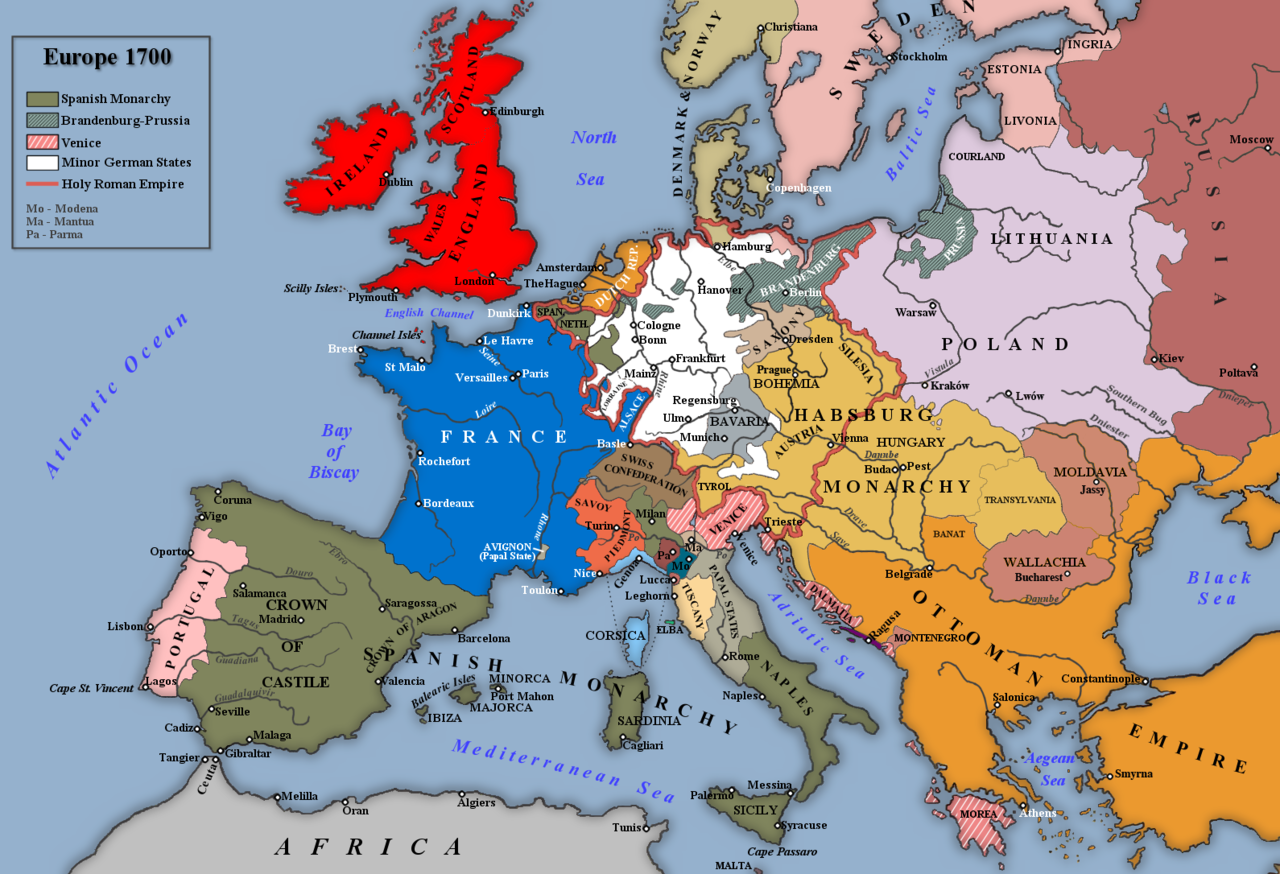
The gradual loss of territories marked the decline of the Ottoman Empire. The Balkan Wars were a devastating blow, resulting in the loss of nearly all its European possessions. This loss not only diminished the empire’s size but also its influence in European affairs.
Imagine witnessing the shrinking borders of a once expansive empire. The Treaty of Sèvres further dismembered the empire, partitioning its lands among the victorious Allied Powers. These territorial losses were not just geographical but also a blow to the empire’s prestige.
Impact Of Nationalism
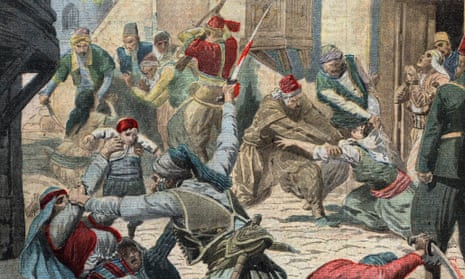
Nationalism played a pivotal role in the empire’s decline. Various ethnic groups within the Ottoman Empire sought independence, fueled by nationalist sentiments. The rise of national consciousness among these groups led to internal strife and further weakened the empire.
Have you ever wondered how a diverse empire manages so many ethnic identities? The challenge became evident as Armenians, Arabs, and other groups pushed for autonomy or independence. This internal pressure, combined with external conflicts, accelerated the empire’s disintegration.
As you reflect on the Ottoman Empire’s decline, what lessons can you draw about managing diversity and external pressures? The story of the Ottoman Empire is not just history; it’s a lesson in resilience and adaptation in the face of overwhelming challenges.
Credit: owlcation.com
World War I And Its Aftermath
The final chapter of the Ottoman Empire was heavily shaped by World War I and what followed. This period tested the empire’s resilience as it faced shifting alliances, military losses, and harsh peace terms. Understanding these events helps you grasp how a centuries-old empire unraveled in just a few years.
Alliance With Central Powers
The Ottoman Empire chose to side with the Central Powers, which included Germany and Austria-Hungary. This alliance was risky but seemed necessary to regain lost territories and protect its weakening position. However, it also dragged the empire into a wider conflict far beyond its borders.
By joining this alliance, the Ottomans hoped to reverse their decline. Yet, this decision meant fighting against powerful Allied forces like Britain, France, and Russia. You might wonder if a different alliance could have changed the empire’s fate.
Military Defeats And Occupation
The empire’s military struggled on multiple fronts. Battles such as Gallipoli showed moments of strong resistance, but overall, the Ottomans faced significant defeats. These losses led to the occupation of key Ottoman cities by Allied forces.
This occupation not only damaged the empire’s control but also crushed the morale of its people. Many civilians faced hardships, and the empire’s infrastructure suffered greatly. Could better military planning or alliances have prevented this occupation?
Treaty Of Sèvres And Its Consequences
After the war, the Treaty of Sèvres was imposed in 1920, carving up Ottoman lands among victorious powers. The treaty stripped the empire of much of its territory, leaving it fragmented and weakened. This treaty sparked outrage and resistance among Turks.
The harsh terms led directly to the Turkish War of Independence, as people fought to reclaim their sovereignty. If you think about it, the treaty’s severity was a catalyst for the birth of modern Turkey. How do you see this treaty shaping the region’s future?
Rise Of Turkish Nationalism
The rise of Turkish nationalism marked a turning point in the final years of the Ottoman Empire. It fueled a powerful movement focused on unifying Turkish people and establishing sovereignty over their homeland. This shift reshaped the region’s political landscape and set the stage for the empire’s transformation into a modern nation-state.
Mustafa Kemal Atatürk’s Leadership
Mustafa Kemal Atatürk emerged as the central figure driving Turkish nationalism. His vision for a secular, independent Turkey inspired many who were disillusioned with the empire’s decline. Atatürk’s ability to organize and motivate people gave the nationalist movement a clear direction and strong momentum.
His leadership was not just about military strategy but also about creating a new identity for the Turkish people. You might wonder how one leader can change the course of history so dramatically—Atatürk’s focus on education, reform, and national pride played a huge role in this transformation.
War Of Independence
The War of Independence was a critical moment that tested the strength of Turkish nationalism. Turkish forces fought against occupying powers trying to divide their land after World War I. This conflict united diverse groups under a shared cause: defending their homeland and reclaiming sovereignty.
During the war, ordinary citizens became soldiers, and local leaders stepped up to support the nationalist cause. This widespread involvement showed how deep the desire for independence ran among the people. It also raised the question: what drives a community to stand together against overwhelming odds?
Foundation Of The Republic Of Turkey
Following victory in the War of Independence, the nationalist movement led to the foundation of the Republic of Turkey in 1923. This new republic replaced the Ottoman monarchy and embraced secularism, modernization, and national unity. The change was more than political—it was a cultural rebirth that reshaped daily life and governance.
The republic’s establishment gave people a fresh start and a chance to build a country based on new principles. You can see how nationalism here was not just about rejecting the past but about creating something better for future generations. How might your own sense of identity influence the changes you want to see in your community?
Legacy Of The Ottoman Empire’s Fall
The fall of the Ottoman Empire shaped the modern world in many ways. Its legacy still affects politics, culture, and society. Understanding this legacy helps us see the roots of many current issues in the Middle East and beyond.
Geopolitical Changes In The Middle East
The empire’s end redrew borders across the Middle East. New countries emerged from former Ottoman lands. These borders often ignored ethnic and religious groups.
This created tensions that persist today. The collapse led to the rise of Western influence in the region. It also sparked nationalist movements seeking independence and identity.
Cultural And Social Impacts
The Ottoman Empire was a melting pot of cultures and religions. Its fall disrupted traditional social systems and communities. Many people faced displacement and cultural loss.
Some Ottoman traditions and arts survived through local cultures. The empire’s diverse heritage still influences language, food, and customs. It remains a symbol of a rich, shared history.
Lessons From The Empire’s End
The empire’s collapse teaches valuable lessons about power and change. It shows how long-standing empires can fall due to internal weaknesses and external pressures.
Understanding these lessons helps in analyzing current global conflicts. It warns against ignoring cultural diversity and political tensions. The Ottoman Empire’s fall reminds us to respect history and its complexities.
Credit: www.theguardian.com
Frequently Asked Questions
What Triggered The Fall Of The Ottoman Empire?
The fall of the Ottoman Empire was triggered by military defeats, economic struggles, and internal reforms failing. World War I and nationalist movements accelerated its decline.
When Did The Ottoman Empire Officially End?
The Ottoman Empire officially ended in 1922 when Sultan Mehmed VI was deposed. The Republic of Turkey was established in 1923, marking the empire’s formal dissolution.
How Did World War I Impact The Ottoman Empire?
World War I weakened the Ottoman Empire severely. Defeat in the war led to occupation by Allied forces and loss of territories, hastening the empire’s collapse.
What Role Did Mustafa Kemal Atatürk Play In Ending The Empire?
Mustafa Kemal Atatürk led the Turkish War of Independence. He abolished the sultanate and established the Republic of Turkey, ending the Ottoman Empire’s rule.
Conclusion
The Ottoman Empire ended after centuries of power and change. War, politics, and new ideas shaped its fall. The empire could not keep up with modern times. Many countries gained independence from its rule. The world saw a new order rise from its end.
Studying this history helps us understand past empires. It reminds us how all great powers can fade. History is full of lessons about change and survival.



