
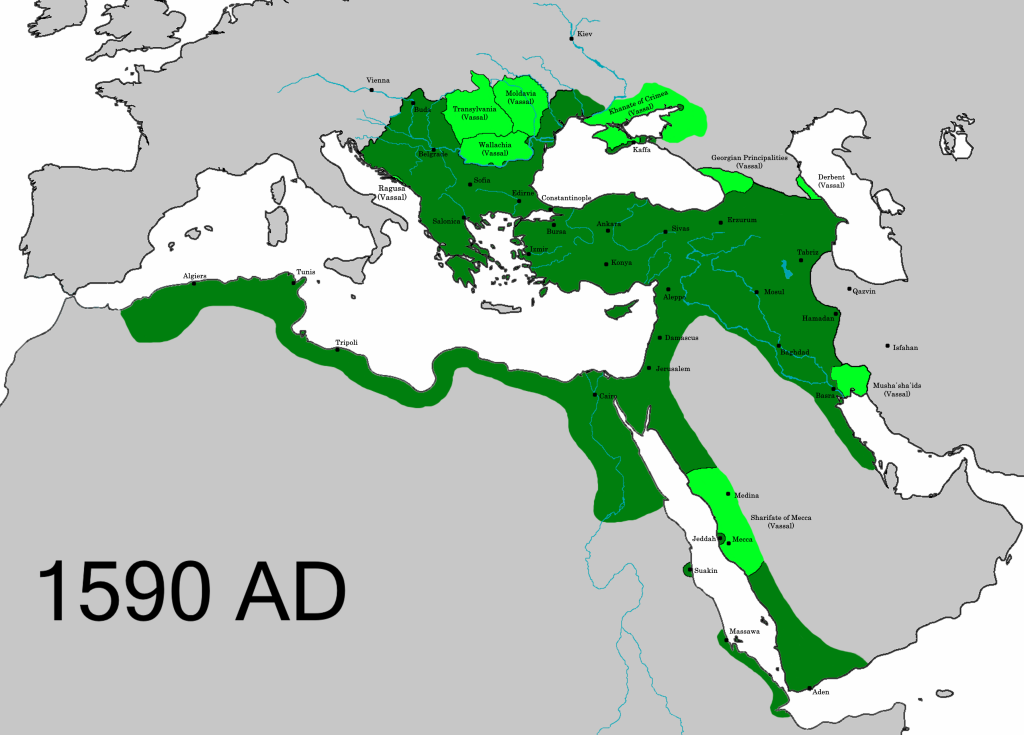
Have you ever wondered how a small group of people grew to control one of the largest empires in history? The rise of the Ottoman Empire is a story full of strategy, ambition, and unexpected twists.
Understanding how the Ottomans came to power can change the way you see history and even the world today. You’ll discover the key moments and decisions that helped shape their incredible journey. Ready to uncover the secrets behind their success?
Keep reading, and you’ll see history from a whole new perspective.

Credit: uk.news.yahoo.com
Early Ottoman Origins
The story of the Ottoman Empire’s rise begins in a small region but with a big impact. Understanding the early origins of the Ottomans helps you see how a modest tribal group transformed into a powerful empire. These roots offer insights into leadership, strategy, and the importance of adapting to changing circumstances.
Roots In Anatolia
The Ottomans originated in Anatolia, a land rich with cultural diversity and strategic importance. This area, now part of modern-day Turkey, was a crossroads between East and West. It was a place where different peoples, ideas, and religions met and often clashed, creating both challenges and opportunities.
The Ottomans took advantage of this environment by positioning themselves as protectors of Islam and unifiers of Turkic tribes. Did you know that their early location gave them access to vital trade routes? This helped them grow economically and politically, even in their early days.
Tribal Beginnings
The Ottoman state began as a small tribal principality led by Osman I, whose name inspired the empire’s title. These tribes were nomadic and skilled in horseback warfare. Their social structure was flexible, allowing them to absorb other groups and expand their influence.
Unlike rigid kingdoms, tribal groups like the Ottomans could adapt quickly to new threats or opportunities. This adaptability was a crucial factor in their survival and growth. Think about your own environment—how does your flexibility shape your success?
Role Of Ghazi Warriors
Ghazi warriors played a central role in the Ottomans’ early expansion. These fighters saw themselves as champions of Islam, engaging in raids and battles against non-Muslim neighbors. Their religious zeal combined with military skill helped the Ottomans gain territory and prestige.
The ghazis were not just warriors but symbols of a cause. Their actions attracted followers who wanted to be part of a meaningful mission. When you pursue a goal with passion and purpose, you inspire others to join you—just like the ghazi warriors did centuries ago.
Credit: www.youtube.com
Key Leaders And Their Impact
The rise of the Ottoman Empire owes much to its key leaders. Each ruler shaped the empire’s growth and strength. Their decisions and actions built the foundation for centuries of rule. Understanding these leaders helps explain the Ottoman power’s roots.
Osman I’s Leadership
Osman I founded the Ottoman state in the early 14th century. He united various Turkish tribes under one banner. Osman’s skill in diplomacy and warfare earned respect from neighbors. His leadership laid the empire’s first strong foundation. The name “Ottoman” comes from Osman’s own name.
Orhan’s Expansion
Orhan, Osman’s son, expanded the territory significantly. He captured key cities in northwest Anatolia. Orhan built a strong administrative system for the growing state. He established the first Ottoman capital at Bursa. His reign marked the shift from a small principality to a rising empire.
Murad I And Military Innovations
Murad I improved the Ottoman army with new tactics and troops. He introduced the Janissaries, an elite infantry force. Murad’s military reforms increased the empire’s power on the battlefield. He also extended Ottoman control into the Balkans. His leadership boosted the empire’s influence in Europe.
Military Strategies And Conquests
Strong leadership and smart alliances helped the Ottomans grow fast. Their use of new weapons and skilled soldiers gave them an edge in battles. Conquering key cities helped them control important trade routes and expand their empire.
The rise of the Ottoman Empire is a fascinating chapter in history. Their military strategies and conquests played a crucial role in their ascent to power. The Ottomans were adept at integrating new technologies and refining their tactics to dominate adversaries. Their success lay in their ability to adapt and innovate. Below, we explore some of their key military strategies.Use Of Cavalry And Infantry
The Ottoman military relied heavily on cavalry and infantry. Their cavalry, known as sipahis, were skilled horsemen. They were swift and agile on the battlefield. Infantry units, called janissaries, were well-trained and disciplined. The combination of cavalry and infantry allowed for versatile combat strategies. This blend enabled the Ottomans to respond effectively to different threats.Siege Techniques
Siege warfare was another strength of the Ottomans. They employed advanced techniques to break down fortifications. The use of large cannons was common in their sieges. These powerful weapons could breach thick walls with ease. The Ottomans also used tunnels to undermine enemy defenses. This method was effective in capturing fortified cities.Incorporation Of Gunpowder
The Ottomans were pioneers in using gunpowder in warfare. They integrated firearms into their military tactics. This gave them a significant edge over traditional armies. Cannons and muskets became part of their standard arsenal. The use of gunpowder transformed their approach to battles. It enabled them to conquer territories more efficiently.
Credit: en.wikipedia.org
Political And Administrative Growth
The rise of the Ottoman Empire was not just about military conquest; it was deeply rooted in their political and administrative growth. This growth allowed them to manage diverse lands and peoples effectively. By creating strong systems of governance, building a loyal military, and engaging diplomatically, the Ottomans set the foundation for a long-lasting empire.
Establishing Governance Systems
The Ottomans organized their empire with a clear and efficient governance structure. They divided the empire into provinces called “eyalets,” each ruled by a governor appointed by the sultan. This system ensured local issues were managed swiftly while maintaining central authority.
Additionally, the Ottomans developed a legal framework combining Islamic law with customary practices. This blend helped stabilize society and allowed diverse communities to coexist. How do you think balancing different laws helped maintain order in such a vast empire?
Role Of The Janissaries
The Janissaries were more than just soldiers; they were key players in the political structure. Originally enslaved youths converted to Islam, they became an elite military corps loyal directly to the sultan. This loyalty gave the sultan a powerful tool to enforce his rule and curb the influence of local leaders.
The Janissaries also influenced politics by participating in palace affairs and sometimes even in selecting the sultan. Their unique position made them both protectors and power brokers within the empire. Have you considered how having a military force tied closely to leadership can shape political stability?
Diplomatic Relations
The Ottomans skillfully used diplomacy to expand their influence without constant warfare. They formed alliances, negotiated trade agreements, and sometimes used marriage ties to secure peace with neighboring states. This approach helped them focus resources on internal development and strategic battles.
Moreover, the empire maintained diplomatic envoys in far-off courts, gathering intelligence and fostering trade links. This network of relations was crucial in making the Ottomans a major player on the global stage. What lessons can you draw about the power of diplomacy in building and maintaining an empire?
Economic Foundations
The economic strength of the Ottoman Empire played a key role in its rise to power. The Ottomans built a solid foundation by managing resources wisely and controlling important economic activities. This stable economic base allowed them to expand their influence and maintain a strong state.
Control Of Trade Routes
The Ottomans controlled key trade routes between Europe and Asia. These routes included land paths and sea lanes through the Mediterranean and Black Seas. By dominating these routes, they gained wealth through tolls and trade taxes. This control also helped them influence the flow of goods like silk, spices, and precious metals.
Agricultural Policies
Agriculture formed the backbone of the Ottoman economy. The state managed land through a system called the timar, where land was given to soldiers and officials in exchange for military service. This system ensured productive farming and steady food supplies. It also helped maintain social order by linking landowners to the central government.
Taxation And Revenue
The Ottomans established an efficient tax system to fund their government and army. Taxes were collected on land, trade, and non-Muslim communities. The revenue supported public projects, military campaigns, and the empire’s administration. This steady income was crucial for the empire’s long-term stability and growth.
Cultural And Religious Influence
The rise of the Ottoman Empire was deeply shaped by its cultural and religious values. These values helped unify diverse groups under one rule. The Ottomans built their power by blending strong Islamic identity with respect for other beliefs. Their support for arts and culture also played a key role. This created a rich society that attracted many to their cause.
Islamic Identity
The Ottomans saw themselves as defenders of Islam. Their rulers used Islamic law to govern fairly. Religion gave the empire a clear identity and purpose. This helped unite people from different backgrounds. The Sultan was seen as both a political and spiritual leader. This link strengthened loyalty and trust among subjects.
Religious Tolerance
The Ottomans allowed many religions to exist peacefully. Christians, Jews, and Muslims lived side by side. Each community could follow its own laws and traditions. This tolerance reduced conflict and encouraged cooperation. People felt safe and respected under Ottoman rule. This policy helped the empire grow stronger over time.
Patronage Of Arts
The Ottoman rulers loved art and culture. They supported poets, architects, and painters. Beautiful buildings and decorations showed their power and faith. Art helped spread Islamic ideas and Ottoman pride. This cultural richness attracted scholars and traders from far away. The empire became a center of learning and creativity.
Frequently Asked Questions
How Did The Ottoman Empire Begin Its Rise?
The Ottoman Empire began with Osman I’s leadership in the late 13th century. They expanded by conquering nearby Byzantine territories. Strong military tactics and strategic alliances fueled their growth.
What Strategies Helped The Ottomans Gain Power?
The Ottomans used military innovation, including elite Janissary troops. They also formed smart political alliances and embraced diverse cultures. These strategies strengthened their control and expanded their empire.
Who Was Osman I In Ottoman History?
Osman I was the founder of the Ottoman Empire. His leadership united Turkish tribes and established a strong base for expansion. He set the foundation for a powerful dynasty.
Why Was The Conquest Of Constantinople Important?
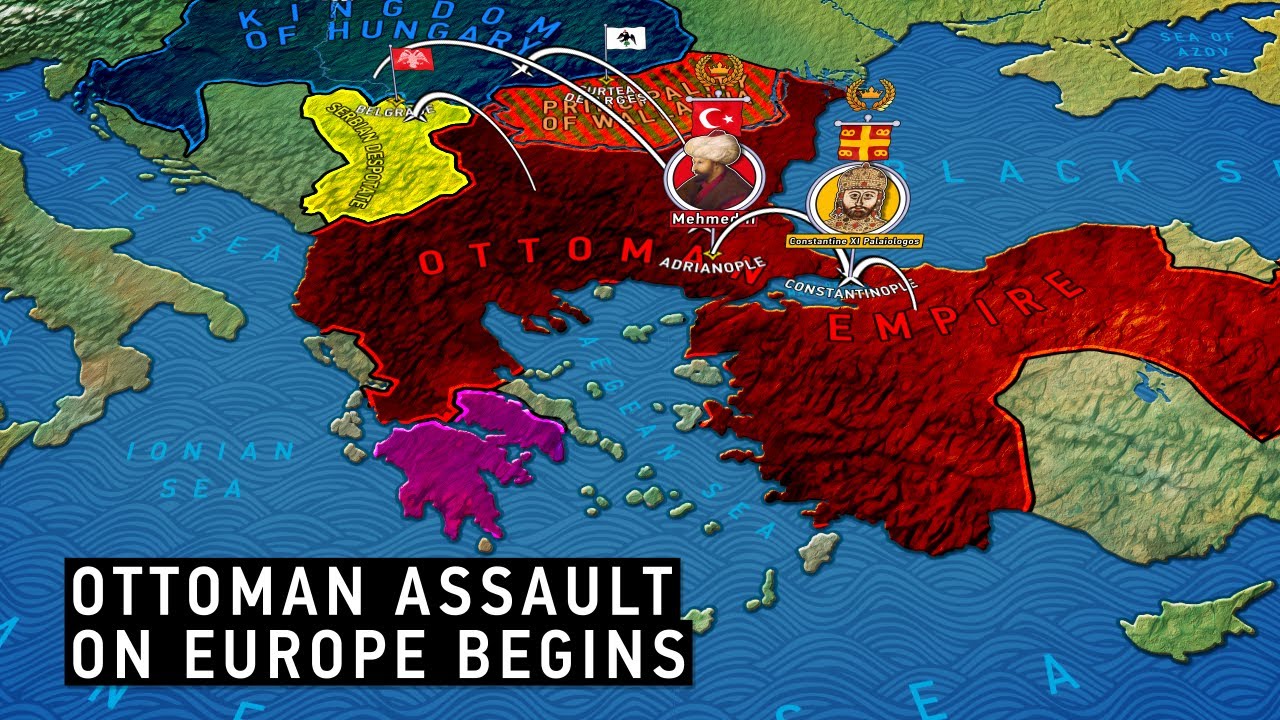
The conquest of Constantinople in 1453 secured a key trade and military center. It marked the Ottoman Empire’s dominance in the region. This victory boosted their political and economic power.
Conclusion
The rise of the Ottomans shaped history deeply. They used smart strategies and strong leadership. Their success came from unity and brave actions. The empire grew by adapting to new challenges. Understanding their rise helps us learn about power and change.
The Ottoman story shows how small groups can grow big. It reminds us that patience and planning matter. History teaches valuable lessons through their journey. The Ottomans’ rise still fascinates many today. Their legacy lives on in many cultures and places.



