
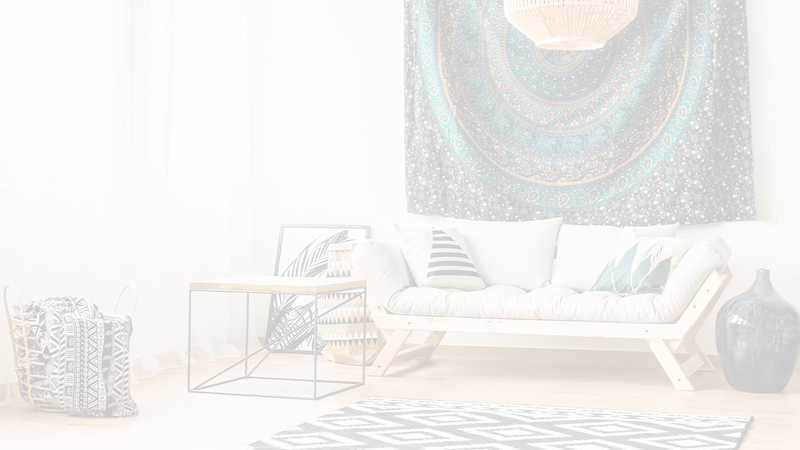
Are you looking to add a splash of color and personality to your room without spending a fortune? Hanging a tapestry on your wall is one of the easiest and most stylish ways to do just that.
But how do you hang a tapestry so it looks great and stays put? Whether you want a bold centerpiece or a cozy backdrop, this guide will walk you through simple, effective methods you can use right now. Keep reading, and you’ll discover the secrets to transforming your space with just a few easy steps.

Credit: aboderie.co.uk
Choosing The Right Tapestry
Choosing the right tapestry sets the tone for your space. It influences the room’s mood and style. Picking the perfect tapestry ensures your wall looks inviting and balanced.
Selecting Size And Material
Size matters. A large tapestry fills an empty wall well. Small tapestries work better in tight spaces or as accents. Measure your wall space before buying.
Material impacts texture and feel. Cotton tapestries are soft and easy to clean. Wool offers warmth and thickness. Synthetic fabrics resist wrinkles and fade less. Consider where you will hang it and how much care it needs.
Matching Your Room Style
Choose colors that complement your existing decor. Neutral tones blend well with most rooms. Bright colors add a pop of energy. Patterns should match the room’s vibe—floral for cozy, geometric for modern.
Think about the room’s purpose. A calm design suits bedrooms. Bold designs fit living rooms or creative spaces. Your tapestry should enhance, not clash with, your furniture and decor style.

Credit: tiendasmbs.com
Preparing Your Wall
Preparing your wall before hanging a tapestry is crucial for a smooth and lasting display. Taking the time to clean and measure ensures your tapestry looks its best and stays secure. It also prevents damage to both your wall and fabric.
Cleaning And Measuring
Start by wiping your wall with a damp cloth to remove dust and dirt. A clean surface helps tapestries stick better if you use adhesive hooks or velcro strips. Avoid using harsh chemicals that might damage your paint or wallpaper.
Next, measure the tapestry’s width and height carefully. Use a tape measure and mark the wall lightly with a pencil where the edges will sit. This step helps you visualize placement and avoid awkward gaps or overlaps.
Finding The Perfect Spot
Think about the room’s lighting and how it will affect your tapestry’s colors and texture. Natural light can highlight details, but direct sunlight might fade the fabric over time. Do you want your tapestry to be a focal point or a subtle background element?
Consider the height at which you hang it. Eye level is often ideal for smaller pieces, while larger tapestries can be elevated to fill empty wall space. Don’t forget to check for nearby furniture or fixtures that might block or clash with your tapestry.
Hanging Methods
Use nails or hooks to hang a tapestry securely on your wall. A wooden dowel or curtain rod can help keep it straight and flat. Choose a method that suits your wall type and tapestry size for best results.
Hanging a tapestry on a wall can transform a room. Choosing the right method is key. It depends on your wall type and tapestry weight. Here are some popular methods to consider.Using Nails And Hooks
Nails and hooks offer a secure hold. They work well for heavier tapestries. Mark the spots on the wall with a pencil. Hammer the nails or attach hooks into these marks. Hang the tapestry using the nails or hooks.Command Strips And Adhesives
Command strips are a damage-free option. They are ideal for lighter tapestries. Clean the wall surface before applying. Press the strips firmly on the tapestry and wall. Follow the package instructions for best results.Tapestry Rods And Dowels
Rods and dowels give a classic look. Slide the tapestry onto the rod or dowel. Secure the rod with brackets attached to the wall. This method allows easy tapestry changes.Velcro And Clips
Velcro is versatile and easy to use. Attach one side of the Velcro to the wall. Place the other side on the tapestry. Press them together for a snug fit. Clips offer a quick hanging solution. Clip the tapestry and attach to nails or hooks.Styling Tips
Styling your tapestry is just as important as hanging it properly. How you choose to display it can transform your space and highlight your personal taste. Let’s look at some ways to make your tapestry stand out and complement your room’s vibe.
Layering With Other Wall Art
Don’t hesitate to mix your tapestry with other pieces of wall art. Combining framed prints, mirrors, or shelves around your tapestry creates depth and interest.
Try arranging smaller art pieces around the edges of your tapestry to draw attention to its colors and patterns. You can also overlap parts of the tapestry with a large mirror or a set of framed photos to add texture and dimension.
Have you thought about how different textures work together? Pairing a soft tapestry with sleek metal or rustic wood art can make your wall feel balanced and inviting.
Creating A Focal Point
Your tapestry can be the main attraction in a room. Position it where it naturally draws the eye, like above a sofa or bed.
Keep the surrounding decor simple to avoid distractions. A clean space around the tapestry helps it stand out and makes the room feel more cohesive.
If you choose a bold tapestry, let it speak for itself. But if the design is subtle, consider adding a colorful rug or cushions nearby to create a harmonious focal area.
Lighting To Enhance Texture
Lighting can change the way your tapestry looks and feels. Use soft, warm lights to highlight its colors and fabric texture.
Spotlights or picture lights mounted above the tapestry work well to cast gentle shadows and emphasize details. Natural light also brings out the richness in the fabric but avoid direct sunlight to prevent fading.
Have you tried using adjustable lighting? It lets you change the mood of your room by highlighting different parts of your tapestry throughout the day.
Maintaining Your Tapestry
Maintaining your tapestry ensures it stays vibrant and beautiful for years. Proper care not only preserves the fabric but also keeps your wall art looking fresh. Small habits make a big difference in protecting your tapestry from wear and tear.
Cleaning And Care
Dust your tapestry regularly using a soft brush or a vacuum with a gentle brush attachment. This prevents dirt from settling deep into the fibers.
If your tapestry needs washing, always check the care label first. Most tapestries do best with gentle hand washing in cold water and mild detergent. Avoid harsh chemicals or bleach that can damage colors.
Dry your tapestry flat or hang it outdoors in the shade to air dry. Direct sunlight can fade the colors quickly.
Preventing Damage
Avoid placing your tapestry in direct sunlight for long periods. Sunlight weakens the fabric and causes fading.
Keep your tapestry away from areas with high humidity or frequent temperature changes. These conditions can cause mold or fabric distortion.
Consider using a fabric protector spray designed for delicate textiles. It adds a subtle barrier against stains and spills.
Have you ever noticed a tapestry sagging or pulling away from the wall? This often happens when the hanging method doesn’t support the weight evenly. Use a sturdy rod or multiple hooks to distribute weight and avoid stretching.
Credit: www.etsy.com
Frequently Asked Questions
How Do You Hang A Tapestry Without Damaging Walls?
Use adhesive hooks or removable mounting strips. These options hold tapestries securely. They avoid holes and paint damage, perfect for rental homes or temporary displays.
What Tools Are Needed To Hang A Tapestry?
You typically need nails, hooks, or adhesive strips. A hammer or measuring tape helps with precise placement. Choose tools based on wall type and tapestry weight.
Can You Hang A Tapestry With Nails Or Tacks?
Yes, nails and tacks are common methods. They provide strong support for heavier tapestries. Ensure you use appropriate wall anchors for drywall.
How High Should A Tapestry Be Hung On A Wall?
Hang the tapestry at eye level for best viewing. Typically, center it about 57-60 inches from the floor. Adjust based on wall height and room layout.
Conclusion
Hanging a tapestry can change any room’s look quickly. Choose the right method for your wall and tapestry type. Use hooks, nails, or rods to keep it secure. Take your time to align it straight and wrinkle-free. A well-hung tapestry adds color and warmth to your space.
Enjoy the new style and cozy feel it brings. Try different spots until you find the perfect place. Simple steps make a big difference in your room’s decor.



