

Have you ever wanted to create something unique for your home? Making your own coffee table can be a fun and rewarding project.
Imagine having a piece that fits perfectly with your style and space—crafted by your own hands. In this guide, you’ll discover simple steps to build a coffee table that looks great and lasts long. Whether you’re a beginner or have some experience, this article will give you clear instructions and helpful tips.
Keep reading, and soon you’ll be proud to say, “I made this myself. ”
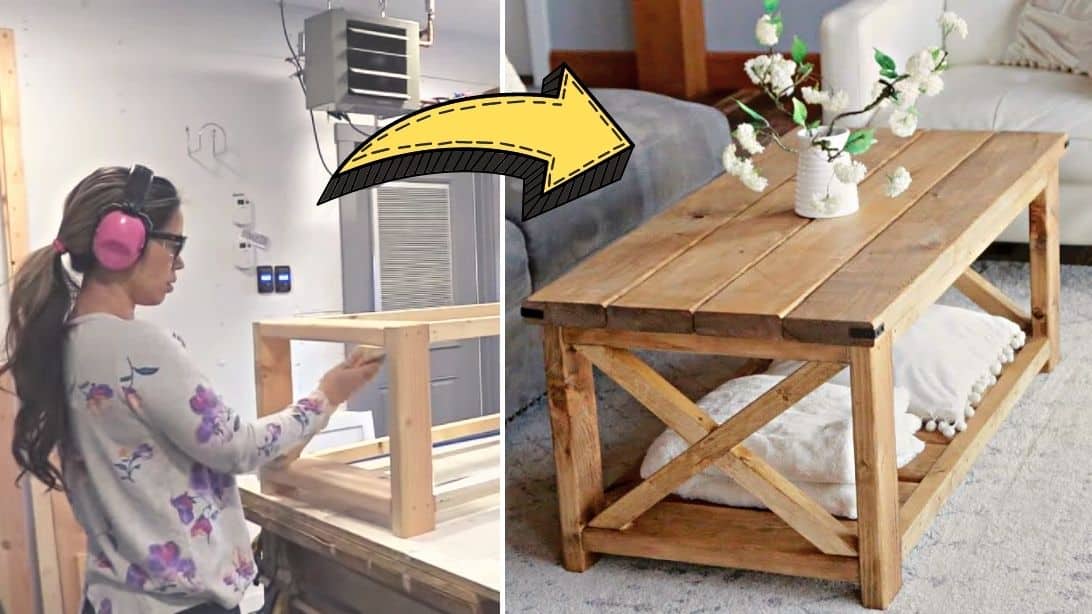
Credit: diyjoy.com
Choosing The Right Materials
Choosing the right materials is the foundation of building a coffee table that lasts and fits your style. The materials you pick affect the table’s strength, appearance, and how easy it is to work with. Knowing what options are available helps you make smart choices that match your skills and budget.
Types Of Wood
Wood is the most popular choice for coffee tables because it offers both durability and beauty. Hardwoods like oak, maple, and walnut are strong and resist scratches, making them ideal if you want a table that stands up to daily use. Softer woods like pine or cedar are easier to shape and cheaper, but they dent more easily.
Think about the look you want too. Oak has a classic, warm grain, while walnut gives a rich, dark tone. If you want a rustic feel, reclaimed wood or distressed pine can add character. What kind of wood matches your room’s vibe?
Hardware And Tools Needed
Having the right hardware makes assembly smoother and your table sturdier. Common hardware includes screws, nails, wood glue, and brackets. Choose screws over nails for better hold, especially for the legs and joints.
Tools you’ll need vary depending on your design, but basics like a saw, drill, screwdriver, and sander are essential. If you want clean edges, a router helps create smooth, precise cuts. What tools do you already have, and which ones could make your project easier?
Finishing Materials
Finishing your coffee table protects the wood and enhances its appearance. You can use stains to bring out the grain and add color, or clear finishes like polyurethane to keep the natural look. Oil finishes, such as tung or linseed oil, soak into the wood and give a soft, matte finish.
Consider how you will use the table. If it will face spills and heavy use, a strong finish like polyurethane is best. For a more natural feel, an oil finish works well but needs regular maintenance. Which finish suits your lifestyle and the look you want to achieve?
Designing Your Coffee Table
Designing your coffee table is where creativity meets function. This stage sets the foundation for a piece that fits your space, style, and daily needs. It’s not just about how it looks, but how it works in your living room.
Selecting A Style
Your coffee table’s style should reflect your personal taste and complement your existing décor. Do you prefer a modern look with clean lines, or a rustic table with a weathered finish? Think about the materials too—wood, glass, metal, or a mix? Each choice affects the table’s vibe and durability.
Consider how the style will age over time. I once chose a trendy metal frame that looked great initially but felt cold and out of place after a year. Picking a style that feels timeless can save you from redesign regrets.
Determining Dimensions
Size matters when it comes to coffee tables. Measure your available space carefully, thinking about how the table will interact with your sofa and chairs. A table that’s too big can overcrowd the room, while a tiny one may feel insignificant.
Here’s a quick guide to sizing:
- Height: Usually 16-18 inches, matching the seat height of your sofa.
- Length: About two-thirds the length of your sofa.
- Width: Enough to hold essentials but leaving space for movement—typically 18-24 inches.
Ask yourself: Will the table allow easy access to drinks and snacks? Is there room to walk around comfortably?
Sketching The Plan
Putting your ideas on paper turns imagination into reality. Start with a rough sketch showing the top view and side profile. Don’t worry about perfection—this is for you to visualize shapes and proportions.
Add notes about materials, finishes, and any special features like drawers or shelves. Sketching helped me catch a design flaw early: I realized my planned drawer would interfere with legroom, so I adjusted the height.
Use graph paper or free online tools if you want cleaner lines and scale accuracy. The clearer your plan, the easier the building process will be.
Preparing The Workspace
Creating a coffee table is an exciting project. First, set up a proper workspace. A well-organized area boosts efficiency and safety. Let’s explore how to prepare your workspace effectively.
Setting Up Tools
Gather all necessary tools before starting. This includes saws, drills, and sanders. Place them within easy reach. Ensure each tool is in working condition. Check for any loose parts or damages. This will prevent any disruption during your work.
Ensuring Safety
Safety is key in any DIY project. Wear protective gear like gloves and goggles. Keep a first aid kit nearby. Ensure your workspace is well-lit. Poor lighting can lead to mistakes or injuries. Maintain a clean environment to avoid tripping hazards.
Organizing Materials
Organize your materials in an orderly manner. Keep wood pieces, screws, and nails sorted. Use labeled containers or trays for small items. This saves time and reduces frustration. A tidy workspace leads to better focus and creativity.
Cutting And Shaping Wood
Cutting and shaping wood is where your coffee table truly starts to take form. This stage demands attention to detail and precision, as it sets the foundation for the entire build. Mastering these skills ensures your pieces fit perfectly and your table looks professional.
Measuring And Marking
Accurate measuring is your first step. Use a reliable tape measure and mark your wood clearly with a pencil or chalk. Double-check your measurements before cutting to avoid costly mistakes.
Marking straight lines with a ruler or square helps maintain clean, sharp edges. I once learned the hard way that rushing this step leads to crooked cuts and a wobbly table. Taking your time here pays off in a smoother assembly.
Sawing Techniques
Choose the right saw for your wood type and cut style. A circular saw works well for straight cuts, while a jigsaw is perfect for curves or intricate shapes. Keep your saw blade sharp to prevent splintering.
Maintain a steady hand and follow your marked lines closely. If you’re new to sawing, practice on scrap wood first to build confidence. Remember, slow and steady cuts reduce errors and keep your wood intact.
Sanding Edges
Sanding smooths out rough edges and prepares the wood for finishing. Start with coarse grit sandpaper to remove large imperfections, then switch to finer grits for a polished surface. Sand along the grain to avoid scratches.
Don’t skip this step—rough edges can cause splinters and make your table look unfinished. I found that spending extra time sanding not only improves safety but also enhances the overall feel of the table.
Assembling The Table
Assembling the coffee table is the stage where all your pieces come together. It requires careful attention to fit each part perfectly. This step shapes your table’s strength and appearance.
Joining The Pieces
Start by aligning the tabletop, legs, and frame. Use clamps to hold the parts steady. Check that edges meet evenly. This helps avoid gaps and uneven surfaces. Dry fit all pieces before gluing or screwing.
Using Screws And Nails
Choose screws or nails based on wood type and design. Pre-drill holes to prevent splitting the wood. Drive screws in straight for a tight hold. Nails can add extra support but use sparingly to avoid damage. Countersink screws for a smooth finish.
Checking Stability
Place the table on a flat surface. Gently push each side to test wobbling. Tighten screws or add extra support if needed. A stable table stands firm without rocking. Make sure legs touch the floor evenly to balance weight.

Credit: diyhuntress.com
Applying Finish And Paint
Applying the right finish and paint is crucial to protect your coffee table and enhance its appearance. This step not only adds beauty but also extends the life of your creation. Knowing how to pick the best option and apply it properly can make a big difference in the final look and durability.
Choosing Paint Or Stain
Decide if you want a painted or stained finish based on the style you prefer. Paint offers a solid color and can cover imperfections, while stain highlights the wood’s natural grain and texture. Think about where your table will be used—stain usually works better for a natural, warm look, while paint can bring a modern or bold touch.
Consider the type of wood too. Softwoods like pine absorb stain unevenly, so paint might give you a more consistent finish. On hardwoods like oak or walnut, stain can really bring out the character of the wood.
Applying Coats
Start with a clean, sanded surface before applying any finish. Use a brush or cloth to apply thin, even coats. Thick layers can drip or cause bubbles, which ruin the smoothness.
Let each coat dry fully before adding the next. Sand lightly between coats with fine-grit sandpaper to keep the surface smooth. This extra step is what gives your table a professional, polished look.
Drying And Curing
Drying time depends on the type of finish you choose—paint usually dries faster than stain or varnish. But drying isn’t the same as curing. Curing means the finish has fully hardened and reached its maximum durability.
Give your coffee table enough time to cure, especially if you want to place heavy items on it. Rushing this step can lead to scratches or dents. A good rule is to wait at least a few days before heavy use.
Adding Final Touches
Adding final touches brings your coffee table to life. These details ensure your table looks great and works well. Focus on stability, style, and care for lasting use.
Attaching Legs Or Casters
Secure the legs or casters tightly to the tabletop. Use screws or bolts designed for furniture. Check for level and balance before fully tightening. Casters add mobility, perfect for flexible spaces. Test the table’s stability once attached.
Decorative Elements
Enhance your table with simple decorations. Consider:
- Wood stains or paint for color and protection
- Edge trim for a polished look
- Metal accents for modern style
- Inlays or decals for unique designs
Keep decorations subtle to match your room’s style. Let your creativity shine with easy, affordable touches.
Maintenance Tips
Clean the table regularly with a soft cloth. Avoid harsh chemicals that can damage wood or paint. Use coasters to prevent water rings and stains. Tighten screws and bolts every few months. Polish wood surfaces to keep their shine. Proper care extends your table’s life and beauty.

Credit: www.hestershandmadehome.com
Frequently Asked Questions
What Materials Do I Need To Make A Coffee Table?
You need wood, screws, nails, sandpaper, wood glue, and finishing materials like paint or varnish. Optional tools include a saw, drill, and clamps.
How Long Does It Take To Build A Coffee Table?
Building a coffee table typically takes 4 to 8 hours, depending on design complexity and your skill level.
What Are The Basic Steps To Make A Coffee Table?
Cut wood pieces, assemble the frame, attach legs, sand surfaces, and apply finish. Each step requires careful measurements and patience.
Can I Customize The Size Of My Coffee Table?
Yes, you can adjust dimensions to fit your space. Just keep proportions balanced for stability and aesthetics.
Conclusion
Building your own coffee table brings pride and style to your home. The process may seem tough, but step-by-step guides help a lot. Choosing the right materials and tools makes the job easier. Take your time and enjoy each part of the project.
Soon, you will have a unique table that fits your space perfectly. Try adding your personal touch with paint or finish. Making a coffee table yourself saves money and creates lasting memories. Give it a try and see how fun woodworking can be.



