
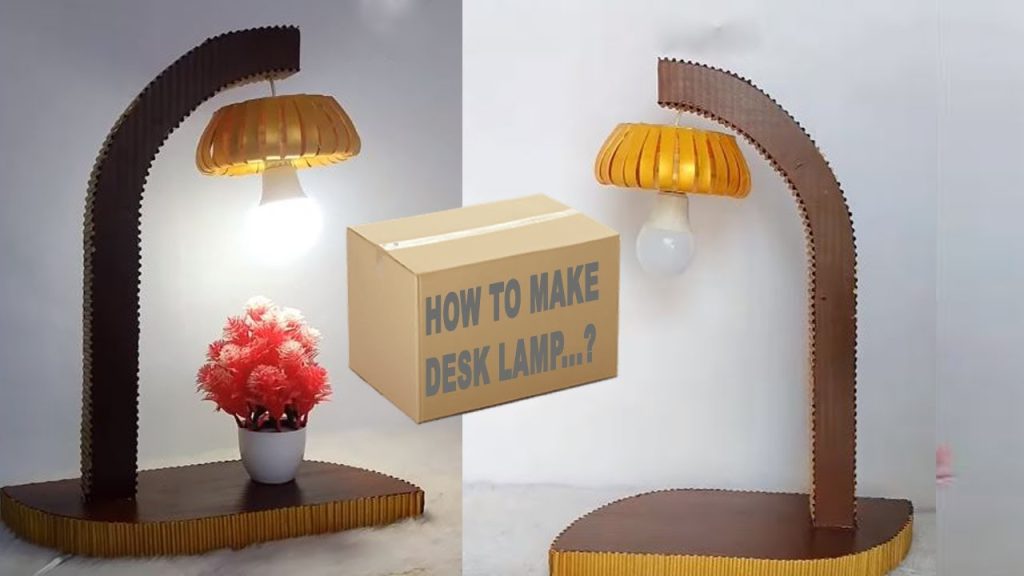
Have you ever wanted a desk lamp that fits your style perfectly? Making your own desk lamp is easier than you think.
Imagine having a unique light that brightens your workspace and reflects your personality. You’ll discover simple steps to create a desk lamp that’s both functional and stylish. Keep reading, and soon you’ll have a custom lamp that you built with your own hands.
Materials Needed
Gathering the right materials is the first step to make a desk lamp. The choices you make affect the lamp’s look and function. Each part must suit your style and safety needs. This guide covers the basic materials needed for a simple, stylish desk lamp.
Lamp Base Options
The base holds the lamp steady. You can choose from many materials:
- Wood: Easy to shape, looks warm and natural.
- Metal: Strong and modern, good for a sleek style.
- Plastic: Lightweight and inexpensive, comes in many colors.
- Repurposed objects: Old books, jars, or blocks add character.
Select a base that fits your desk space and décor.
Choosing The Bulb
The bulb is the light source. Choose bulbs carefully for brightness and energy use:
- LED bulbs: Long-lasting and energy-efficient.
- Incandescent bulbs: Warm light but use more power.
- Compact fluorescent bulbs (CFL): Balanced brightness and efficiency.
Check the bulb size and wattage to fit your lamp design.
Wiring And Electrical Parts
Safe wiring is key for a working lamp. You will need:
- Electrical cord with plug
- Socket for the bulb
- Switch to turn the lamp on and off
- Wire connectors and electrical tape
Use parts rated for indoor use and proper voltage.
Tools Required
Gather these tools for building and assembly:
- Screwdriver set
- Wire stripper and cutter
- Drill with bits (for making holes)
- Hot glue gun or strong adhesive
- Pliers
These tools help with safe and easy construction.
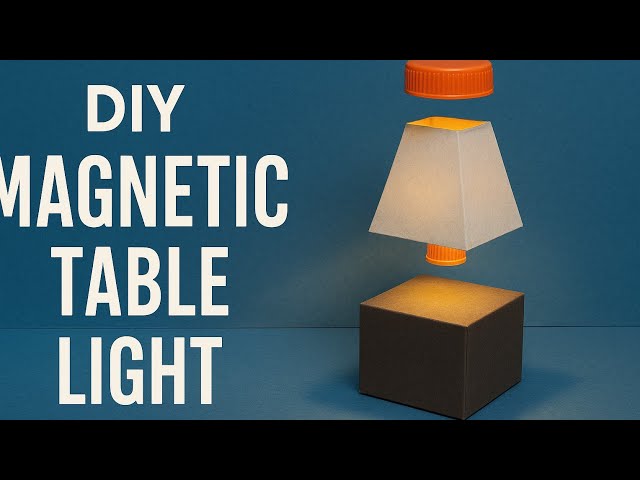
Credit: www.youtube.com
Design Ideas
Choosing the right design for your desk lamp can change how you feel about your workspace. The style you pick affects both function and mood. Let’s look at some design ideas that can make your desk lamp stand out and fit perfectly with your space.
Modern Styles
Modern desk lamps often focus on sleek lines and innovative materials. Think metal finishes like brushed steel or matte black paired with LED lights for energy efficiency. You might want a lamp with adjustable arms and dimmable features to control your lighting exactly how you like it.
Have you noticed how modern lamps blend well in both home offices and creative studios? Their clean appearance keeps your desk clutter-free and stylish. Try adding a geometric base or a pop of color to keep things interesting without overwhelming your desk.
Vintage Looks
Vintage-style lamps bring a nostalgic charm to your workspace. Using brass, wood, or copper with fabric or glass lampshades can create a warm, inviting glow. These designs often feature classic switch types like rotary knobs or pull chains, adding to the old-school vibe.
If you enjoy mixing old and new, a vintage lamp can be a conversation starter. You could refurbish an old lamp with new wiring and bulbs to make it safe and functional. Would you rather have a Victorian-inspired lamp or something from the mid-century era?
Minimalist Designs
Minimalist desk lamps focus on simplicity and practicality. They often have clean shapes like cylinders or rectangles with neutral colors—white, black, or grey. This style is perfect if you want the lamp to blend in and not distract from your work.
Think about how a minimalist lamp can help you focus by reducing visual noise on your desk. Materials like matte plastic or smooth metal keep the look simple and elegant. Could fewer details actually improve your productivity?
Creative Customizations
Customizing your desk lamp lets you express your personality and creativity. You can paint the lamp base, add decals, or wrap the cord with colorful fabric. Even swapping out standard bulbs for colored or filament bulbs changes the mood instantly.
Have you tried adding a small plant holder or a clip-on accessory to your lamp? These tweaks make your lamp more than just a light source—they turn it into a personal statement. What small change could make your lamp uniquely yours?
Step-by-step Assembly
Creating a desk lamp can be a rewarding DIY project. This step-by-step assembly guide will help you craft a functional and stylish lamp. Follow these simple instructions to bring your lamp to life.
Preparing The Base
Select a sturdy base for stability. Wood, metal, or ceramic work well. Drill a hole in the center for the lamp rod. Ensure the hole fits snugly to prevent wobbling. Attach the rod securely to the base using strong adhesive.
Installing The Socket
Choose a socket that fits your bulb type. Thread the socket onto the rod at the top. Secure it firmly to avoid any looseness. Ensure the socket aligns straight with the base for a balanced look.
Connecting The Wiring
Carefully thread the wire through the rod from the base to the socket. Strip the wire ends to expose the copper. Connect the wires to the socket terminals. Tighten the screws to hold the wires in place. Test the connection with a bulb before proceeding.
Adding The Lampshade
Select a lampshade that complements your decor. Attach the lampshade to the socket ring. Ensure it fits snugly without gaps. Adjust the shade for even light distribution. Your desk lamp is now ready for use.

Credit: www.youtube.com
Safety Tips
Safety should be your top priority when making a desk lamp. Working with electrical parts can be risky if you don’t take the right precautions. Let’s look at some essential safety tips that will keep you protected and ensure your lamp works perfectly.
Handling Electrical Components
Always unplug the power source before touching any electrical parts. Use tools with insulated handles to avoid shocks. Make sure your hands are dry and your workspace is clean to prevent accidents.
Have you ever rushed through wiring only to find a short circuit later? Taking your time during this step saves you headaches and potential hazards.
Proper Insulation
Cover all exposed wires with electrical tape or heat shrink tubing. This prevents accidental contact that can cause shocks or fires. Double-check that connections are secure and insulated well.
Using proper insulation also helps your lamp last longer by protecting the wires from wear and tear. Don’t skip this simple but crucial step.
Testing The Lamp
Before final assembly, test the lamp in a controlled environment. Use a circuit tester or multimeter to check for proper voltage and continuity. Make sure the bulb holder and switch function without flickering or overheating.
Testing early helps you catch problems before they become bigger issues. Have you ever powered a device only to find it sparks? Avoid that by testing thoroughly.
Finishing Touches
Finishing touches bring your desk lamp to life. They improve both style and function. Small details make a big difference. These final steps ensure your lamp looks great and works well every day.
Painting And Decorating
Choose paint that suits your room’s style. Matte or glossy finishes create different moods. Use painter’s tape for clean edges. Add patterns or stencils for a personal touch. Let the paint dry fully before handling. Decorating with stickers or decals adds charm. A clear coat protects your design and keeps it lasting longer.
Cable Management
Keep cables neat and out of sight. Use cable clips or ties to bundle wires. Attach cables along the lamp’s arm or base. This prevents tangling and tripping hazards. Choose a cable length that fits your desk setup. A well-managed cable makes your workspace tidy and safe.
Adjustable Features
Add joints or hinges for easy movement. A swivel head lets you direct light where needed. Use knobs or screws to tighten adjustments. Test the lamp’s stability after adding movable parts. Adjustable features increase comfort and usability. They help you work better with the right lighting angle.
Troubleshooting Common Issues
Building your own desk lamp is rewarding, but sometimes things don’t work as expected. Troubleshooting common issues can save you time and frustration. Let’s look at how to identify and fix typical problems that might stop your lamp from shining bright.
Lamp Not Lighting
If your lamp doesn’t turn on at all, start by checking the power source. Is the outlet working? Try plugging in another device to be sure.
Next, inspect the bulb. A faulty bulb is often the simplest fix. Swap it with a new one to rule out this common cause.
Also, make sure the lamp’s switch is functioning correctly. Sometimes the internal contacts wear out, preventing the flow of electricity.
Flickering Problems
Flickering lights can be annoying and may signal a loose bulb or wiring issue. First, try tightening the bulb gently but firmly.
If flickering continues, check the bulb type and wattage. Using the wrong bulb can cause inconsistent light.
Electrical interference or a faulty switch might also cause flickering. Have you ever noticed flicker when you touch the lamp? That could point to a grounding problem or a worn-out component inside the switch.
Loose Connections
Loose connections inside your lamp can cause intermittent lighting or complete failure. Carefully open the lamp base or housing to inspect the wires.
Look for any disconnected or frayed wires. Use a screwdriver to tighten terminal screws and make sure wire nuts are secure.
Sometimes, solder joints may crack. If you feel comfortable, re-solder the connection or replace damaged wires. Safety tip: always unplug your lamp before working on electrical parts.

Credit: www.youtube.com
Frequently Asked Questions
What Materials Do I Need To Make A Desk Lamp?
You need a lamp socket, bulb, electrical cord, switch, base, and lampshade. Basic tools like a screwdriver and wire stripper help assembly.
How Do I Wire A Desk Lamp Safely?
Turn off power before wiring. Connect live, neutral, and ground wires correctly. Use wire nuts and electrical tape for secure connections.
What Type Of Bulb Is Best For Desk Lamps?
LED bulbs are energy-efficient and long-lasting. Choose a bulb with 400-800 lumens for good desk lighting.
Can I Customize The Design Of My Desk Lamp?
Yes, you can use different bases, shades, and colors. Personalize it to match your style and workspace.
Conclusion
Making a desk lamp is a fun and simple project. You can choose materials that suit your style and space. Follow clear steps for safety and good results. This DIY lamp adds light and personality to any room. Enjoy the glow you create with your own hands.
Keep experimenting to make your lamp even better next time. A handmade lamp shows creativity and care in every detail.



