
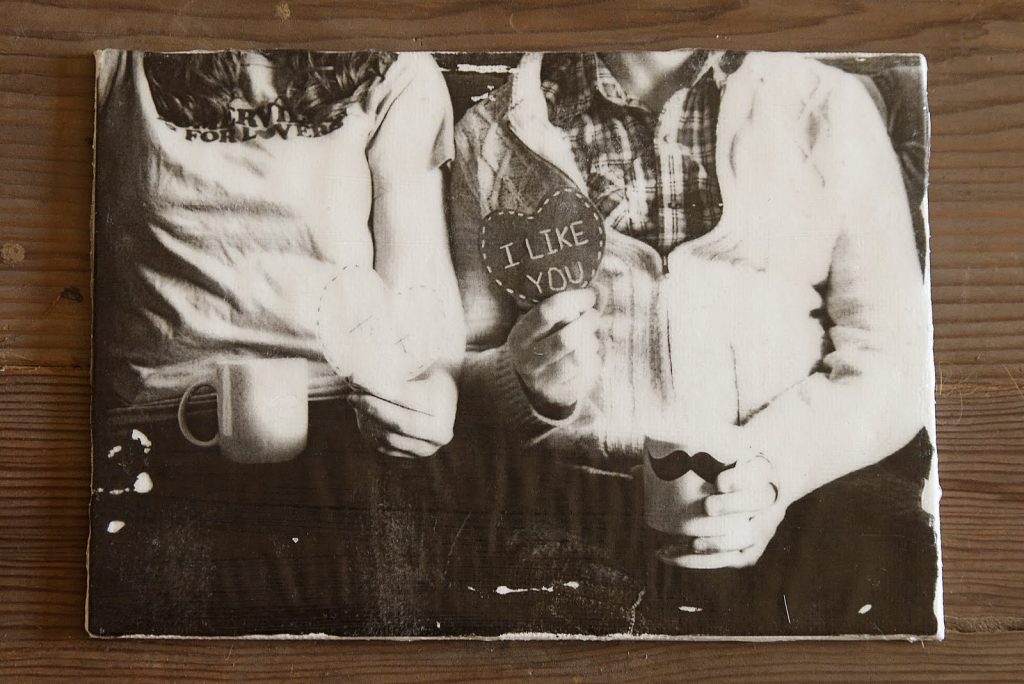
Have you ever wanted to turn your favorite photo into a beautiful canvas that brightens up your space? Putting a picture on a canvas can seem tricky, but it’s easier than you think.
Whether it’s a cherished memory, a stunning landscape, or your own artwork, this simple process lets you create something personal and unique. In this guide, you’ll discover easy steps to transform your picture into a canvas masterpiece. Ready to bring your walls to life?
Let’s dive in!
Choosing The Right Picture
Choose a clear, high-quality image that fits your canvas size well. Bright, simple pictures work best for easy transfer. Make sure the picture matches your style and the room where the canvas will hang.
Choosing the Right Picture is a crucial step in canvas printing. The picture’s quality and resolution greatly affect the final artwork. It must complement the canvas size for a perfect fit. Let’s explore how to make these choices.Selecting High-quality Images
Choose images with clear details. Blurry images don’t look good on canvas. Select photos taken with a good camera. High-quality photos capture vibrant colors and finer details. These features enhance the visual appeal of the canvas.Considering Image Resolution
Image resolution is important for clarity. Low-resolution images appear pixelated when enlarged. Check the resolution before printing. A minimum of 300 DPI is ideal for canvas prints. This ensures the image remains sharp and detailed.Matching Picture To Canvas Size
The image should match the canvas dimensions. A mismatch can lead to cropping or distortion. Measure your canvas size first. Then, choose or crop the picture to fit. Proper sizing maintains the image’s integrity and aesthetic.
Credit: www.jenniferbrecheisen.com
Preparing The Canvas
Preparing the canvas is a crucial step before transferring your picture. It sets the foundation for your artwork and affects the final look. Taking time here can save you frustration and improve your results.
Selecting Canvas Type
Choosing the right canvas depends on your project and budget. Cotton canvases are affordable and work well for beginners. Linen canvases offer better texture and durability, preferred by professionals.
Think about the finish too—stretched canvas gives a ready-to-use surface, while canvas rolls let you customize the size. Have you ever tried painting on a canvas board? It’s a sturdy alternative but less flexible in size.
Priming The Canvas Surface
Priming creates a barrier between your paint and the canvas fibers. It prevents paint from soaking in and enhances adhesion. Most artists use gesso, a white paint-like primer that you can apply with a brush or roller.
Apply thin, even layers and let each dry before adding the next. Two to three coats usually work well. Skipping this step can lead to uneven colors or damage over time—have you noticed dull spots on unprimed canvas?
Ensuring A Smooth Base
A smooth base helps your picture transfer clearly. After priming, lightly sand the surface with fine-grit sandpaper. This removes bumps and creates an even texture for better detail.
Don’t overdo it; too much sanding can wear through the primer. A gentle touch is all you need to feel the difference. How smooth is your canvas before you start? Try this tip and see how it changes your painting experience.
Transferring The Image
Transferring an image onto a canvas is a key step in creating personalized artwork. This process helps you outline the picture before painting. It ensures accuracy and saves time during painting. Several simple techniques make transferring images easy for beginners and experts alike.
Using Transfer Paper
Transfer paper is a thin sheet coated with graphite or charcoal. Place it between the printed image and the canvas. Trace the image with a pencil or stylus. The pressure moves the graphite onto the canvas, creating an outline. This method works well for detailed images. It is quick and requires minimal skill.
Projecting The Image
A projector displays the image directly onto the canvas. Adjust the size and position to fit your canvas. Trace the projected lines with a pencil. This method is great for large or complex images. It allows you to work in a dark room for clear visibility. It is useful for mural-sized projects.
Tracing Techniques
Tracing involves placing a transparent sheet over the image. Use a pencil to copy the design onto the sheet. Tape the sheet onto the canvas and trace over the lines again. This presses the pencil marks onto the canvas surface. It is a simple way to transfer without special tools. Tracing ensures a clean and precise outline.

Credit: www.sunnyscopa.com
Applying The Picture
Applying your picture to the canvas is where your creativity truly comes to life. It’s important to handle this step carefully to ensure the image sticks well and looks great. The right technique can transform a simple photo into a stunning piece of art.
Using Mod Podge Or Gel Medium
Mod Podge and gel medium are popular choices for adhering pictures to canvas. Both act as adhesives and sealants, but they have slightly different finishes—Mod Podge dries clear and glossy, while gel medium can be matte or glossy depending on the type you choose.
Apply a thin, even layer of your chosen medium onto the canvas using a brush. Then, carefully place your picture on top and gently press it down. This creates a strong bond without wrinkles if done right.
Smoothing Out Air Bubbles
Air bubbles can ruin the smooth look of your canvas picture. To avoid this, use a flat tool like a credit card or a plastic scraper to gently push the bubbles toward the edges.
Start from the center and work outward, applying even pressure. This simple step ensures your picture lays flat and stays stuck, giving your artwork a polished finish.
Layering For Durability
Adding multiple layers of Mod Podge or gel medium can make your picture more durable. After the first layer dries, apply one or two more thin coats to protect the image from peeling or damage.
This layering also enhances the colors and sharpness of your photo. Think about how you want your artwork to last—extra layers can make a big difference.
Finishing Touches
Finishing touches bring your canvas artwork to life and protect it for years. These final steps enhance the look and durability of your piece. A well-finished canvas looks polished and ready to display. Protecting your art preserves colors and prevents damage from dust, moisture, and sunlight.
Sealing The Artwork
Sealing locks the image onto the canvas surface. Use a clear acrylic spray or brush-on sealer made for canvas. This layer stops fading and peeling. Spray evenly from a distance of about 12 inches. Allow the sealer to dry completely before handling the canvas. Multiple thin coats work better than one thick coat.
Adding Protective Coatings
Protective coatings add an extra shield over the sealed artwork. Choose between matte, satin, or glossy finishes. Matte reduces glare and gives a soft look. Glossy makes colors appear brighter and sharper. Satin offers a balance of both. Apply coatings with a clean brush or spray. Let each coat dry fully before adding another. This step guards against scratches, dirt, and moisture.
Framing And Display Options
Framing enhances the canvas and suits your decor style. Floating frames create a modern look by leaving space around the edges. Traditional frames add elegance and protect edges. Canvas can also hang unframed for a casual feel. Use sturdy hooks or wire to support the weight. Display in areas away from direct sunlight and humidity. Proper placement keeps the canvas looking fresh longer.
Troubleshooting Common Issues
Putting a picture on a canvas can be rewarding, but sometimes issues pop up that challenge your patience. These common problems—wrinkles, color fading, and minor damages—can affect the final look of your artwork. Understanding how to troubleshoot them ensures your canvas stays crisp and vibrant for years.
Fixing Wrinkles And Bubbles
Wrinkles and bubbles often appear when the canvas isn’t stretched tightly or the adhesive doesn’t spread evenly. You can carefully lift the canvas near the affected area and smooth it out with a clean, dry cloth. Applying gentle heat using a hairdryer on low setting while smoothing can help relax the fibers and remove small wrinkles.
Be cautious not to overheat, as too much heat can damage the picture. If bubbles persist, try piercing them with a fine needle and pressing out the trapped air. Have you ever noticed how a little patience and a gentle touch can turn a flawed canvas into a masterpiece?
Dealing With Color Fading
Color fading often happens due to prolonged exposure to sunlight or poor-quality inks. Protect your canvas by displaying it away from direct sunlight and using UV-protective sprays. If your colors have already faded, you might consider touching up the artwork with matching paints or digital editing before reprinting.
Another option is to laminate your canvas with a clear protective coating to seal the colors in place. Ask yourself: How can you make your artwork last longer without compromising its original vibrancy? Small preventive steps make a big difference.
Repairing Minor Damages
Scratches, small tears, or dents can happen during handling or framing. For minor scratches, gently rubbing the area with a soft eraser or a damp cloth can reduce their visibility. Small tears may be repaired by carefully applying clear-drying glue beneath the canvas and pressing it flat until dry.
If dents occur, lightly steaming the back of the canvas can help fibers regain shape, but test a small area first. Remember, quick attention to damage prevents it from worsening. What simple repair could save your canvas from needing a full replacement?
Creative Variations
Adding a picture to a canvas doesn’t have to stop at a simple print or photo transfer. You can bring your canvas to life by playing around with creative variations. These techniques give your artwork texture, depth, and personality that a flat image can’t match.
Using Mixed Media
Try combining different materials with your picture on the canvas. You might add pieces of fabric, newspaper clippings, or even small objects like buttons or beads around the image. This creates a tactile experience and makes your canvas stand out visually.
Have you ever thought about blending paint with your photo? Adding acrylic paint highlights or shadows can enhance details and add mood. Mixed media invites you to step beyond traditional boundaries and make your art truly your own.
Incorporating Textures
Texture adds a new dimension to your canvas. You can use modeling paste or gel mediums to build raised areas that interact with the picture. This approach makes the image pop and invites viewers to touch and explore your work.
Consider experimenting with sand, fabric, or textured paper to create contrasting surfaces. How might rough textures change the feeling your picture conveys? Playing with texture challenges you to think about how your art appeals to more than just sight.
Experimenting With Colors
Colors can transform the mood of your canvas dramatically. Instead of sticking to the original hues of your picture, try painting over or around it with bold, unexpected colors. This technique can highlight certain areas or create a sense of movement and energy.
What if you toned down your photo with soft pastels or brightened it with neon accents? Using color creatively lets you guide the viewer’s eye and express your personal style. Don’t be afraid to test different palettes until you find the one that speaks to you.
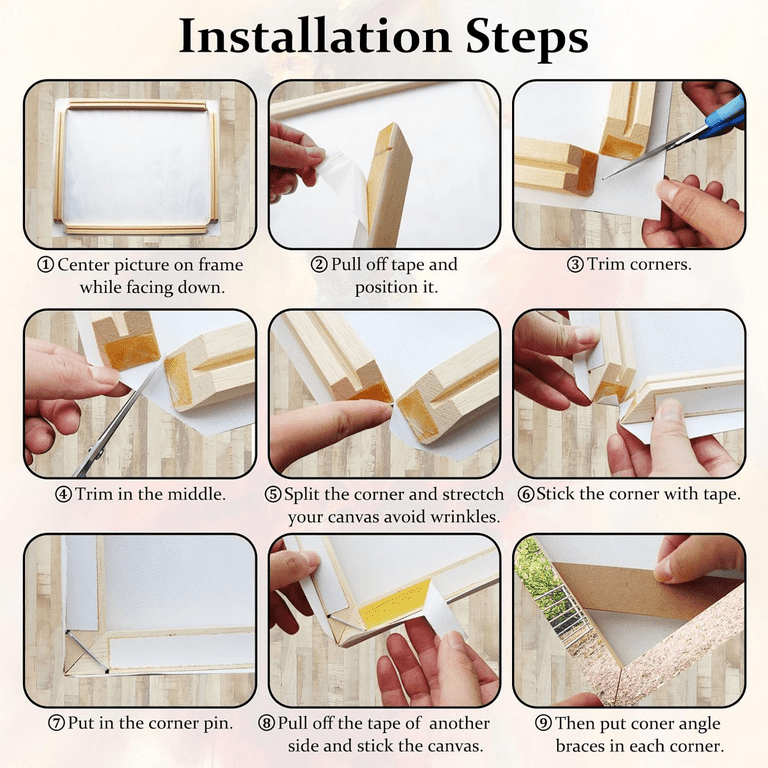
Credit: www.walmart.com
Frequently Asked Questions
How Do You Transfer A Photo Onto Canvas?
You can transfer a photo onto canvas by printing it on transfer paper. Then, apply the paper onto the canvas using heat or gel medium. This method preserves photo quality and creates a durable image on the canvas surface.
What Materials Are Needed To Print Pictures On Canvas?
You need a high-quality printer, canvas sheets or fabric, transfer paper or gel medium, and a heat source like an iron. These materials help you transfer and fix the picture onto the canvas effectively and clearly.
Can I Use A Regular Printer For Canvas Pictures?
Yes, you can use a regular inkjet printer for canvas sheets designed for inkjet printing. Ensure the canvas is compatible and use transfer paper or gel medium to fix the image properly.
How Long Does It Take For A Picture To Dry On Canvas?
Drying time depends on paint or medium used. Usually, it takes 24 to 48 hours for prints or transfers to fully dry and set on canvas surfaces, ensuring durability and clarity.
Conclusion
Putting a picture on a canvas can be simple and fun. Choose the right method that fits your style and tools. Take your time to prepare the canvas and image carefully. This way, your picture will look clear and last longer.
Enjoy the process and create something unique for your space. Practice makes perfect, so keep experimenting with new ideas. Your creativity will shine through every canvas you make.



