
Have you ever wondered why the air around you moves the way it does? Whether it’s a gentle breeze on your face or the rush of wind during a storm, air is always flowing—and it has its own natural path.
Understanding how air naturally wants to flow can change the way you think about everything from staying comfortable indoors to designing your living space. You’ll discover simple yet powerful ideas about air movement that you can use in your daily life.
Ready to see the invisible forces at work all around you? Keep reading, and you’ll never look at the air the same way again.

Credit: phys.org
Air Movement Basics
Understanding how air naturally flows begins with grasping a few basic principles. Air movement is not random; it follows simple rules driven by forces you can observe around you every day. Once you recognize these factors, you’ll notice how air shapes your environment, from a gentle breeze to the way your home stays cool or warm.
Pressure Differences
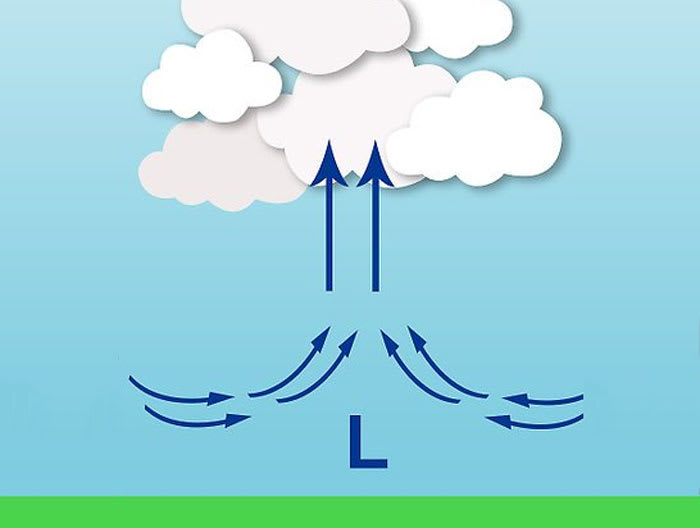
Air always moves from areas of higher pressure to lower pressure. Imagine opening a door between two rooms—air will rush through if one side feels heavier or more packed with air molecules.
This difference in pressure is what creates wind outside and airflow inside your house. Have you ever noticed how a small crack under a door can let a draft in? That’s air moving to balance pressure levels.
Temperature Effects
Warm air tends to rise because heat gives air molecules energy to spread out. Cooler air, being denser, sinks to take its place. This vertical movement can create currents you feel on a sunny day or inside a room with a heater.
Think about sitting near a campfire—the warmth rises and moves upward, making the air around your feet cooler. This natural push and pull of warm and cool air influences how air circulates in any space.
Density And Buoyancy
Air density changes with temperature and humidity, affecting its buoyancy—how light or heavy it feels. Less dense, warm air floats above cooler, denser air, similar to how a hot air balloon rises.
Have you ever noticed fog settling in valleys in the early morning? That’s because cool, dense air sinks into low spots while lighter air stays above. This layering affects how air moves and where it flows.
Natural Airflow Patterns
Natural airflow patterns shape how air moves around us every day. Understanding these patterns helps you grasp why air flows the way it does in different environments. This knowledge can improve everything from your comfort at home to how you design ventilation systems.
Convection Currents
Convection currents happen when warm air rises and cooler air sinks. This cycle creates a continuous loop of air movement that you can observe in a heated room or even outdoors.
Have you noticed how warm air near a heater moves upward while cooler air rushes in to take its place? That’s convection in action. It’s a natural way for heat to spread and air to circulate without any mechanical help.
Wind Formation
Wind forms because of differences in air pressure across areas. When high-pressure air pushes toward low-pressure zones, it creates wind flow that you can feel on your skin.
Think about standing on a hilltop with a strong breeze—it’s the air moving from one place to another due to these pressure differences. This simple principle drives weather patterns and affects how fresh or stale the air feels around you.
Local Breezes
Local breezes happen because land and water heat up at different rates. During the day, air over land warms faster and rises, pulling cooler air from over the water toward the shore.
Ever been to the beach and noticed a cool breeze coming from the ocean? That’s a sea breeze, a perfect example of local airflow caused by temperature differences. At night, this process reverses, creating land breezes that flow back toward the water.
Role Of Earth’s Rotation
The Earth’s rotation plays a crucial role in shaping how air moves across the planet. Without this constant spin, air would flow in a much simpler, straight pattern. Instead, the rotation causes complex movements that influence weather and climate worldwide.
Coriolis Effect
The Coriolis Effect is the key result of Earth’s rotation on moving air. It causes winds to curve rather than move straight from high to low pressure areas. In the Northern Hemisphere, air veers to the right, while in the Southern Hemisphere, it shifts to the left.
Think about flying a paper airplane on a spinning carousel—it won’t fly straight because the carousel’s spin changes its path. This is similar to how the Coriolis Effect alters wind direction. Have you noticed how storms spin differently depending on which side of the equator they’re on? That’s the Coriolis Effect at work.
Trade Winds And Jet Streams
Earth’s rotation also helps create steady wind patterns like the trade winds and jet streams. Trade winds blow from east to west near the equator, helping sailors for centuries find their way across oceans. Jet streams, on the other hand, are fast-flowing air currents high in the atmosphere that influence weather patterns far below.
These winds don’t just appear randomly—they form because the spinning Earth pushes air along certain paths. When you hear about a sudden cold front or a heatwave, the jet streams often have a big role in moving those weather changes. Next time you check the weather, think about how Earth’s spin is behind those shifting winds.

Credit: aerojackey.medium.com
Topography And Airflow
Air flows naturally from high to low areas, following the shape of the land. Hills, valleys, and slopes guide the wind’s path, shaping how air moves across a region. This movement affects weather and temperature patterns.
Topography and airflow are intricately connected, shaping the way air moves across different landscapes. The natural contours of the Earth, from towering mountains to bustling urban centers, play a significant role in directing airflow patterns. Understanding these dynamics can give you insights into weather patterns, climate, and even energy efficiency in your surroundings.Mountain And Valley Winds
Mountains and valleys significantly influence how air flows. During the day, the sun heats up the slopes of mountains more quickly than the valleys. This causes warm air to rise along the slopes, creating an upward breeze known as a valley wind. At night, the process reverses. The mountain slopes cool faster than the valleys, causing cooler air to descend into the valleys. This creates a downward breeze known as a mountain wind. Have you ever stood in a valley at night and felt the cool breeze sweeping down? That’s nature’s air conditioning at work.Urban Influences
Urban areas also have a unique impact on airflow. The concrete jungle absorbs and retains heat, creating a phenomenon known as the urban heat island effect. This can alter local wind patterns, sometimes making cities warmer than their rural surroundings. Buildings can channel wind through streets, creating wind tunnels that may surprise you with their strength. Have you ever been caught off-guard by a sudden gust of wind between skyscrapers? It’s an urban airflow phenomenon in action. Understanding these patterns can help you make informed decisions about where to live or how to design energy-efficient buildings. Imagine being able to harness these natural winds for cooling or ventilation. How might that change your approach to living sustainably?Airflow In Ecosystems
Airflow in ecosystems plays a crucial role in shaping the environment you experience every day. It moves nutrients, affects temperature, and even influences how plants grow. Understanding how air naturally wants to flow helps you appreciate the invisible forces that support life around you.
Forest Canopies
In forests, air moves in complex ways because of the tall trees and dense leaves. The canopy acts like a natural barrier, slowing down the wind and creating pockets of still air beneath it. This layering helps maintain moisture and protects smaller plants from harsh winds.
Have you ever noticed how the air feels cooler and calmer beneath the trees? That’s because the canopy changes the airflow, creating a microclimate ideal for many species. This natural airflow pattern also helps spread seeds and pollen, which is vital for forest regeneration.
Coastal Zones
Along coastlines, air flows differently due to the meeting of land and sea. During the day, warm air rises from the land, drawing cooler sea breezes inland. At night, the process reverses as the land cools faster, causing air to flow back towards the sea.
This daily rhythm of airflow affects your comfort and the local climate. It also influences how salt and moisture move inland, impacting plant life and even human activities. Next time you feel that refreshing sea breeze, think about how this natural airflow keeps coastal ecosystems balanced.
Human Impact On Natural Airflow
Human activities have a strong effect on how air moves naturally. Our choices change the flow and quality of air around us. These changes impact weather, health, and the environment. Understanding these effects helps us protect natural airflow better.
Buildings And Infrastructure
Buildings block and redirect wind. Tall structures create wind tunnels in cities. This can cause strong gusts in some places and still air in others. Roads and bridges also change how air moves. Concrete and asphalt absorb heat, warming the air above. This changes local air currents and can trap pollution.
Urban design affects natural airflow patterns. Green spaces help air flow by reducing heat. Trees act as windbreaks and clean the air. Without careful planning, cities can disrupt natural air cycles.
Pollution And Climate Change
Air pollution adds particles to the air that change its flow. These particles can make the air heavier or lighter. Pollution traps heat near the ground, changing temperature differences that drive wind. This disrupts natural air movement.
Climate change alters global wind patterns. Rising temperatures change pressure zones and air circulation. This shifts weather systems and airflow worldwide. Changes in natural airflow affect rainfall and storm paths. The result is more extreme weather and unstable air conditions.
Credit: www.snowboarder.com
Frequently Asked Questions
How Does Air Naturally Flow In Open Spaces?
Air naturally flows from high-pressure areas to low-pressure areas. This movement balances pressure differences and causes wind and ventilation.
Why Does Warm Air Rise And Cold Air Sink?
Warm air rises because it is lighter and less dense. Cold air sinks as it is heavier and denser, driving natural air circulation.
What Role Do Pressure Differences Play In Air Flow?
Pressure differences create a force that pushes air from high to low pressure. This movement drives natural airflow patterns.
How Do Obstacles Affect Natural Air Flow?
Obstacles like buildings or trees redirect and slow air flow. They can cause turbulence and change natural wind paths.
Conclusion
Air flows from high pressure to low pressure areas. It moves naturally to balance differences around us. Warm air rises, while cool air sinks down. Wind forms because of these movements in the atmosphere. Understanding air flow helps explain weather and climate.
It also shows how nature keeps balance every day. Air wants to move freely, without barriers in its path. This simple flow shapes many things we experience outside. Remember, air’s natural motion is quiet but powerful. It works constantly, shaping life and environment silently.



