
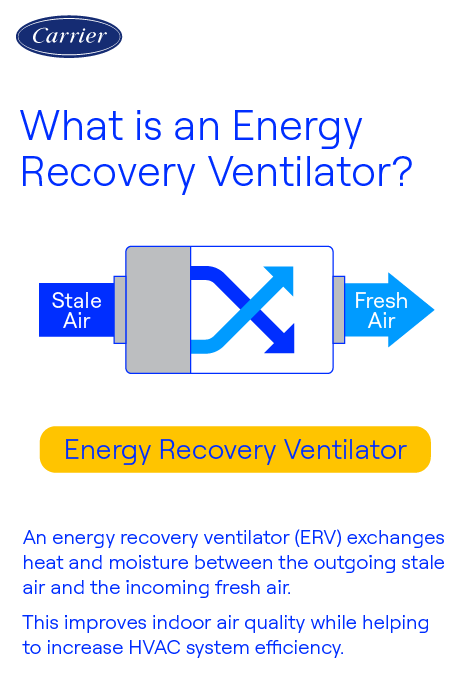
Have you ever wondered how your home can breathe fresh air without losing all its warmth or coolness? That’s where an Energy Recovery Ventilator, or ERV, comes in.
It’s a smart system designed to keep your indoor air fresh while saving energy and cutting costs. If you want to know how an ERV works to balance comfort and efficiency in your living space, keep reading. Understanding this simple device could change the way you think about home ventilation forever.
Energy Recovery Ventilator Basics
An Energy Recovery Ventilator (ERV) plays a crucial role in maintaining fresh air in your home while saving energy. It works by exchanging stale indoor air with fresh outdoor air, but with a smart twist—it recovers energy from the outgoing air to condition the incoming air. This process not only improves air quality but also helps reduce your heating and cooling costs.
Core Components
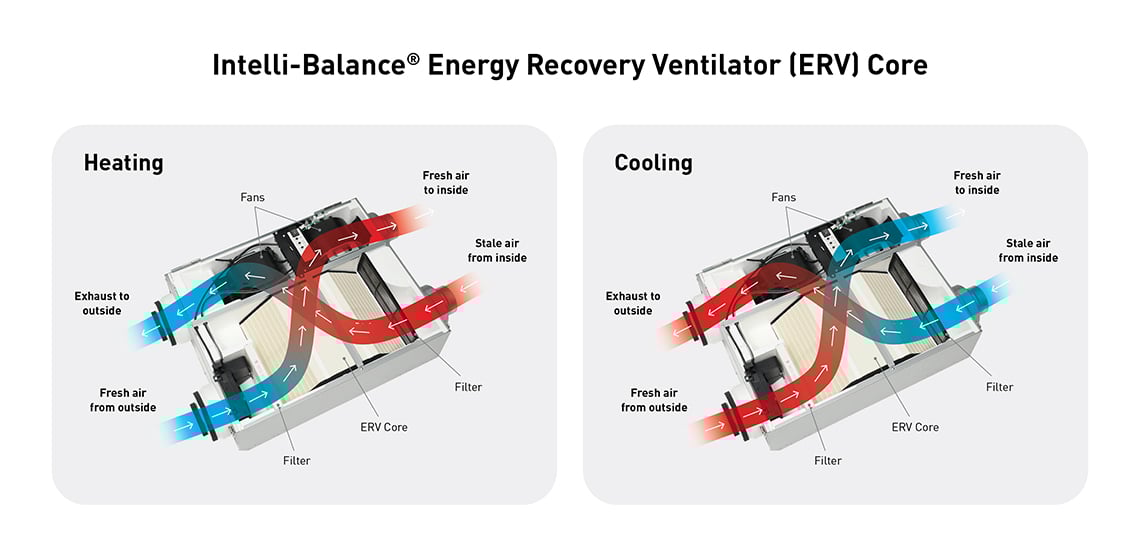
At the heart of every ERV is the heat exchange core. This core is where the magic happens—it transfers heat and moisture between incoming and outgoing air streams without mixing the air itself. You’ll also find:
- Two fans:One pulls in fresh outdoor air, and the other pushes out stale indoor air.
- Filters:These remove dust and allergens before air enters your living space.
- Dampers:They control airflow direction and volume, ensuring efficiency.
Understanding these parts can help you better maintain your ERV for long-lasting performance.
Airflow Mechanism
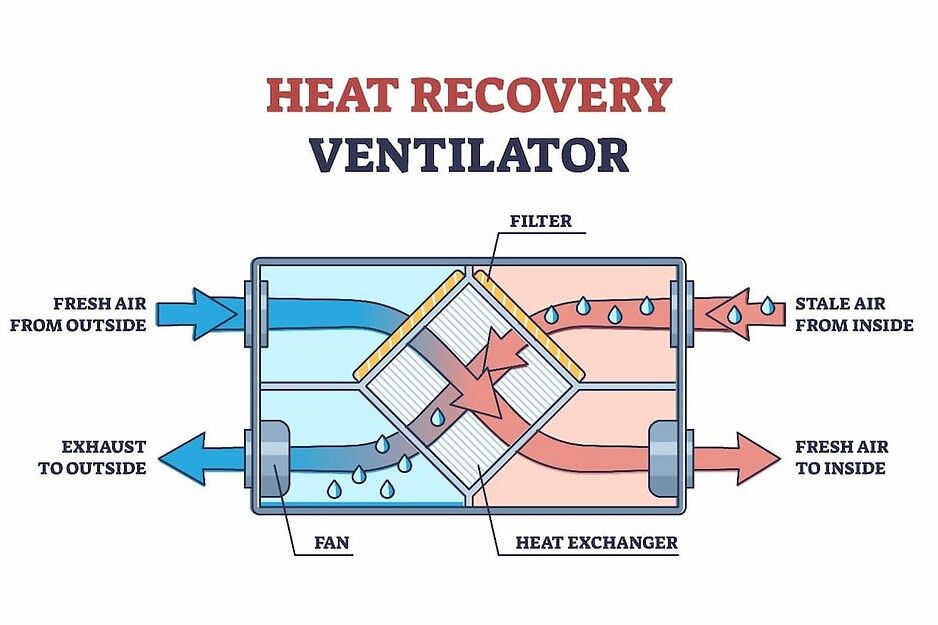
How does the air move through your ERV? The system continuously pulls in fresh air while exhausting stale air, but it does so through separate channels inside the heat exchange core. This design prevents cross-contamination.
As the outgoing air passes through the core, it transfers its heat (and moisture, depending on the model) to the incoming air. This means in winter, your home stays warmer without extra energy, and in summer, cooler air comes in.
Have you ever noticed that your home feels less dry during cold months with an ERV? That’s because it helps balance humidity by recovering moisture. This subtle but important detail can make a big difference in comfort and energy bills.
Credit: www.carrier.com
Heat Exchange Process
The heat exchange process is the heart of how an Energy Recovery Ventilator (ERV) keeps your indoor air fresh without wasting energy. It cleverly transfers heat between outgoing stale air and incoming fresh air. This exchange helps maintain a comfortable temperature inside your home while saving on heating and cooling costs.
Temperature Transfer
The ERV uses a special core where warm and cool air streams pass close to each other but never mix. This setup allows heat to move from the warmer air to the cooler air. For example, in winter, the warm indoor air transfers heat to the cold incoming air, so you don’t lose all the warmth when you ventilate.
Imagine opening a window in winter and feeling a rush of cold air — the ERV prevents that shock by preheating the incoming air using the heat from the outgoing air. This means your HVAC system works less, saving energy and keeping your home cozy.
Humidity Control
Besides temperature, the ERV also manages moisture levels between the air streams. It transfers humidity from the more humid air to the drier air, balancing indoor moisture. This is especially useful in places with extreme weather, where air can be very dry or very humid.
Have you noticed how dry air can make your skin itchy in winter? The ERV helps prevent that by retaining some moisture inside. In summer, it removes excess humidity from incoming air, making your home feel cooler and reducing the load on your air conditioner.
Types Of Energy Recovery Ventilators
Energy Recovery Ventilators (ERVs) come in different types. Each type uses a unique way to transfer heat and moisture. Understanding these types helps in choosing the right system for your space. Here are the main types of ERVs and how they work.
Sensible Heat Exchangers
Sensible heat exchangers transfer only heat between air streams. They move warmth from outgoing air to incoming air without changing moisture levels. This process saves energy by reducing heating or cooling needs. These exchangers work well in dry climates where humidity control is less critical.
Enthalpy Wheels
Enthalpy wheels transfer both heat and moisture. They rotate between incoming and outgoing air, capturing heat and humidity. This helps keep indoor air comfortable and balanced. Enthalpy wheels are efficient in humid or cold climates. They improve indoor air quality by managing temperature and moisture at once.
Plate Heat Exchangers
Plate heat exchangers use flat plates to separate air streams. Heat moves through the plates from warm to cool air. Some models also transfer moisture, but not all. These exchangers are compact and easy to maintain. They suit various building sizes and help reduce energy costs by reclaiming heat.
Benefits Of Using Ervs
Using an Energy Recovery Ventilator (ERV) brings multiple benefits that go beyond just fresh air exchange. It’s designed to work efficiently with your home’s heating and cooling systems, making your indoor environment healthier and more comfortable. Understanding these benefits can help you decide if an ERV is the right choice for your living space.
Energy Savings
ERVs help reduce energy costs by capturing heat or coolness from the outgoing air and transferring it to the incoming air. This process means your heating or cooling system doesn’t have to work as hard, saving you money on your energy bills.
Think about your last energy bill. How much could you save if your system used less power daily? An ERV can cut down heating and cooling expenses, especially in extreme weather conditions, making it a practical investment.
Indoor Air Quality
ERVs constantly bring in fresh outdoor air while removing stale indoor air. This exchange reduces indoor pollutants like dust, allergens, and odors, which can improve your overall health.
If you or your family members suffer from allergies or respiratory issues, you’ll notice the difference an ERV can make. Cleaner air helps create a more comfortable living environment without opening windows and letting unwanted noise or insects in.
Moisture Balance
One of the unique benefits of an ERV is its ability to balance indoor humidity. It transfers moisture between incoming and outgoing air, preventing your home from becoming too dry in winter or too humid in summer.
Have you ever dealt with condensation on windows or dry skin indoors? An ERV helps maintain a comfortable moisture level, protecting your home structure and improving your comfort year-round.
Installation And Maintenance Tips
Proper installation and regular maintenance keep your energy recovery ventilator (ERV) working well. These steps help improve air quality and save energy. Follow simple tips to make sure your ERV runs smoothly and lasts longer.
Placement Considerations
Choose a dry, accessible spot for your ERV. Avoid areas with extreme temperatures or high humidity. Keep it away from dust and dirt sources. Make sure there is enough space around the unit for air flow and maintenance tasks. Position the ERV close to the main air ducts to reduce duct length and energy loss.
Filter Replacement
Check filters every three months. Dirty filters reduce airflow and system efficiency. Replace filters according to the manufacturer’s instructions. Use the correct filter type and size for your model. Clean or replace filters more often in dusty or polluted areas. Regular filter care improves indoor air quality and protects the ERV components.
Cleaning Procedures
Clean the ERV core and vents twice a year. Remove dust and debris gently using a soft brush or vacuum. Avoid using water on electrical parts. Inspect and clean the drain pan to prevent mold growth. Check seals and connections for leaks or damage. Keeping the ERV clean helps maintain airflow and system performance.
Common Issues And Troubleshooting
Energy Recovery Ventilators (ERVs) enhance indoor air quality by exchanging air. Like any device, they may face issues. Knowing common problems and troubleshooting tips can help maintain efficiency.
Airflow Problems
Blocked filters often cause airflow issues. Check and clean filters regularly. Ensure that intake and exhaust vents are clear. Look for obstructions like furniture or debris. Inspect ductwork for leaks or damage. Leaky ducts can reduce airflow significantly.
Noise Concerns
Unusual noise can indicate several problems. Loose components can create rattling sounds. Tighten any loose screws or brackets. Check fans for any imbalance or debris. Clean and secure them to reduce noise. Vibration pads under the unit can also help.
Efficiency Drops
Reduced efficiency usually stems from dirty filters. Regular cleaning can prevent efficiency loss. Check the heat exchanger for dirt buildup. A clean exchanger improves heat recovery. Ensure the motor and fans are running smoothly. Inspect for any signs of wear or damage.
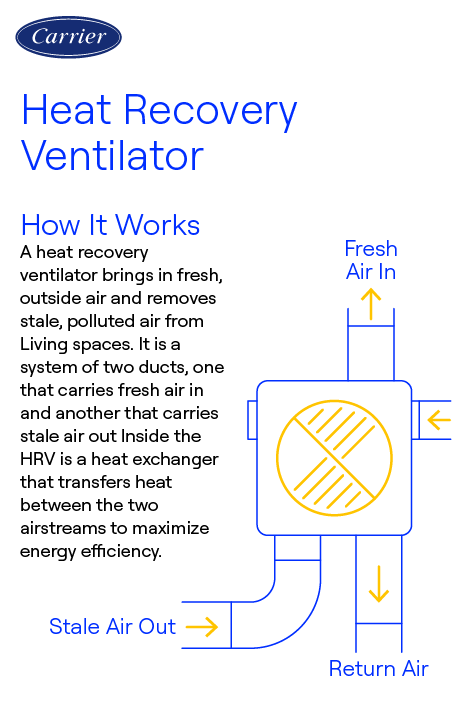
Energy Recovery Ventilators Vs. Hrvs
Energy Recovery Ventilators (ERVs) and Heat Recovery Ventilators (HRVs) both improve indoor air quality. They exchange stale indoor air with fresh outdoor air. Both systems conserve energy. Yet, they operate differently. Understanding these differences helps in choosing the right system for your home or office.
Functional Differences
ERVs and HRVs have different functions. ERVs transfer both heat and moisture between incoming and outgoing air streams. This means they help control humidity levels. HRVs only transfer heat, not moisture. They are effective in managing indoor temperature without altering humidity levels.
Best Use Cases
ERVs work well in humid climates. They prevent excess moisture from entering buildings. This reduces the workload on air conditioning systems. HRVs are ideal for colder climates. They retain heat while exchanging air. This keeps indoor spaces warm without adding moisture.
Credit: iaq.na.panasonic.com
Maximizing Erv Efficiency
Maximizing the efficiency of your Energy Recovery Ventilator (ERV) can significantly improve indoor air quality while reducing energy costs. It’s not just about installing the unit; how you integrate, control, and maintain it plays a crucial role. Let’s look at ways you can get the most out of your ERV system every day.
System Integration
Connecting your ERV with your home’s existing HVAC system is key. This integration helps balance temperature and humidity levels more effectively. Consider pairing your ERV with a smart thermostat or humidifier to create a seamless climate control system.
Think about your home’s layout and airflow patterns. Proper duct placement ensures fresh air reaches every room without wasting energy. Have you checked if your ERV’s airflow matches your home’s size and design?
Smart Controls
Smart controls allow you to adjust ventilation based on your lifestyle and weather conditions. Many ERVs come with sensors that detect humidity or CO2 levels and automatically tweak settings. This means you only use energy when it’s truly needed.
Using a mobile app to monitor your ERV can help you spot inefficiencies or schedule maintenance alerts. Have you tried setting your ERV to run harder during peak pollution times or milder weather? It’s a small change that can save energy and keep your air fresher.
Regular Maintenance
Keeping your ERV clean and well-maintained is essential for top performance. Filters should be checked and replaced regularly to prevent blockages and maintain airflow. Don’t overlook cleaning the core; dust and debris buildup can reduce heat exchange efficiency.
Routine inspections can catch issues before they affect your system’s efficiency. Have you marked your calendar for seasonal ERV check-ups? Staying on top of maintenance can prolong your unit’s life and keep energy use low.
Credit: bossplumbingltd.com
Frequently Asked Questions
What Is An Energy Recovery Ventilator (erv)?
An ERV is a device that exchanges indoor and outdoor air. It recovers energy from outgoing air to condition incoming air efficiently. This improves indoor air quality and reduces heating and cooling costs.
How Does An Erv Improve Indoor Air Quality?
ERVs remove stale indoor air and bring in fresh outdoor air. They filter pollutants and balance humidity levels. This process helps reduce allergens, odors, and mold growth inside your home.
Can An Erv Reduce Energy Bills?
Yes, ERVs transfer heat and moisture between outgoing and incoming air. This reduces the load on heating and cooling systems. As a result, your energy consumption and bills decrease significantly.
Where Should I Install An Energy Recovery Ventilator?
Install an ERV in areas with poor ventilation, like basements or tightly sealed homes. It works best when connected to your HVAC system for balanced airflow and optimal energy recovery.
Conclusion
An energy recovery ventilator helps keep indoor air fresh and healthy. It moves stale air out and brings fresh air in. At the same time, it saves energy by sharing heat between the two airflows. This process reduces heating and cooling costs.
Installing one can improve comfort in your home or office. It works quietly and needs little maintenance. Understanding how it works makes it easier to choose the right system. Clean air and energy savings—both in one device. Worth considering for better indoor air quality.



